
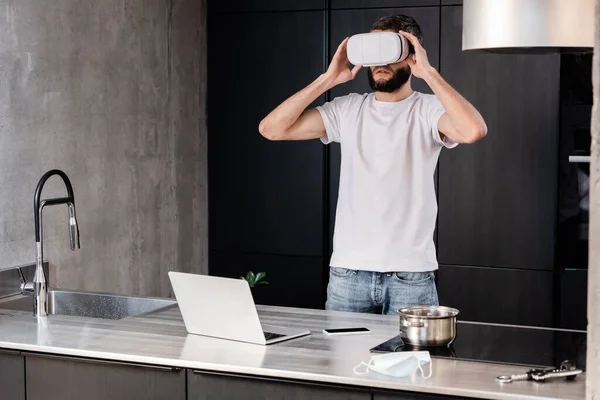
Science fiction did not simply predict gadgets. It built emotional test environments for technologies long before they entered kitchens, pockets, cars, and bedrooms. That is what makes the genre feel less like fantasy in hindsight and more like a rehearsal space. Writers and filmmakers kept returning to the same idea: when a tool becomes frictionless enough, it stops feeling like a machine and starts reshaping attention, privacy, routine, and even identity.

1. Smartphones began as communicators before they became lifestyles
The cleanest example remains the handheld communicator from Star Trek, a design that later echoed through flip phones and mobile calling culture. A replica discussed by Forbes was even built from a 3D laser scan of an original prop, underscoring how closely fiction and product design can overlap. Science-fiction records also place mobile phone concepts as early as 1928, with later visions evolving toward the smartphone, internet access, and voice interaction. The warning was never just portability. It was the idea that one object would collapse communication, information, and personal dependence into a single habit.

2. Video calls turned the screen into a social obligation
Videotelephony appears repeatedly across early speculative fiction, from Ralph 124C 41+ to later film and television. Today, face-to-face calling is ordinary enough to feel invisible, even though earlier writers treated it as a marvel. The deeper shift is social: once seeing someone becomes technically easy, it starts to feel expected. Science fiction recognized that communication tools do not only add convenience; they also change norms around availability, responsiveness, and performance.

3. Earbuds made private soundtracks permanent
Ray Bradbury’s Fahrenheit 451 imagined tiny in-ear audio devices called “Seashells,” and the description now reads less like metaphor than product copy. The reference list of realized predictions directly links the novel to earphones and earbuds in 1953 fiction. What once looked futuristic now defines commutes, workouts, and quiet moments at home. The caution embedded in that image was subtle but sharp: nonstop audio can fill every gap in thought.
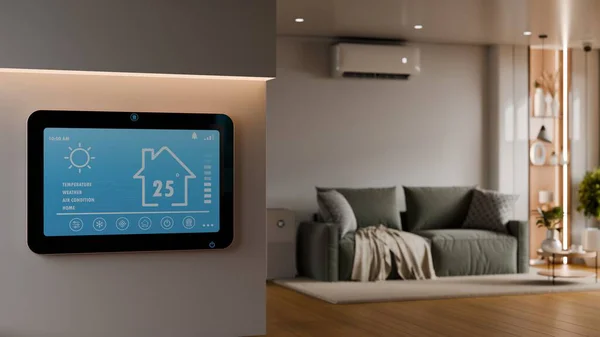
4. Smart homes promised comfort and delivered constant mediation
Long before connected thermostats and voice assistants, stories such as E. M. Forster’s The Machine Stops and Bradbury’s “There Will Come Soft Rains” described homes that anticipate needs and automate domestic life. Modern versions feel gentler, wrapped in convenience and efficiency, but the core premise is the same. Daily living is increasingly filtered through sensors, presets, and remote controls. That means the home is no longer just shelter; it is a managed interface.
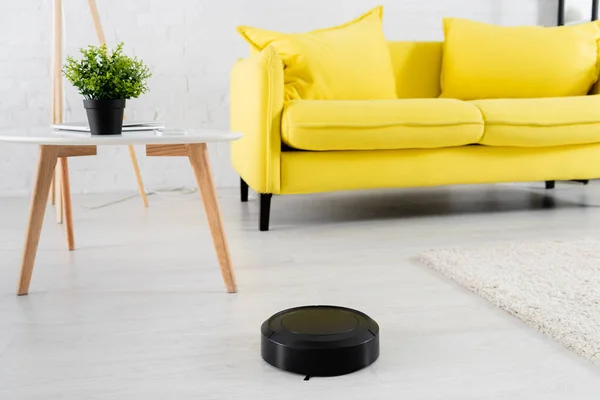
5. Robotic cleaners normalized machines as housemates
Domestic robots once arrived in fiction as servants, companions, or uneasy substitutes for human labor. Real life started smaller, with robotic vacuums and narrow-purpose helpers, but that may be exactly why they succeeded. They entered the household not as dramatic androids, but as low-stakes companions that quietly map rooms, learn obstacles, and turn maintenance into background process. Fiction anticipated the emotional adjustment as much as the engineering.
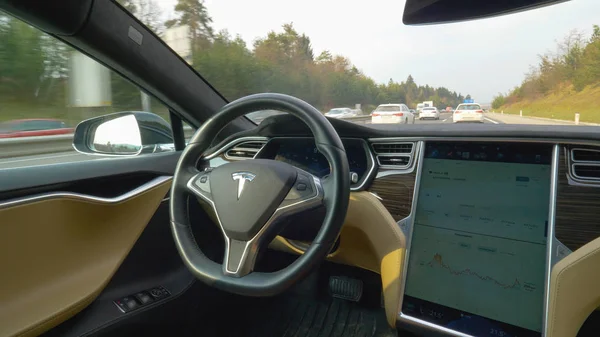
6. Autonomous cars shifted the meaning of control
Self-driving cars appeared in speculative fiction decades before current driver-assistance systems. Isaac Asimov described vehicles with “robot-brains,” while archival lists tie autonomous car ideas to fiction from the 1930s and 1950s. The cultural warning here was not speed. It was delegation. Once a machine takes over navigation, the human role changes from actor to supervisor, and that raises new questions about trust, attention, and responsibility during ordinary travel.
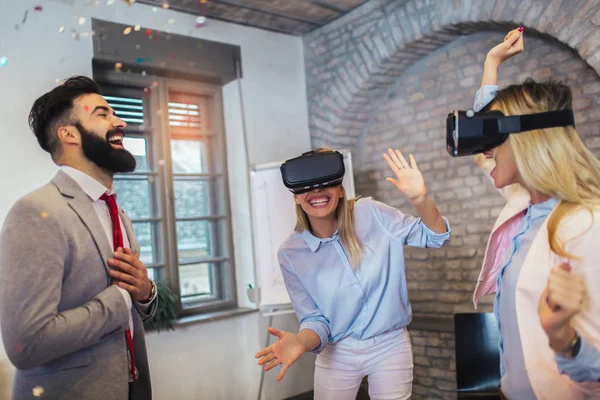
7. Virtual reality made escapism feel engineered
Stories such as Pygmalion’s Spectacles, Tron, and later cyberpunk works imagined immersive digital spaces long before consumer headsets existed. The modern version is still developing, but the pattern is familiar: more convincing visual worlds, more sensory feedback, more time spent in designed environments. Science fiction did not frame this only as entertainment. It treated immersion as a psychological threshold, where technology stops being looked at and starts being lived inside.

8. Smartwatches and wearables brought computing onto the body
From Dick Tracy’s wrist radio to later watch-based video communication, science fiction saw wearables as extensions of constant contact. That logic has now matured into notifications on skin, biometric tracking, and portable identity management. The device is small, but the implication is large. When computing becomes wearable, it is no longer something a person uses occasionally; it becomes something a person carries through nearly every physical state, including sleep, exercise, and stress.

9. Personalized digital environments became the real dystopian interface
Older fiction anticipated more than devices. It anticipated systems that adapt media, messaging, and information to the individual user. Reference histories connect speculative works to personalized ads, search tools, and social-media-like structures, showing how long the idea has been circulating. This is where science fiction feels most like a warning: the future is not only filled with machines, but with responsive environments that learn what captures attention and keep feeding it back.
Science fiction’s most accurate predictions were rarely about chrome finishes or dramatic sound effects. They were about habits. That is why so many once-fantastical tools now feel ordinary and unsettling at the same time. The genre kept suggesting that the real consequence of innovation would be intimacy: devices moving closer to the body, deeper into the home, and further into the mind. Everyday technology proved the point.


