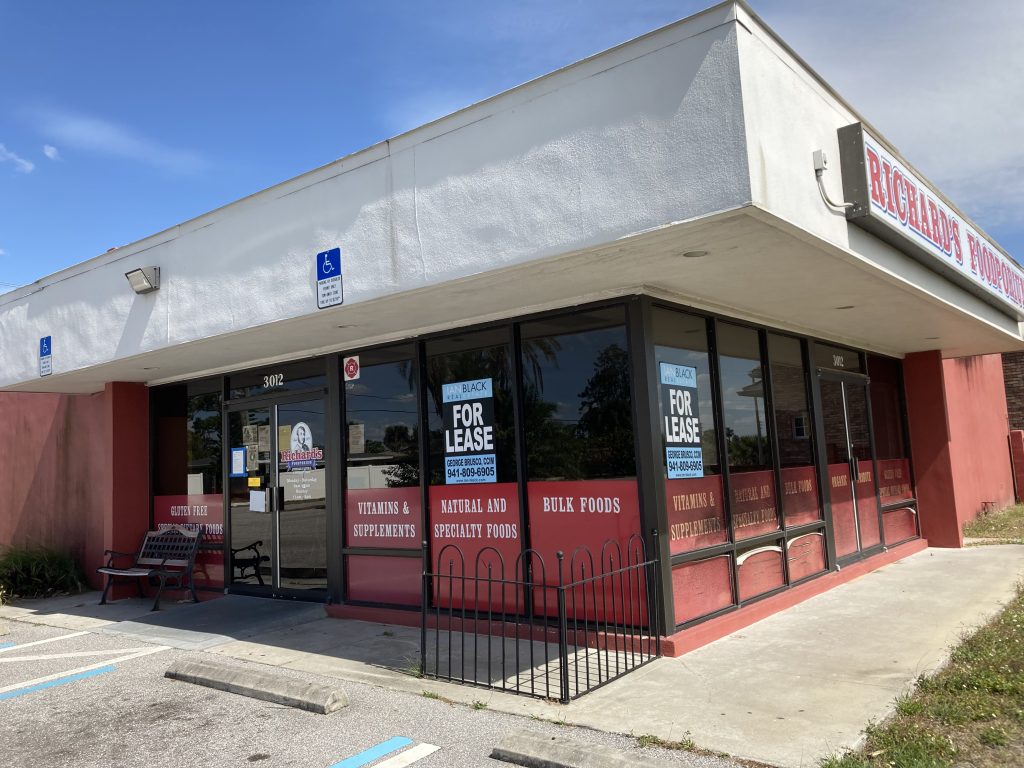
The rise in 2025 store closures was not just a retail story. It also became a signal about how daily life, spending habits, and community spaces are changing.
Across the year, chains ranging from apparel and party supplies to pharmacies and restaurants cut back or disappeared altogether. Researchers projected as many as 15,000 store closures in 2025, while openings were expected to trail far behind, according to Coresight Research’s 2025 forecast. That gap matters because an empty storefront rarely stays an isolated problem.
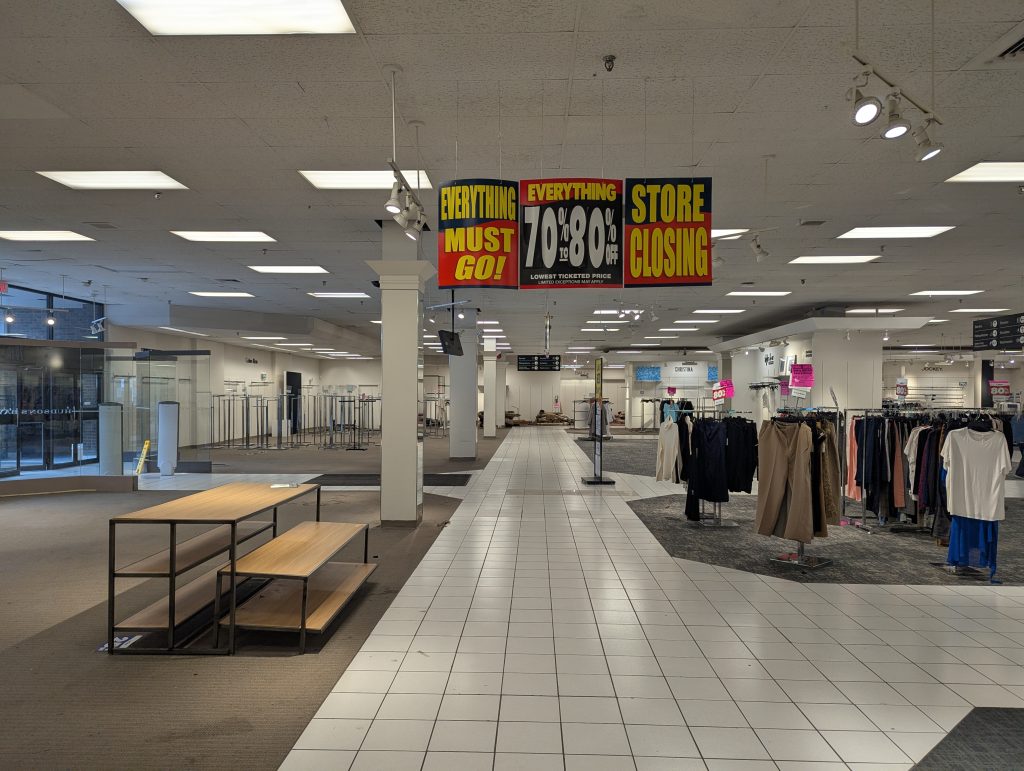
1. The closure wave reflected a consumer reset, not a single bad season
Several chains that faded in 2025 had already been under pressure for years. Forever 21, Joann, Party City, and Rite Aid all faced a mix of debt, operational strain, and changing shopper behavior before their final rounds of closures. In one count, roughly 8,200 locations shut down in 2025, about 12% more than 2024. The pattern pointed to a broader reset in what consumers were willing to buy, where they wanted to buy it, and how much patience they had for stores that felt outdated or inconsistent. Inflation added pressure, but the larger issue was that many older chains were no longer central to everyday routines.
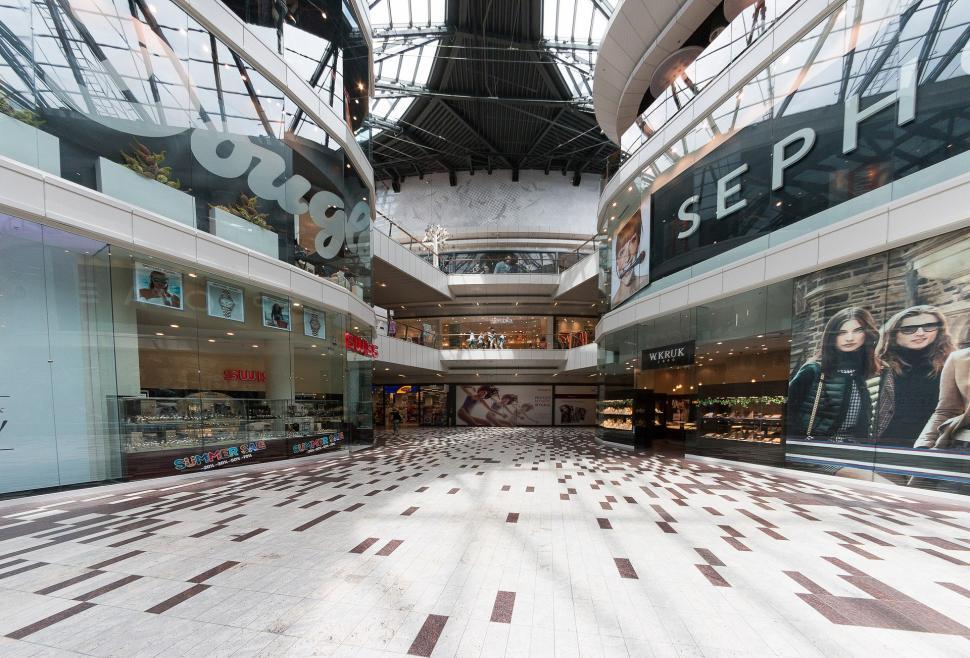
2. The mall lost more than stores when apparel chains stumbled
Apparel has long been one of the categories that gives malls their rhythm. When clothing chains contract, the effect extends beyond a single tenant because fashion retailers often help generate browsing traffic that spills into food, beauty, and specialty stores. Forever 21’s bankruptcy and shutdown of about 500 US stores illustrated that shift. Inditex also ended the year with 132 fewer stores across its brands, while Carter’s said it would close around 100 stores during its 2025 and 2026 fiscal years. When apparel footprints shrink, malls lose part of the reason people make longer, slower visits instead of quick errand trips.
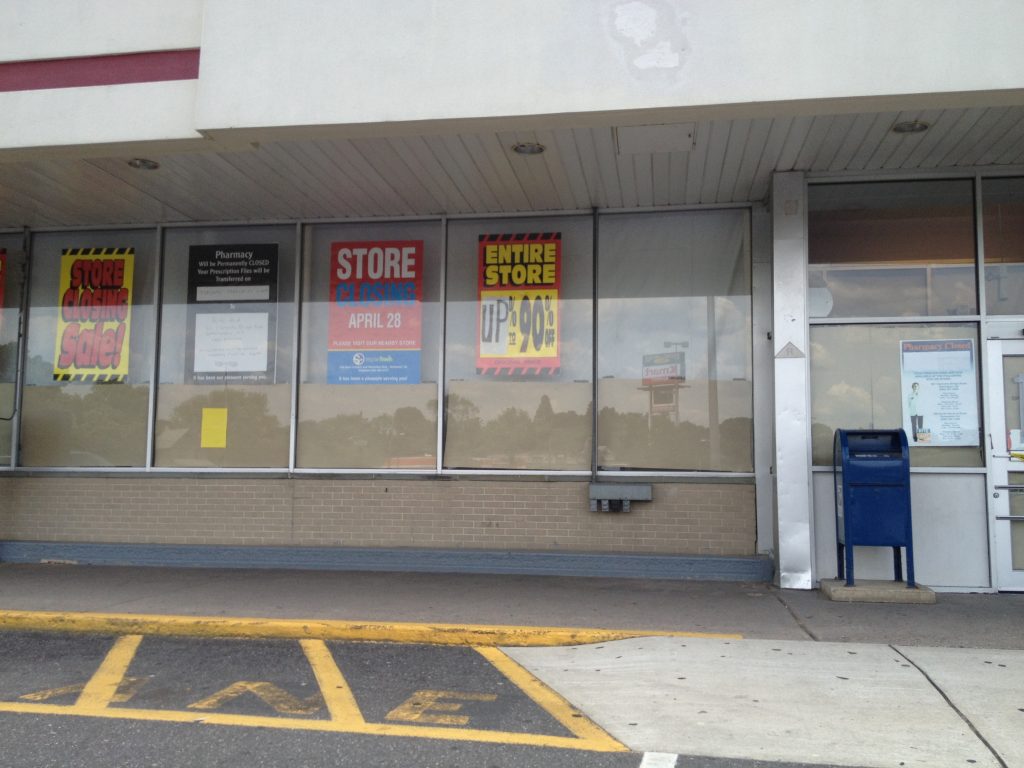
3. Pharmacy closures carried a public-health warning
Not every shuttered location sold discretionary goods. Some closures cut into basic access. Retail researchers warned about emerging “pharmacy deserts” after years of closures from large drugstore chains. Rite Aid closed its doors in October after a second bankruptcy, while Walgreens and CVS were also reducing store counts in the broader period. For many neighborhoods, a pharmacy is not just another retailer. It is a place tied to prescriptions, vaccines, and routine health support, especially for older adults and people without easy transportation.

4. Online convenience kept rewriting what a physical trip is worth
The pressure on stores was not only about price. It was also about friction. Coresight CEO Deborah Weinswig said consumers were seeking “the path of least resistance,” with little tolerance for disorganized shelves, out-of-stocks, or poor service. That behavior lines up with the steady rise of non-store retail. In 2019, non-store retail represented 21% of the relevant retail mix cited by the Census Bureau; it later reached 29%, as noted in the same retail outlook. The implication for malls and shopping centers is clear: a physical visit now has to offer either convenience, reliability, or a reason to linger that a screen cannot match.

5. Empty anchor spaces can trigger a domino effect
A struggling shopping center often becomes weaker in stages, not all at once. One large closure reduces foot traffic. Neighboring tenants lose impulse visits. The center looks less active, which can make both shoppers and future tenants more cautious. That chain reaction has been described by researchers as a retail “domino effect.” The damage can spread beyond landlord income to nearby small businesses and even municipal finances when sales and property tax bases weaken. An empty mall, in that sense, acts less like a real estate problem and more like a warning about a local commercial ecosystem losing its balance.
6. Restaurants and convenience chains showed that no category was fully insulated
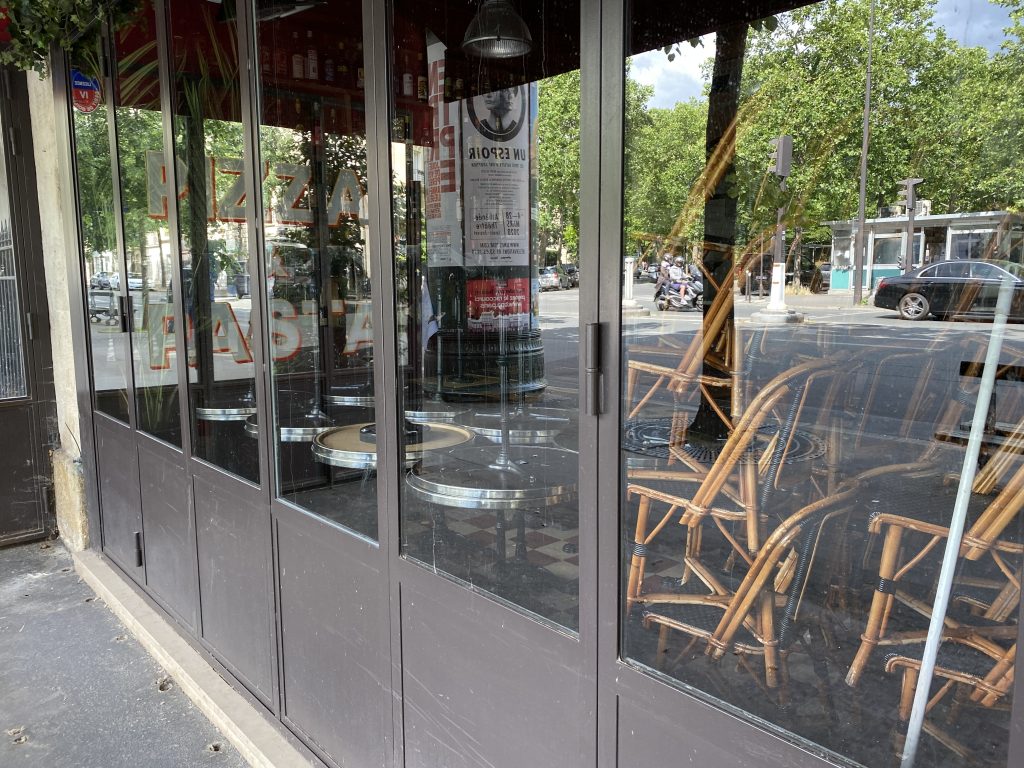
The year’s pullback was not confined to traditional mall brands. Starbucks reported hundreds of store closures as part of its restructuring, while Denny’s had additional restaurant closures tied to its brand reset. 7-Eleven, Macy’s, Kohl’s, Kroger, and GameStop also appeared in closure announcements or reduction plans during the year. That range matters because it shows the issue was not simply that malls were outdated. The deeper message was that chains across categories were reassessing location quality, profitability, and how much physical space they actually needed.
7. Some vacant retail space started turning into service space
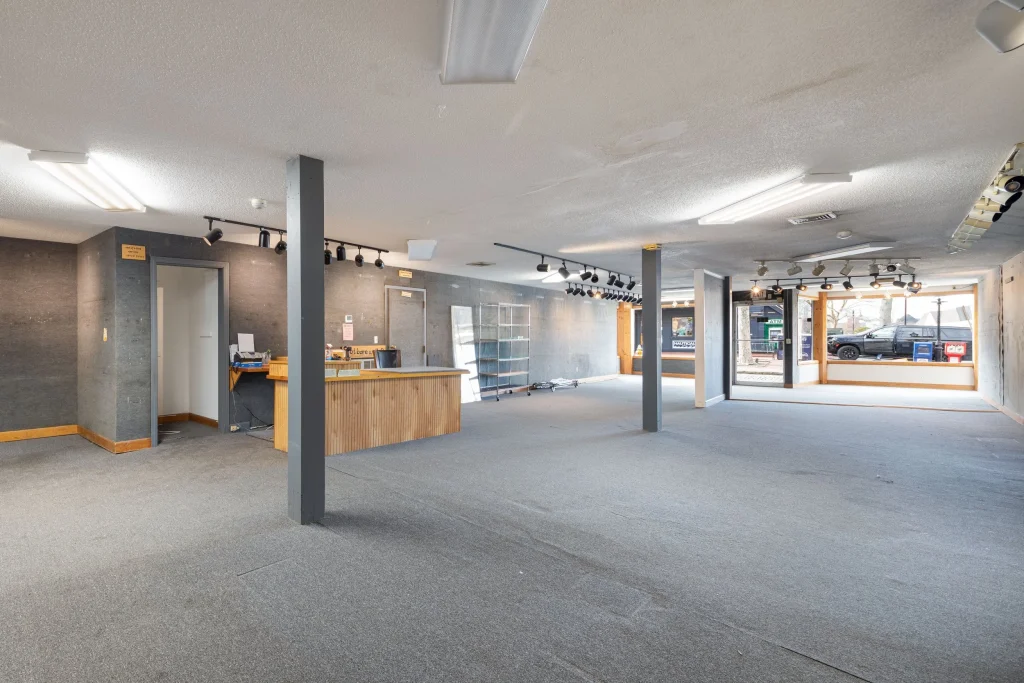
Even as closures mounted, vacant storefronts were not always staying retail. In some markets, shopping center owners became more open to tenants such as wellness practitioners, fitness operators, medical offices, spas, and artists. According to shopping center vacancy data reported for Q2 2025, the national vacancy rate in shopping centers rose to 5.8%. That softer demand created room for more flexible lease terms in certain areas. One wellness practitioner in San Diego said, “I was able to negotiate a fantastic monthly rent, but also a flexible lease term.” The quote captured a shift already visible in many plazas: space once reserved for chains was beginning to support more local, service-led uses.
8. The best recovery opportunities depended heavily on geography
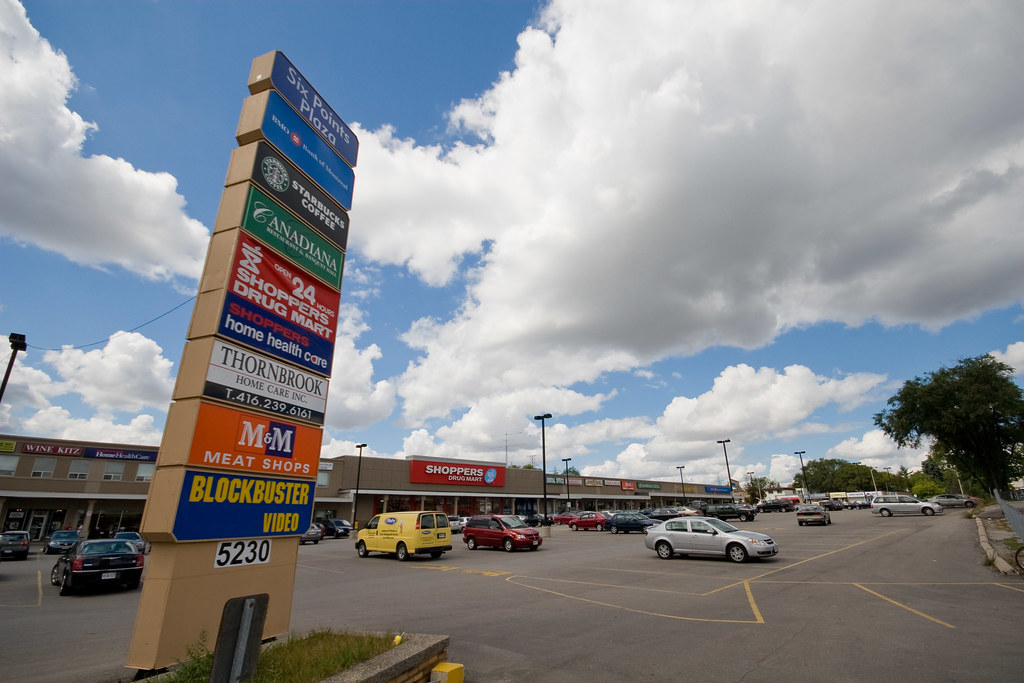
Not every empty storefront became a bargain, and not every struggling corridor became a fresh start for local businesses. Real estate experts noted that opportunities varied widely by market. Some suburban and mid-sized city locations saw more flexibility from landlords, while dense, high-demand areas remained expensive or were pulled toward industrial and distribution uses instead. That unevenness matters because it means the same closure statistic can produce very different outcomes. In one community, a vacant unit may become a locally loved business. In another, it may sit dark long enough to signal decline.
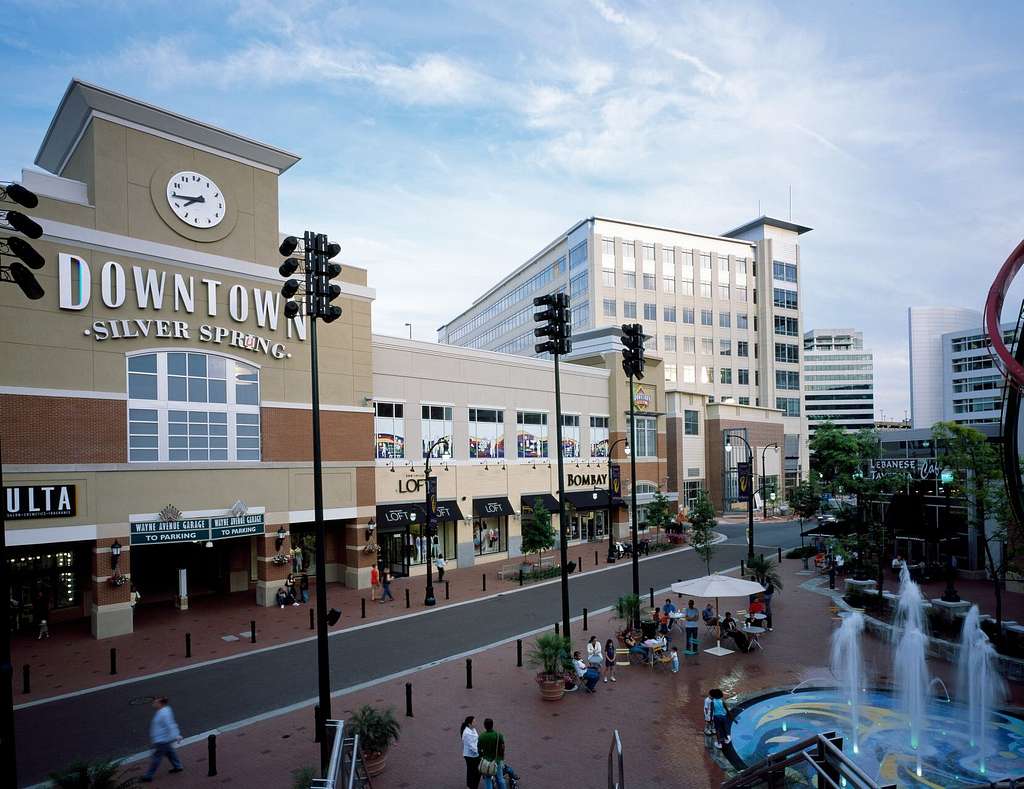
The strongest warning hidden in 2025’s closures was not that physical retail had stopped mattering. In fact, later market data showed stores still accounted for a large share of holiday spending and many retail fundamentals stabilized. The real warning was narrower and more important: places built around routine traffic, legacy chain formulas, and interchangeable storefronts became far more fragile. When those spaces empty out, the loss is not only commercial. It changes how people access essentials, where they spend time, and whether a neighborhood still feels active at all.