Big paychecks rarely tell the full story in Hollywood. For many of the industry’s highest-earning Black stars, lasting wealth has come from a mix of franchise visibility, production ownership, television longevity, and businesses built far beyond the screen.
The names below stand out not only for fame, but for the way they turned acting careers into durable entertainment power. Some dominate through blockbuster box office totals, others through studios, syndication, and control of intellectual property. Together, they show how modern celebrity wealth is built.
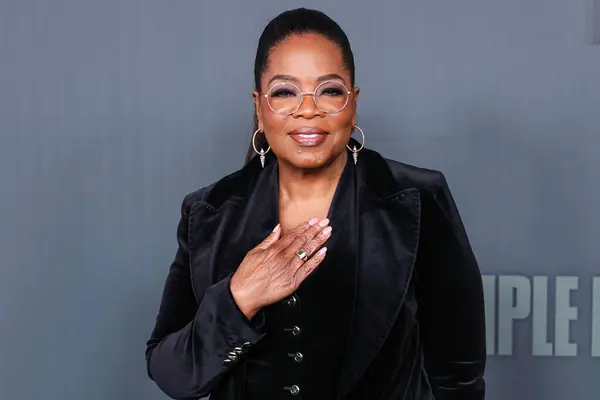
1. Oprah Winfrey
Oprah Winfrey remains one of the clearest examples of acting and media influence turning into generational wealth. While widely associated with television, her screen work in films such as The Color Purple, Beloved, and The Butler helped establish her as more than a host. What separates her financially is ownership: Harpo Productions and her network investments shifted her from talent to executive power.
Her long-standing place among elite earners reflects a model many performers later followed build the audience first, then own the platform. She was also the first Black woman to own her own production company, a milestone that changed expectations for what entertainment careers could become.
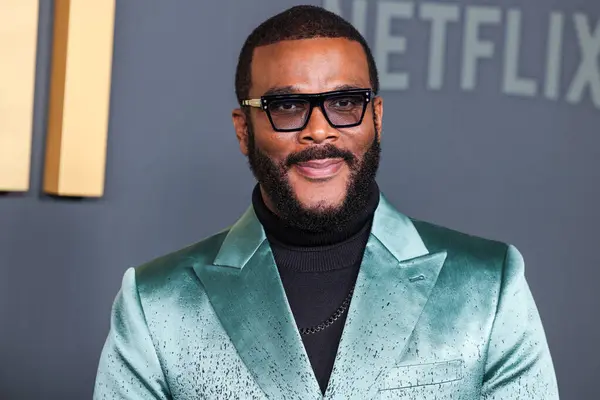
2. Tyler Perry
Tyler Perry’s wealth comes from a formula Hollywood rarely allows at scale: writing, producing, directing, starring, and owning the studio infrastructure behind the work. His Madea franchise created mass appeal, but the larger financial story is control. Perry built a vast production base in Atlanta and turned it into a vertically integrated entertainment machine.
That ownership matters more than any single title. He is widely recognized as a billionaire, and his business model has become one of the strongest examples of how Black creators have expanded wealth by controlling production rather than only appearing in it.
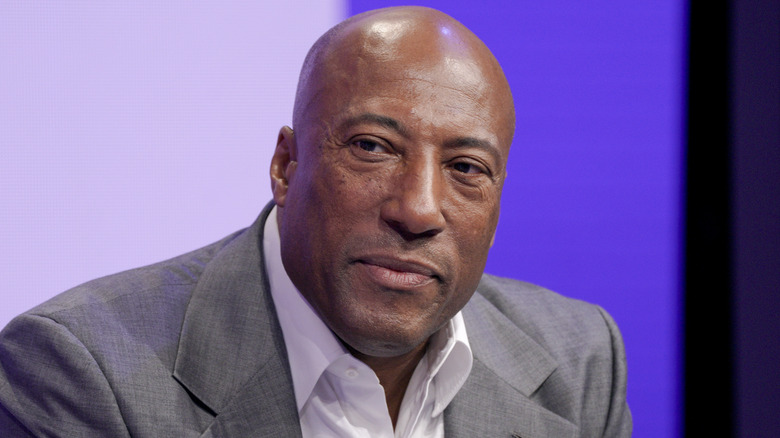
3. Byron Allen
Byron Allen took a different route from many names on this list. He began in performance, but his larger success came from the business side of media. Through television production, syndication, and station ownership, Allen transformed from entertainer into one of the most powerful media operators in the country.
His rise shows that entertainment wealth does not always come from starring roles. It can come from distribution, licensing, and scale. That distinction makes Allen especially significant in any conversation about long-term financial power in entertainment.
4. Samuel L. Jackson
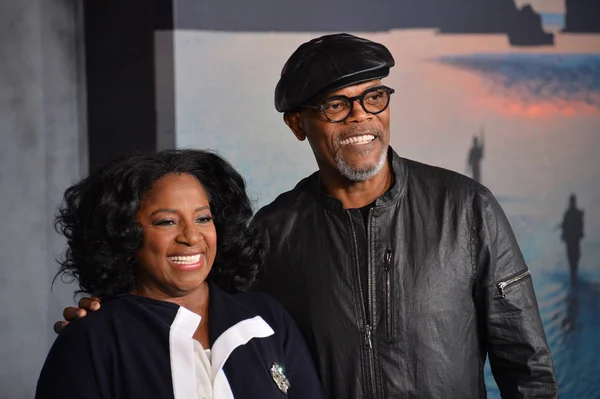
Samuel L. Jackson combines longevity with extraordinary commercial reach. He has appeared in more than 100 films, and his presence across Marvel, Star Wars, and major studio projects has made him a defining blockbuster figure for decades. According to $14.6 billion in career box office grosses, he sits at the top tier of global theatrical earners. His wealth story is not based on one era. It spans prestige films, action franchises, voice work, and a constant screen presence that few actors in any category have matched.

5. Denzel Washington
Denzel Washington represents a different kind of financial strength: fewer gimmicks, more sustained star power. For decades, he has remained one of the rare actors whose name alone can anchor both serious drama and commercial releases. His career includes Academy Award-winning performances, high-profile action films, and directing work that extends his control behind the camera. He also holds a historic place in the industry. He became the second Black man to win Best Actor at the Academy Awards, reinforcing a career defined by both prestige and commercial reliability.
6. Will Smith
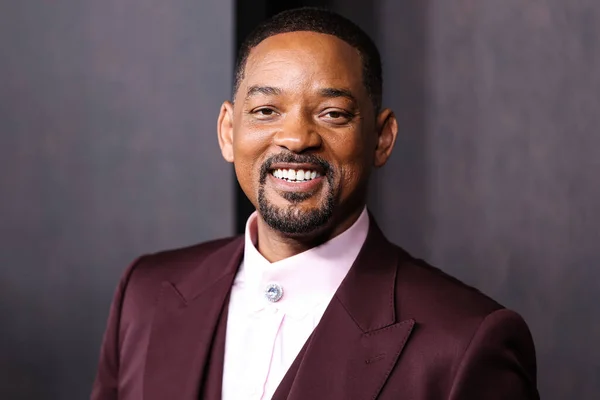
Will Smith built one of the strongest crossover careers in entertainment by moving from music to television to blockbuster film stardom. The Fresh Prince of Bel-Air made him a household name, but films such as Independence Day, Men in Black, and Bad Boys turned him into a global draw. For years, his box-office consistency made him one of the safest bets in Hollywood.
Forbes once described him as “the most bankable star worldwide”, and that reputation helped fuel producing opportunities and broader business growth. Even as the industry changed, his name retained unusual weight across multiple audiences.
7. Eddie Murphy
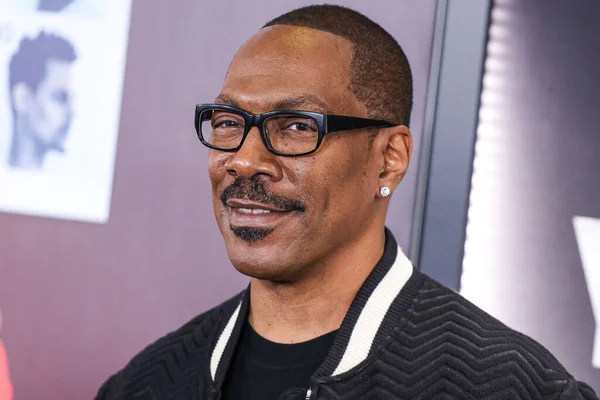
Eddie Murphy’s fortune rests on a career that reshaped comedy and family entertainment at the same time. His early run in films such as Beverly Hills Cop and Coming to America made him a defining movie star, while later work in Shrek, The Nutty Professor, and streaming-era returns kept his catalog commercially valuable.
Before superhero franchises dominated theaters, Murphy had already shown what blockbuster charisma could look like. His voice work, sequels, and renewed production deals gave his earnings unusual durability across generations.
8. Whoopi Goldberg
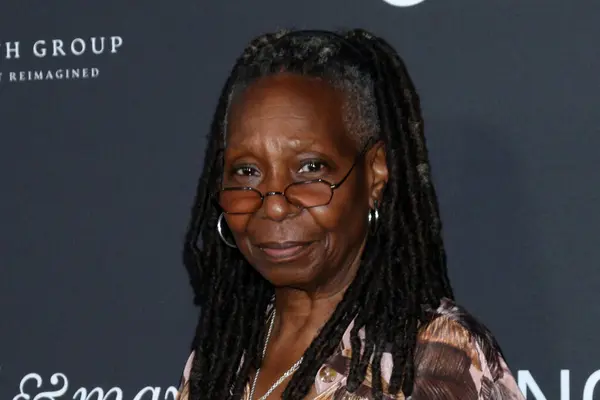
Whoopi Goldberg’s wealth reflects one of the broadest career spreads in entertainment. She has film credibility, daytime television visibility, stage recognition, and long-running cultural relevance. Her performances in The Color Purple, Ghost, and Sister Act remain central to her legacy, while television has provided another durable income stream. Her awards history also places her in rare company. EGOT status is a marker of unusual range, and that range has supported one of the longest-lasting careers on this list.

9. Halle Berry
Halle Berry’s financial profile combines historic prestige with mainstream star power. She moved between action, drama, thrillers, and franchise roles in a way that kept her visible across several Hollywood cycles. X-Men, Bond-era blockbuster exposure, directing work, and endorsement partnerships all contributed to her staying power. Her place in film history remains central to her influence. She remains the first and only Black actress to win Best Actress at the Oscars, making her both a commercial and symbolic landmark in the industry.
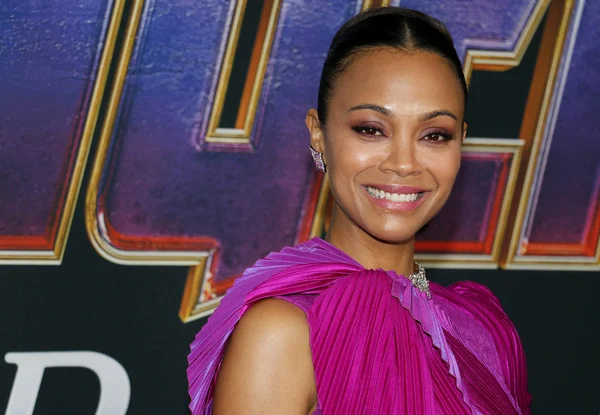
10. Zoe Saldaña
Zoe Saldaña represents the franchise era at its most powerful. Her roles in Avatar, Guardians of the Galaxy, and Star Trek place her inside some of the biggest theatrical brands ever built. That scale has made her one of the most commercially successful actresses in modern film.
Her career box-office total has surpassed $14 billion, putting her among the highest-grossing performers in the world. She also stands out because her wealth is tied to repeated participation in global mega-franchises rather than one breakout hit.
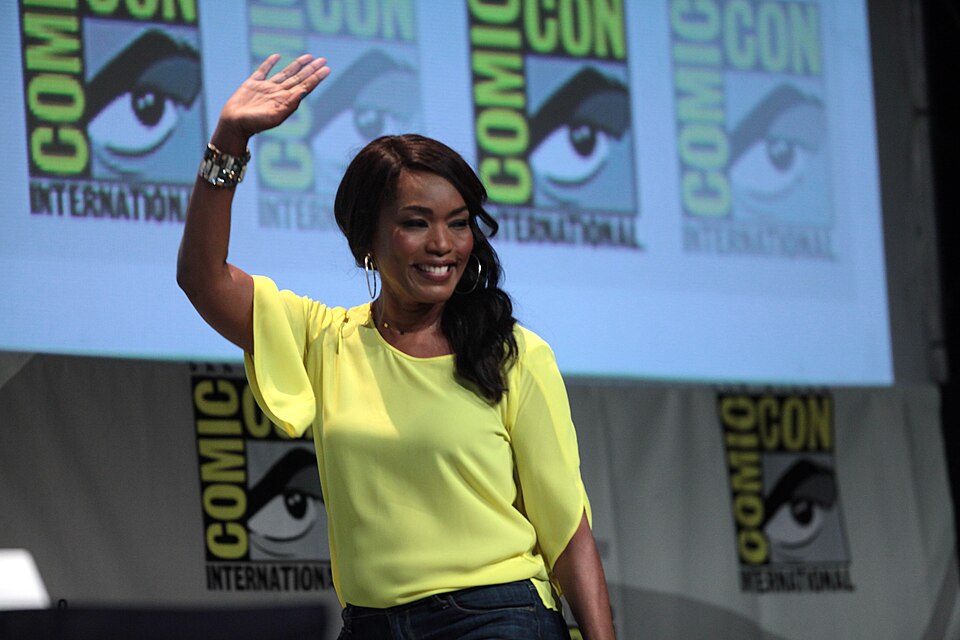
11. Angela Bassett
Angela Bassett’s career shows how prestige, television leverage, and franchise work can combine into major earnings. She became an icon through biographical and dramatic roles, then sustained that position through television success and blockbuster visibility in Black Panther.
Her television work has had direct financial impact. She became the highest-paid Black actress in TV history at one point, earning $450,000 per episode on 9-1-1. That kind of salary illustrates how established actors can build wealth through consistent series work, not just film.
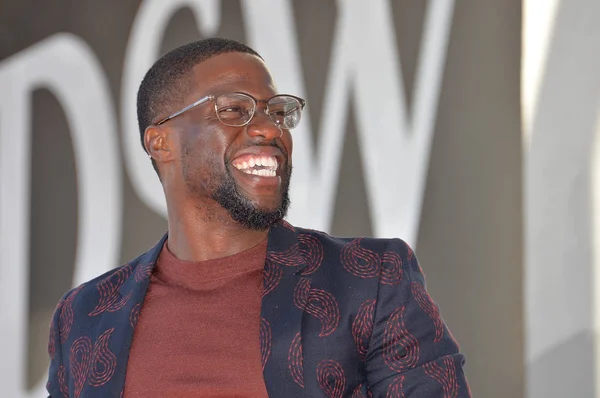
12. Kevin Hart
Kevin Hart built his empire differently from almost everyone here. Acting matters, but stand-up, touring, hosting, production, and branded business ventures all feed the bigger picture. His film career includes major commercial comedies and family franchises, but his strength lies in operating as a multiplatform brand.
That strategy fits the modern entertainment economy. Streaming, live performance, digital media, and ownership now matter as much as movie salaries. Hart’s rise captures that shift clearly.
What links these careers is not a single path to wealth. Some stars built fortunes through awards and longevity, others through franchises, and others by owning the companies behind the content.
The bigger pattern is clear: Black entertainment wealth is no longer defined only by salary. It is increasingly shaped by ownership, scale, residual structures, and creative control. In today’s industry, the most durable fortunes belong to the performers who became brands, producers, and power centers as well as stars.