
One breakout performance can look like a golden ticket. In practice, it often becomes a label that follows an actress for years, shaping which scripts arrive, which doors stay shut, and how the public remembers a career long after the moment itself has passed.
For some of these actresses, the slowdown came from typecasting. For others, it came from stepping away on purpose, choosing family, writing, advocacy, or another creative life over the machinery of Hollywood. The common thread is simpler than celebrity mythology allows: one famous role does not guarantee a straight path afterward.
1. Alicia Silverstone
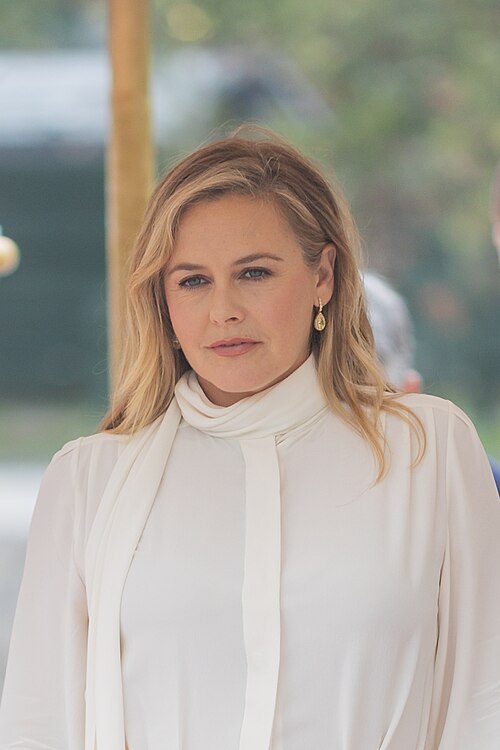
“Clueless” turned Alicia Silverstone into the face of a generation almost overnight, giving teen comedy one of its most durable icons in Cher Horowitz. The challenge came afterward, when follow-up studio vehicles drew attention without reproducing the same cultural electricity. She kept working across film, television, stage, and producing, but the early peak became the benchmark against which nearly everything else was measured. That contrast says less about a lack of work than about how rare it is for any actor to land a role that defines an era.
2. Linda Blair
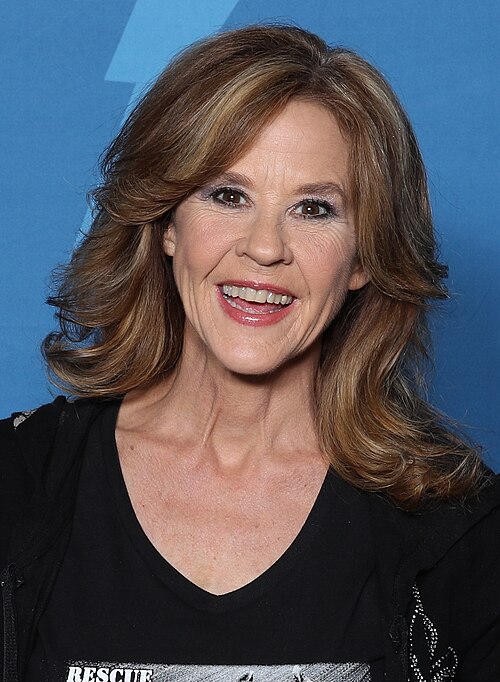
Linda Blair’s performance in “The Exorcist” placed her at the center of a horror landmark and earned an Academy Award nomination while she was still very young. The role’s impact was so overwhelming that later casting often circled back to horror and thriller material, narrowing the lane rather than widening it. She continued acting steadily, but the industry’s imagination around her stayed closely tied to the film that made her famous. Outside acting, she became deeply associated with animal rescue and advocacy, building a public identity beyond the screen.
3. Jennifer Grey
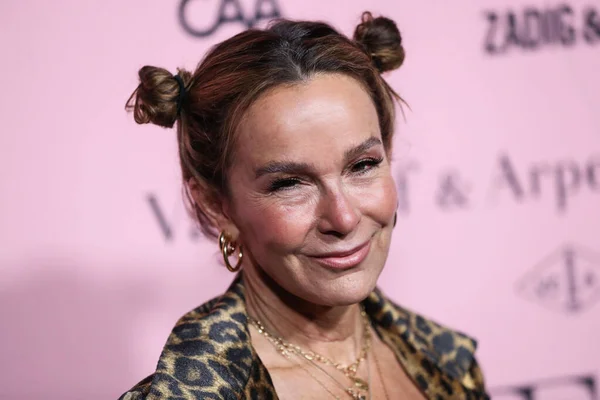
There are few screen breakthroughs as immediate as “Dirty Dancing.” Jennifer Grey became inseparable from the film’s romantic force, and that level of recognition can be both a gift and a trap. In the years that followed, her career moved through television, film, and later reality appearances rather than a continuous run of headline roles. Public fascination never fully disappeared, but it often remained fixed on the role that first made her famous, a pattern familiar to performers whose signature hit becomes larger than the rest of their filmography.
4. Heather Donahue
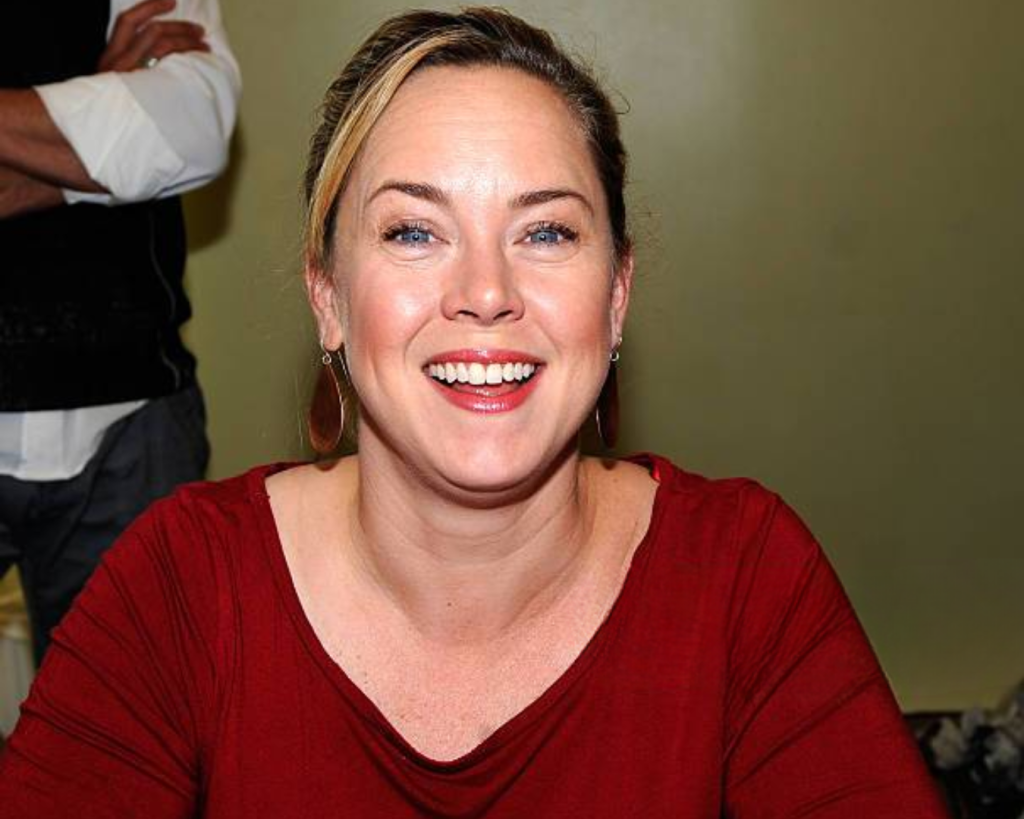
Heather Donahue did not merely star in “The Blair Witch Project”; she became part of one of the most unusual fame cycles in modern horror. The film’s marketing campaign that blurred fiction and reality helped make her instantly recognizable, but it did not convert into a long mainstream acting run. She appeared in later projects, then moved away from Hollywood and into writing. Her case remains one of the clearest examples of how a cultural phenomenon can overwhelm the career it launches.

5. Mischa Barton
Mischa Barton arrived as a defining face of early-2000s teen television through “The O.C.,” and that kind of visibility tends to harden quickly into type. After leaving the series, she worked across independent films, international productions, fashion, and stage, while several television returns failed to gain lasting traction. The result was not disappearance but fragmentation: a career that continued, just without the singular spotlight that the show had delivered.
6. Leelee Sobieski
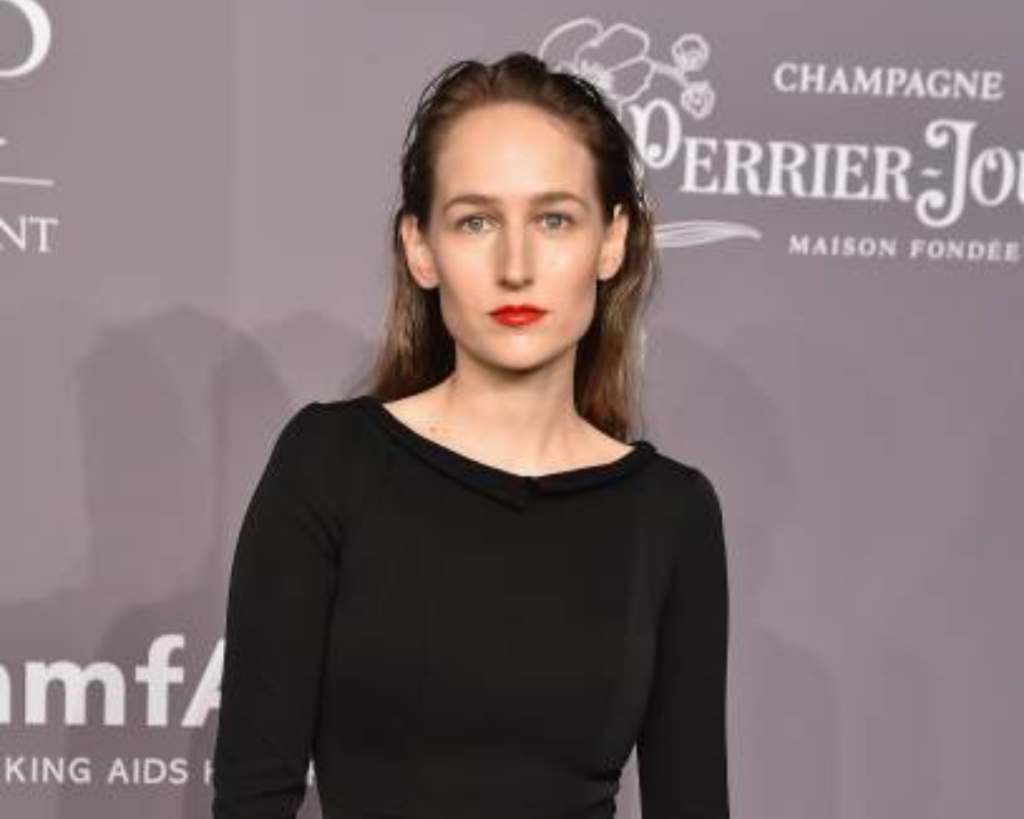
Leelee Sobieski’s early rise felt unusually serious and adult. Performances in films such as “Eyes Wide Shut” and “Joan of Arc” positioned her as a young actress with prestige momentum, and she was often described as a major talent to watch. Instead of extending that trajectory indefinitely, she gradually reduced her screen work and eventually stepped away, redirecting her creative life toward visual art. Her story stands apart because the diminished screen profile was tied not only to industry momentum but also to a deliberate personal shift.

7. Megan Fox
“Transformers” made Megan Fox globally famous on a blockbuster scale that very few actors ever experience. Yet blockbuster fame can compress a performer into a single image, especially when public scrutiny becomes part of the package. She continued to work in action, thrillers, comedy, and television, but her post-breakout career often unfolded under the weight of the franchise that launched her. The gap between visibility and stability became part of the story itself.
8. Thora Birch
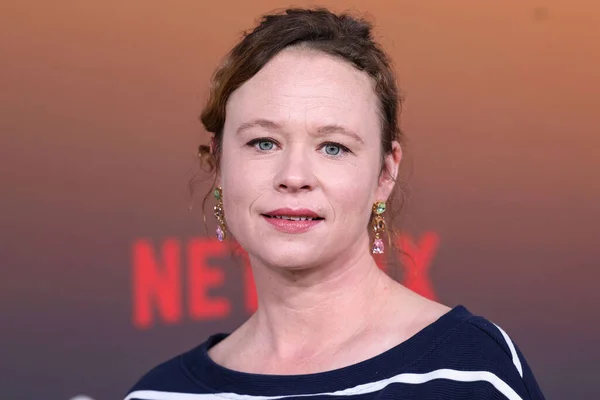
Thora Birch emerged from “American Beauty” with major acclaim and the sense that a long awards-adjacent run might follow. Instead, her later work often landed in independent films and projects with uneven release patterns, making the career look quieter than it actually was. She remained active, and later television and stage work added steadier visibility, but the mainstream momentum never moved in a straight line. Her path illustrates how industry attention can cool even when the performer’s work does not.
9. Mia Sara
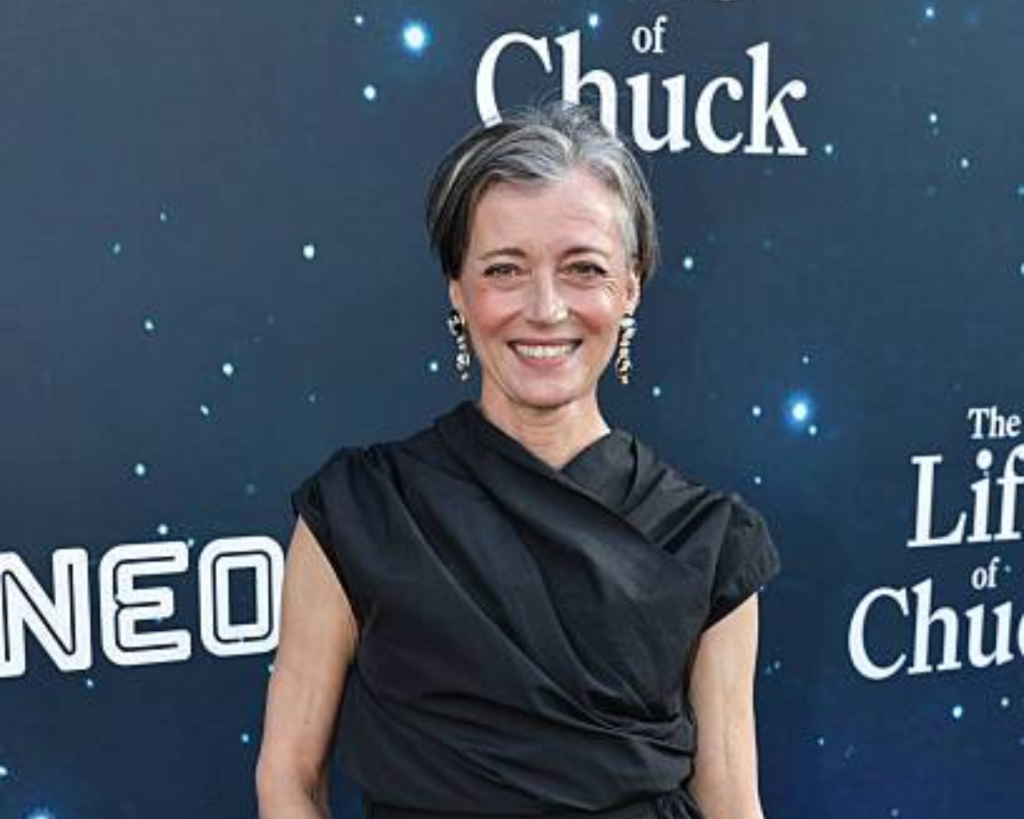
Mia Sara’s turn in “Ferris Bueller’s Day Off” gave her one of the most recognizable roles in 1980s studio comedy. She worked afterward in both film and television, yet few later projects reached the same audience or left the same pop-cultural imprint. Over time, family life and writing took up more of her attention, and her screen presence became more selective. Sometimes the issue is not a vanished career but a famous role that never stops overshadowing the rest.

10. Rachael Leigh Cook
“She’s All That” fixed Rachael Leigh Cook in the late-1990s imagination as a theatrical leading lady, but the next phase of her career unfolded on a different scale. Independent projects, voice acting, producing, and television movies kept her working consistently, even if they did not command the same mainstream attention as that first major hit. Her trajectory is a reminder that career durability and headline dominance are not the same thing.
The careers attached to breakout roles rarely collapse for one reason. Typecasting, studio tastes, life changes, uneven projects, and the sheer randomness of timing all play a part. What remains constant is the power of the first impression. For these actresses, one role opened every eye in the room and then made it much harder for Hollywood to see anything else.