
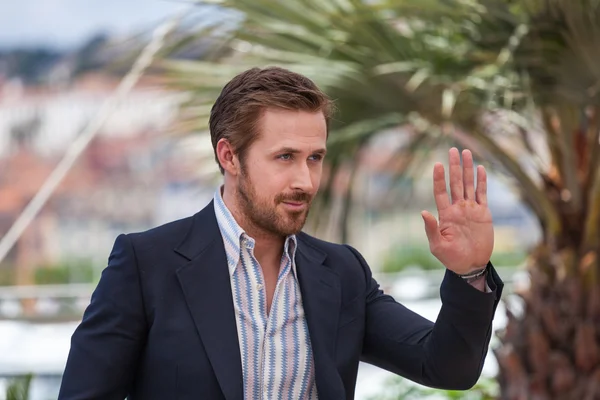
Celebrity faith stories tend to get flattened into one label, but Mormon backgrounds often show up in far more complicated ways. For some stars, the Church of Jesus Christ of Latter-day Saints was a childhood structure that stayed with them long after belief changed. For others, it remained central to public life, creative choices, and family identity. This list looks at well-known names whose connections to Mormonism are easy to miss, then harder to forget once the details come into view.
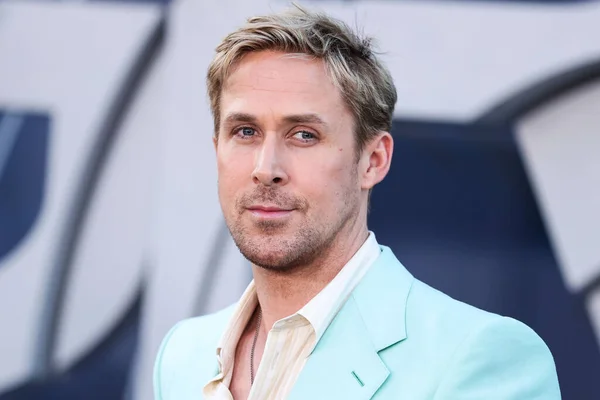
1. Ryan Gosling
Ryan Gosling grew up in a devout Mormon household in Ontario, and he later made clear that the faith fit his parents more than it fit him. In a past interview, he said, “I wasn’t really Mormon, my parents were,” before explaining that his mother encouraged him to find his own path. Even so, he also credited church life with building social confidence, saying public prayer, singing, and speaking in front of people stayed with him. That tension makes his background stand out: distance from the theology, but a lasting imprint from the discipline and performance culture around it.
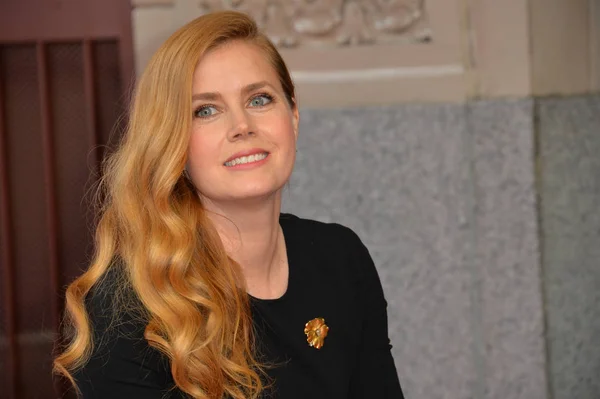
2. Amy Adams
Amy Adams has described Mormonism as something that shaped her values more than her adult beliefs. Raised in the LDS church after her family moved from Italy to Colorado, she later said religious guilt lingered even after practice faded. In one interview, Adams said, “I’m afraid I will always feel the weight of a lie,” while reflecting on how strict rules affected her sense of right and wrong. Her comments gave a more personal dimension to a celebrity upbringing that might otherwise read like a simple biographical footnote.
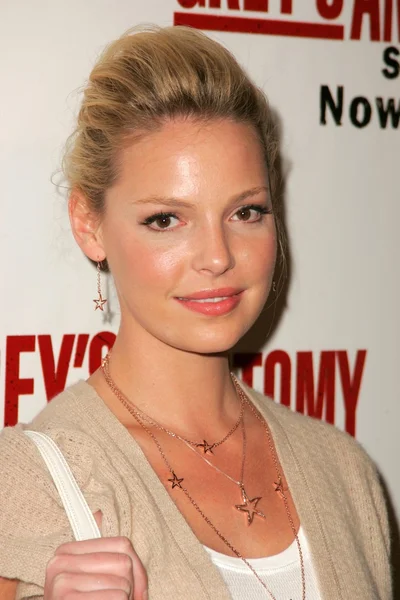
3. Katherine Heigl
Katherine Heigl’s family converted after the death of her brother Jason, a tragedy she later said pushed her parents to search for answers. She credited the church with helping hold the family together during that period, even though she no longer practices. Heigl also said some of that upbringing carried into adulthood and even influenced how she approached marriage, explaining that she did not want to live with Josh Kelley before they wed. Her story is less about celebrity shock value than about how a faith community can remain part of a person’s emotional history after belief changes.
4. Paul Walker
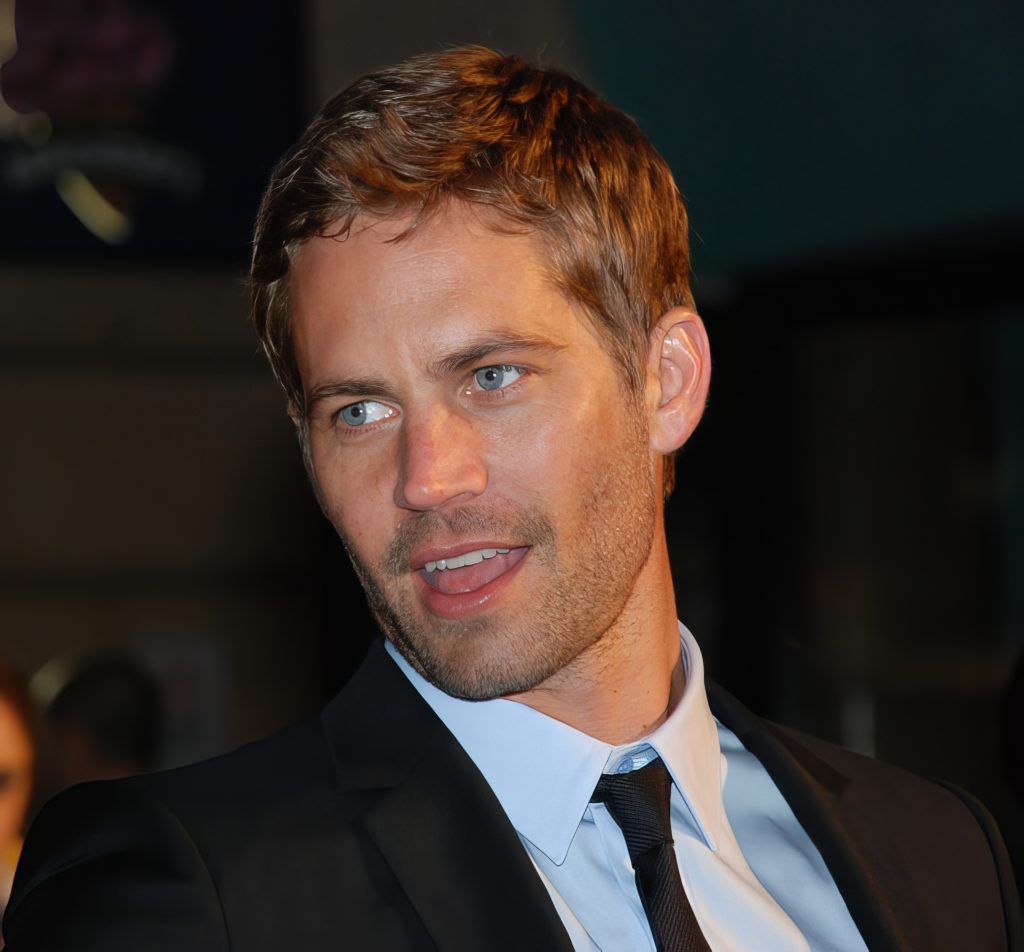
Paul Walker was raised in a traditional Mormon family in California, and he spoke openly about how that background shaped his ideas about parenting and sacrifice. After leaving the church, he described the shift in his adult life as both difficult and liberating. In a quoted reflection, Walker said thinking beyond the family model he grew up with was “tough, but also very freeing.” That comment gave a rare glimpse into how religious expectations can continue to frame decisions long after someone stops identifying with the faith.
5. Julianne and Derek Hough
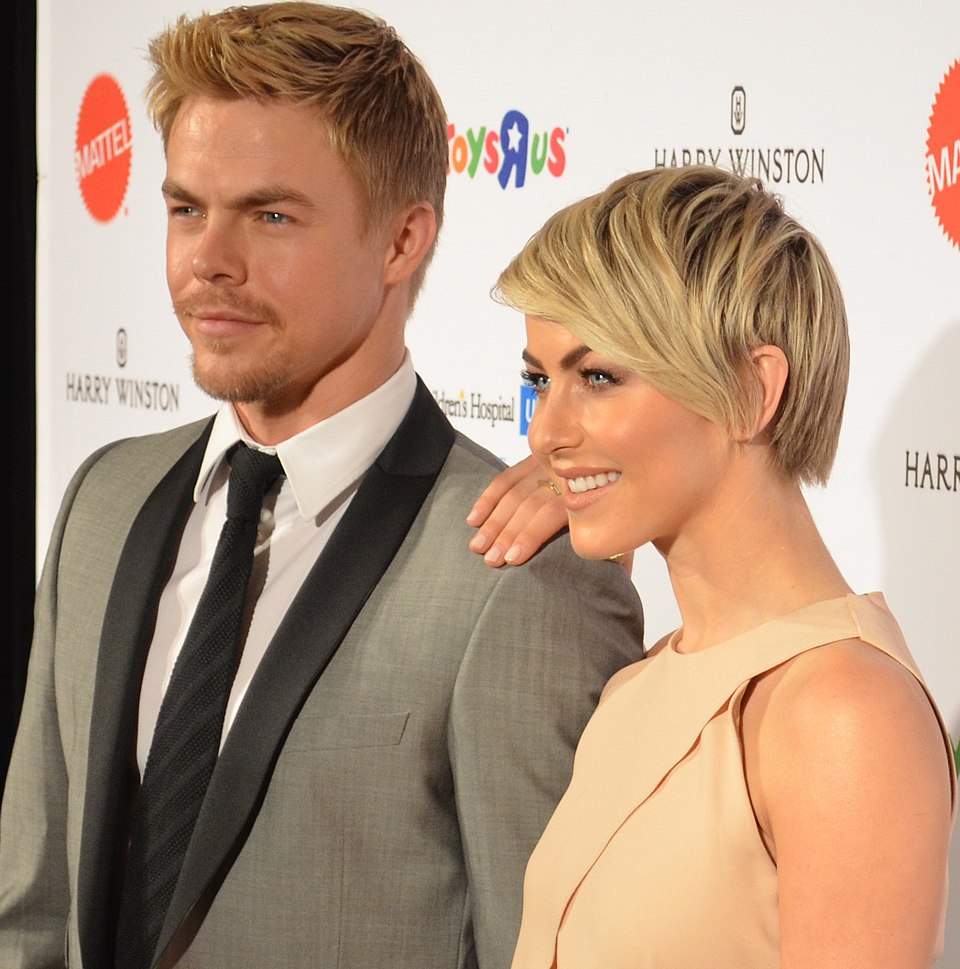
The Hough siblings grew up in what Derek once described as a “very Mormon” home, and Julianne later listed the rules with unusual clarity: no physical relationships before marriage, no drinking, no caffeine, no smoking, no swear words, and no R-rated movies. Both eventually stepped away from active membership, but Julianne also said she was glad she had been raised that way. Their story lands because it connects a polished entertainment image with an intensely structured childhood that many fans would never guess from the dance floor and red carpet.
6. Dan Reynolds
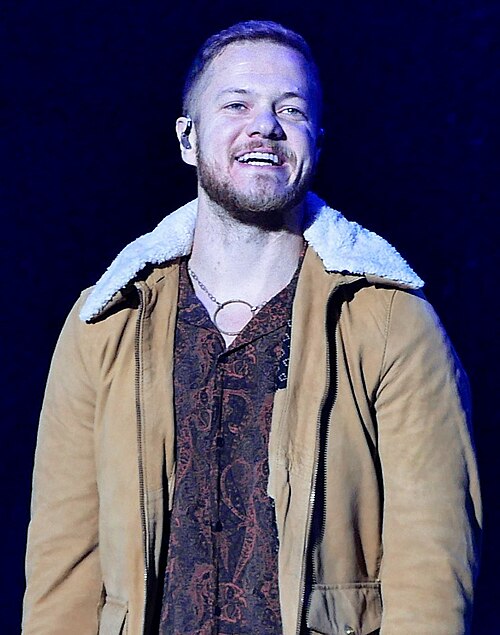
Dan Reynolds is one of the clearest examples of a celebrity whose Mormon background remained part of his public voice even as his relationship with the church grew more complicated. He served a full-time mission in Nebraska, attended BYU, and later became outspoken about LGBTQ+ issues affecting young people in religious spaces. His advocacy extended into the complex relationship with the church that fans now associate with him as much as Imagine Dragons’ arena-sized success. The contrast is striking: missionary service, rock stardom, and public activism all in one biography.
7. Brandon Flowers
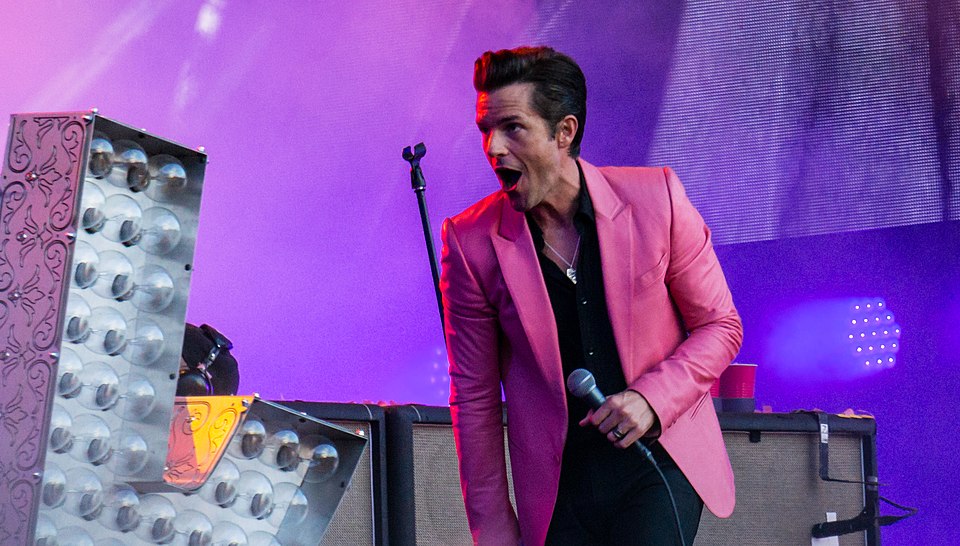
Unlike many celebrities on this list, Brandon Flowers has remained open about continued LDS belief. The Killers frontman has discussed faith in interviews and has been noted for weaving spiritual themes into his lyrics. His career also stands as a reminder that active church membership and mainstream rock success have not always been mutually exclusive. The band’s commercial reach, including top-charting albums by The Killers, only made that contrast more visible.
8. Lindsey Stirling
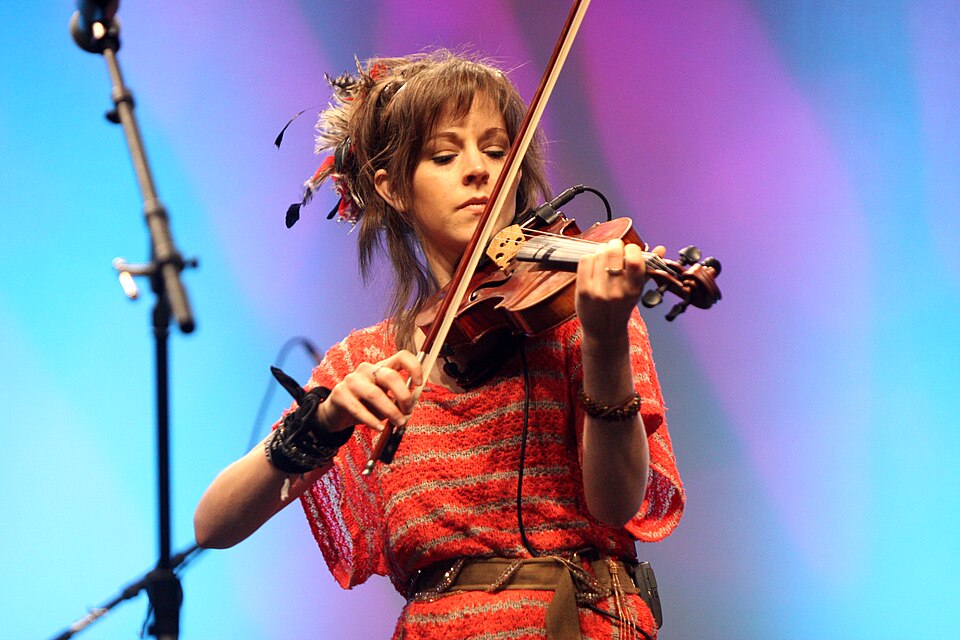
Lindsey Stirling built a career that looks unconventional from every angle: violin, choreography, internet-scale fandom, and explicit discussion of faith. She has spoken about turning down opportunities that clashed with her standards, while continuing to practice Mormonism publicly. Her rise after reaching major Billboard charts gave her an unusual position in pop culture, one where religious identity was not hidden behind branding. In her case, faith did not simply belong to childhood; it stayed part of the career story.
9. Kaskade
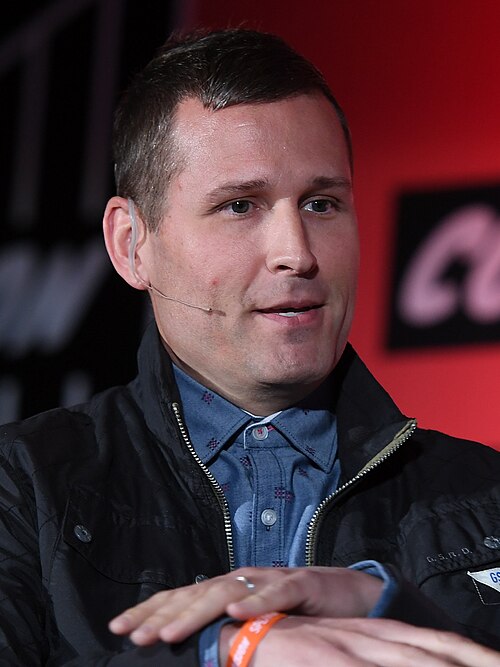
Kaskade may be one of the most unexpected names tied to Mormonism because his public image sits inside electronic dance music, a scene rarely associated with conservative religious discipline. Born Ryan Raddon, he served a mission in Japan and studied at BYU before becoming a Grammy-nominated producer. That contrast between nightclub culture and church commitment has long made him a standout example of how religious identity does not always map neatly onto a profession.
10. David Archuleta
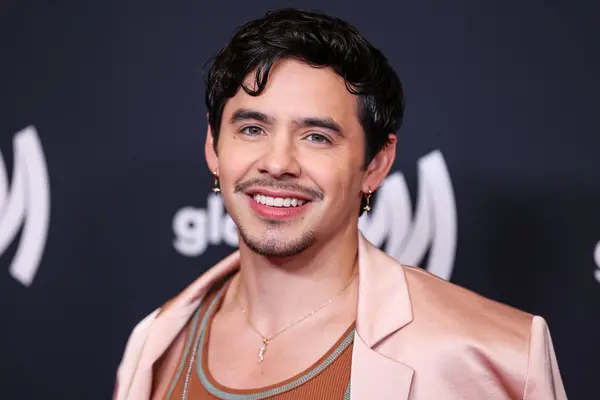
David Archuleta’s Mormon background was once inseparable from his public image. After finishing as the runner-up on American Idol, he put his music career on pause for a two-year mission in Chile, a decision that set him apart in mainstream pop. Later, after coming out as LGBTQ+, he spoke about the pain of trying to reconcile faith and identity, while also saying many individual church members had treated him with kindness. His story became one of the most visible modern examples of spiritual belonging, conflict, and redefinition.
11. Gladys Knight
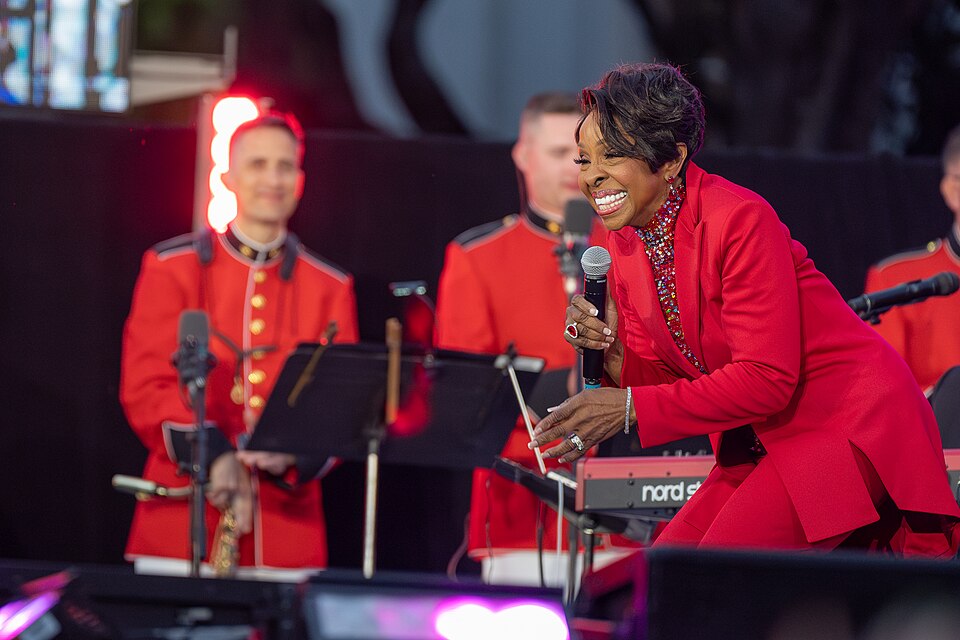
Gladys Knight did not grow up Mormon, which makes her inclusion notable for a different reason: she converted later in life and became deeply involved. Beyond joining the church, she led Saints Unified Voices, a multicultural choir that went on to earn a Grammy Award. For an artist already known as the “Empress of Soul,” that chapter added a second legacy built around worship music, service, and community leadership rather than only commercial fame.
12. Bryce Harper
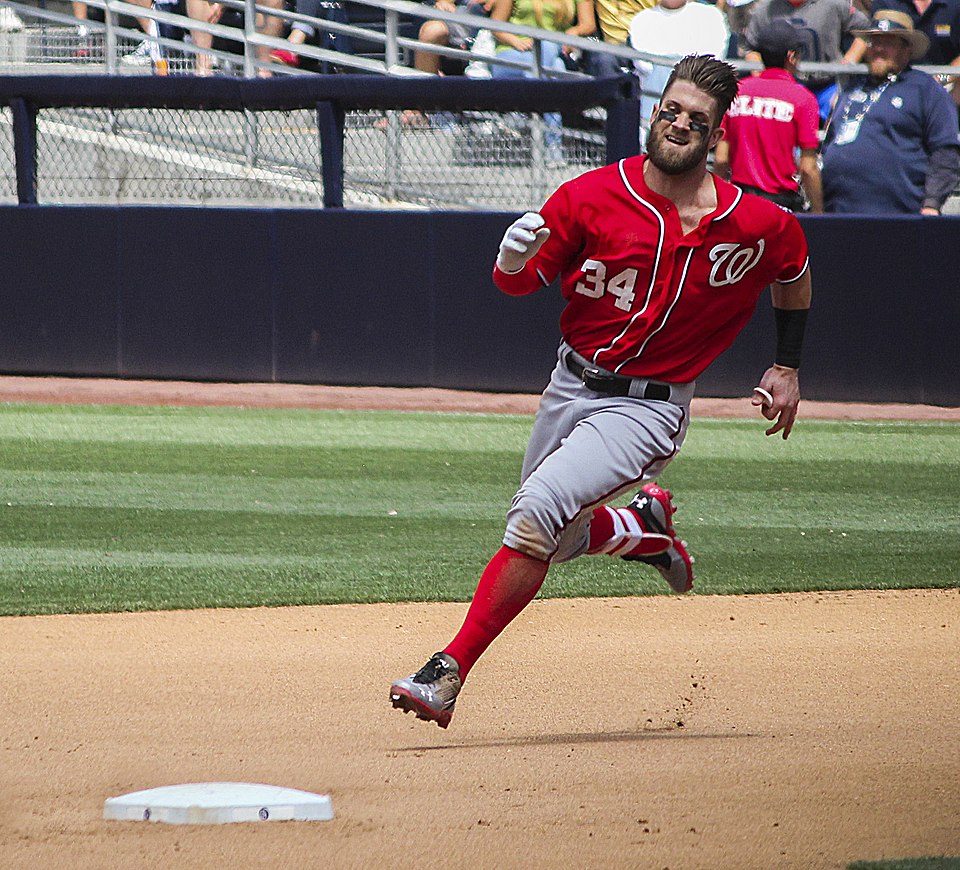
Bryce Harper’s LDS faith has appeared less in interviews about doctrine and more in the details of daily conduct. He has been noted for avoiding alcohol during clubhouse celebrations and for writing Luke 1:37 on his bats. In professional sports, where personal ritual often becomes public shorthand, those visible habits made his religious identity part of his larger persona without turning it into spectacle.
What makes these celebrity stories stick is not only the surprise factor. It is the way Mormonism appears as upbringing, discipline, family code, creative friction, public witness, or a belief system someone eventually left behind. For readers who only knew the fame, the religious backstory often explains the tension underneath it.


