
The Exodus has long lived at the border of memory, ritual, and history. What keeps the story alive in scholarly debate is not a single decisive artifact, but a cluster of clues that suggest the biblical tradition may preserve echoes of real conditions in ancient Egypt and the southern Levant.
Those clues do not settle every argument. They do, however, shift the discussion away from a simple choice between literal proof and total invention, and toward a more textured question: what kinds of historical memories may be embedded in one of the ancient world’s most enduring stories?
1. Israel appears in Egyptian records earlier than many assume
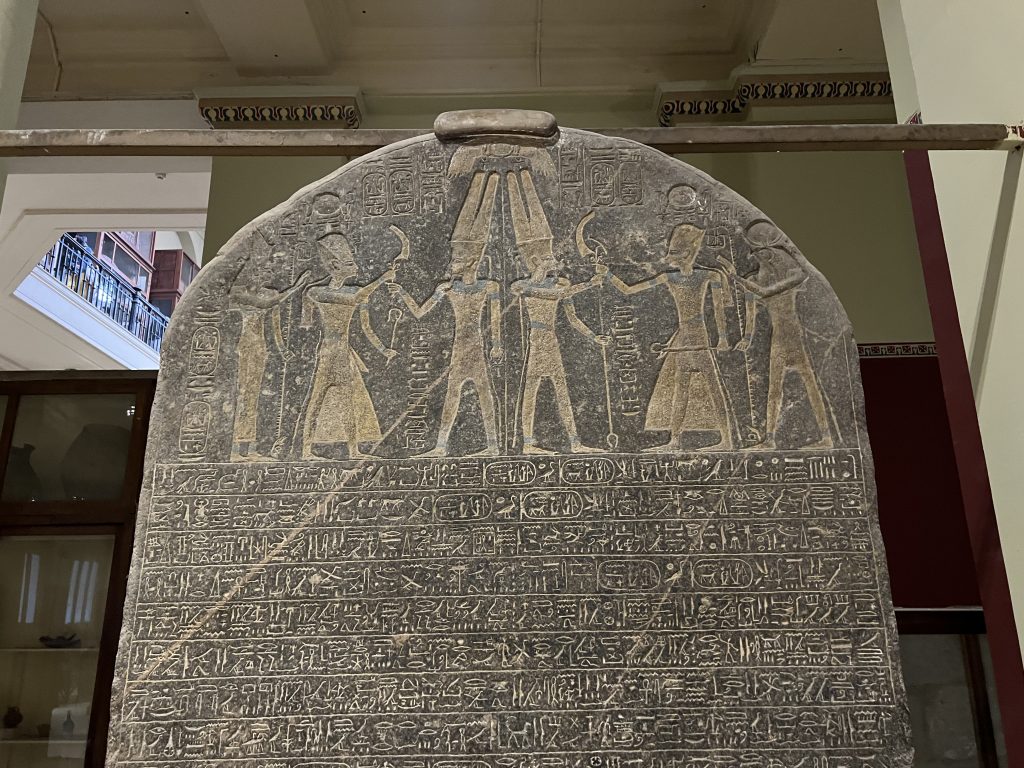
One of the firmest external reference points is the Merneptah Stele dated to c. 1219 B.C.E., which includes the earliest known extra-biblical mention of Israel. Its inscription distinguishes Israel as a people, not a city, an important detail in how Egypt understood the group. That does not describe an exodus directly. It does show that by the late 13th century B.C.E., a population known as Israel was already established in Canaan strongly enough to be named in royal Egyptian commemoration. For the Exodus story, that matters because it narrows the historical window in which an earlier departure from Egypt, migration, or social formation could have been remembered.

2. Biblical place names match a specific Egyptian era
Three names in the Exodus tradition have drawn particular attention: Ramses, Pithom, and Yam Suph. According to a summary of Egyptological work, these correspond to the Egyptian names Pi-Ramesse, Pi-Atum, and (Pa-)Tjuf, and appear together in texts of the Ramesside Period. This is one of the more intriguing clues because names date memory. If later writers had been inventing a setting at a great historical distance, the preservation of a coherent cluster of older Egyptian toponyms would be harder to explain. It does not confirm every episode in Exodus, but it suggests that the tradition retained geographic memories anchored in the 13th to 11th centuries B.C.E.
3. A worker’s house in Thebes resembles early Israelite domestic design
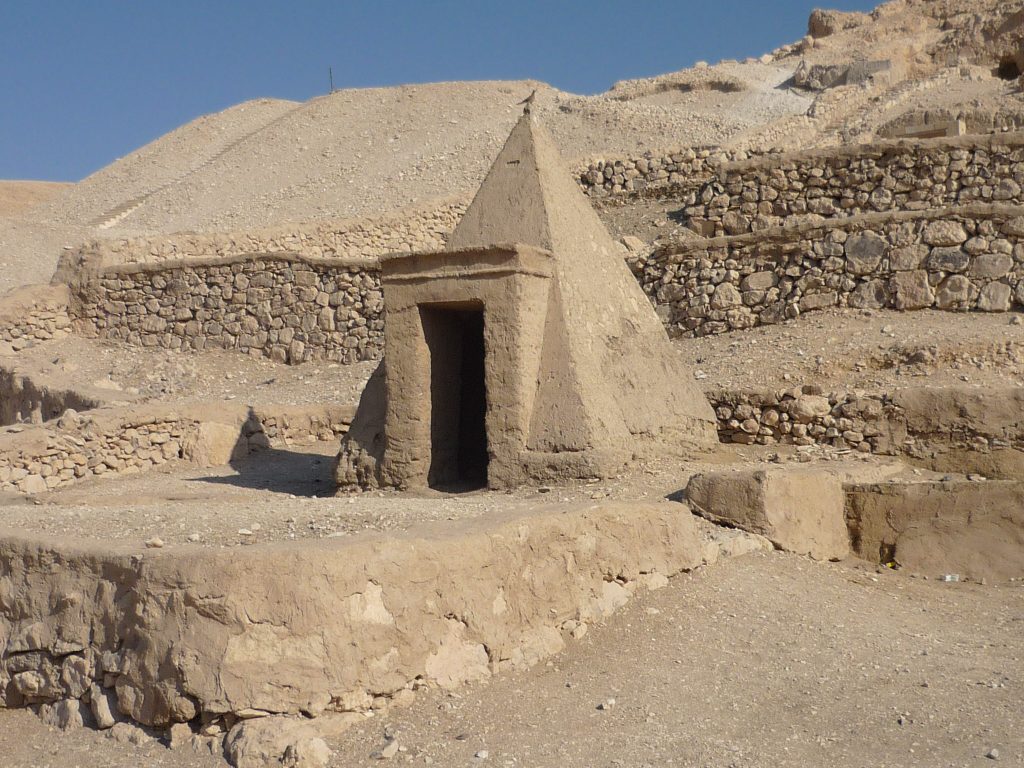
Excavations in western Thebes uncovered a worker’s house from the period after the temple of Aya and Horemheb was dismantled. Its layout resembles the so-called four-room house often associated with early Israelite settlement patterns in the Iron Age. The structure in Egypt was not built of the same materials as examples in Canaan, and no single house can establish ethnic identity on its own. Still, the resemblance is striking enough to have prompted discussion about whether the builders belonged to a group closely related to early Israelites. The clue is modest, but it opens a window onto shared building habits moving between Egypt and the Levant.
4. Egyptian texts preserve signs of long-term Semitic presence in the delta
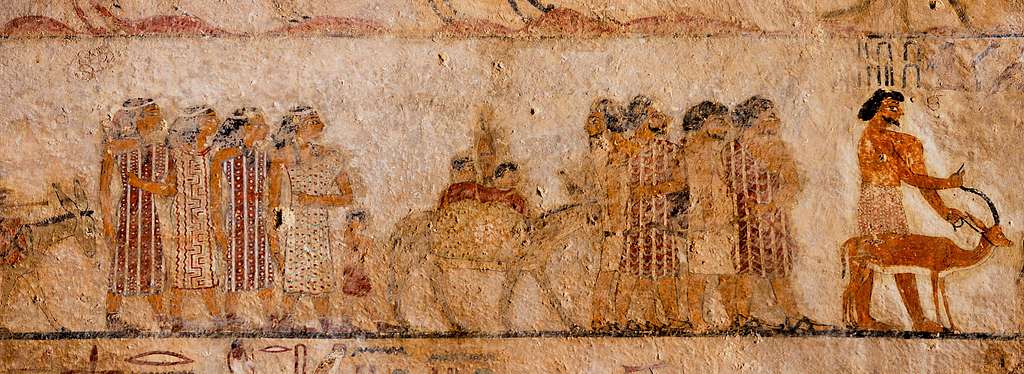
The Onomasticon Amenope includes a Semitic place name tied to the Lakes of Pithom. That detail matters because place names often outlast political change, and they usually reflect the language of communities that lived in a region long enough to leave a mark. In this case, the use of a Semitic name inside an Egyptian text suggests that Semitic-speaking populations were not fleeting visitors. They were part of the landscape. For the Exodus tradition, this helps reframe Egypt not as a backdrop entered only for a miracle story, but as a place where Levantine groups may have lived, worked, and transmitted memories over generations.
5. The Great Harris Papyrus remembers upheaval involving a Levantine outsider
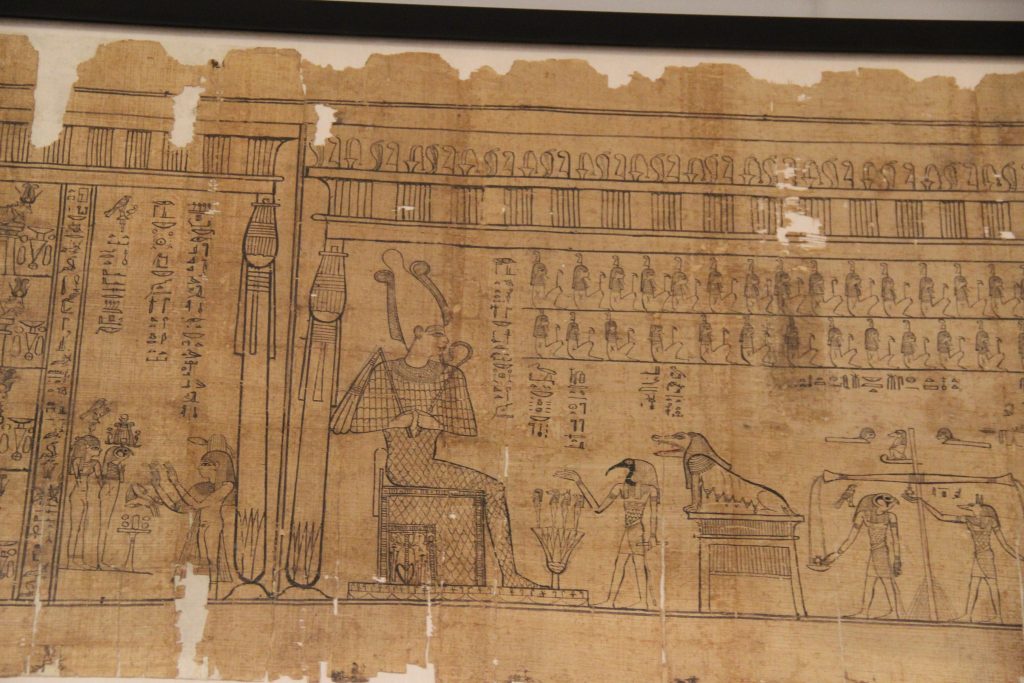
The Great Harris Papyrus, a document roughly 42 meters long in its original form, is one of the major Egyptian texts from the early 20th Dynasty. It is not a neutral chronicle; even the British Museum notes that its historical section is idealized. Yet its value lies in what it preserves about Egyptian anxieties and political memory. Related interpretations of this period point to Egyptian accounts of disorder, interrupted temple offerings, and a Levantine figure rising amid instability. One translation of Papyrus Harris I describes a time when “They treated the gods like the people, and no offerings were presented in the temples.” That language does not tell the Exodus story, but it does preserve a memory of internal crisis involving foreigners, religious rupture, and expulsion. In that sense, it reframes Exodus as a story that may have grown from remembered conflict, not only from remembered labor.
6. Even the biblical text contains a more complex social picture than simple slavery alone
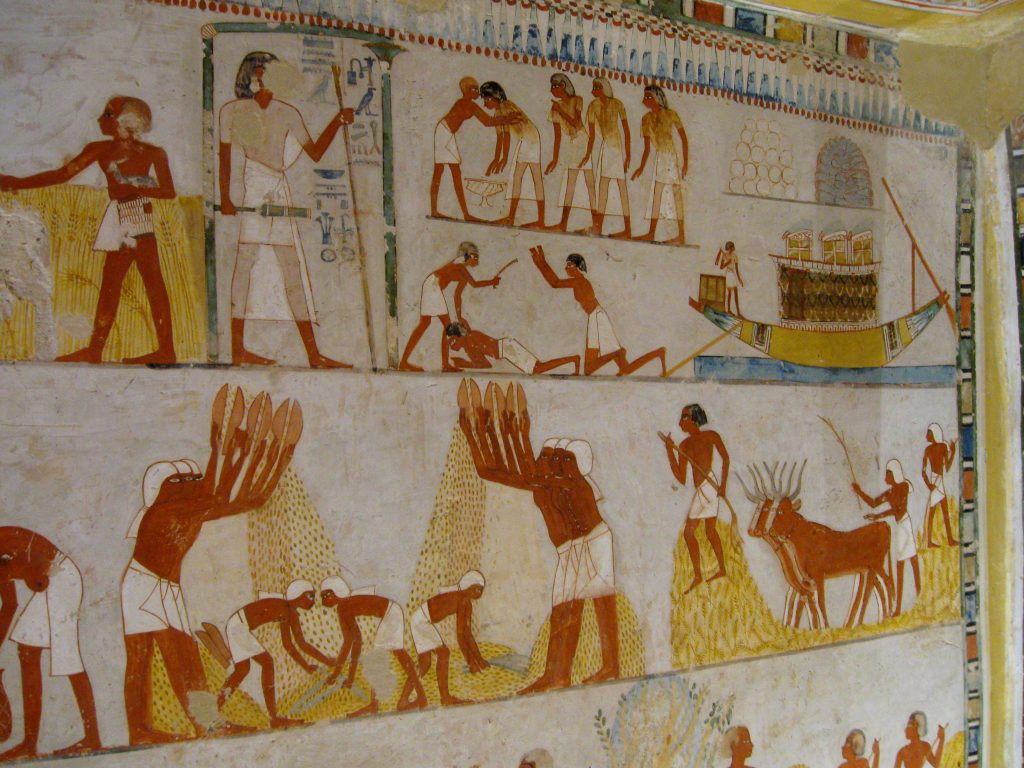
Several passages in Exodus portray the departing Israelites with silver, gold, livestock, arms, and companions beyond a single kin group. One scholarly reading argues that these details create a picture not only of oppressed laborers, but of a population entangled in wider social and political tensions inside Egypt.

This does not erase the theme of bondage. It complicates it. The text itself preserves hints of fear among Egyptians, the prominence of Moses in the land, and conflict involving divine authority and sacred animals. Seen together, those details make the Exodus tradition feel less like a flat liberation tale and more like a compressed memory of social upheaval.
7. The story may endure precisely because it remembers humiliation, not triumph
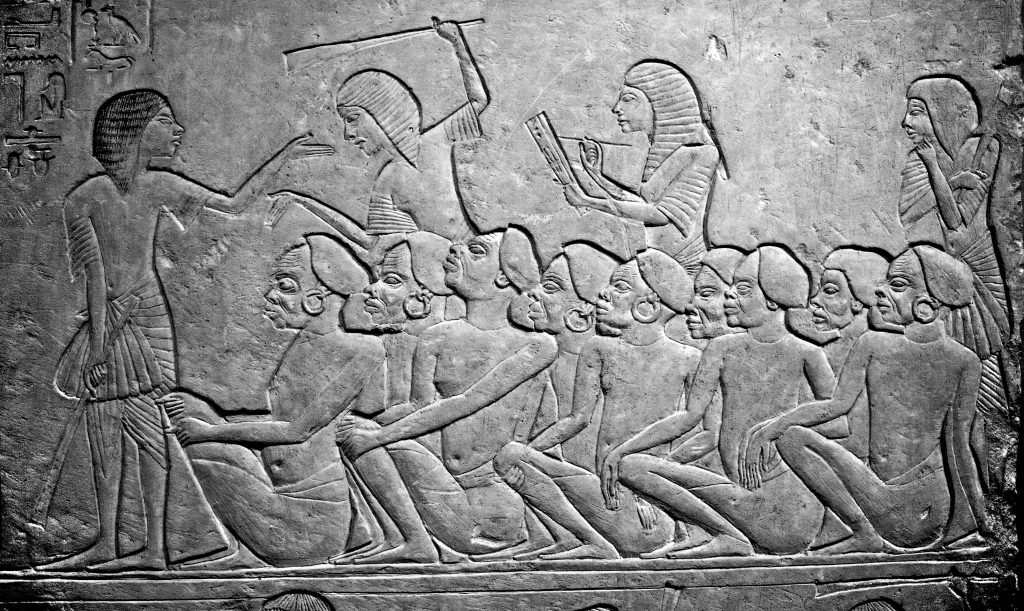
Among the most telling observations in the archaeological discussion is this line: “A history of being slaves is likely to bear elements of truth.” The reasoning is simple. Ancient peoples usually preserved stories of victory, legitimacy, and divine favor. A collective memory rooted in servitude runs against that pattern. That does not make every scene historical. It does suggest that the tradition may preserve a hard kernel of remembered dependence, foreignness, or forced labor that later generations transformed into theology, law, and identity. In that sense, the Exodus story may be durable not because it reads like propaganda, but because it does not.
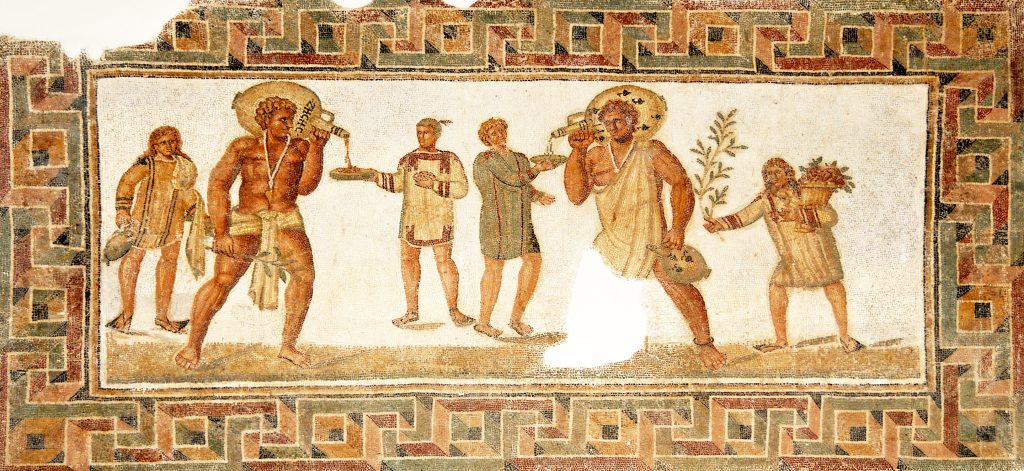
No artifact has ended the Exodus debate, and the evidence does not speak with one voice. Some clues are linguistic, some archaeological, and some embedded in texts written long after the events they may recall. Yet taken together, they reframe the question. Instead of asking whether archaeology has “proved” Exodus, these ancient traces invite a narrower and more historically grounded reading: that the biblical story may preserve fragments of real places, real populations, and real disruptions that were remembered, reshaped, and passed down across centuries.


