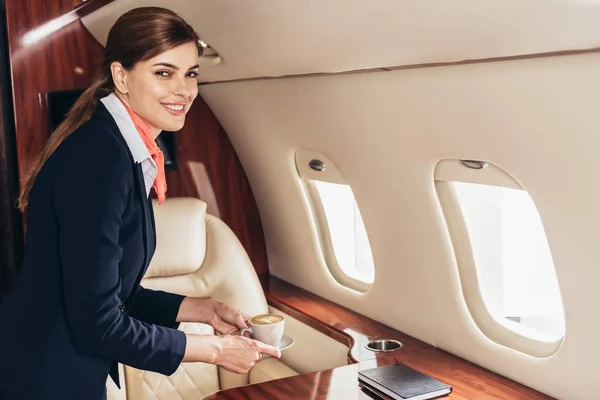
Good intentions do not always translate into good in-flight behavior. In a packed cabin, even small actions that seem efficient, friendly, or harmless can slow service, interrupt safety routines, and create extra work for the crew. Flight attendants are not only serving drinks and answering requests. As one former attendant put it, “We’re not just here to serve drinks we’re trained for medical issues and emergencies, too.” That is why some of the most common passenger “helpfulness” can become a problem at exactly the wrong moment.
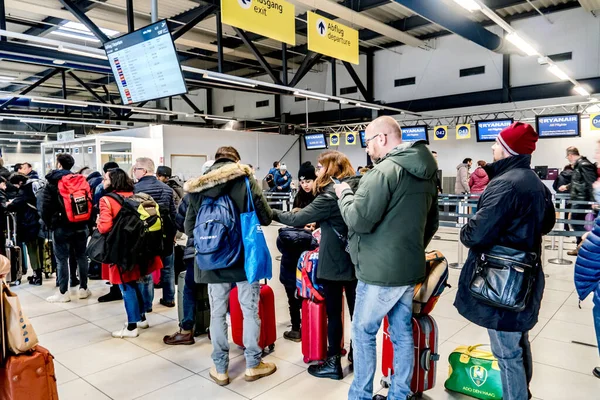
1. Stopping in the aisle to reorganize a carry-on
Many travelers think it is better to sort everything out immediately after reaching their row. In practice, that pause can hold up an entire boarding line. Cabin crew are working against the clock during boarding, and every stalled passenger creates a ripple effect behind them. Flight attendants regularly advise travelers to sit first, then settle in. One etiquette issue they repeatedly flag is stopping to unpack or reorganize bags in the aisle, which slows boarding for everyone else.
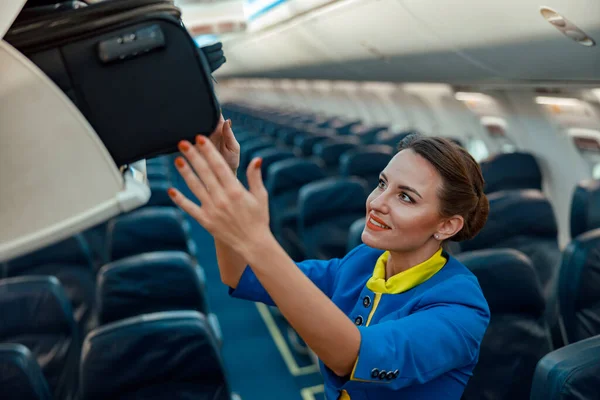
2. Putting a bag in the first open bin “to save time”
Dropping a suitcase into the nearest overhead space can feel efficient, especially when boarding is crowded. But bags placed far from their owners make the cabin harder to manage and often force crew to play a mid-boarding game of luggage Tetris. Overhead bins are shared space, not private storage above each seat. Crew members may need to move items, identify unclaimed bags, or find room for late boarders, and that becomes much harder when passengers scatter luggage throughout the aircraft. According to flight attendants, overhead space issues can even contribute to delayed departures because the door cannot close until bags are properly stowed.
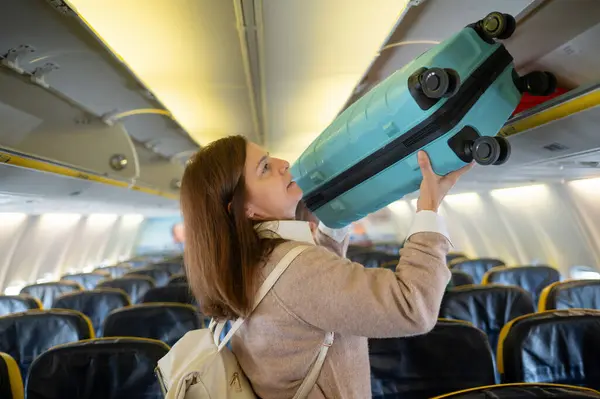
3. Asking crew to lift a heavy suitcase overhead
Some passengers see this as a routine courtesy request. For cabin crew, it can be a safety issue. Flight attendants may help guide, reposition, or suggest a better spot, but many are not supposed to hoist passengers’ bags because of injury risk. One crew member told Travel + Leisure, “we’re not allowed to lift bags for you due to safety policies.” That means a request meant as convenience can push crew into an awkward and physically risky situation.
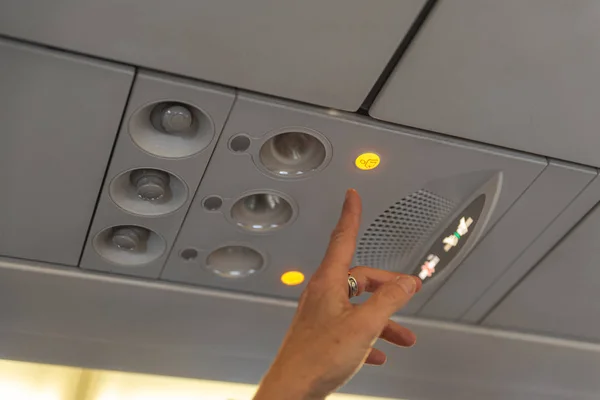
4. Pressing the call button for something that can wait
The call button looks like the fastest route to help, and sometimes it is. For medical issues, spills near electronics, or a faulty seat, it matters. For a passing craving or a minor preference during a busy service, it can pull attention away from more urgent duties. Cabin crew are trained not to assume why a bell was pressed because serious emergencies can begin with something that looks minor. That is why a cabin full of unnecessary alerts adds stress and distraction. During service, takeoff, landing, or turbulence, repeated non-urgent calls can quietly crowd out tasks that matter more.
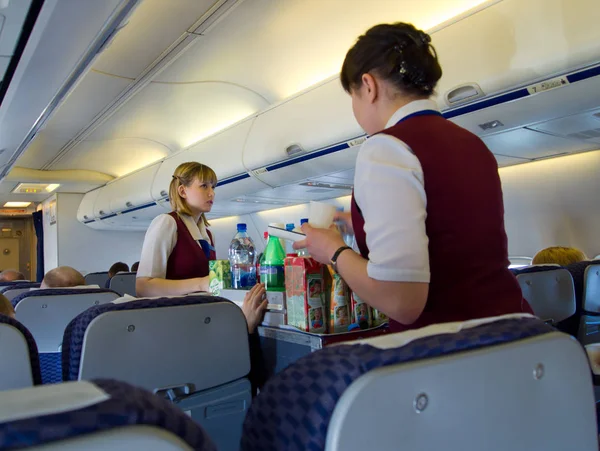
5. Getting up during beverage service and expecting an immediate path back
Passengers often try to be quick: step around the cart, use the lavatory, and return before anyone notices. The problem is that service carts are heavy, narrow-aisle obstacles, not movable side tables. Frequent flyers and crew alike point to one recurring issue: when someone heads to the lavatory during service, they may have to wait until the cart clears rather than expecting attendants to reverse course. One flight attendant described 200-pound carts being pulled back just to let a passenger squeeze through, turning a simple trip into unnecessary extra labor.
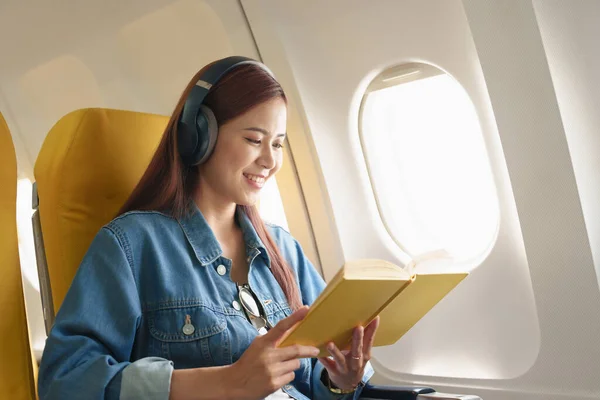
6. Keeping headphones in during service
Many passengers believe they are staying out of the way by remaining absorbed in a movie or playlist. From the crew’s perspective, it often means repeating the same question multiple times while the line behind the cart grows longer. Former flight attendant Ally Murphy said, “It’s incredibly frustrating when you have to repeat yourself three times to the one passenger who won’t take off their headphones.” A quick pause, eye contact, and a clear order can make service noticeably smoother for everyone in the row.
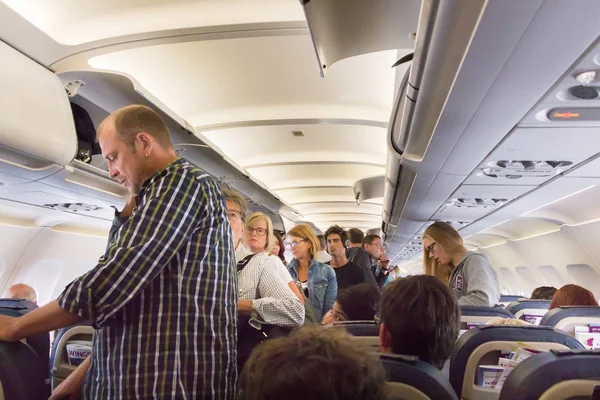
7. Standing up the second the seatbelt sign turns off
This move is often framed as being prepared. In reality, it tends to clog the aisle, complicate deplaning, and create more crowd control work for the crew. The smoother pattern is still the old one: rows generally leave front to back. Jumping into the aisle early rarely gets a passenger off much faster, but it can block others from retrieving bags and force attendants to manage congestion before the aircraft is even ready to empty.
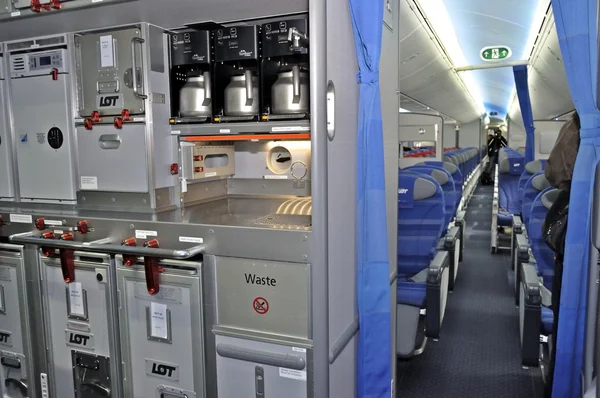
8. Treating the galley like an open-service station
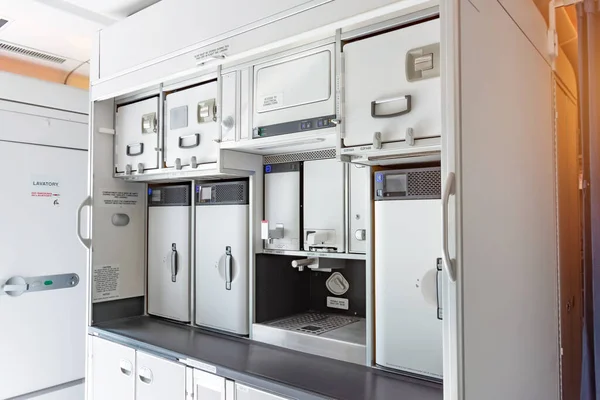
Walking to the back for water can be reasonable, especially after service has ended. What becomes disruptive is hovering in the galley, lingering for conversation, or approaching during busy moments because it seems more casual than using the call button. The galley is a work area where crew sort trash, prep carts, coordinate service, and handle operational tasks passengers rarely see. A request made at the wrong time may look minor, but in a cramped workspace it can interrupt a tightly timed routine.
Helpful passenger behavior usually means choosing the moment carefully, not simply choosing a different method. The pattern behind these habits is simple: many actions feel considerate from the seat, but look very different from the aisle. Cabin crew are managing safety, timing, storage, service, and passenger movement all at once. On a flight, the most useful form of help is usually the least dramatic one: stay aware, move efficiently, and avoid adding friction to a system already running in a very small space.