Celebrity conspiracy talk rarely stays in the realm of quirky internet chatter for long. Once a famous actor turns a fringe claim into a headline, the story can shift from entertainment gossip to something with public-health, workplace, or reputation consequences.
That tension helps explain why the topic keeps resurfacing. Research in the British Journal of Psychology found that conspiracy narratives are often experienced as more entertaining and emotionally intense than ordinary explanations, which helps explain why they travel so easily through culture and social media.
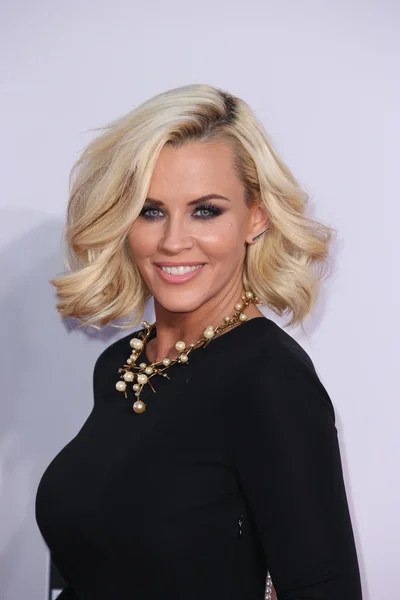
1. Jenny McCarthy turned vaccine skepticism into a mainstream celebrity cause
Few celebrity cases illustrate the crossover from personal belief to public influence more clearly than Jenny McCarthy. She became one of the most recognizable faces linked to vaccine skepticism after claiming childhood immunizations had harmed her son, using interviews, books, and television appearances to repeat that message.
The lasting significance of her role is not just that she voiced doubt, but that she did so at a moment when celebrity culture and parenting culture were deeply intertwined. The result was a style of wellness-adjacent distrust that reached households far beyond tabloid readers. Public-health researchers have long warned that conspiracy beliefs can affect behavior, including vaccine refusal and reduced trust in medical guidance.
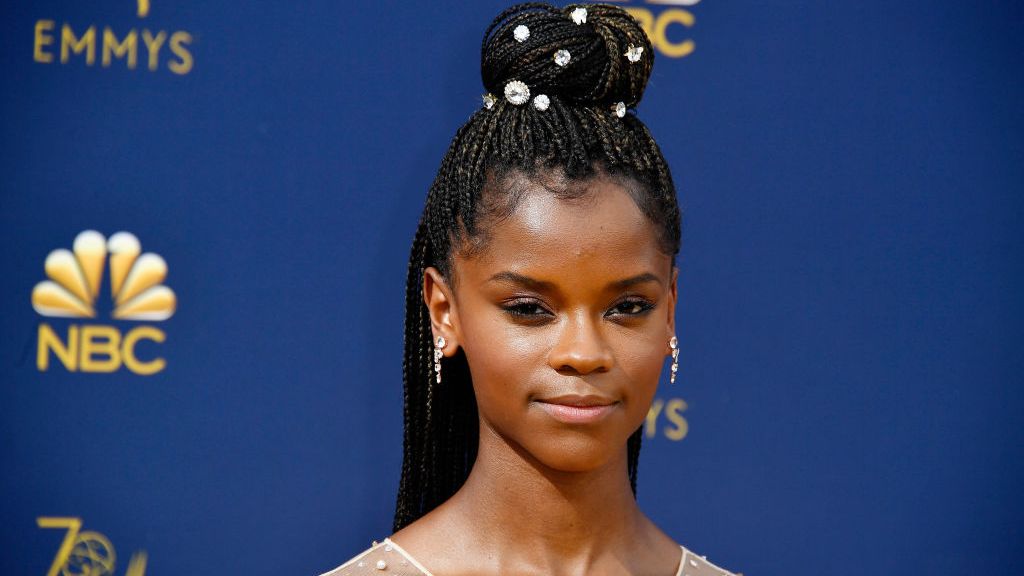
2. Letitia Wright’s vaccine controversy collided with blockbuster fame
Letitia Wright faced backlash after sharing a video that questioned COVID-19 vaccines and included other disputed claims. The moment landed differently because she was not a fringe celebrity figure operating outside the system; she was attached to one of Hollywood’s biggest franchises and speaking to a massive global fan base.
Her public response centered on the right to ask questions about what enters the body, but the broader debate focused on how celebrity uncertainty can amplify confusion during a health crisis. The episode also showed how quickly social media posts can become part of an actor’s professional narrative, especially when a fan-driven franchise is involved.
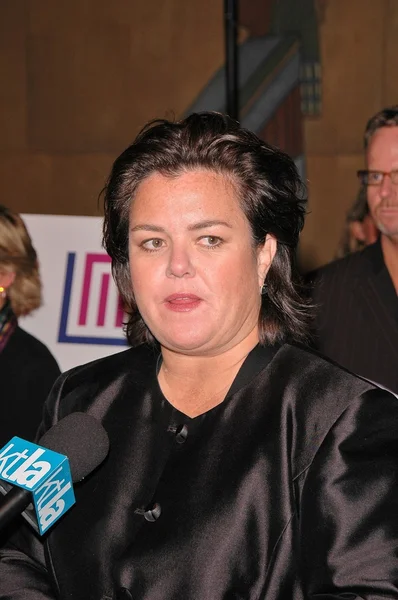
3. Rosie O’Donnell brought 9/11 conspiracism into daytime TV
Rosie O’Donnell did not keep her doubts to obscure corners of the internet. She argued on air that the collapse of World Trade Center 7 was impossible without explosives, giving the 9/11 truth movement one of its most visible mainstream TV moments.
That mattered because daytime television reaches viewers who are not actively seeking out conspiratorial material. Her comments became part of a broader entertainment-media cycle in which hosts, audiences, and tabloids treated a highly charged claim as both debate content and spectacle. The quote most associated with that period was her insistence that the event “defies physics.”
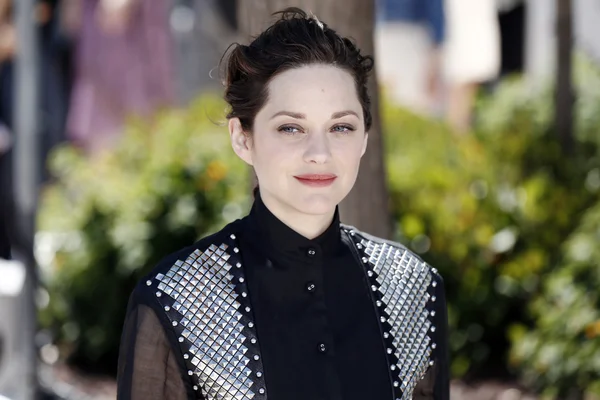
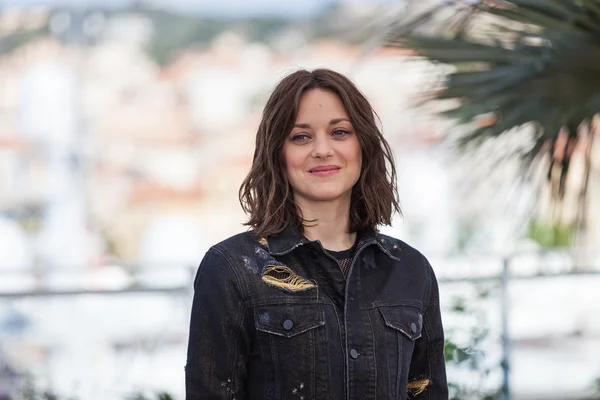
4. Marion Cotillard’s comments followed her all the way to awards season
Marion Cotillard drew major scrutiny after questioning the official account of 9/11 and expressing doubt about the moon landing during a French television interview. The timing made the episode especially combustible, because it surfaced while she was gaining momentum in the global awards conversation.
She later said her remarks had been taken out of context, but the controversy lingered because it touched two of the most recognizable conspiracy subjects in modern culture. In celebrity terms, it was an early example of how an offhand media appearance could become an international reputational issue almost overnight.
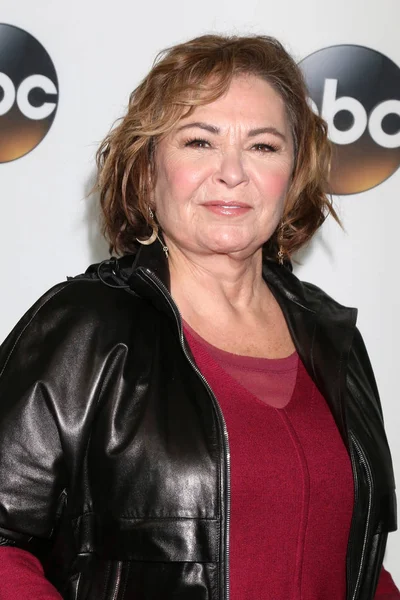
5. Roseanne Barr showed how conspiracy posting can reshape a career
Roseanne Barr’s public embrace of QAnon-adjacent themes and broader claims about hidden elite networks became impossible to separate from her celebrity identity. Her online behavior did not read as a side note; it became part of the story around her, and eventually part of the fallout around her career.
This was bigger than a single provocative post. Barr represented the shift from old-school celebrity controversy to the algorithm-driven era, where stars can feed a constant stream of coded messages, slogans, and anti-establishment claims directly to followers without any newsroom filter in between.
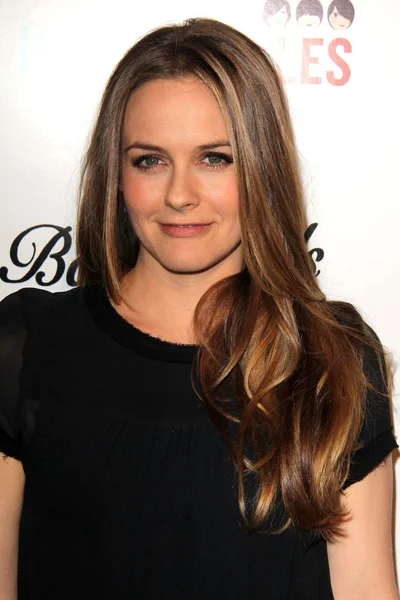
6. Alicia Silverstone folded medical distrust into lifestyle branding
Alicia Silverstone’s public image has long leaned toward natural living, but some of her comments about vaccines and other health practices pushed that image into more contentious territory. That crossover is one reason her case stands out: the messaging arrived packaged with wellness language rather than overt political confrontation.
That tone can be especially sticky online. Claims framed as gentle, holistic, or intuitive often circulate differently from more aggressive conspiracy rhetoric, even when they still encourage distrust of established medicine. In lifestyle spaces, the line between alternative advice and misinformation can blur quickly.
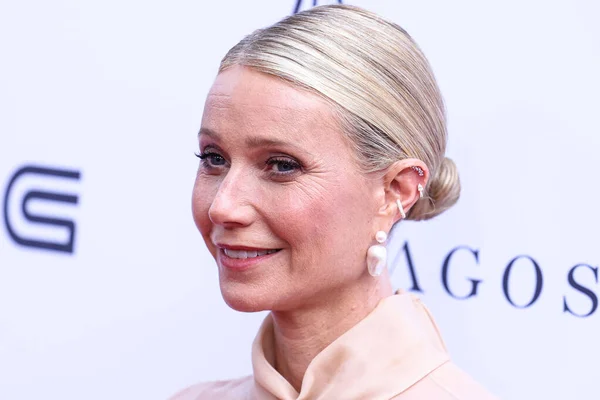
7. Gwyneth Paltrow helped normalize pseudoscientific celebrity wellness
Gwyneth Paltrow is not primarily associated with one grand conspiracy theory as much as a broader ecosystem of dubious health ideas. Through her lifestyle platform, she helped popularize a style of celebrity wellness culture that regularly challenged scientific consensus and rewarded novelty, mystique, and suspicion of conventional medicine.
That distinction matters. Not every fringe celebrity claim arrives as a dramatic hidden-plot theory; some emerge as a steady drip of pseudoscientific suggestions that train audiences to view expertise as cold, compromised, or incomplete. In a media environment built on curiosity clicks, that posture has proved highly durable.
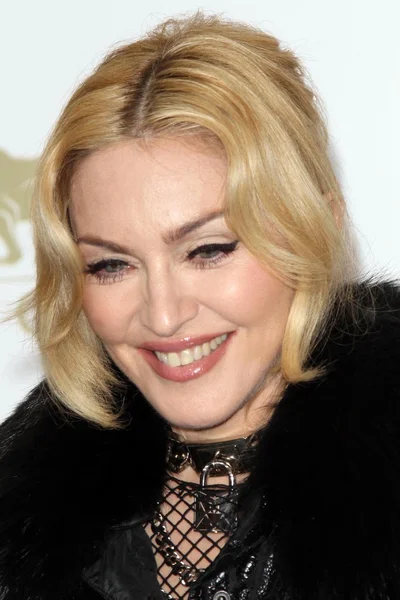
8. Madonna used social media virality to magnify false health claims
Madonna faced platform enforcement after sharing a video promoting false claims about COVID-19 treatment and vaccines. The post reflected a bigger pattern noted by media researchers: celebrity accounts can make fringe talking points look like ordinary pop-culture content, even when the substance carries serious consequences.
That dynamic was visible during the pandemic, when high-follower accounts could push misinformation to millions in a format that felt casual, shareable, and emotionally charged. An analysis of celebrity behavior during that period noted how such posts could reach 15 million followers and blur the boundary between entertainment and activism.
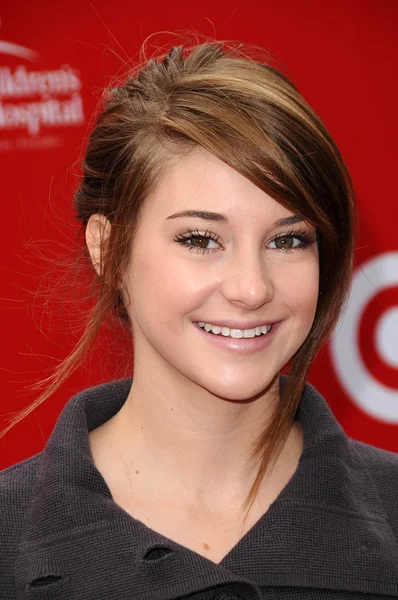
9. Shailene Woodley and the aesthetics of distrust
Shailene Woodley’s public persona has often emphasized self-sufficiency, natural remedies, and distance from modern systems. On its own, that image is not a conspiracy theory. But when celebrity messaging consistently suggests that mainstream food, medicine, and infrastructure are fundamentally toxic, it can slide into a broader culture of distrust.
That is part of why certain stars become magnets for fringe communities even without endorsing every claim directly. The appeal is emotional as much as factual: anti-system language offers identity, rebellion, and the thrill of feeling closer to a hidden truth. Studies have found that more entertaining or intense narratives can make conspiracy thinking feel more compelling, with one experiment showing a conspiratorial text was rated more engaging and increased belief by more than the control version.
The throughline in all of these cases is visibility. Celebrity status does not just amplify a belief; it can transform that belief into a cultural object that gets repeated, memed, debated, and absorbed by audiences who might never have searched for it on their own. That is why these stories keep surfacing. They are not only about famous people saying strange things, but about how fame can make fringe ideas feel dramatic, intimate, and strangely entertaining at the same time.