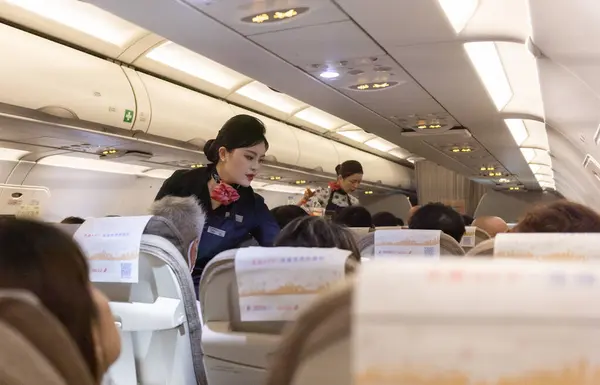
Air travel rewards a specific kind of courtesy. In a packed cabin, the most appreciated passengers are rarely the ones making grand gestures; they are the ones who respect timing, space, and the crew’s workflow.
That distinction matters. Flight attendants are balancing safety checks, service, regulations, and the mood of a confined cabin, so behaviors that seem generous on the surface can create delays, tension, or extra work. As flight attendant Tania M. put it, “We definitely appreciate it when passengers go out of their way to be helpful usually.”
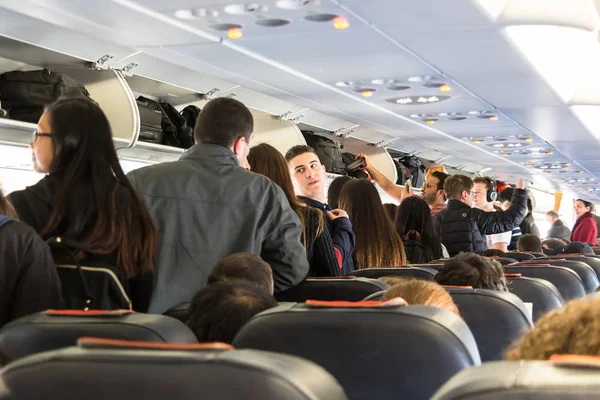
1. Policing another passenger
Correcting a stranger over a seatbelt, mask, bag, or other onboard rule can quickly turn into a confrontation. Crew members are trained to handle compliance issues, and passengers stepping in often raise the temperature rather than solve the problem.
A quieter approach works better: alert a flight attendant discreetly and let the crew decide how to respond. That keeps the situation from becoming a cabin-wide dispute and leaves enforcement with the people responsible for it.
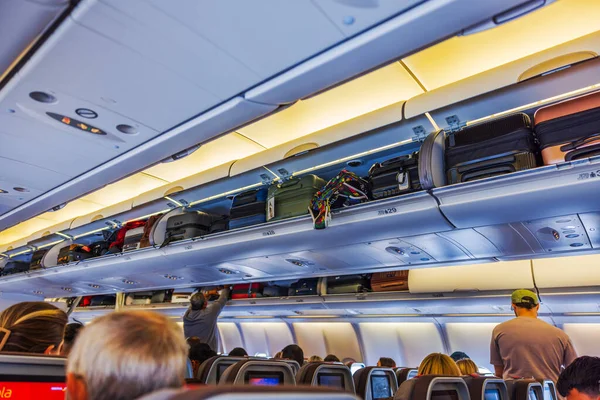
2. Reorganizing overhead bins
Sliding someone else’s suitcase, removing items, or closing bins to “save” space may look efficient, but it often creates confusion later. Flight attendants cited this as one of the fastest ways to irritate both the crew and nearby travelers, especially when belongings become harder to locate after landing.
The better move is simple: place personal luggage quickly, then step aside. If a bag does not fit, asking the crew is more useful than trying to play baggage coordinator in the aisle.
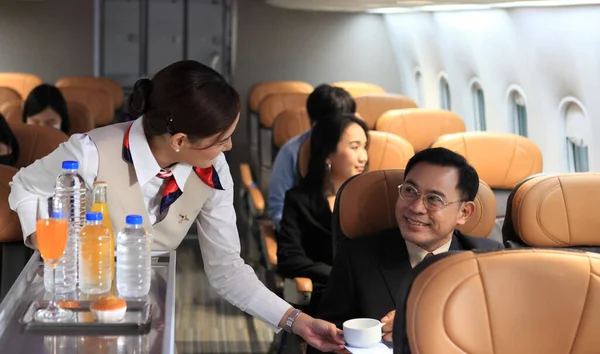
3. Touching a flight attendant to get attention
A tap on the arm can feel quieter than calling out, but many flight attendants prefer not to be touched at all. In a workplace that already involves constant proximity, physical contact from strangers adds another layer of stress.
A soft “Excuse me,” eye contact, or the call button is enough. Several attendants also said that direct verbal cues are easier than being poked while they are serving drinks, checking rows, or handling another task.
4. Asking for a full refillable bottle during service
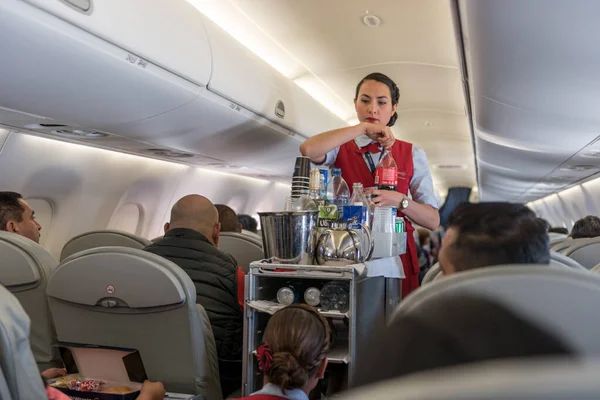
Bringing a reusable bottle is practical, but asking for a large in-flight refill can strain limited supplies. Tania M. explained that planes are catered with a fixed amount of water, and “We simply can’t fill up everyone’s water bottle, or there wouldn’t be enough to go around.”
Filling up before boarding is the smoother option. Standard cups of water during service are usually manageable, but a 32-ounce bottle is a different ask in a cabin where stock is planned in advance.
5. Reaching into the drink cart
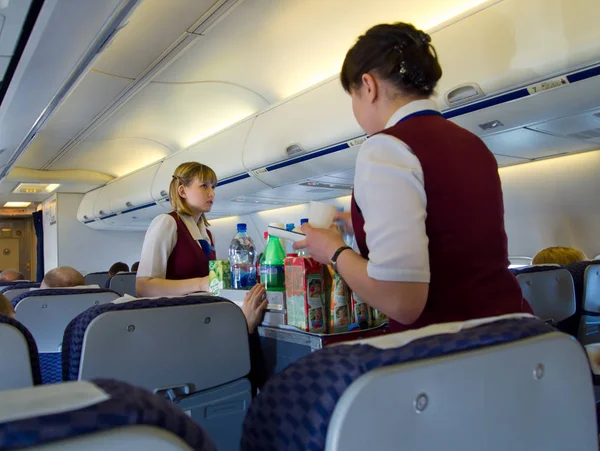
When a beverage cart reaches a row before the attendant does, some passengers grab a soda or snack to speed things along. That shortcut disrupts the service order and can create sanitation concerns around food and drinks being distributed in a narrow shared space.
Waiting matters here. Former crew members have noted that removing headphones and making eye contact during service helps far more than self-serving from the cart, a point echoed in crew advice on service etiquette.
6. Handing over diapers or other hazardous waste
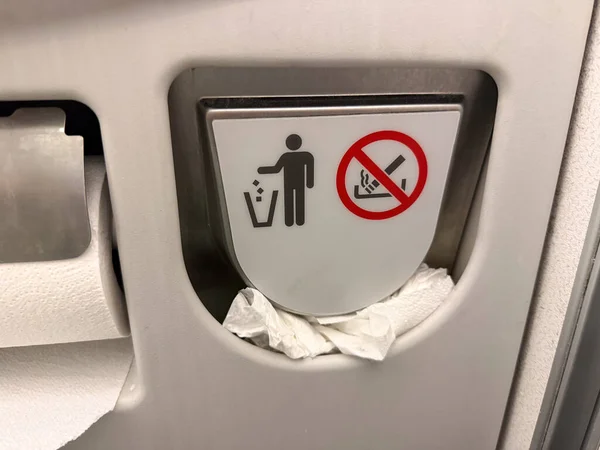
Not all trash is equal onboard. Used diapers, bloody tissues, and medical sharps are not routine garbage, and flight attendants do not want them placed directly into their hands or dropped into food and beverage areas.
This is one of the clearest etiquette lines in the cabin. The lavatory trash is the right place for contaminated items, while used needles should stay in a proper sharps container until they can be disposed of safely after the flight.
7. Taking too long to position a carry-on
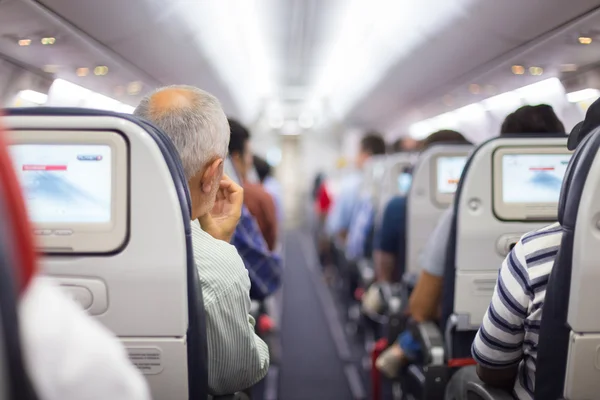
Carefulness becomes a problem when it slows boarding for an entire row. Repeatedly rotating a bag, protecting it from touching another suitcase, or repacking in the aisle can stall the line behind it.
A more considerate routine is to board ready: zippers closed, straps tucked, wheels aligned, and essentials already removed. Flight attendants also note that boarding delays often begin in the aisle, not at the gate.
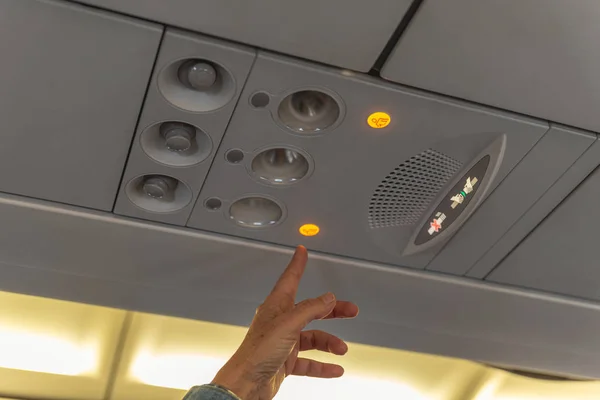
8. Using the call button for company
Friendly conversation is not the issue. Interrupting the crew because a passenger thinks they might be bored is. Flight attendants handle paperwork, safety duties, passenger requests, and cabin checks throughout the flight, including during moments that look quiet from a seat.
Questions and genuine needs are part of the job. Calling them over for entertainment is not. Even small interruptions multiply when repeated across 30 or more rows.
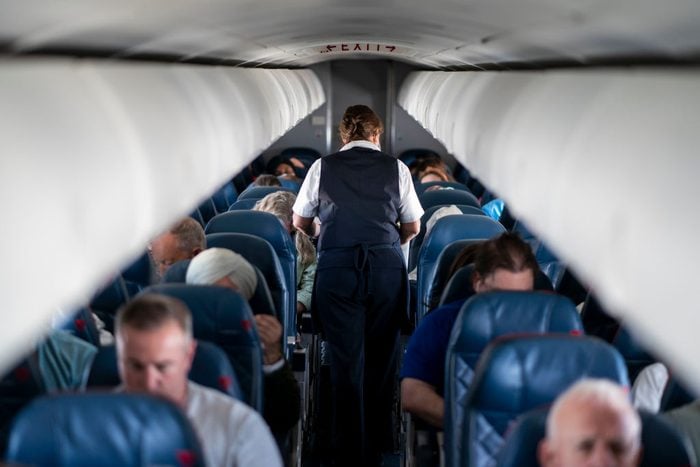
9. Thanking the pilot while ignoring the cabin crew
The pilot often gets the visible credit at the end of a trip, but flight attendants are the people who managed service, compliance, emergencies, and the tone of the cabin from boarding to deplaning. Walking past them without acknowledgment can land poorly, especially after a full flight. A brief thank-you to everyone on the way out goes further. Flight attendants repeatedly emphasize that they are trained for medical issues and emergencies, not only drink service.
The pattern behind all nine habits is the same: what feels courteous to one passenger can create friction in a tightly choreographed environment. On a plane, good manners are less about doing extra and more about not disrupting what is already working. That makes the best in-flight etiquette surprisingly simple. Move efficiently, follow instructions, keep requests proportionate, and treat the crew like professionals rather than background staff. The cabin runs more smoothly for everyone when courtesy stays practical.