Plenty of people still reach for a cotton swab when an ear feels itchy, wet, or “dirty.” The problem is that earwax is not a sign of poor hygiene. It is part of the ear’s normal defense system, and the canal is designed to move old wax outward on its own. That is why ear specialists keep repeating the same advice: nothing smaller than an elbow belongs in the ear canal. What feels like cleaning often creates the very problems people are trying to avoid.

1. Cotton swabs usually push wax deeper instead of removing it
A swab works more like a plunger than a cleaning tool. It can force wax farther down the canal, where it becomes compressed near the eardrum and is harder to come out naturally. Doctors routinely remove these blockages with specialized tools because once wax is packed inward, the ear’s normal clearing system cannot do its job well. This is not a small issue. Ear specialists describe impaction as a common result of swab use, and the ear’s outward-moving “conveyor belt” depends on jaw movement and skin migration to clear debris gradually.
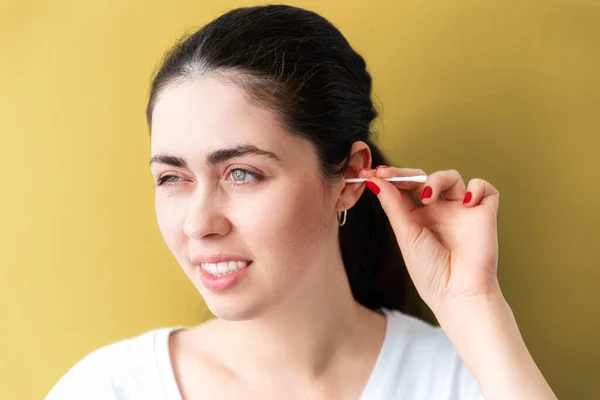
2. The ear is built to clean itself
Earwax, or cerumen, traps dust, debris, and germs while also helping keep the skin moisturized. As the skin inside the canal sheds, wax moves outward naturally, helped along by talking and chewing. That process is described by specialists as a self-cleaning mechanism, which means most people do not need to clean inside the ear at all. For everyday care, wiping only the outer ear with a damp washcloth is usually enough.

3. A swab can puncture the eardrum in seconds
The eardrum is thin and fragile, and a sudden bump of the arm or head can turn a routine habit into an injury. Specialists warn that even a soft-tipped swab can tear the eardrum, causing pain, bleeding, drainage, and temporary or lasting hearing problems. In severe cases, deeper injury can affect structures behind the eardrum. Ear experts have documented outcomes that include hearing loss, prolonged vertigo, and the need for surgery.

4. Ear canal skin is delicate and easy to injure
The lining of the ear canal is extremely thin. Repeated rubbing can create tiny cuts and abrasions that sting, bleed, or become inflamed. Once that protective skin barrier is disrupted, the canal is more vulnerable to irritation and infection. That is one reason a swab may briefly relieve an itch, then make the ear feel worse afterward.

5. Removing wax also removes protection
Earwax is not just debris. It forms a slightly oily, protective coating that helps keep the canal from drying out and creates an environment that discourages bacterial and fungal overgrowth. Specialists note that earwax also acts as a barrier against outside particles and even small insects. When that layer is repeatedly stripped away, the canal can become dry, itchy, and more infection-prone.

6. Swab use can raise the risk of outer ear infections
Otitis externa, often called swimmer’s ear, becomes more likely when moisture, broken skin, and loss of wax protection come together. Cotton swabs can contribute to all three. They may scratch the skin, remove the waterproof wax coating, and push water or debris deeper into the canal. Older medical literature has linked cotton bud use with otitis externa and cerumen impaction, reinforcing what many ENT clinicians see in practice.
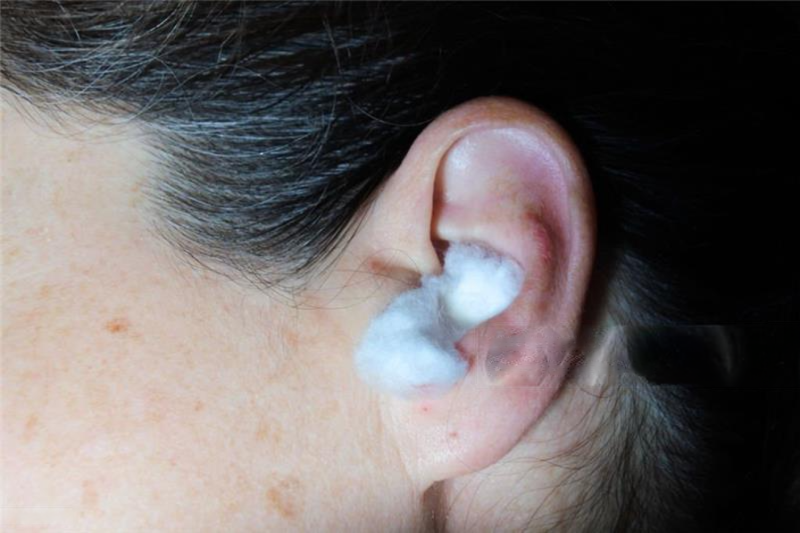
7. Cotton fibers can get left behind
Swabs do not always come back out cleanly. Tiny fibers can shed and remain inside the ear canal, where they mix with wax or act as an irritant. Ear specialists have reported finding retained cotton tips and embedded fibers during professional exams and wax removal. That turns a simple grooming habit into a foreign-body problem.

8. Hearing can become muffled even before the ear is fully blocked
When wax is pressed closer to the eardrum, sound transmission can be affected. People may notice muffled hearing, pressure, or a blocked sensation. Ringing in the ear can also appear or worsen when impacted wax changes how sound and pressure are handled in the canal. Some experts note that hearing may still seem normal until much of the canal is narrowed, but once symptoms start, the blockage often needs proper evaluation rather than more swabbing.
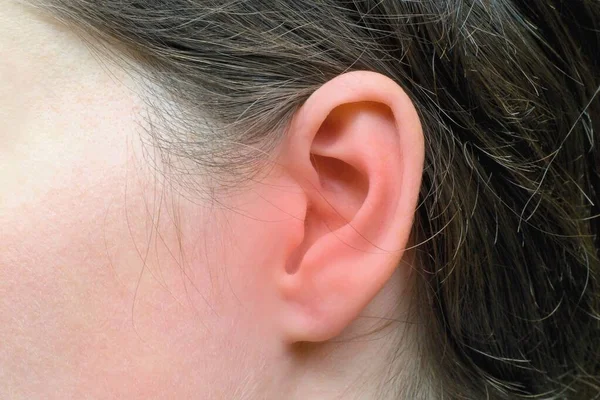
9. Dizziness and coughing can start from ear canal stimulation
The ear is connected to more than hearing. Pressure near the eardrum can trigger dizziness or vertigo in some people, especially if a swab is inserted too deeply. The canal also contains a nerve branch that can provoke a cough reflex when irritated. These reactions can feel surprising, but they are part of the reason the ear does not tolerate probing very well.

10. Many people use swabs because the habit feels useful, not because it is safe
One survey of ENT clinic patients found that 53% said they used cotton buds to clean their ears. The most common reason was simple: it seemed like a good idea. That helps explain why the habit persists even though product packaging and doctors warn against putting swabs into the ear canal. The visual cue of yellow wax on the tip can make the ear look cleaner, but that “proof” is misleading. In many cases, it means the swab removed protective wax from the outer canal while pushing the rest inward.

11. Some people should be especially cautious
Children have smaller ear canals, making accidental injury easier. Hearing aid users may deal with more wax buildup. Swimmers are more vulnerable to moisture-related irritation. People with narrow canals or unusually heavy wax production may also have more trouble with natural clearance. For these groups, routine digging with a swab can create repeated problems instead of preventing them.

12. Safer options exist when wax really is a problem
If a person has fullness, ringing, pain, discharge, or hearing changes, the safer move is medical evaluation. Clinicians can examine the ear directly and remove wax with methods designed for the ear’s anatomy. For minor buildup, experts often recommend softening drops rather than mechanical digging, though some products are not appropriate for people with eardrum holes, tubes, recent surgery, or active infection.
One home method specialists commonly mention is mineral oil to soften the wax. Outer-ear cleaning with a soft damp cloth is still the standard for daily hygiene. The main takeaway is simple: ears are not meant to be scrubbed from the inside. Cotton swabs may feel precise, but they can compact wax, strip away protection, and injure tissue that heals slowly. When an ear feels blocked, itchy, painful, or suddenly harder to hear through, the safer answer is usually less cleaning, not more.