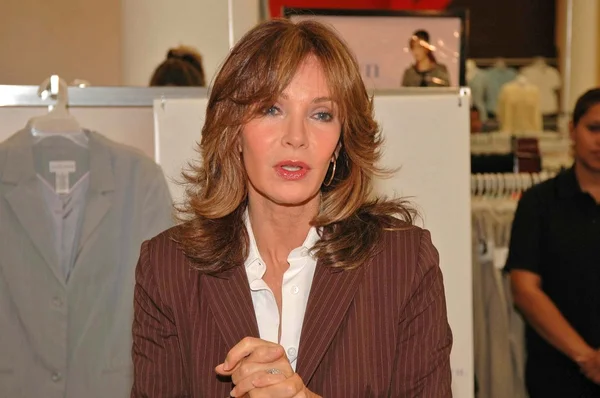
Jaclyn Smith’s public image has long rested on glamour, but her staying power came from something broader: consistency, reinvention, and a career that kept expanding long after her breakout role made her a household name.
At 80, her legacy reaches across television, business, advocacy, and family life. The story is not only about how she became famous, but how she remained relevant without severing ties to the parts of her life that audiences recognized first.

1. She turned an early modeling career into a screen breakthrough
Before prime-time fame, Smith worked in commercials and print campaigns, including her widely recognized “Breck girl” era. That visibility gave her a polished public profile, but it also served as a bridge into acting. She had already appeared in projects such as McCloud and The Rookies before television found the role that changed everything. Her early path also reflected a willingness to pivot. After studying drama and spending time in New York pursuing dance training, she moved toward the camera when new opportunities opened up. That flexibility became one of the defining traits of her career.
2. Charlie’s Angels made her famous, but endurance made her singular
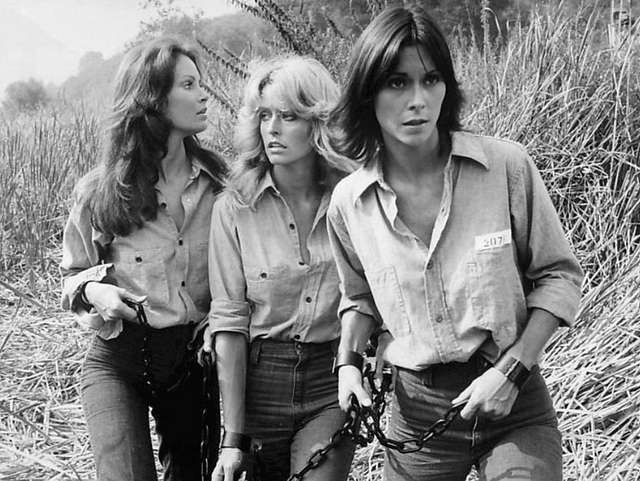
Smith became a cultural fixture as Kelly Garrett on Charlie’s Angels from 1976 to 1981. What distinguished her place in that phenomenon was durability: she was the only original female lead to remain for the series’ full network run. In a show built on instant iconography, that staying power mattered. She later reflected on the appeal beneath the fashion and action: “We were independent women making our own way. Our lives weren’t revolving around men.” That line helps explain why the series kept resonating beyond nostalgia. It sold glamour, but it also presented female leads as active, capable, and central to the story.

3. She built a second act that went beyond one signature role
Many television stars struggle to escape a defining character. Smith did not disappear after Charlie’s Angels; she expanded. Her title role in Jacqueline Bouvier Kennedy earned a Golden Globe nomination, and she continued with high-profile miniseries and TV films through the 1980s and 1990s. That stretch of work mattered because it widened her image. Instead of remaining frozen as a 1970s symbol, she became a familiar presence in prestige-style television movies, including Rage of Angels, George Washington, and The Bourne Identity. It gave her career depth at a time when many stars from the same era were being boxed in by their most famous role.

4. She helped redefine what celebrity branding could look like
In 1985, Smith entered retail with her apparel line for Kmart and became one of the earliest celebrities to build an ongoing consumer brand instead of simply attaching her name to endorsements. The long life of that move turned out to be one of the most consequential parts of her public legacy. Her own biography says more than 100 million women have purchased clothing or accessories bearing her name. The line later expanded into home goods, fabrics, wigs, and skincare. The business story stood out because it was not framed as a short celebrity detour. It became a durable parallel career.

5. Her cancer diagnosis shifted her platform toward advocacy
A routine mammogram led to a Stage 1 breast cancer diagnosis in the early 2000s. Smith underwent a lumpectomy and radiation, then spoke publicly about the experience in a way that centered preparation and support rather than secrecy. “Knowledge is power. Without it we’re lost,” she said, a message that aligned with her later advocacy around breast cancer awareness. Her involvement with cancer-related causes and her support for women navigating treatment gave her public image a more intimate dimension. It also connected with one of her business extensions: wigs created with women facing hair loss in mind.

6. She kept reinventing her brand instead of preserving it in place
Reinvention remained part of Smith’s career well into later life. After decades associated with one retail chapter, she launched a new clothing line in 2022 and kept extending the design side of her work into fresh channels. Her guiding philosophy was direct: “Go toward the fear, the unknown terrain, because that’s where the fruit is.” That outlook helps explain why her name remained active in lifestyle spaces long after many celebrity brands faded into licensing history. She did not rely only on recognition; she kept updating where that recognition could live.

7. Family stayed central to the way she described success
Even in accounts focused on fame or entrepreneurship, Smith repeatedly returned to home life as her real anchor. She has spoken about the pride she takes in her children and grandchildren, and about the values formed in her Texas upbringing. That thread appears in both public interviews and her own biography, where she said, “my family must come first.” It gives context to a career often described in glossy terms. Behind the television image and the business achievements, she consistently framed family as the part of life that outlasted everything else.
8. Her influence still extends into pop culture memory
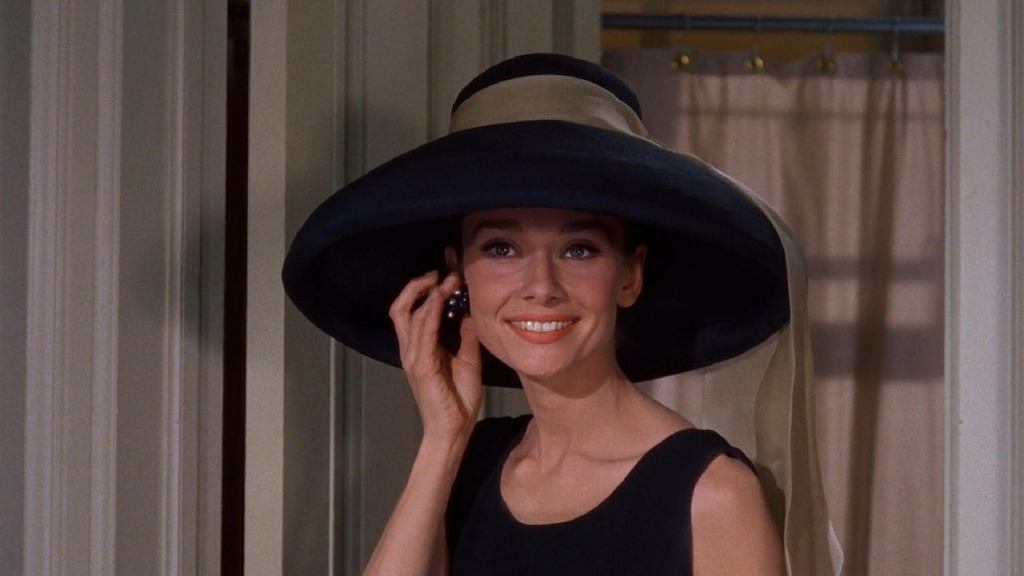
Smith’s legacy is not confined to reruns. She reprised Kelly Garrett in the 2003 and 2019 Charlie’s Angels films, reinforcing her connection to a franchise that kept being reintroduced to new audiences. Her image also lingered in fashion polls, magazine culture, and even music references inspired by her character. That kind of afterlife is difficult to manufacture.

It comes from a blend of recognizability, longevity, and a persona that different generations can read in different ways: style icon, television pioneer, resilient survivor, businesswoman, or family matriarch. At 80, Smith’s appeal is no longer explained by timeless beauty alone. The stronger story is how many identities she managed to hold without losing coherence. Actress, entrepreneur, advocate, and enduring television figure all fit because the through line stayed the same: visible grace paired with long-term discipline.