
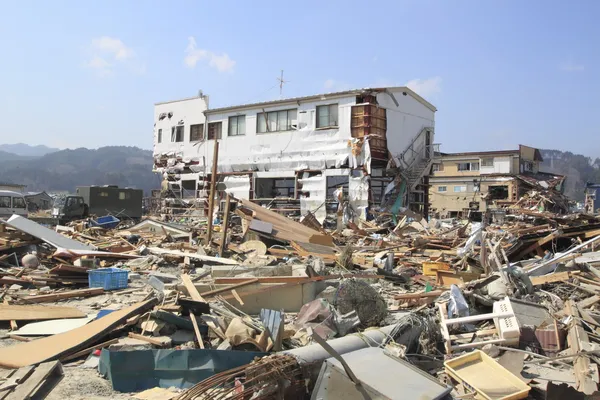
Two large earthquakes on opposite sides of the North Pacific revived a familiar tension: the uneasy gap between what people feel after the ground moves and what science can actually say. The phrase “megaquake week” spread quickly, but seismologists draw a firmer line between heightened awareness and prediction.
That distinction matters most in places already shaped by subduction zones, offshore faults, and tsunami history. For readers living near coasts or fault systems, the real takeaway is less about rumor and more about how risk, readiness, and stress interact when the Pacific starts shaking.
1. The Pacific Rim is built for frequent seismic unrest
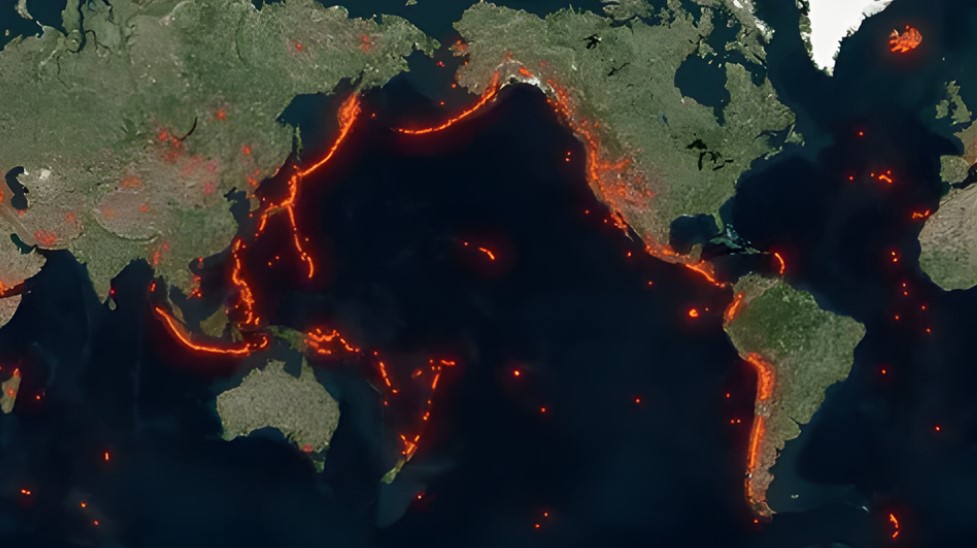
The Alaska and Japan earthquakes happened within the same broader tectonic neighborhood, the Pacific “Ring of Fire,” where roughly 90 percent of all earthquakes occur. This arc around the Pacific is not a single fault but a vast chain of plate boundaries, trenches, and volcanic zones where the Earth’s crust is constantly shifting.
That setting helps explain why two major earthquakes can occur close together in time without pointing to a single unfolding disaster. The Ring of Fire is a place where large seismic events are part of the background pattern of the planet.
2. A major earthquake does not automatically trigger a distant twin
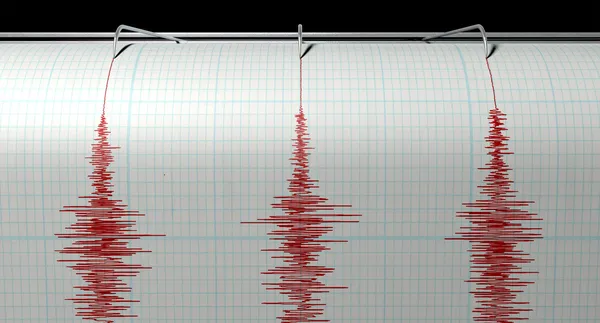
The strongest public fear after back-to-back quakes is often that one event has set off another thousands of miles away. Seismologists have repeatedly cautioned that this is not how most global earthquake relationships work. Stress changes can matter near a rupture zone, but the idea of one major quake directly causing another far across the Pacific remains poorly supported.
Clusters also happen because the Earth has many active faults producing many significant earthquakes each year. In other words, coincidence can look dramatic without being causally linked. That is one reason experts resist media shorthand that turns timing into a forecast.
3. Japan’s megaquake alert is about readiness, not certainty
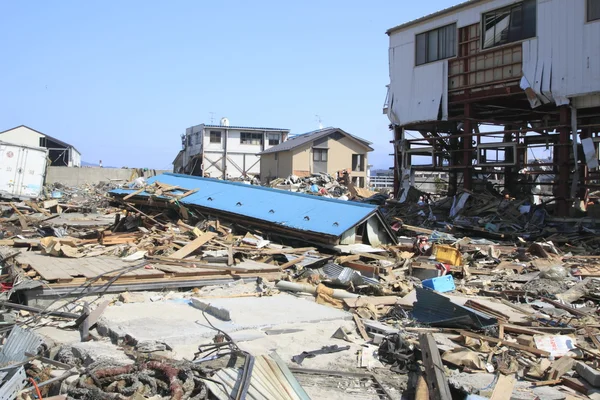
After the northern Japan earthquake, authorities issued an official megaquake alert covering 182 municipalities. The alert did not say a catastrophic event was imminent. It signaled elevated concern within an already monitored system and asked residents to review evacuation plans, secure interiors, and prepare emergency bags.
The key point is practical: alerts like this are designed to prompt protective action even when the probability remains low. A small chance can still justify preparation in regions where the consequences of a larger event would be severe.
4. Subduction zones are where the biggest earthquakes are born
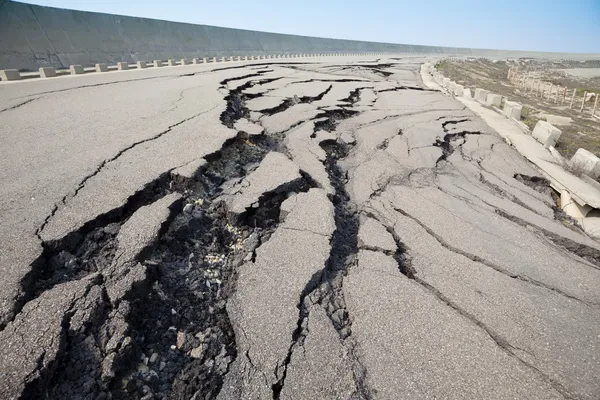
The world’s most dangerous earthquakes and tsunamis come from subduction zones, where one tectonic plate dives beneath another. Researchers studying these margins have found that most subduction zones can generate M 8.5 or greater over long enough time spans, underscoring why hazard planning focuses so heavily on these boundaries.
This does not mean any specific fault is about to rupture. It means the physical capacity exists. That distinction sits at the heart of public misunderstanding: possibility is not prediction, but it is still a reason to prepare seriously.
5. Tsunami danger often outweighs the shaking itself
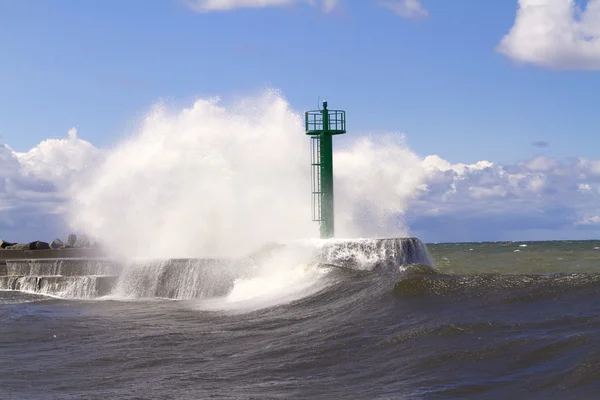
For coastal communities, the most consequential part of a giant offshore earthquake may arrive after the rupture. Government modeling tied to future Japan scenarios has projected tsunami heights reaching 98 feet in some areas, along with massive building losses and widespread fatalities. Even smaller tsunami heights can carry debris, flood evacuation routes, and turn minutes into the difference between escape and entrapment.
Historic Pacific events show why this threat remains central. A Cascadia megathrust earthquake in 1700 sent tsunami waves across the ocean to Japan, and Oregon emergency guidance still warns that a future Cascadia event could produce a tsunami up to 100 feet in height along parts of the coast.
6. Cascadia remains one of the clearest reminders of long-term risk
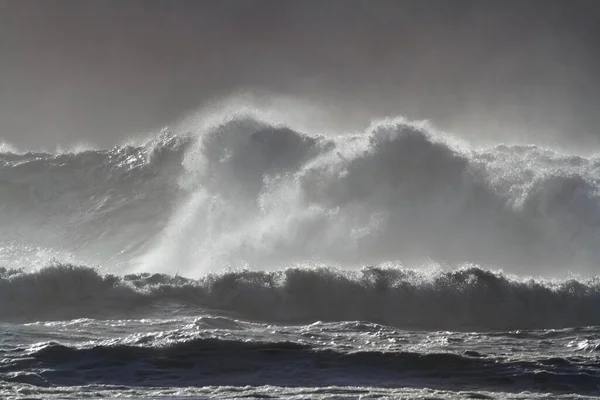
Off the Pacific Northwest, the Cascadia Subduction Zone stretches for about 1,000 kilometers and is capable of truly great earthquakes. According to regional seismic monitoring, it has produced magnitude 9-class events before and is expected to do so again over geologic time. The last known megathrust rupture there occurred in 1700.
Scientists still cannot say when the next one will happen. But they can say the fault is capable of it, that the plates continue to converge, and that long quiet periods do not mean the hazard has disappeared. That sober uncertainty is often more useful than dramatic headlines.
7. Aftershocks and swarms can intensify fear without clarifying the future
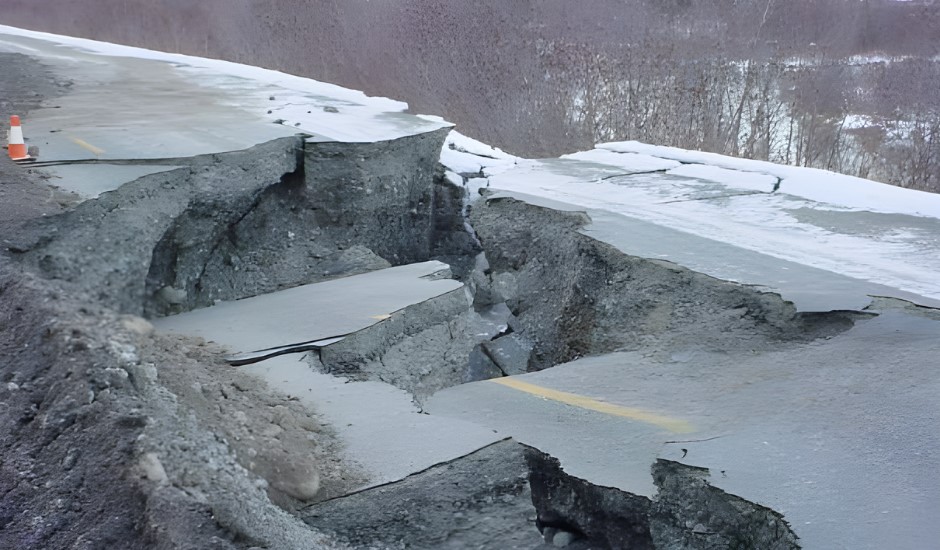
The Alaska earthquake was followed by more than 160 aftershocks in the first day. Sequences like this can be deeply unsettling because they prolong uncertainty and keep people physically and emotionally on edge. Yet aftershocks mainly describe how a fault is adjusting after a major rupture, not a countdown to a separate Pacific-wide event.
The same is true of earthquake swarms more broadly. The U.S. Geological Survey notes that these sequences do not follow a simple mainshock-aftershock pattern and can reflect complex fault behavior, fluid movement, or slow slip rather than a straightforward sign of a looming catastrophe.

8. The healthiest response is organized preparation, not panic
The most useful advice after a major quake is often the least dramatic: secure heavy furniture, keep shoes and essential supplies accessible, register for local alerts, and know evacuation routes, especially in tsunami zones. In some Pacific Northwest planning, households are advised to be ready for at least two weeks without normal services.

Psychologically, earthquakes can leave behind anxiety, hypervigilance, and sleep disruption. Routine, social support, and community participation help restore a sense of control. As the main lesson from twin Pacific quakes becomes clearer, the most durable protection is not rumor management alone. It is a calm, practiced relationship with risk. The Pacific will keep moving. Coastal communities do not need a slogan like “megaquake week” to justify readiness; the geology has already done that work.


