
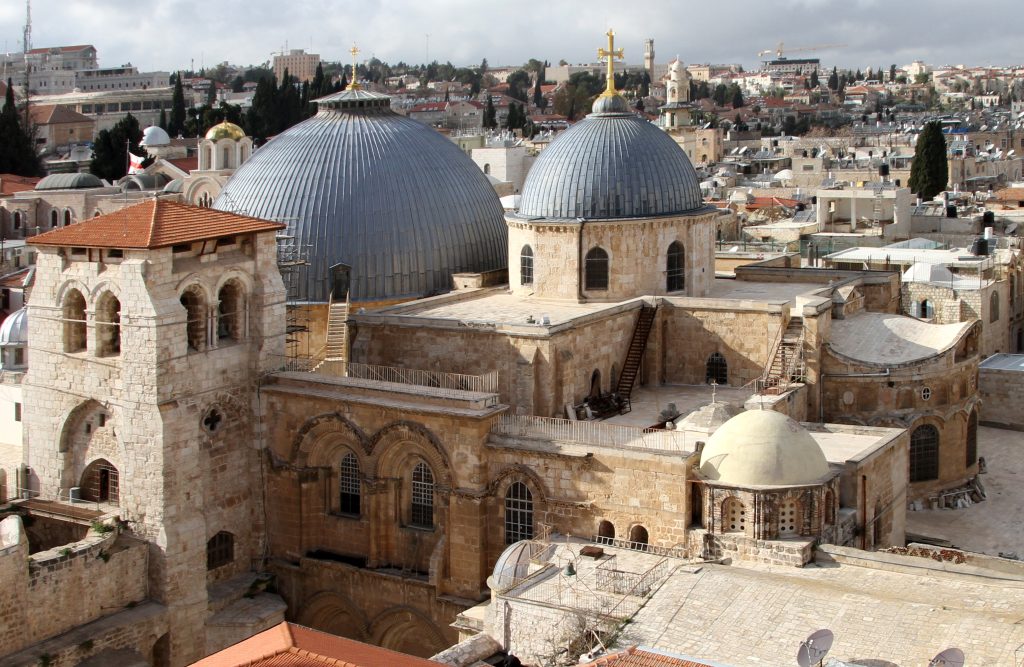
Beneath one of Christianity’s most revered sanctuaries, the ground has been telling a quieter story than stone ever could. Soil, pollen, seeds, and carved rock are revealing how the landscape below the Church of the Holy Sepulchre changed across centuries before it became a center of pilgrimage.
The discovery drawing the most attention is simple and vivid: traces of ancient cultivation where tradition places the burial of Jesus. Yet the larger picture is even richer, because the site appears not as a single frozen holy moment, but as a layered terrain shaped by quarrying, agriculture, burial, construction, destruction, and devotion.
1. A buried garden left botanical clues
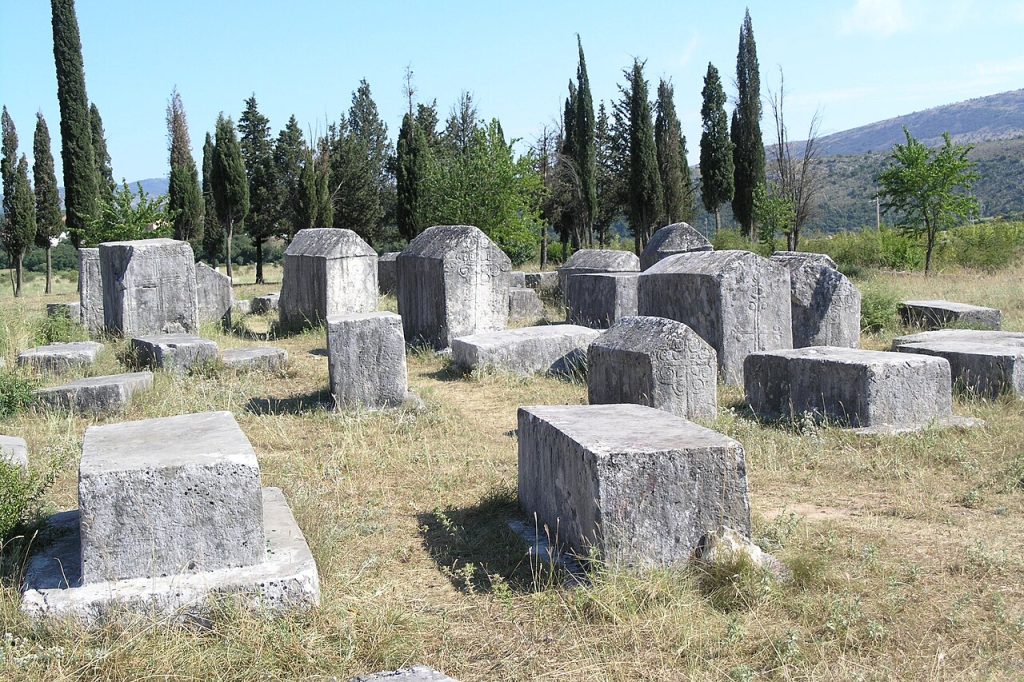
Researchers identified evidence of olive trees and grapevines through archaeobotanical and pollen analysis beneath the church floor. The finds included olive pits, grape seeds, and plant traces from pre-Christian layers, pointing to a cultivated area rather than an empty patch of ground. That matters because the landscape described in Christian tradition depends not only on a tomb, but on the setting around it.
Prof. Francesca Romana Stasolla said, “The archaeobotanical findings have been especially interesting for us, in light of what is mentioned in the Gospel of John. The Gospel mentions a green area between the Calvary and the tomb, and we identified these cultivated fields.”

2. The Gospel detail at the center of the discovery is unusually specific
The passage most often connected to the excavation is John 19:41: “Now in the place where he was crucified there was a garden, and in the garden a new tomb in which no one had yet been laid.” The new findings do not resolve every theological debate around the site, but they do place tangible environmental evidence beside a text that describes the area with striking precision. That overlap is one reason the discovery has resonated so widely. It joins written memory with physical traces from the ground itself.
3. The holy site began as an Iron Age quarry
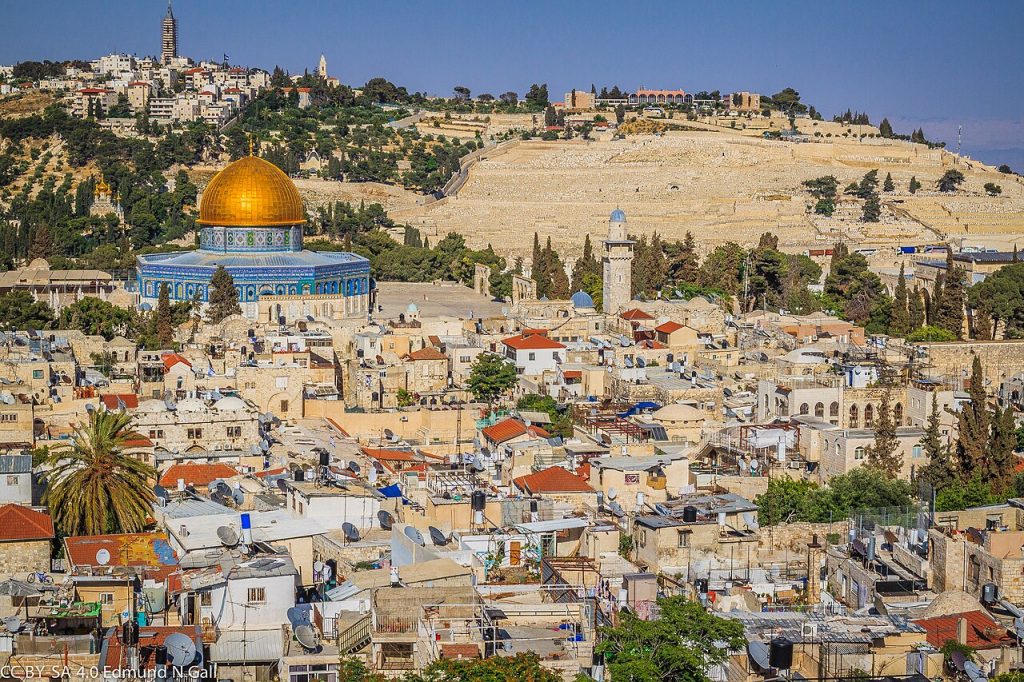
Long before it was enclosed by a church, the land functioned as an active quarry in the Iron Age. Archaeologists found pottery, lamps, and worked limestone surfaces that fit this earlier use. In Jerusalem, such a beginning is not unusual, since much of the ancient city developed around quarried stone.
As extraction slowed, the terrain did not remain barren. It shifted into a different chapter, one that now appears essential to understanding why the site looked the way it did in the first century.
4. The land seems to have changed from quarry to cultivation to tombs
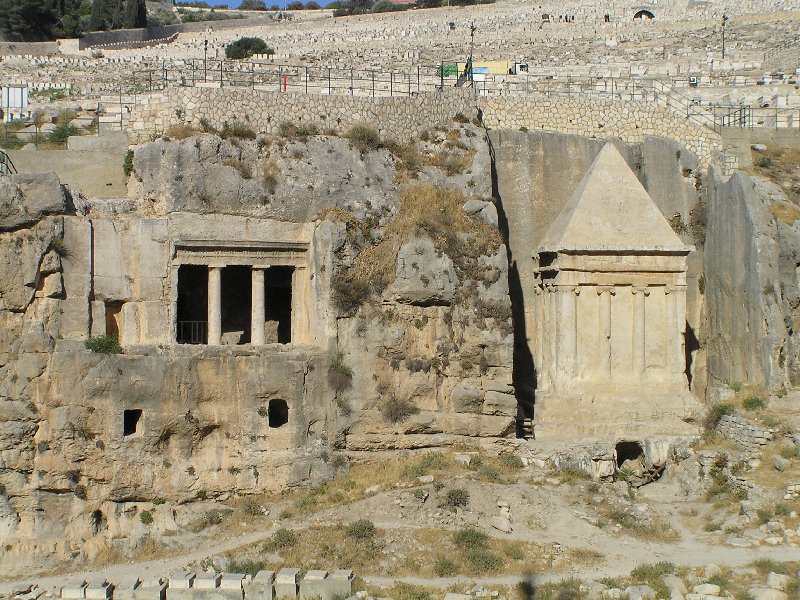
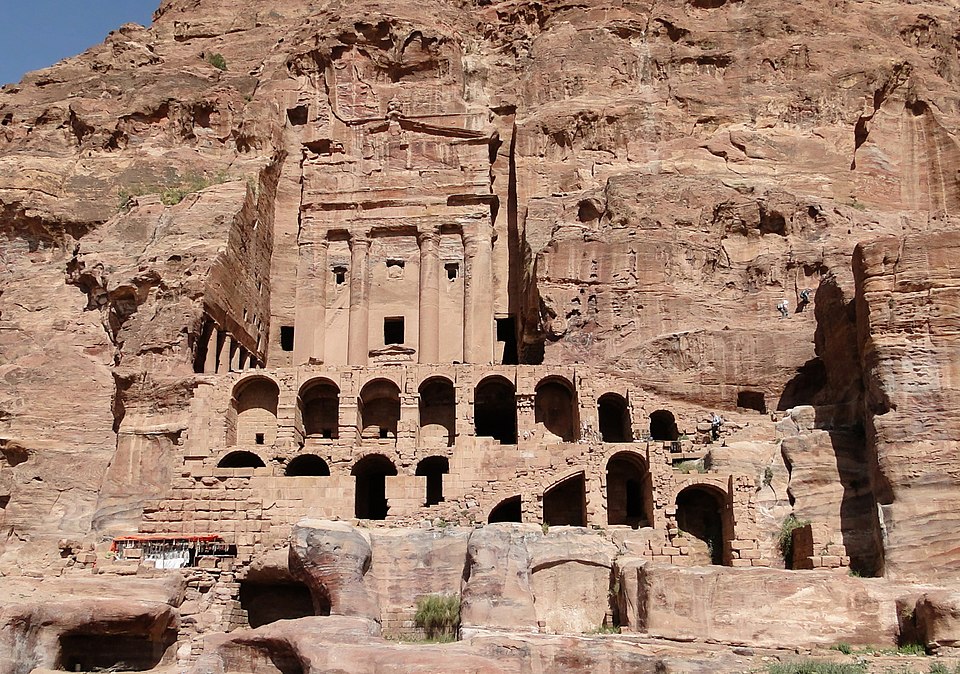
The excavation points to a sequence that is both practical and evocative: quarry first, then cultivated plots, then burial use. Archaeologists have described low stone walls and soil-filled sections that suggest managed agricultural space. Later, rock-cut tombs were carved into the abandoned quarry at different levels, creating the kind of funerary landscape expected outside an ancient city.
This longer transition helps explain why a tomb and a garden could coexist in the same area. It was not an inconsistency in the landscape, but part of how the terrain evolved.
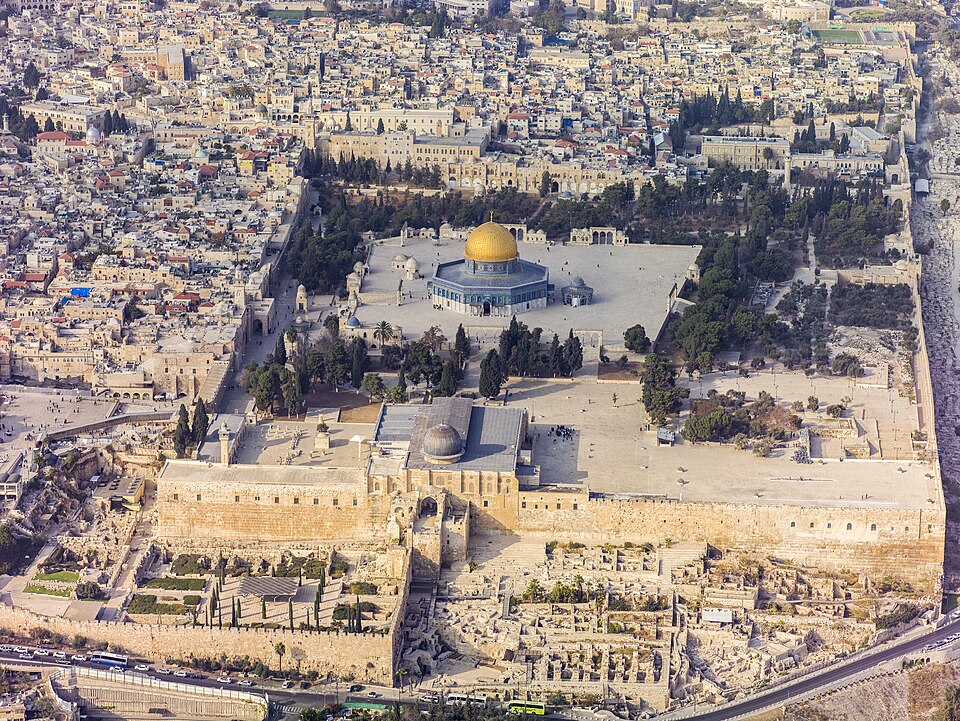
5. The site was likely outside Jerusalem’s walls at the time of Jesus
Stasolla noted that while the area was part of the city by the Roman period under Hadrian, it was not yet inside the city at the time of Jesus. That detail matters because burial areas were typically located beyond city limits. The geography therefore fits the kind of setting described in early Christian tradition: a place near execution grounds, with tombs cut into rock outside the urban core.
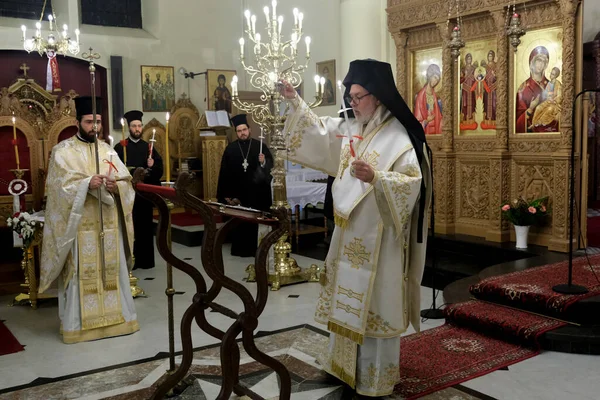
6. Excavation is happening while worship continues overhead
This is not an isolated dig in an empty field. The work has unfolded inside a functioning church, coordinated by the Greek Orthodox, Latin Catholic, and Armenian custodians, with restoration and excavation divided into 11 separate zones so pilgrims can continue to enter and pray. The team has worked in sections, reopening and covering areas in sequence rather than exposing the whole floor at once. That unusual rhythm has shaped the archaeology itself. It has made patience part of the method.
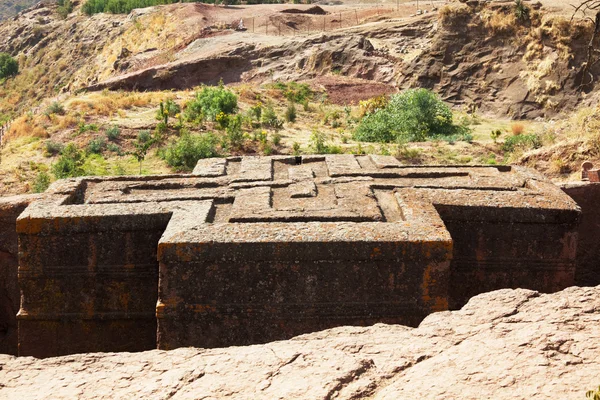
7. Digital reconstruction is helping researchers see what the full dig cannot show at once
Because the entire church cannot be opened simultaneously, researchers have relied on lab-based reconstruction to connect separate trenches into a larger map. Stasolla explained, “While we have not been able to see the entire church excavated in one glance, new technologies are allowing us to reconstruct the bigger picture in our labs.”
The result is a site being assembled both physically and digitally, one puzzle piece at a time. Reference reports also describe the use of 3D mapping and ground-penetrating radar to refine that wider picture.
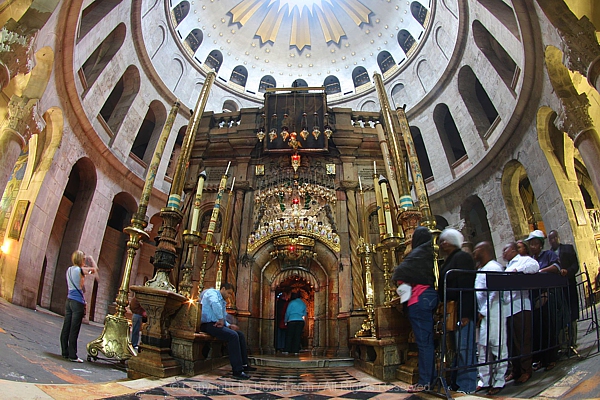
8. Constantine’s builders left traces of the church’s earliest monumental phase
Among the notable finds is a circular marble base beneath the Edicule, the shrine enclosing the tomb. Archaeologists believe it may belong to the first monumentalization of the tomb in the fourth century, when Constantine’s project transformed a revered place into an imperial church complex. Coins dating from the fourth century and evidence of early engineering under the basilica also show how builders adapted uneven quarry ground into sacred architecture. The church that pilgrims know today rose from difficult terrain, not a smooth foundation.
The strongest lesson from the excavation is not that one layer cancels the others. The garden traces, tombs, quarry cuts, and later church remains all belong to the same place, each preserving a different kind of memory. What emerges beneath the Holy Sepulchre is a landscape where faith, ritual, and daily life left marks together, and where even a handful of seeds can alter how an ancient setting is imagined. Stasolla put the deeper significance plainly: “The real treasure we are revealing is the history of the people who made this site what it is by expressing their faith here.”


