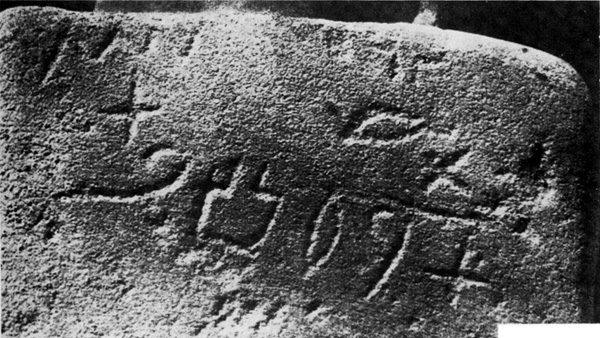
The Sinai desert has long stood in the modern imagination as the backdrop for the Exodus. Yet some of the most intriguing material from the region is not a monumental inscription or royal record, but a small, difficult body of scratched texts from an ancient mining landscape.
These signs, known as Proto-Sinaitic inscriptions, matter because they sit at the intersection of three enduring questions: how alphabetic writing began, how Semitic workers lived inside an Egyptian world, and whether later biblical memory preserves echoes of a real social setting. Recent readings that connect some of these inscriptions to Moses remain disputed, but the debate itself is reshaping how the Exodus story is approached.
1. They come from one of the earliest alphabetic writing traditions ever found
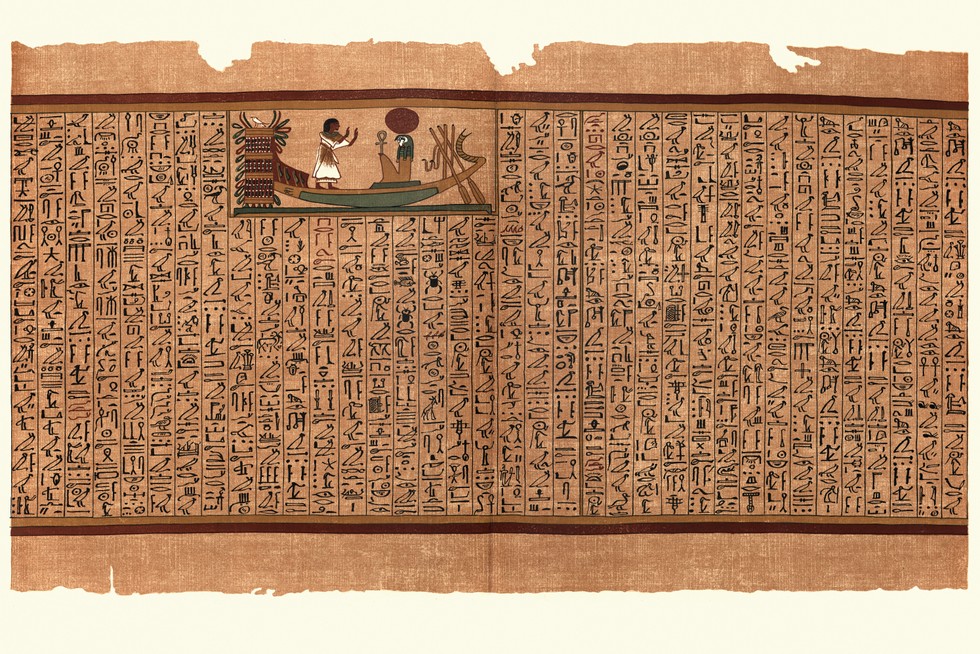
The inscriptions at Serabit el-Khadim belong to one of the earliest known alphabetic scripts, usually dated to the Middle Bronze Age. Scholars generally place the corpus somewhere between the 19th and 16th centuries BCE, though exact dating remains debated. That alone gives the texts unusual importance, because they stand near the beginning of alphabetic writing rather than within a mature literary tradition.
Unlike Egyptian hieroglyphs, which required extensive scribal training, this early script appears to have used a much smaller sign system. That has made the Sinai inscriptions central to a larger historical shift: writing moving away from elite institutions and toward more practical, adaptable use among Semitic speakers working in Egyptian-controlled spaces.
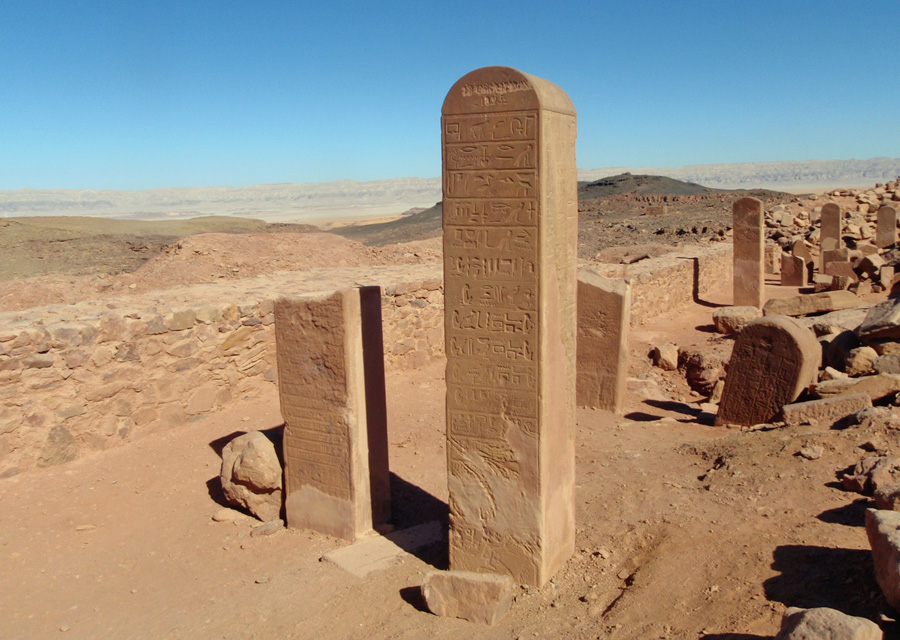
2. The setting was a turquoise mining complex, not a royal archive
The best-known inscriptions were found around Serabit el-Khadim, an Egyptian mining site in the Sinai associated with turquoise extraction and a temple of Hathor. The surviving texts are not arranged like a state document. They appear on rocks, statues, sphinxes, and mining-related surfaces, often amid much more numerous Egyptian inscriptions.
That setting changes the tone of the evidence. Instead of courtly ideology, the material suggests labor, movement, devotion, and daily strain. The Exodus story is often read through kings and plagues; these inscriptions draw attention to workers, overseers, roads, shrines, and a harsh extractive environment where Semitic-speaking populations left marks of their own.
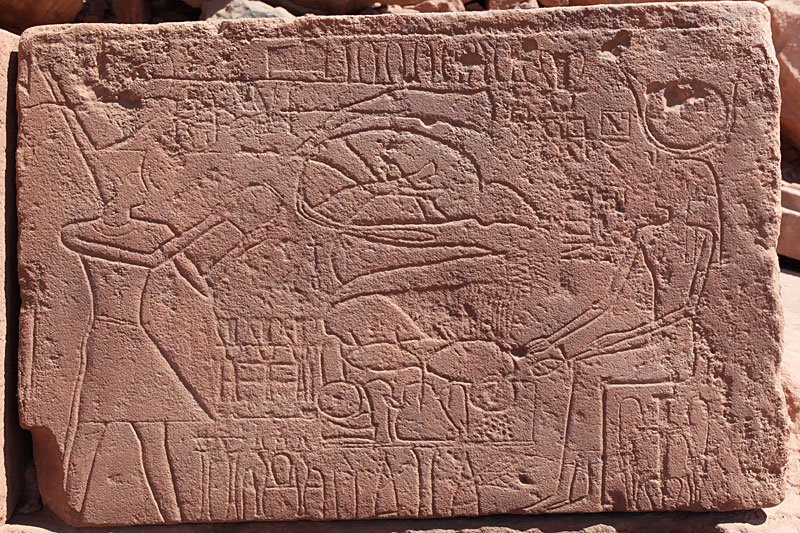
3. They preserve a Semitic voice inside an Egyptian religious landscape
Serabit el-Khadim was closely tied to Hathor, the Egyptian goddess honored there as “Lady of Turquoise.” Yet early decipherment also identified repeated Semitic religious language, including the term “to Ba‘alat”, a title meaning “the Lady,” likely referring to Hathor through a Semitic lens.
That blending matters. The inscriptions suggest that Semitic workers did not stand outside Egyptian religion in a simple way; they adapted, translated, and renamed sacred figures within a mixed frontier world. For readers of Exodus, this complicates any neat separation between Israelites and Egyptians and instead points to prolonged contact, borrowing, and tension.
4. The alphabet itself may have emerged from cultural translation
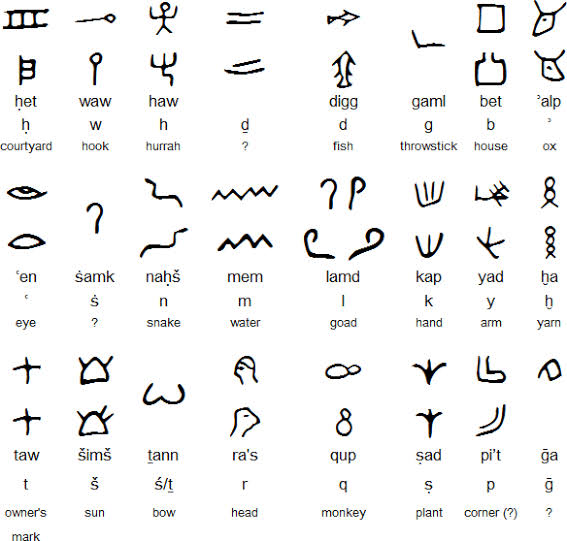
One of the strongest scholarly themes around Proto-Sinaitic writing is that Semitic speakers repurposed Egyptian signs for their own sounds. A picture of a house could represent the first sound of the Semitic word for house; an ox head could do the same for the Semitic word for ox. This acrophonic principle is one reason these inscriptions are often treated as foundational to later alphabetic systems.
In practical terms, the Sinai inscriptions are not only relevant to biblical history. They are relevant to the history of reading itself. If the earliest alphabet grew out of Semitic-speaking communities interacting with Egyptian imagery, then the world behind Exodus was also part of the world that helped produce the writing system later used across the eastern Mediterranean.
5. The “Moses” readings are attention-grabbing because they claim authorship, not just mention
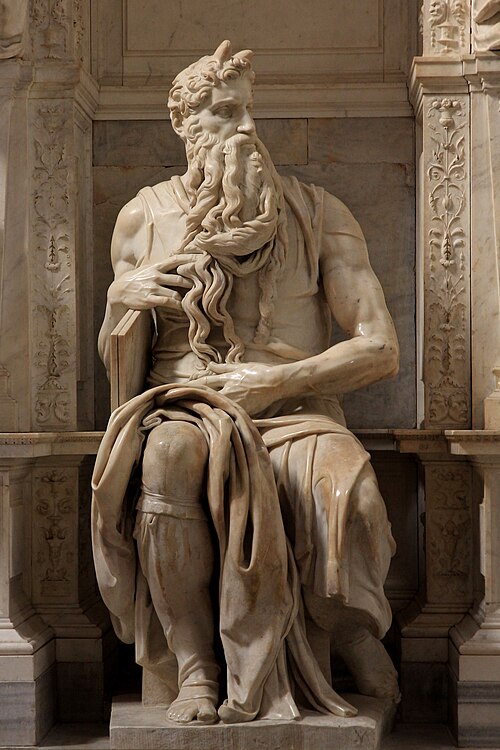
Israeli researcher Michael Bar-Ron has argued that several inscriptions include phrases rendered as “This is from Moses” and “A saying of Moses.” His proposal focuses especially on inscriptions labeled Sinai 357 and Sinai 361, with related markings near other texts.
This is why the claim drew so much notice. It does not merely suggest a name buried in damaged signs; it proposes something like a tag or signature associated with a voice. If that reading were ever broadly accepted, it would affect how readers imagine Exodus not simply as a later literary memory, but as a tradition with possible roots in a much earlier textual habit. At present, though, that interpretation remains contested rather than settled.
6. The debate shows how hard these inscriptions are to read
The corpus is small, fragmentary, and notoriously difficult. Direction of reading is not always obvious. Some texts are damaged. Some signs can resemble multiple forms. That is why the same inscription can support sharply different interpretations depending on method.
Supporters of Bar-Ron’s work have described it as careful and self-critical. Critics have been direct as well. Egyptologist Thomas Schneider called the claims “completely unproven and misleading”, arguing that arbitrary letter identifications can distort the past. The larger point is not only about Moses; it is about method. The Exodus conversation is being pushed away from simple proof-seeking and toward the technical realities of epigraphy.
7. The inscriptions highlight Semitic workers as historical actors, not background figures
Early scholarship already recognized that Semitic-speaking populations were present in and around these mining expeditions. Flinders Petrie even argued that the finds undermined the idea that such groups lacked writing. In his 1906 reflection, he described “common Syrian labourers” as people who were “familiar with writing.”
That observation remains powerful. Whether the writers were miners, administrators, caravan personnel, or ritual participants, the inscriptions place non-elite Semitic communities into the written record. For Exodus readers, that means the background to the story no longer depends solely on later biblical composition or Egyptian royal texts. It also includes rough, local writing from people closer to labor than to throne rooms.
8. They shift the Exodus discussion from proof to environment
The most useful contribution of the Sinai inscriptions may be their setting rather than any single dramatic reading. They reveal a world of mines, desert routes, mixed populations, overlapping deities, and emerging literacy. That environment does not reproduce the Book of Exodus line by line, but it does supply a plausible cultural backdrop for traditions about bondage, leadership, divine allegiance, and departure.

In that sense, the inscriptions challenge reading habits more than they settle arguments. They encourage a slower approach one that sees Exodus not only as a text to verify or dismiss, but as a memory rooted in a complex frontier between Egyptian power and Semitic experience. The Sinai inscriptions remain brief, battered, and unresolved. That uncertainty is part of their force.
They do not close the case on Moses or the Exodus. They do, however, keep opening an older and more demanding question: what happens when one of history’s most influential stories is read beside the first fragile scratches of an alphabet in the desert?