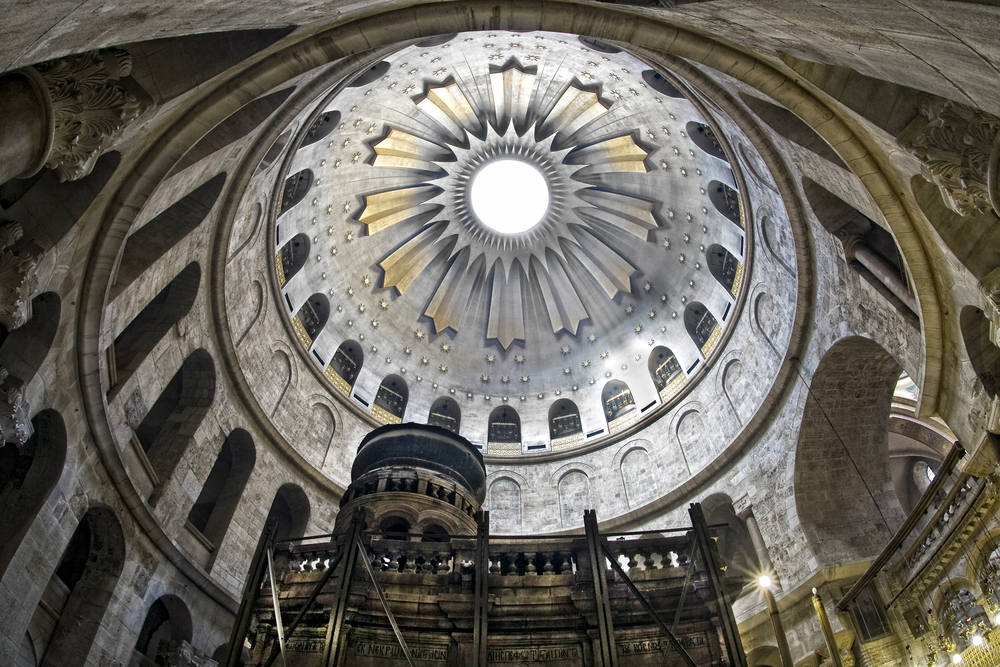
Beneath one of Christianity’s most visited shrines, the ground has been keeping a quieter story than the stone above it. Recent excavation work under the Church of the Holy Sepulchre has revealed not a single dramatic object, but a sequence of clues that together sharpen the historical landscape around one of the faith’s most revered places.
The appeal of the discovery lies in its texture. Seeds, pollen, walls, quarry cuts, burial traces, and later rebuilding phases now sit in the same frame, allowing archaeologists to describe how this corner of Jerusalem changed over centuries. What emerges is less a tidy proof than a layered portrait of place, memory, and devotion.
1. An ancient garden appears to have stood near the tomb
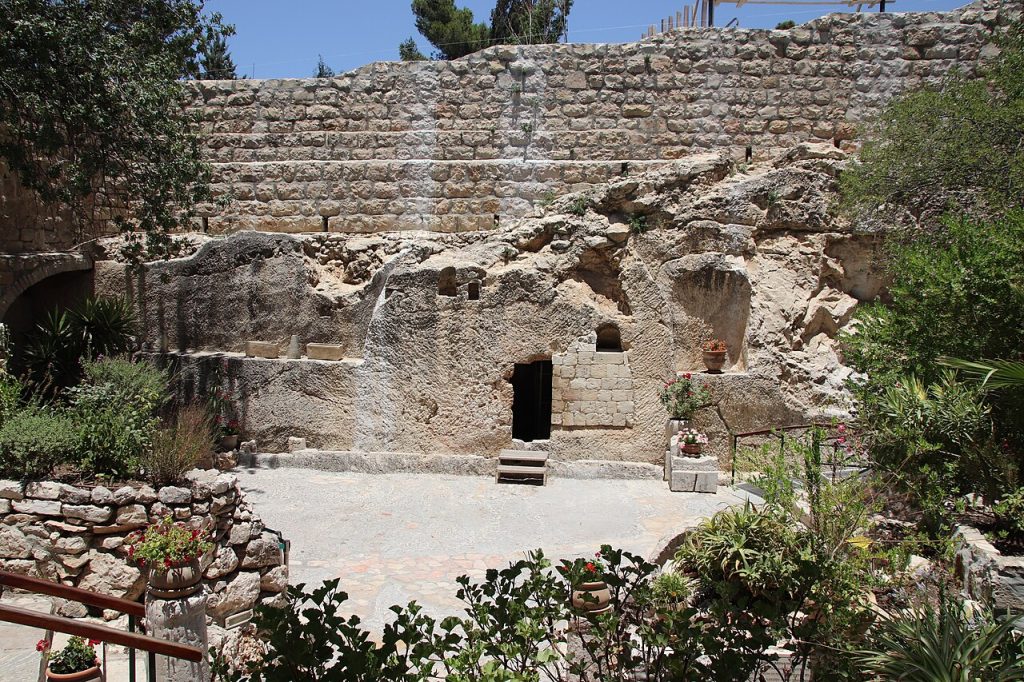
The most attention has fallen on evidence of cultivation beneath the church floor. Archaeologists identified traces of olive trees, grapevines, and other plant remains, supporting the idea that this area was once worked as agricultural ground before the church existed. That matters because the Gospel of John places Jesus’ burial in a garden beside the crucifixion site.
Professor Francesca Romana Stasolla said, “The archaeobotanical findings have been especially interesting for us, in light of what is mentioned in the Gospel of John.” She added, “The Gospel mentions a green area between the Calvary and the tomb, and we identified these cultivated fields.” The plant evidence includes grains, grapes, and figs, which gives the site a more vivid environmental history than stone architecture alone could provide.
2. Tiny botanical remains are doing unusually heavy historical work
This excavation has highlighted the value of archaeobotany, the study of ancient plant traces preserved in soil. At a site where large-scale digging is limited, pollen, seeds, and microscopic residues can recover the outline of a lost landscape with remarkable precision.
Instead of relying only on walls or carved tombs, researchers are reading the ground itself. That approach helps explain how an apparently small find can carry such weight. A few remnants of cultivation can reveal how land was used, whether it was managed, and how closely the terrain fits long-circulating descriptions of the area.
3. The sacred site began as an Iron Age quarry
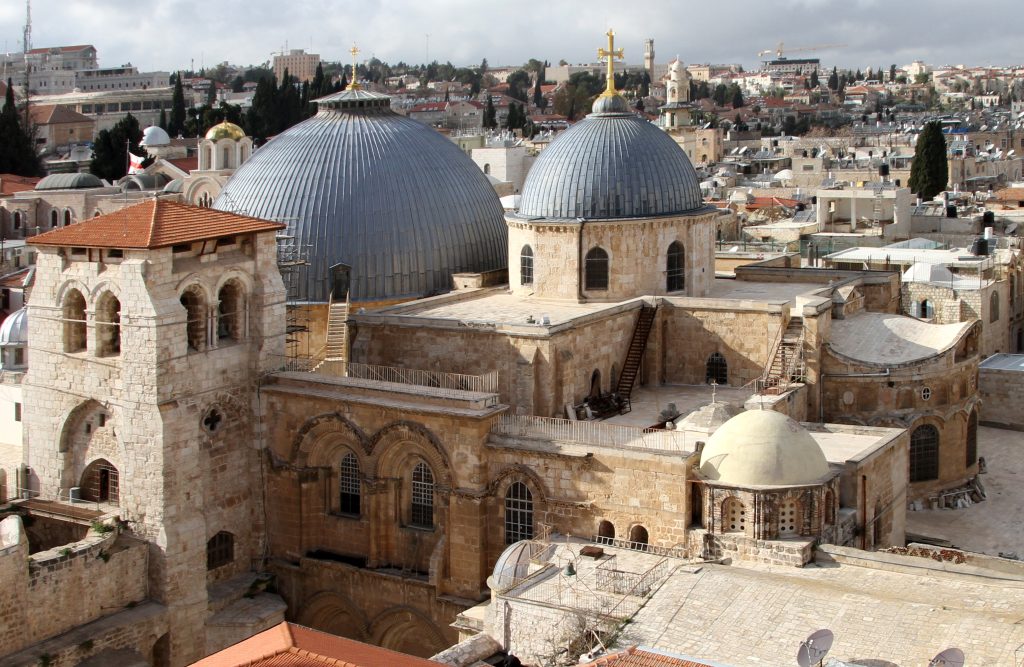
Long before pilgrims arrived, the ground beneath the Holy Sepulchre served a practical purpose. Excavations have confirmed an Iron Age quarry below the later church, dating to a period when stone was extracted for building. Over time, abandoned quarry spaces created the kind of uneven terrain that could later be reused in very different ways.
That shift is central to the site’s story. As quarrying faded, parts of the area were adapted, first for cultivation and then for burials. In archaeological terms, the holiness associated with the site did not begin in an empty vacuum; it emerged atop a landscape already marked by labor, reuse, and change.
4. The terrain later became a burial zone with rock-cut tombs
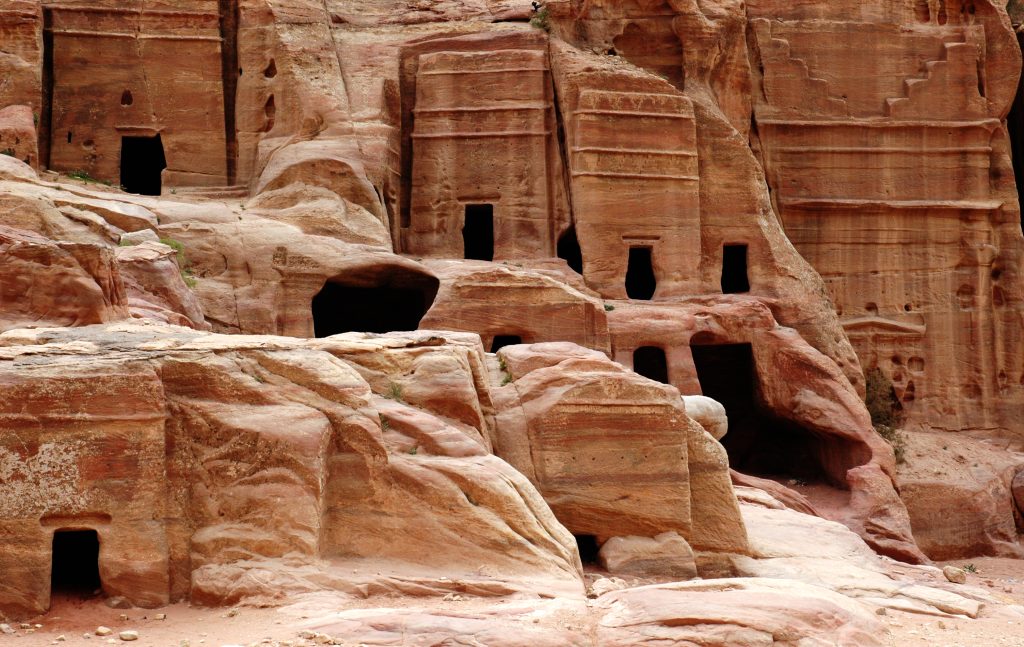
By the period associated with Jesus, the former quarry appears to have functioned as a necropolis outside the city walls. Stasolla described tombs cut into the rock at different levels, which fits the kind of landscape expected on Jerusalem’s margins in antiquity.
That detail is important because it places the tomb tradition in a plausible physical setting. A garden and a burial area are not contradictory here. In fact, the evidence suggests they may have overlapped within the same evolving zone, with cultivated plots and tomb spaces existing in close proximity.
5. Modern technology is rebuilding what archaeologists cannot fully expose
The church remains an active religious space, so excavation has proceeded in sections rather than as one open trench. That limitation could have left the site fragmented, but digital methods are helping researchers connect the pieces.
Stasolla said, “Although we have not been able to view the whole excavated church at once, new technology is enabling us to rebuild the larger picture in our laboratories.” Supporting work has included ground penetrating radar surveys that mapped buried walls, cavities, paving, and soil conditions in three-dimensional reconstructions. The result is a more complete view of the underground architecture without forcing the church into a fully invasive dig.
6. Restoration made the excavation possible at last
The dig did not happen simply because archaeologists wanted access. It became possible when long-planned restoration of the church floor opened a narrow practical window for scientific work. The current excavation began in 2022 after the communities responsible for the church agreed to proceed with renovation and allow archaeology beneath the flooring.
That timing matters because access to the site is exceptionally difficult. The church is not a ruin standing apart from public life; it is a living sanctuary shaped by worship, ceremony, and shared custodianship.
7. Cooperation between Christian communities is part of the story
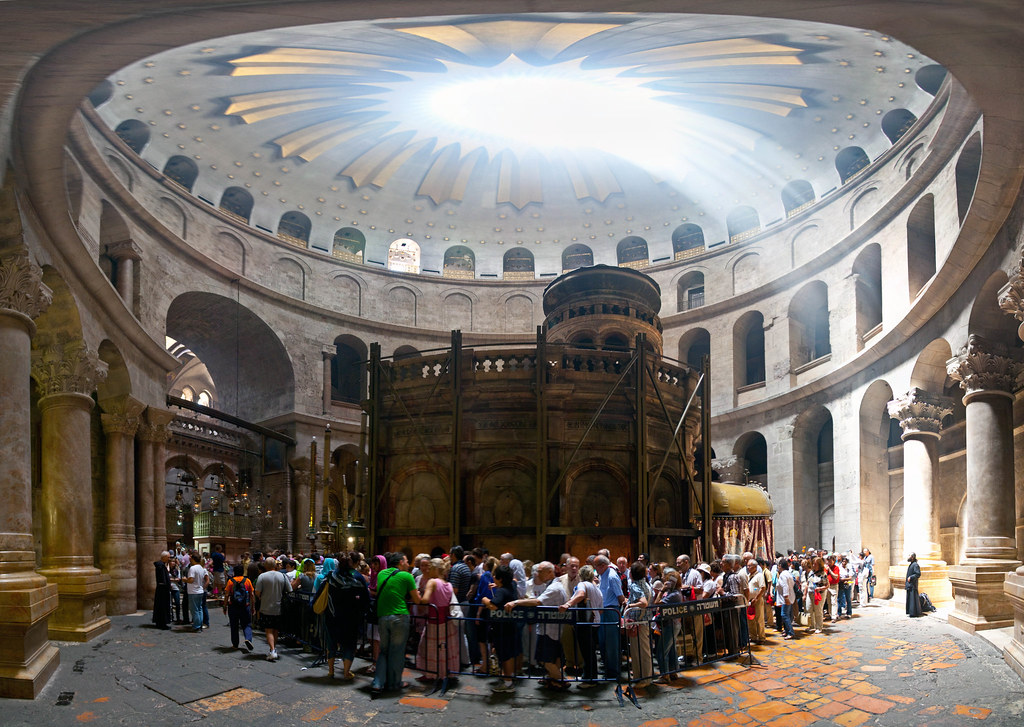
The Holy Sepulchre is jointly overseen by three major Christian custodians, and their consent governs what can be changed, repaired, or studied. The excavation therefore reflects not only scientific planning but also an unusual degree of coordination inside one of the world’s most sensitive religious spaces.
This is one reason the findings carry cultural weight beyond archaeology. They were uncovered through a process that required religious coexistence, technical patience, and a willingness to let the floor of a sacred place become a historical archive.
8. The site may preserve traces of Constantine’s earliest monument
Excavators have also identified signs of earlier structural phases beneath the present shrine, including remains linked to the monumentalization of the tomb in late antiquity. Reference reporting notes that beneath the edicule, archaeologists identified foundations of an earlier circular monument, possibly connected to Constantine’s fourth-century commemoration of the site.
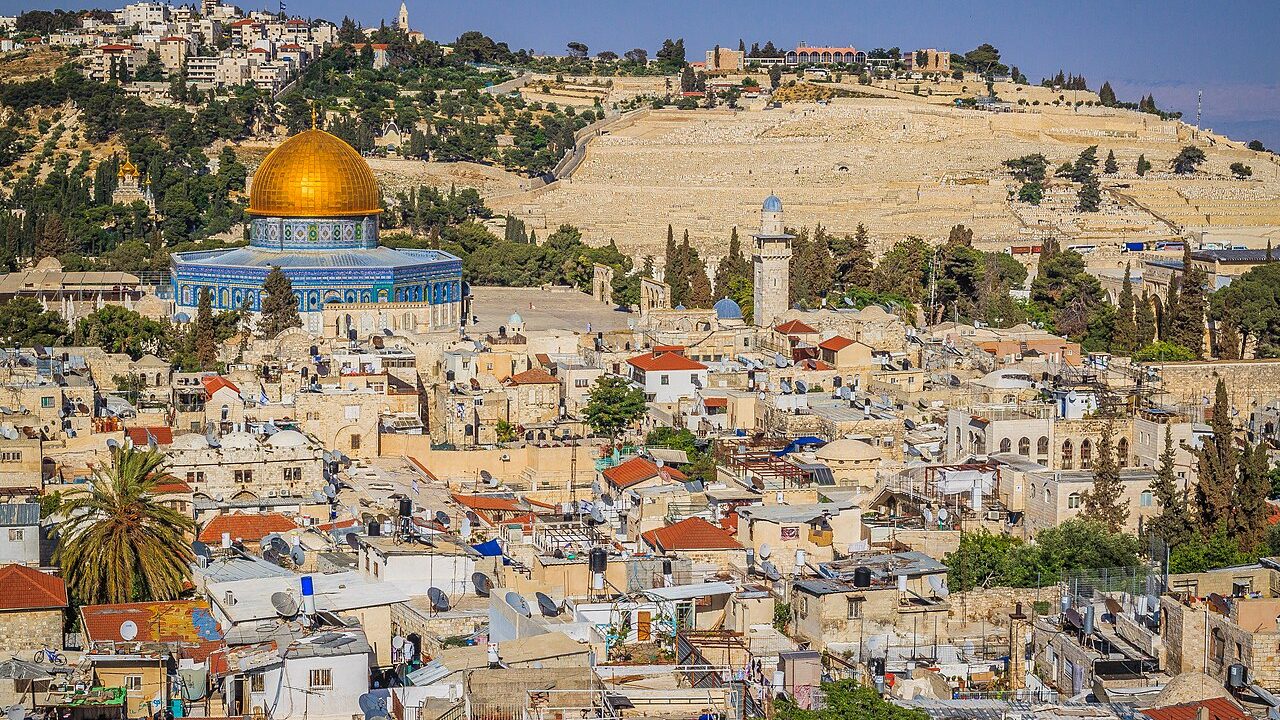
That matters because the church seen today is the product of repeated destruction, rebuilding, and redesign. The deeper structural layers help show how the tomb area was progressively isolated, marked, and transformed into a destination for Christian devotion. The excavation has not settled every question surrounding Christ’s tomb, and the full analysis of artifacts will take years. Even so, the emerging picture is already significant: a former quarry became cultivated ground, then a burial landscape, then a monumental church, all within one tightly compressed piece of Jerusalem.
Stasolla offered the clearest measure of what has been uncovered: “The real treasure we are revealing is the history of the people who made this site what it is by expressing their faith here.” In that sense, the new finds matter not only because they touch a biblical tradition, but because they show how land, ritual, and memory can remain legible long after the original landscape disappears from view.