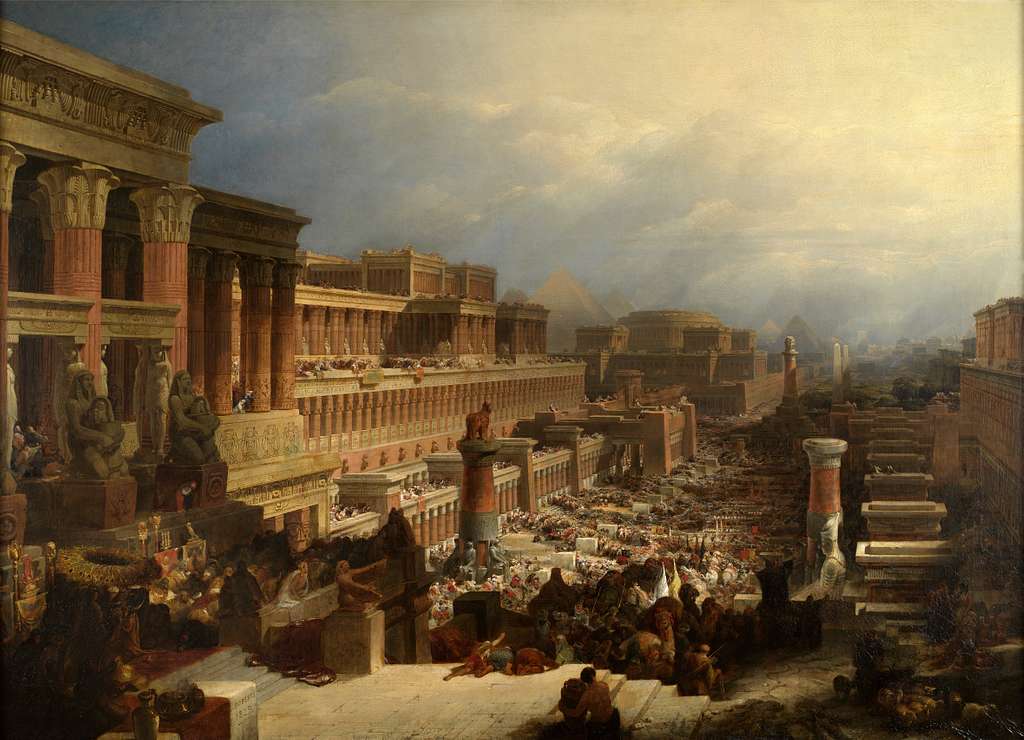
The Exodus remains one of the most disputed stories tied to the ancient Near East, not because Egyptian material is absent, but because the evidence arrives in fragments. Inscriptions, place-names, literary reversals, and cultural traces do not behave like a single courtroom exhibit. They sit across centuries, formats, and political agendas, which is exactly why historians keep returning to them.
Most specialists do not treat the biblical narrative as a literal transcript of events. Even so, the long debate has never ended, in part because Egyptian records preserve details that are difficult to dismiss as random overlap. These clues do not settle the question. They explain why the question stays alive.
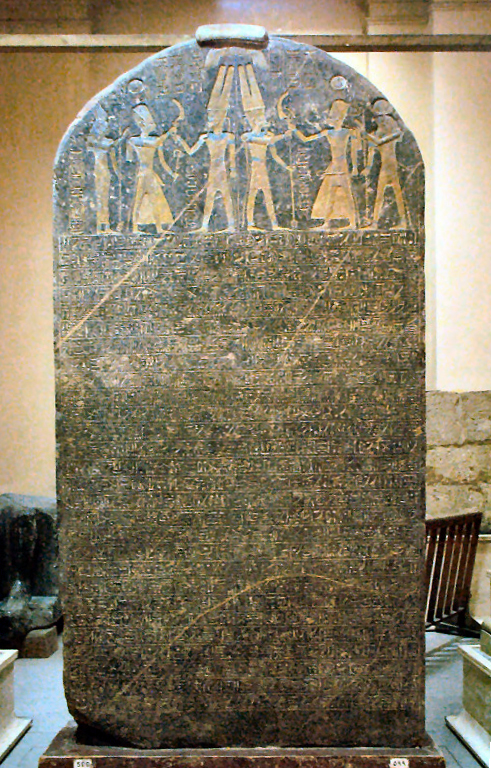
1. The Merneptah Stele places Israel in Canaan earlier than many simplified objections allow
One of the firmest external data points is the Merneptah Stele dated to about 1219 B.C.E. The famous line reads, “Israel is wasted, its seed is not.” What matters most to historians is not only the name itself, but the way the inscription classifies it. In Egyptian writing, Israel is marked as a people-group rather than a city-state.
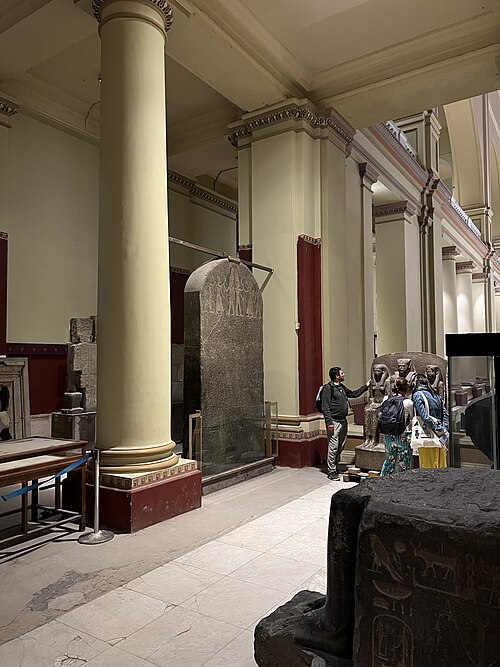
That means a recognizable population called Israel was already in Canaan by the late 13th century B.C.E., forcing any serious discussion to account for how that identity formed and when.
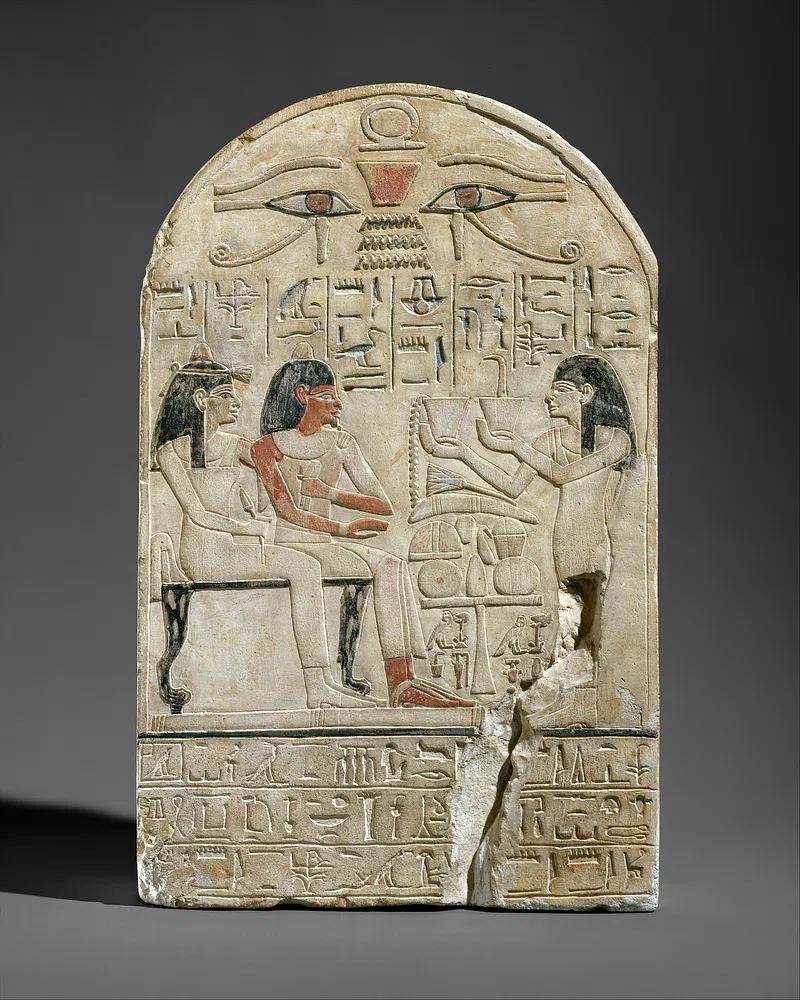
2. Egyptian counter-stories still preserve a leader linked to expulsion and the name Moses
Later writers transmitting Egyptian traditions, especially through Josephus, preserve the striking figure of Osarseph, a priest who later becomes Moses. The tone is hostile rather than heroic, which is part of the reason scholars keep discussing it. An Egyptian tradition that depicts an expelled and dangerous group is not retelling liberation, yet it still circles around removal from Egypt, social disorder, and a named leader connected to Moses. That does not make the story straightforward history. It does show that memory of expulsion could survive in reverse form.
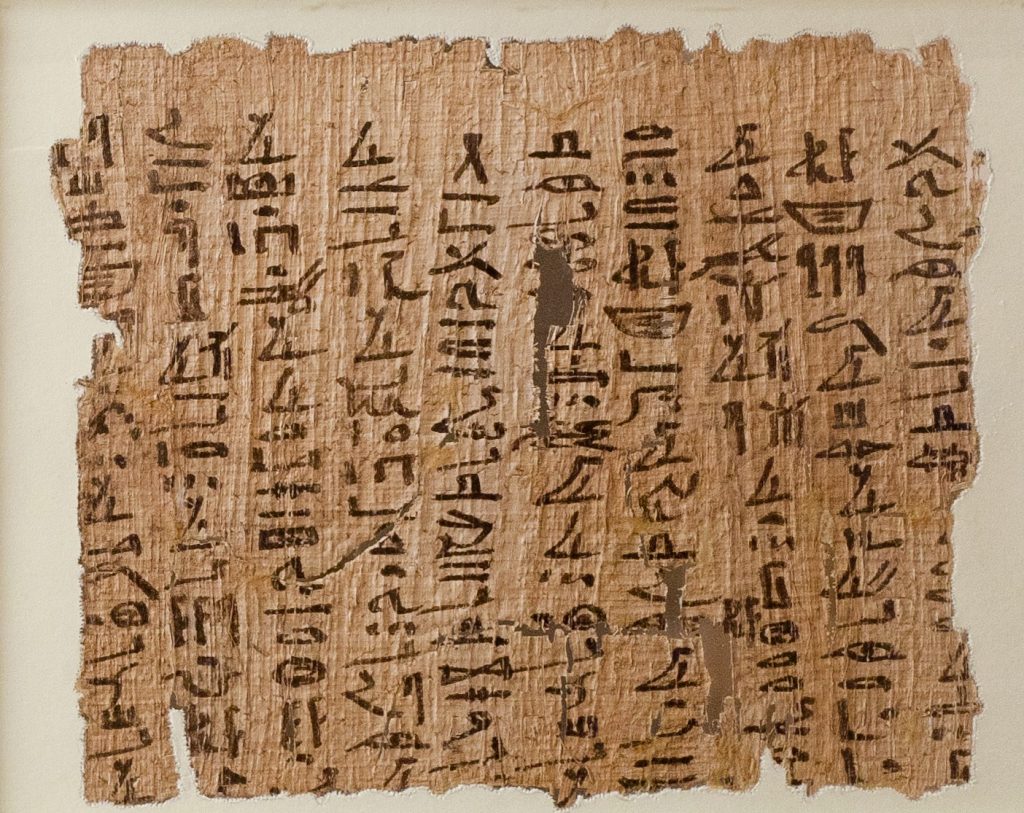
3. The Great Harris Papyrus preserves an Egyptian memory of internal collapse and foreign-backed disorder
The Great Harris Papyrus is best known as a long royal text tied to Ramesses III, but its historical section matters here for another reason. It describes Egypt looking back on a period of upheaval, fractured authority, and outsiders linked to northeastern regions. The document is openly royal and idealized, so historians do not read it as neutral reporting. Still, it proves that Egyptian scribes could preserve memories of civil conflict, failed rule, and the expulsion of rival factions. For Exodus debates, that broader political template matters because it shows that Egyptian literature had room for exactly the kinds of traumatic transitions later traditions often reshape.
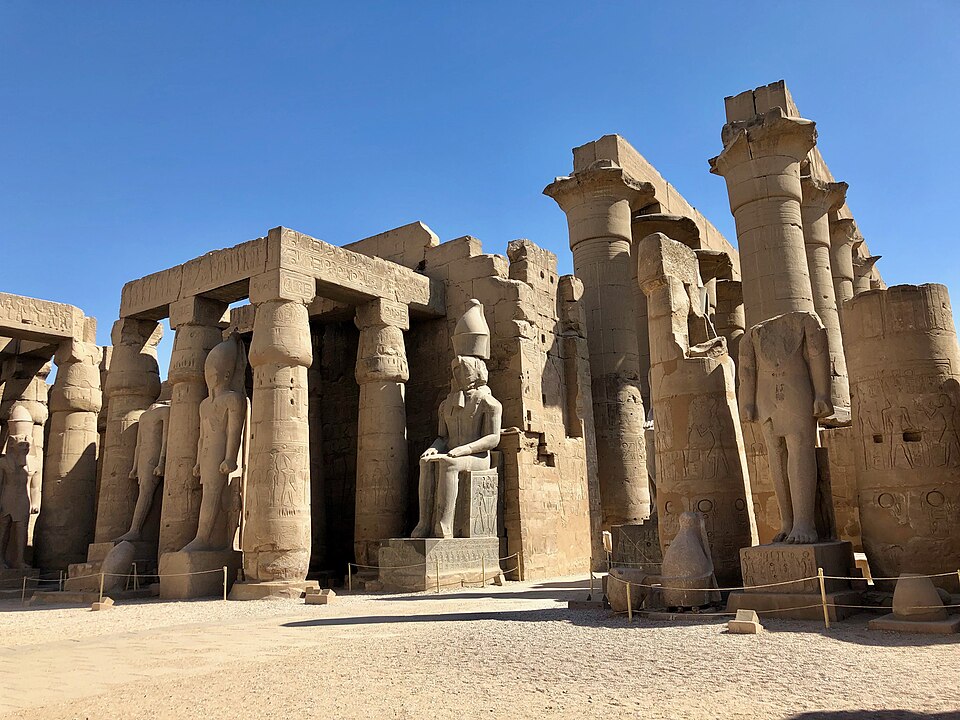
4. Ramesside place-names in the biblical tradition are harder to wave away than they appear
The names Pithom, Ramses, and Yam Suph have long drawn attention because they align closely with Egyptian toponyms used together in the Ramesside period. That cluster suggests the tradition retained a memory of a very specific geographical setting rather than a vague Egyptian backdrop. Place-names are often more durable than speeches and less likely to be invented accurately generations later without some underlying contact with the landscape.

5. A four-room house in Egypt complicates neat cultural boundaries
Archaeologists have noted a four-room house plan in western Thebes, a design more commonly associated with early Israelite settlement in Canaan. A house plan cannot announce ethnicity by itself, and no careful historian treats it as proof of Exodus. Even so, the find matters because it appears in Egypt during a time when Semitic-speaking populations are well attested there. The result is not certainty, but friction: cultural forms often assumed to belong only on one side of the border appear on the other.
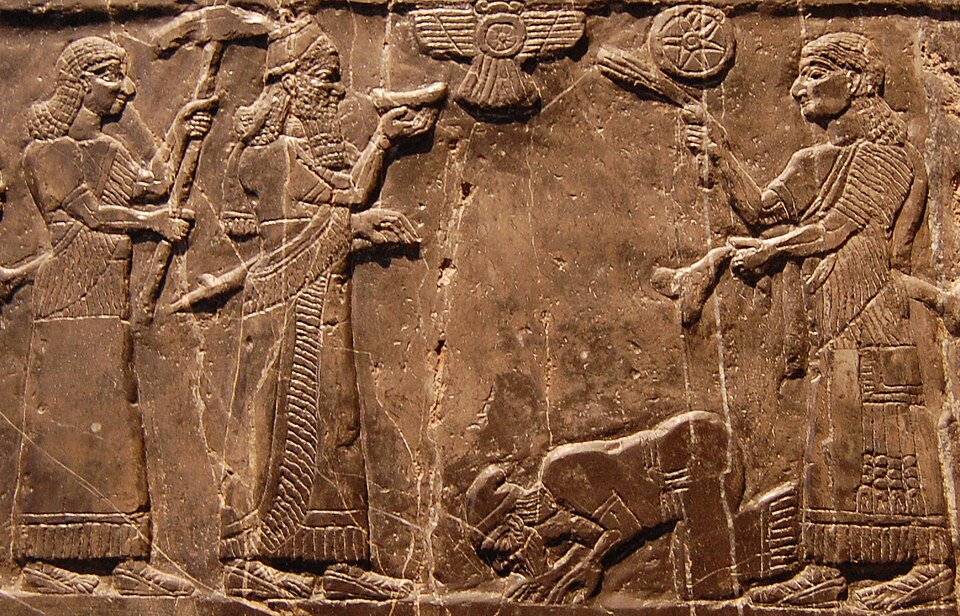
6. Egyptian names among Levites keep the smaller-migration theory in play
Some historians no longer focus on a mass migration matching the biblical census numbers and instead consider a narrower movement of people later absorbed into Israel. That model draws attention to Egyptian-derived names among Levites, along with comparisons between the Tabernacle’s portable layout and Egyptian tent traditions. Early biblical poetry adds to the puzzle: some of the oldest songs do not present all Israel in a uniform way, and Levi can appear oddly positioned in relation to the wider tribal picture. The cumulative suggestion is not that an entire nation marched out in one recoverable event, but that a priestly or leadership group with Egyptian ties may have carried a formative memory into Israel’s identity.
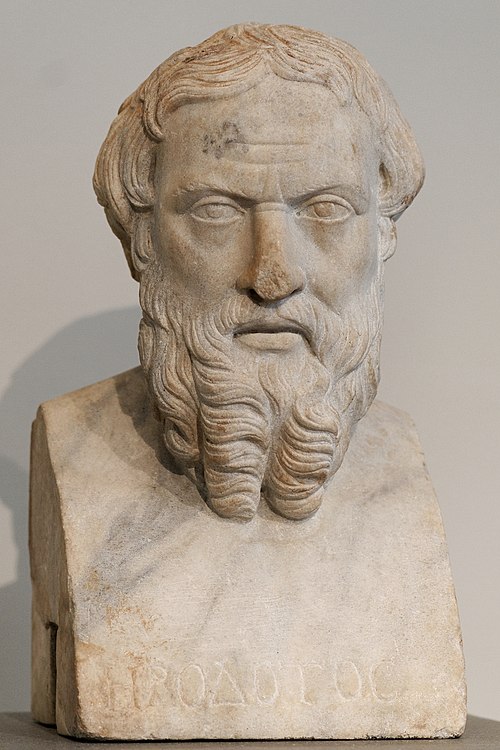
7. Even skeptical scholarship keeps returning to the same Egyptian pressure points
Modern Egyptologists have disagreed sharply for more than a century, yet the same pieces recur: Semitic populations in Egypt, brickmaking labor, eastern Delta geography, the Merneptah reference, and the difficulty of matching biblical chronology to Egyptian reigns. Some have treated the Exodus as a layered cultural memory rather than a literal record. Others have argued for a historical core behind the tradition. What remains notable is that debate persists not because evidence is abundant and simple, but because the surviving clues are stubborn enough to resist easy dismissal.
The enduring issue is scale. Historians continue to debate whether the background was a migration, an expulsion, a civil-war episode, a priestly memory, or a fusion of several events. That unresolved status is precisely why skepticism has limits. Egyptian clues do not deliver a final verdict, but they do keep the Exodus discussion anchored in real texts, real places, and real historical tensions that scholars still have not finished sorting out.