
For much of Hollywood history, fame came with an unwritten condition: fit the fantasy, or risk losing the future. The industry sold romance, masculinity, and stardom as tightly managed products, and for many queer actors, that system left very little room to live openly without consequences.
What emerged was not always a formal blacklist with a memo and a stamp. More often, it looked like vanished auditions, withdrawn roles, “image” concerns, and career pivots that arrived just as an actor’s personal life became harder to hide. In the studio era, the pressure could include lavender marriages and morality clauses; in later decades, it became a quieter but still potent casting bias.
1. Rupert Everett
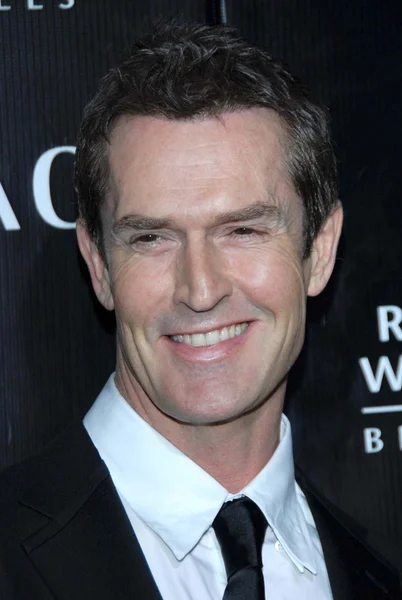
Rupert Everett appeared poised for a bigger mainstream run after My Best Friend’s Wedding, but he later said the momentum did not hold for reasons that had little to do with talent. Everett has stated that studios blocked him from several major roles because he was openly gay, even when directors wanted him. He described Hollywood as aggressively straight, a phrase that captured the old expectation that leading men must remain legible inside a narrow fantasy. As studio roles thinned out, he shifted toward writing and European productions, building a different career than the one many assumed was next.
2. Matt Bomer
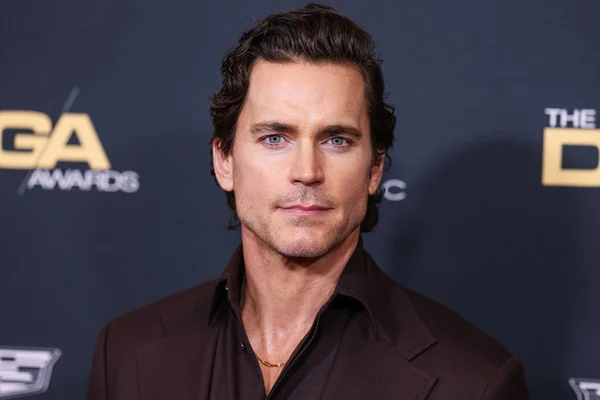
Matt Bomer has spoken candidly about losing the chance to play Superman in the early 2000s. He said he had signed a three-picture deal with Warner Bros. and was the director’s choice for the role, only for the opportunity to disappear after producers learned he was gay before he had publicly come out. The loss carried a second blow: he had already been written off Guiding Light to make room for the film. Bomer later said personal identity could be weaponized in casting conversations during that period, a revealing phrase because it turns a supposedly private detail into an industry gatekeeping tool.
3. Colton Haynes
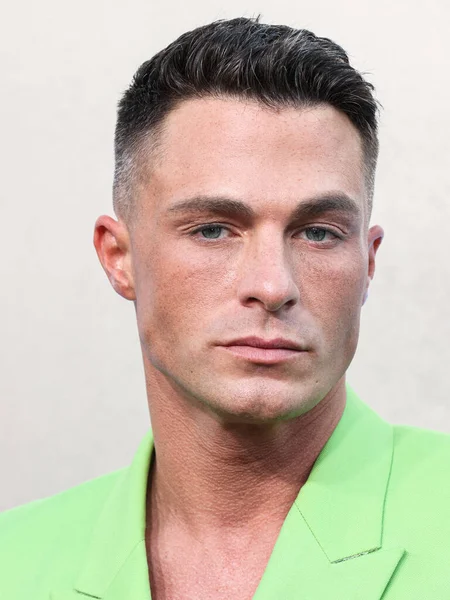
Before Colton Haynes publicly came out in 2016, he had already described years of pressure to suppress anything that might be read as “too gay” for a leading role. He said representatives critiqued his mannerisms and presentation, treating identity as a branding problem. After he came out, Haynes said the work began to dry up. That pattern gave his later memoir extra force, because it framed the issue not as vague discomfort but as a career shift that followed a personal disclosure.
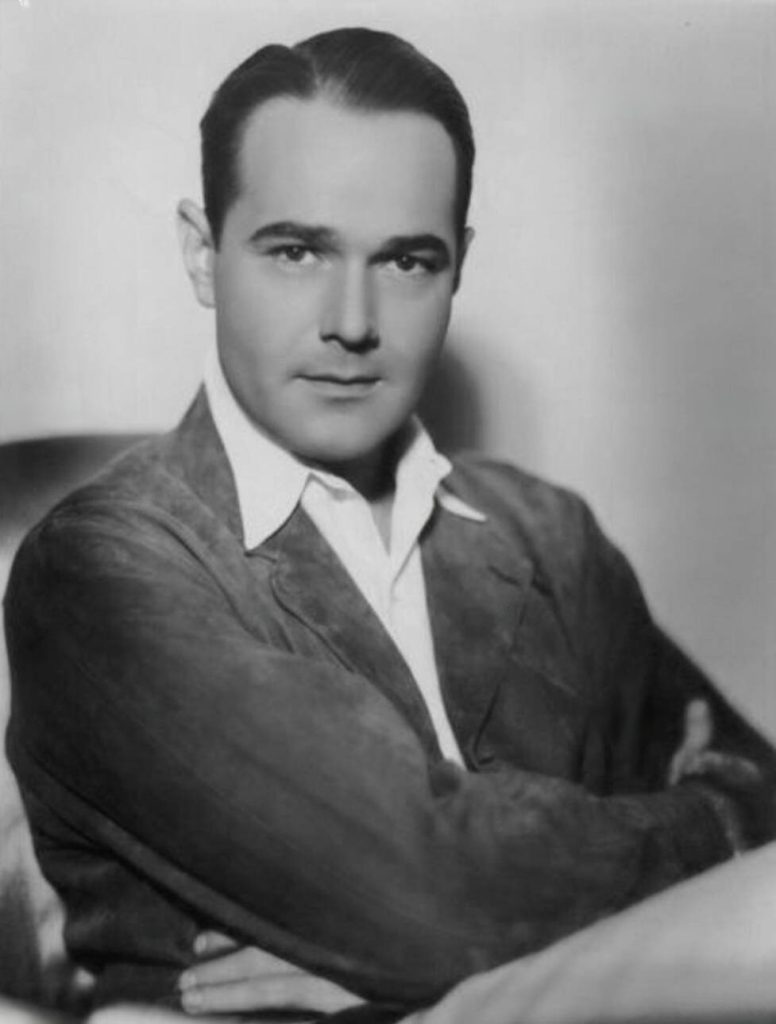
4. William Haines
William Haines remains one of the clearest early examples of Hollywood punishing a star for refusing to edit his personal life. At MGM, he was one of the biggest male stars of the late silent era, yet his film career collapsed after studio head Louis B. Mayer reportedly demanded that he hide his relationship with Jimmy Shields by entering a sham marriage. Haines refused. The pressure reflected a broader studio-era system shaped by moral clauses and strict image control, where queerness was treated as a threat to public profitability. Haines lost his place in the major studio system, but the story did not end there. He went on to build a highly successful second act as an interior designer for Hollywood’s elite, which makes his story feel less like disappearance than defiance.
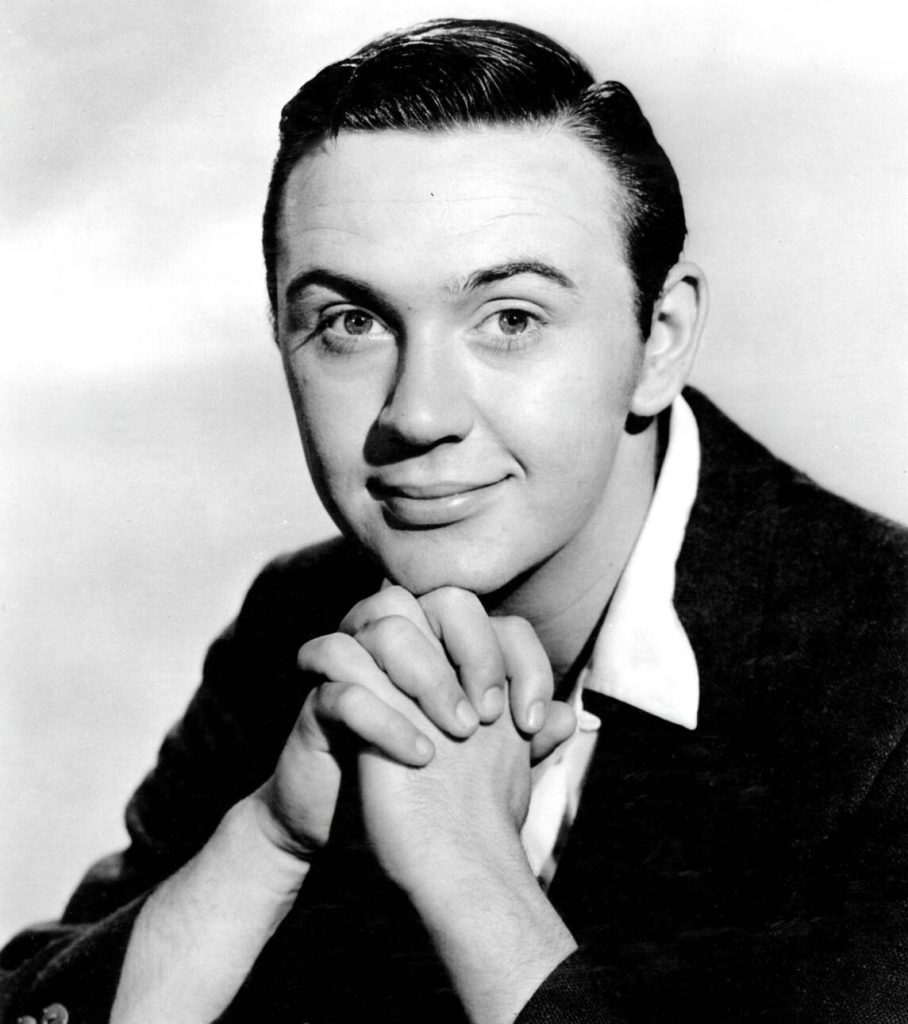
5. Tommy Kirk
Tommy Kirk’s career turn was especially harsh because it arrived after Disney had already made him one of its recognizable young faces. Known for films such as Old Yeller and The Shaggy Dog, Kirk saw his relationship with the studio unravel after his orientation became known. He was briefly brought back, but the old trajectory never returned. His later comments made clear how painful it was to be dropped by the same machine that had helped create his stardom.
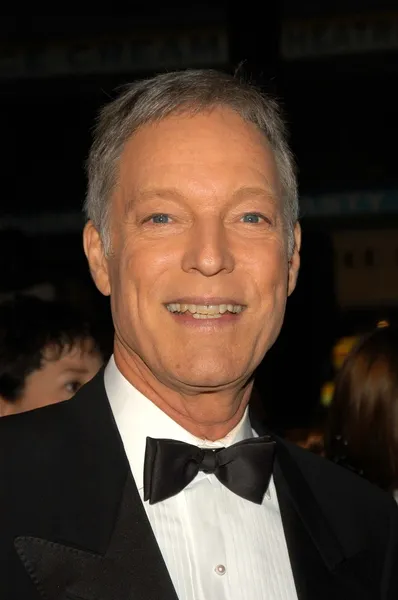
6. Richard Chamberlain
Richard Chamberlain spent decades understanding exactly how the system worked. As the polished star of Dr. Kildare and later The Thorn Birds, he knew the romantic-lead image came with rigid rules. Even after coming out in 2003, he warned younger actors that prejudice in casting had not disappeared. His point was not abstract. Openly gay actors were still often funneled toward narrower character types rather than the full range of leading roles they might otherwise have pursued.
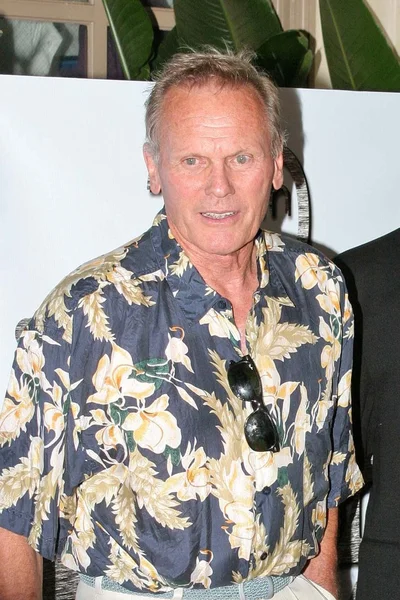
7. Tab Hunter
Tab Hunter was built into an all-American idol, which made any challenge to that image commercially dangerous. After details of his earlier arrest at a party with other gay men surfaced in a tabloid, Warner Bros. moved to protect his marketable persona by staging a public romance with Natalie Wood. The tactic fit an era when studios routinely curated stars’ personal lives and, in some cases, steered them toward cover relationships. Hunter later described the isolation of living between public adoration and private concealment, a tension that shaped much of old Hollywood’s treatment of queer stars.
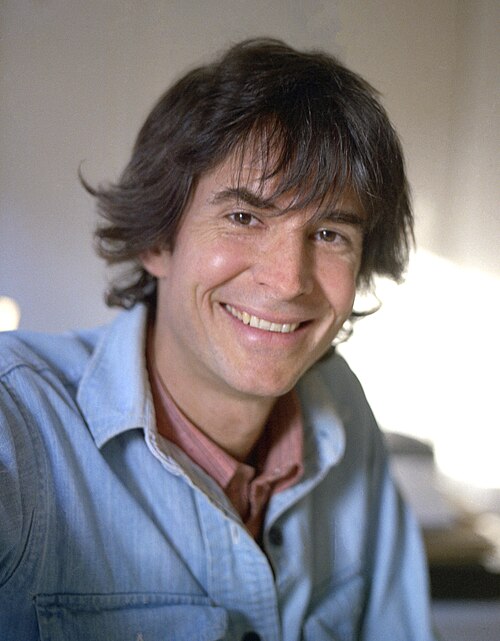
8. Anthony Perkins
Anthony Perkins became permanently associated with Psycho, but his career was also shaped by the pressure surrounding his off-screen identity. Biographical accounts have noted that he underwent attempts at conversion therapy, reflecting how deeply the culture pathologized his personal identity in mid-century America. That climate did not come from Hollywood alone. It overlapped with the broader panic of the Lavender Scare, when his personal identity was widely treated as a liability in public life. Perkins continued to work, yet the industry never fully separated his talent from the anxieties attached to his private life.
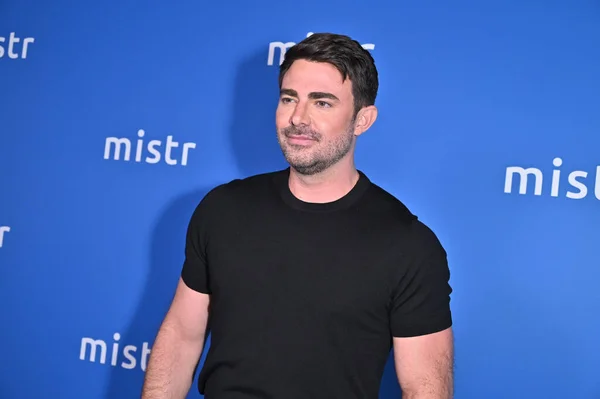
9. Jonathan Bennett
After Mean Girls, Jonathan Bennett had the kind of visibility that often turns into a long run of mainstream romantic leads. Instead, he has said that management encouraged him to stay in the closet to preserve his appeal as a teen heartthrob. Bennett later described being quietly out within the industry while still being passed over for certain opportunities. His path eventually changed direction toward hosting and Hallmark, where he became part of a different chapter in on-screen representation rather than the one earlier Hollywood formulas had mapped out for him.
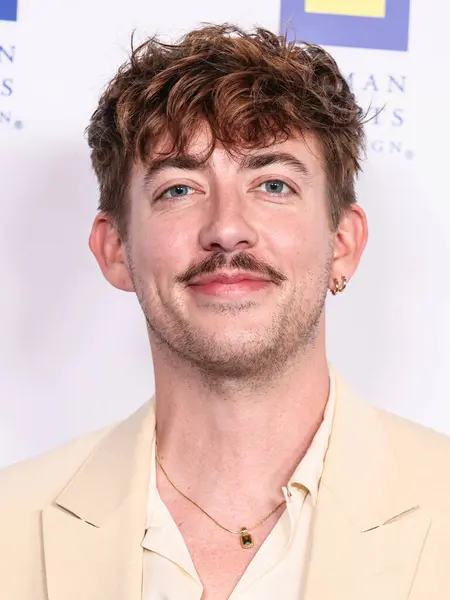
10. Kevin McHale
Kevin McHale’s experience highlights how modern Hollywood can still produce a softer version of exclusion. After Glee, he publicly confirmed he was gay in 2018 and later reflected that his momentum seemed to fade soon after. There was no dramatic public ban, just a familiar entertainment pattern: once a performer stops fitting a preferred commercial mold, calls slow down. McHale’s frustration underscored how invisibility can function as its own form of punishment.
The pattern is the point. In different eras, Hollywood used different tools, from studio contracts and image engineering to quieter casting assumptions, but the effect often looked strikingly similar: fewer chances, narrower roles, and careers forced onto alternate tracks. Some of these actors rebuilt in television, theater, design, writing, or independent film. Their stories reveal how often the industry treated authenticity as a professional risk, long after audiences were ready for something less manufactured.

