
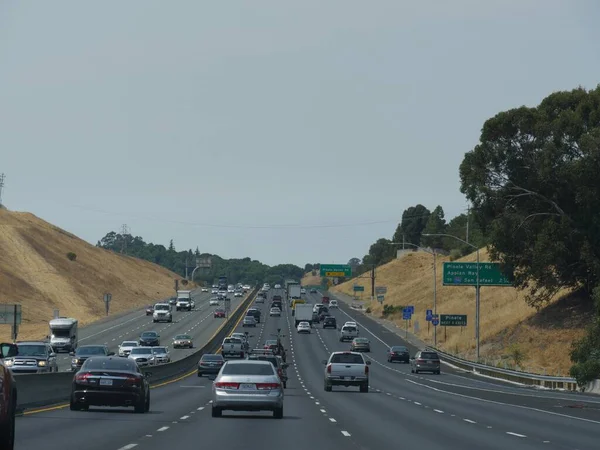
California drivers are heading into 2026 with a rulebook that touches daily habits in surprisingly practical ways. Some changes focus on dangerous behavior behind the wheel, while others affect how people park, buy vehicles, or handle roadside situations. A few updates carry obvious safety stakes. Others are the kind drivers miss until a warning, citation, or paperwork problem turns into an expensive day.

1. Hazard lights now trigger the “slow down, move over” rule
California’s roadside safety law is expanding under Assembly Bill 390. Drivers already had to move over or reduce speed for emergency and certain service vehicles, but the rule now applies to stationary vehicles showing hazard lights or warning devices such as cones and flares. That means a stranded driver on the shoulder gets more legal protection, not just police cars or tow trucks. If a lane change cannot be made safely, motorists are expected to slow to a safe speed before passing.
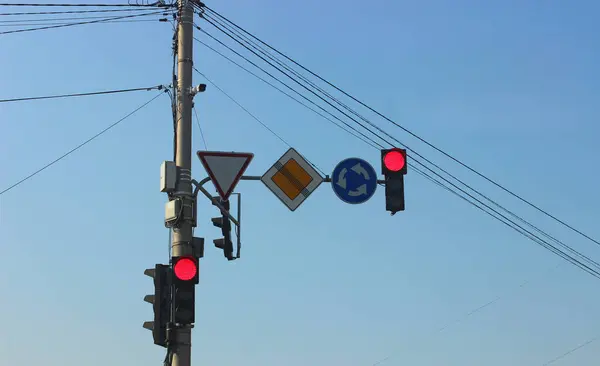
2. Red-light cameras are getting a wider path back
Local governments will have more authority to use automated red-light enforcement under SB 720. The key shift is that citations can be tied to the registered owner through license plate data, rather than relying on direct driver identification. Newly installed systems after Jan. 1, 2026, must start with a 60-day warning period. After that, civil penalties can rise for repeat violations, and the money is designated for traffic-safety uses instead of unrelated budget items.
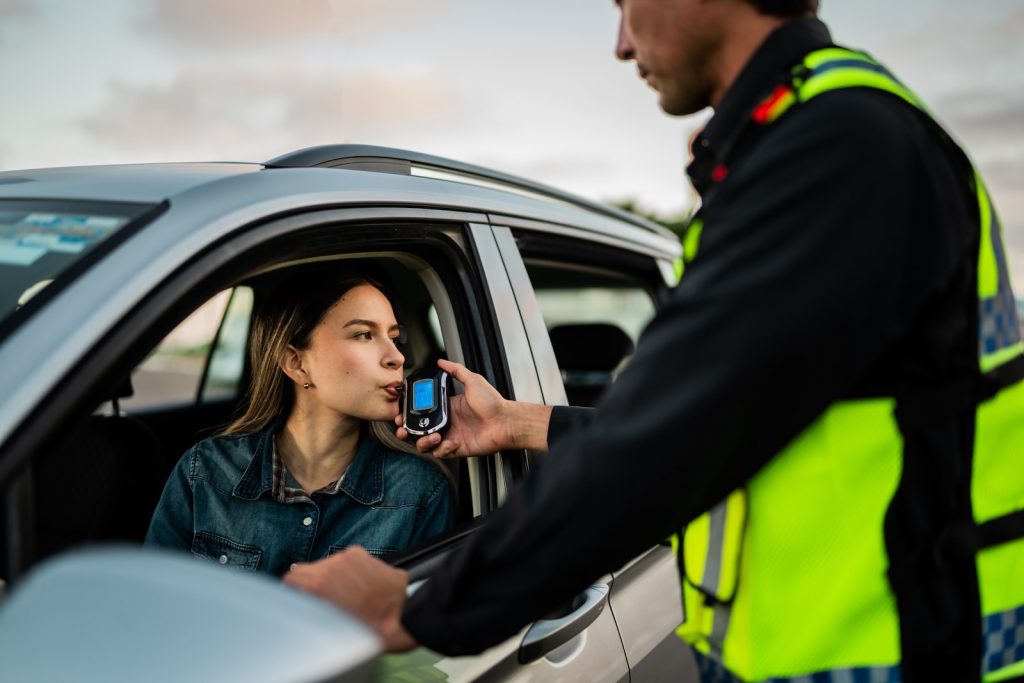
3. DUI-related vehicular manslaughter convictions can bring longer probation
Assembly Bill 1087 lengthens probation for people convicted of vehicular manslaughter or gross vehicular manslaughter while intoxicated. The term moves from two years to three to five years. The practical effect is extended court supervision, with more time for conditions such as treatment compliance, monitoring, and other DUI-related restrictions. It places longer oversight on some of the most serious impaired-driving cases in state law.
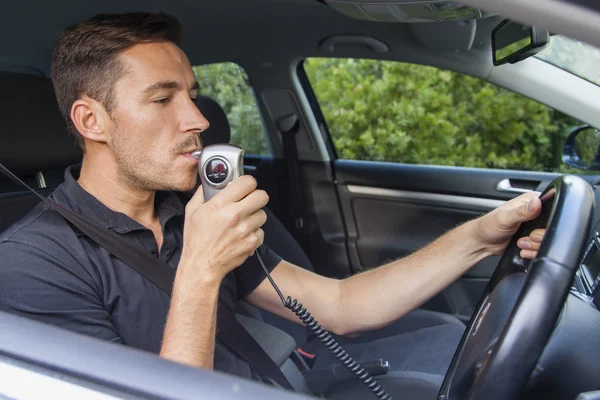
4. Ignition interlock requirements are not ending anytime soon
California’s statewide ignition interlock device program is being extended through Jan. 1, 2033. These devices require a breath sample before a vehicle can start when ordered for qualifying DUI offenders. Assemblywoman Cottie Petrie-Norris said, “AB 366 will preserve our current protections and expand this mandate, ensuring that every individual convicted of a DUI must install an IID.” For affected drivers, that keeps a long-running compliance requirement firmly in place.
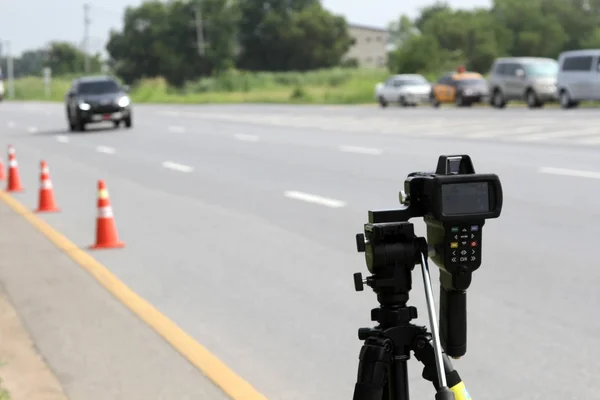
5. License plate covers and flippers face a tougher crackdown
Assembly Bill 1085 takes aim at products designed to block or distort plate visibility, including tinted covers and mechanical flippers. The law sharply increases consequences for manufacturers, with penalties of up to $1,000 per item. The change matters because more enforcement systems now rely on readable plates, from tolling to camera-based traffic enforcement. Drivers are also still exposed to separate penalties for using plate-obscuring devices on the road.
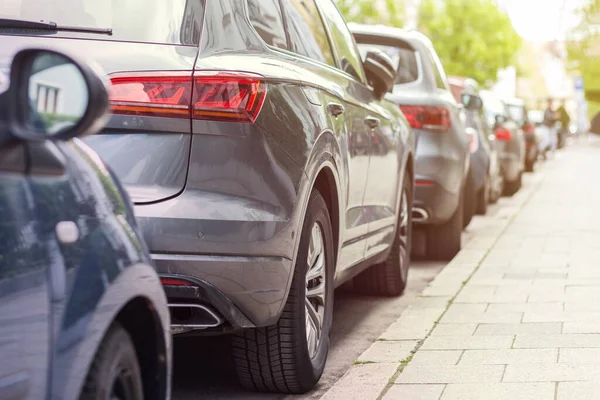
6. Parking fines may become less punishing for low-income drivers
Not every 2026 change is stricter. Under AB 1299, local agencies can reduce or waive parking penalties when someone demonstrates an inability to pay, and payment plans must be offered on request. That can interrupt the cycle in which a single unpaid ticket grows into late fees, towing, or loss of access to a car. For drivers who depend on their vehicle to get to work, this is one of the more practical shifts in the new law package.
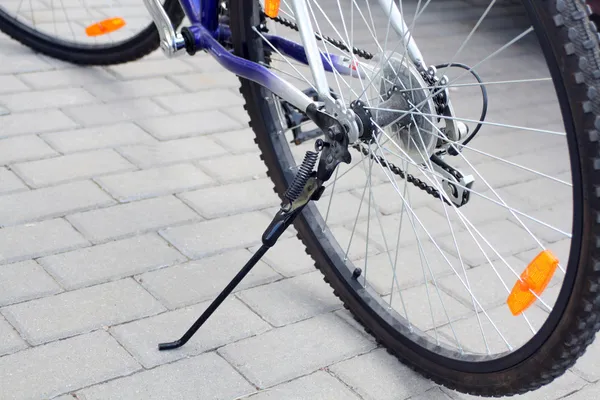
7. E-bikes now need rear visibility equipment at all hours
Electric bicycles must carry a rear red reflector or a red light with a built-in reflector during all hours of operation, not just after dark. That update comes from AB 544. The same measure also lets minors cited for helmet violations complete a CHP-developed online safety course. It turns a basic equipment rule into a broader visibility and education standard for riders who share streets with drivers.
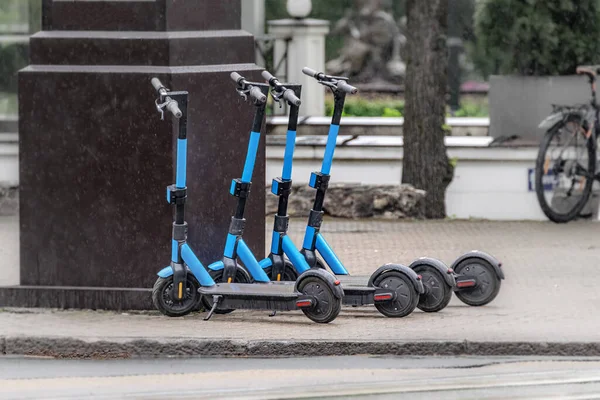
8. Off-road electric motorcycles now fall into a clearer category
SB 586 gives eMotos a formal legal home by classifying them as off-highway motor vehicles. According to CHP guidance, the category covers vehicles built primarily for off-road use, powered by an electric motor, equipped with handlebars, a straddle seat, and not equipped with manufacturer-provided pedals. That brings familiar requirements with it: helmets and DMV-issued identification plates or devices. It also reinforces where these vehicles do and do not belong, limiting confusion about street use.
9. Some abandoned RVs can be removed faster in two counties
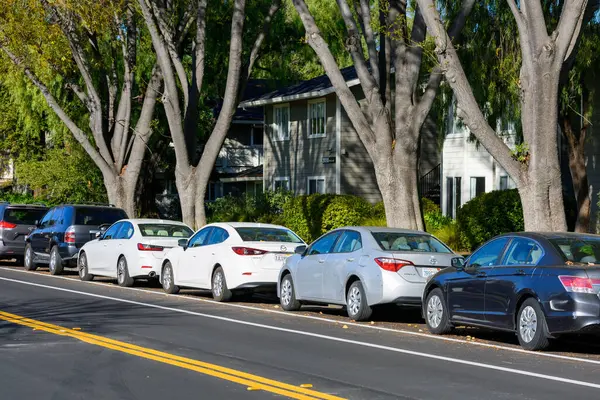
AB 630 creates a pilot program in Los Angeles and Alameda counties allowing the removal and disposal of abandoned, inoperable RVs valued at $4,000 or less. The program runs until 2030. For residents, the change is less about driving technique than neighborhood street conditions, blocked curb space, and health concerns tied to vehicles left in place for long periods. Public agencies still have to verify that the RV is inoperable before removal.

10. Used-car paperwork gets tighter consumer protections
Vehicle buyers are also affected by the 2026 changes. California’s CARS Act bars dealers from misrepresenting prices, financing terms, or optional add-ons that do not benefit the buyer. It also creates a three-day cancellation window for certain used-vehicle transactions under $50,000. For people walking into a dealership, the new rules are meant to reduce pressure-driven mistakes and make contract terms harder to blur.
California’s 2026 rule changes are not limited to one kind of driver. They reach commuters, parents, e-bike riders, off-road riders, used-car shoppers, and anyone who has ever pulled onto a shoulder with hazard lights on. The common thread is simple: more visibility, more accountability, and less room for drivers to assume an old habit is still legal.

