
Some American landmarks remain instantly recognizable while becoming much harder to enjoy in practice. In many high-profile destinations, the tension is not about fame itself. It is about what happens when heavy tourism, rising costs, crowding, and local frustration start to change the experience on the ground.
Across cities, beaches, and monument corridors, the pattern is familiar: the image stays polished while the visit feels more stressful, more expensive, and less connected to the place around it. These are 10 attractions that locals and frequent observers increasingly describe as having lost some of the appeal that made them famous.
1. Times Square, New York City
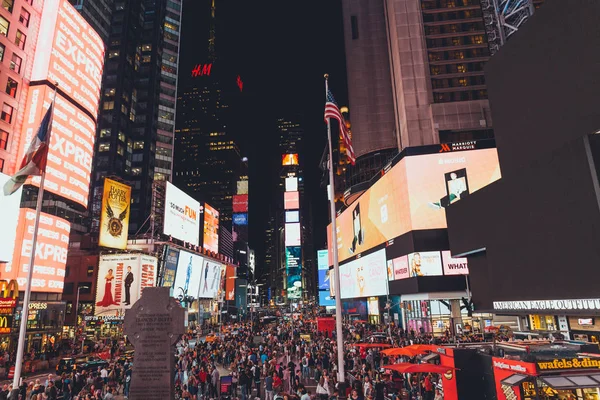
Times Square still delivers visual overload, but that spectacle has become the problem for many New Yorkers. The district is often described as a place where daily movement slows to a crawl because visitors stop for photos, cluster around performers, and fill sidewalks at nearly every hour. Locals increasingly treat it as an area to bypass rather than enjoy. The complaint is less about tourism than about function: a major public space has become difficult to use like ordinary city space. That helps explain why so many residents point travelers toward neighborhoods and parks that feel more like New York than a branded canyon of screens.
2. Hollywood Walk of Fame, Los Angeles
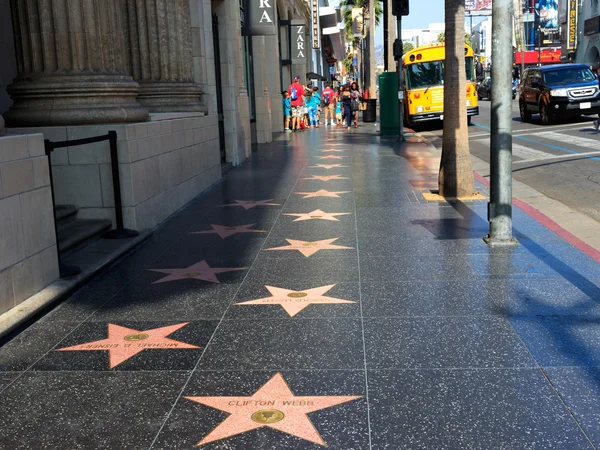
The Walk of Fame remains one of the country’s most recognizable tourist symbols, yet the in-person experience often feels smaller and grittier than the myth. What appears glamorous on screen can read as a crowded stretch of pavement surrounded by traffic, street activity, and constant hustle. The disappointment grows because visitors usually arrive expecting a polished Hollywood fantasy. Los Angeles also makes casual sightseeing harder with long travel times between major areas, so a stop that feels underwhelming can take a large bite out of the day.
3. Las Vegas Strip, Nevada
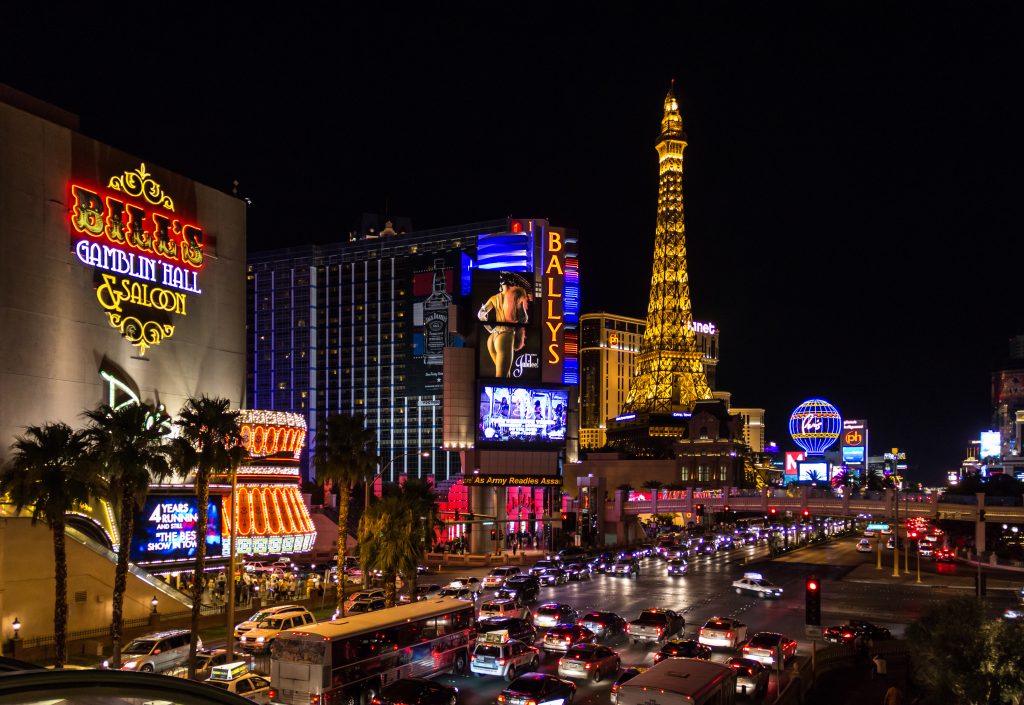
Few places are built more completely around visitors than the Strip, which is part of why many locals avoid it. The area offers scale and spectacle, but it also concentrates noise, inflated costs, congestion, and a sense that nearly every experience is engineered for spending. That shift has become more visible as visitor totals dropped from about 42 million in 2019 to roughly 19 million in 2020, exposing how dependent the city is on nonstop tourism. Even after the rebound, rising fees and a more expensive atmosphere have changed the value equation that once made Las Vegas feel easier to embrace.
4. Bourbon Street, New Orleans
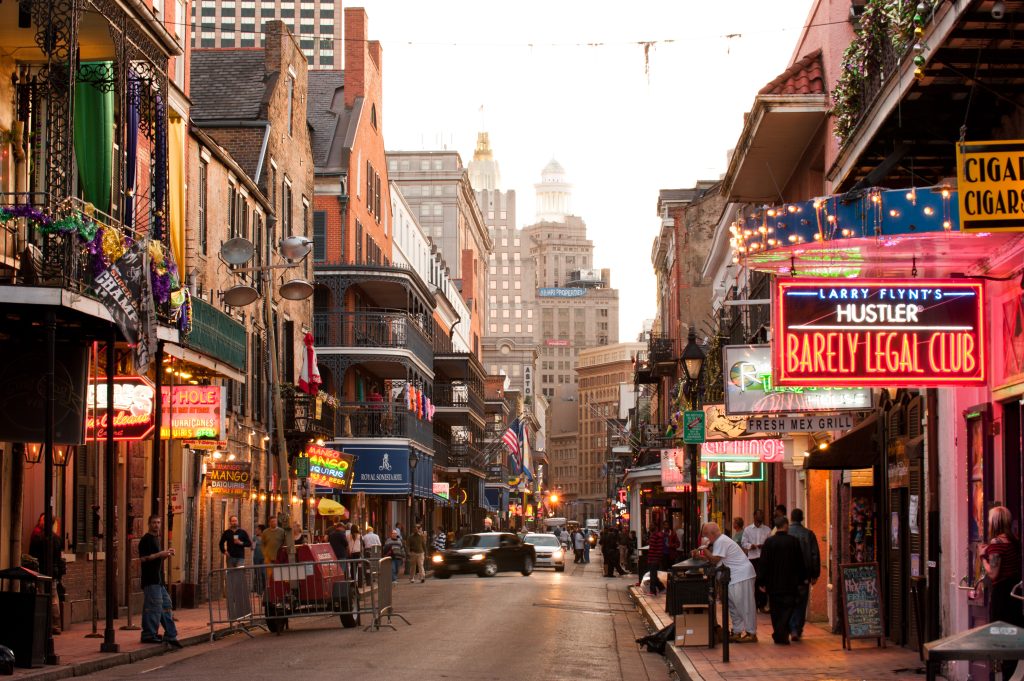
Bourbon Street still draws crowds looking for a party, but many residents see it as a narrow version of what makes New Orleans distinctive. Complaints often center on trash, heavy drinking, noise that spills late into the night, and a visitor culture focused more on excess than on the city’s music and neighborhood life. That disconnect matters. A place celebrated worldwide for culture can start to feel reduced to one loud corridor, leaving locals protective of the wider city and weary of the caricature that tourists often chase.
5. San Francisco’s Icon Corridor
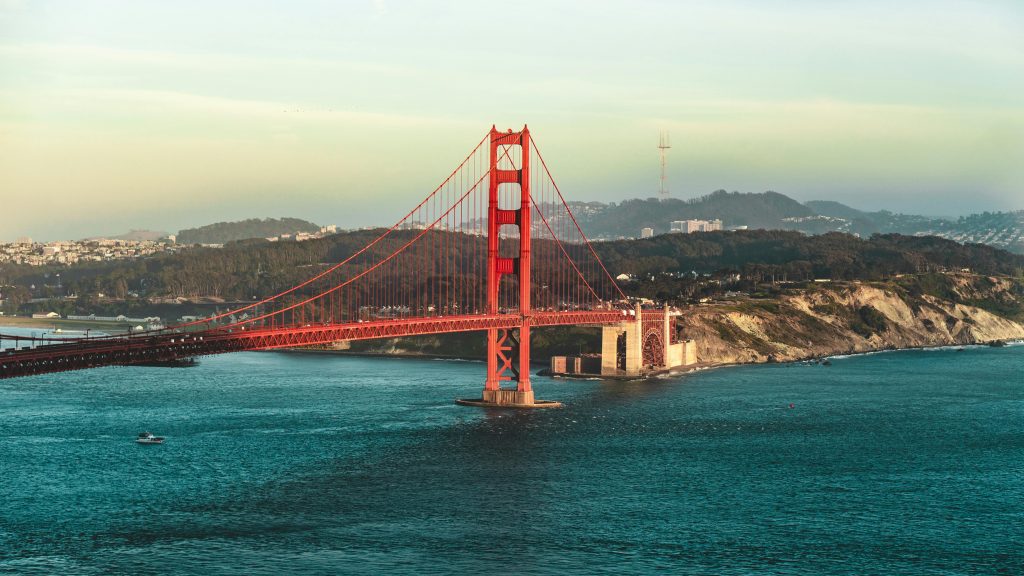
San Francisco still has postcard beauty, yet its most famous stops can feel overshadowed by broader urban strain. Visitors heading to the Golden Gate Bridge, Fisherman’s Wharf, or Alcatraz often encounter a city discussed as much for uneven street conditions and business closures as for scenery. The tourism slump was steep, with visitor totals falling from more than 26 million in 2019 to roughly 12 million in 2020. Even as travel returned, concerns about cleanliness, affordability, and crowding around signature attractions continued to shape how the city is perceived. For locals, the frustration is often that visitors fixate on the same few landmarks while missing the neighborhoods that still carry much of San Francisco’s character.
6. Mount Rushmore, South Dakota
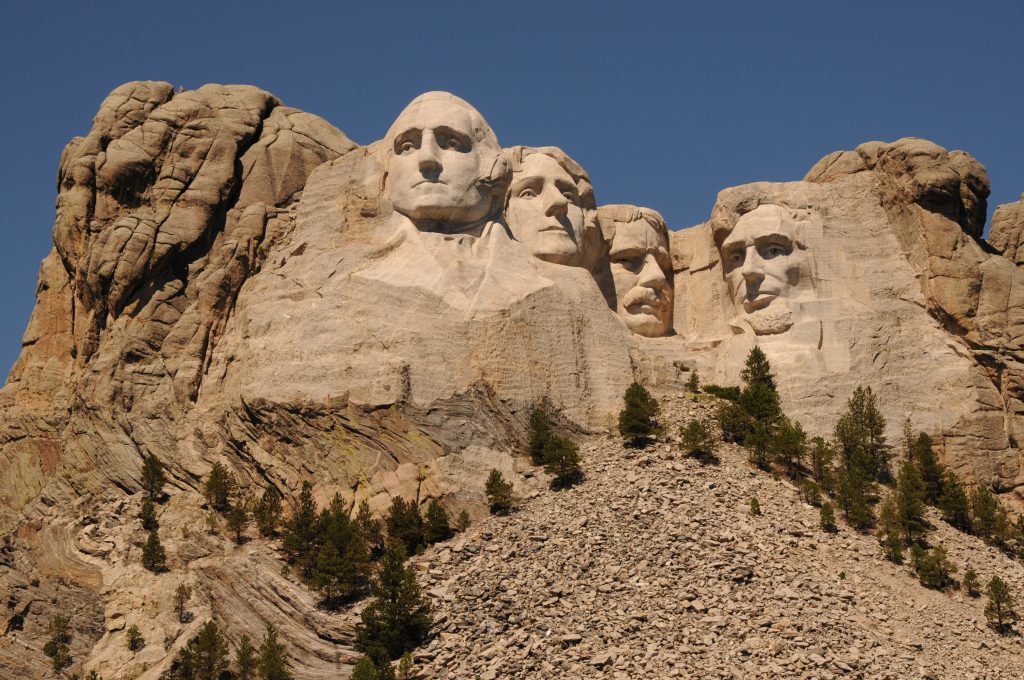
Mount Rushmore suffers from a very specific kind of fame: almost everyone already knows what it looks like before arriving. That familiarity can flatten the impact, especially after a long drive and a short viewing window. Locals and experienced travelers often describe the surrounding Black Hills as the richer destination. The monument remains symbolic, but the trip can feel disproportionate when the broader landscape offers more room, more motion, and a deeper sense of place.
7. Myrtle Beach, South Carolina
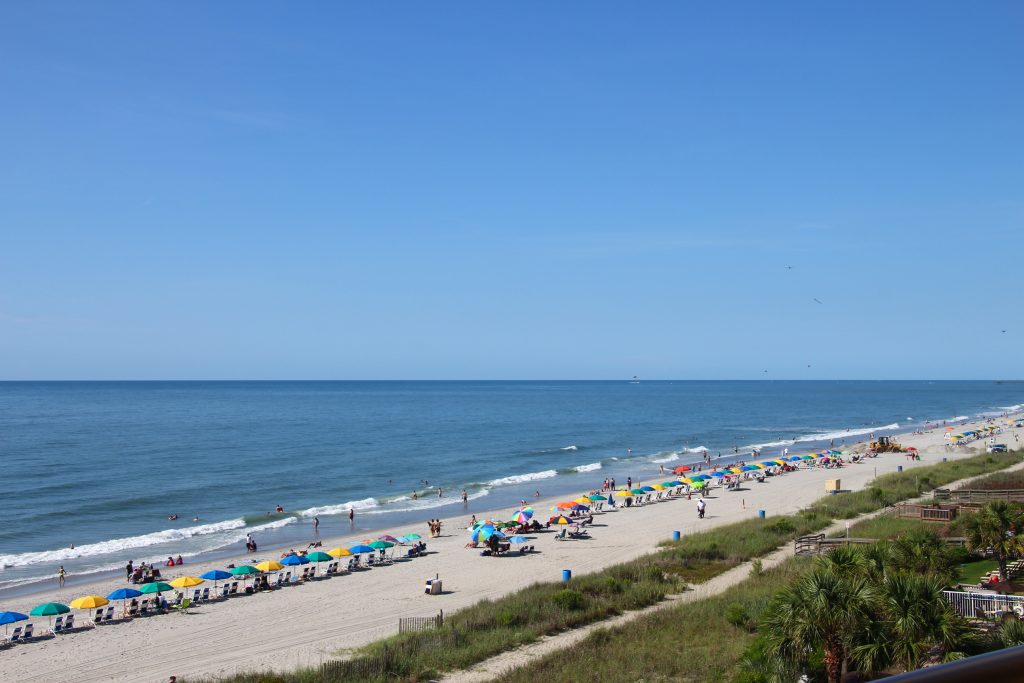
Myrtle Beach built its reputation on accessibility and family-friendly fun, but locals increasingly describe a destination dulled by overcommercialization and wear. Dated stretches of the built environment and safety concerns have chipped away at the easygoing image. That fatigue shows up in the numbers. Hotel occupancy fell 3.3% in 2025 compared with 2024, while tourism-related tax indicators also declined. When a beach town begins to feel more like a retail strip attached to sand, charm becomes harder to sustain.
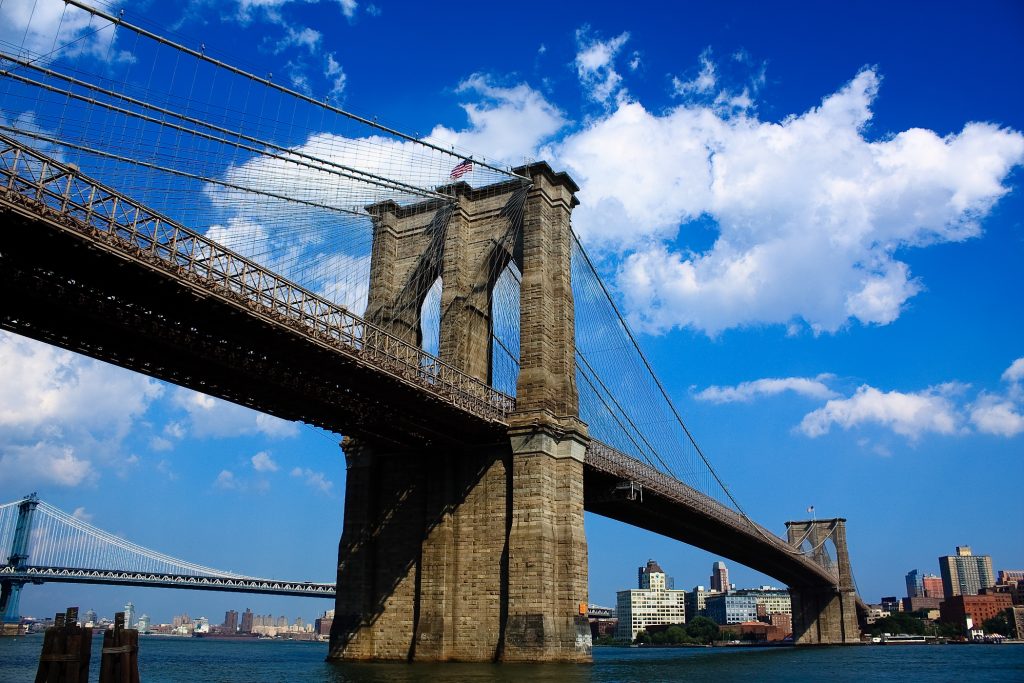
8. Brooklyn Bridge, New York City
The Brooklyn Bridge remains one of the country’s great urban views, but locals increasingly treat the pedestrian path as something to avoid. The issue is not the structure itself. It is the way sightseeing behavior can turn a working crossing into a bottleneck of pauses, selfies, and drifting foot traffic. For residents and cyclists, that changes the bridge from infrastructure into a stage set. Once a landmark stops functioning smoothly for the people who rely on it, admiration can shift into irritation.
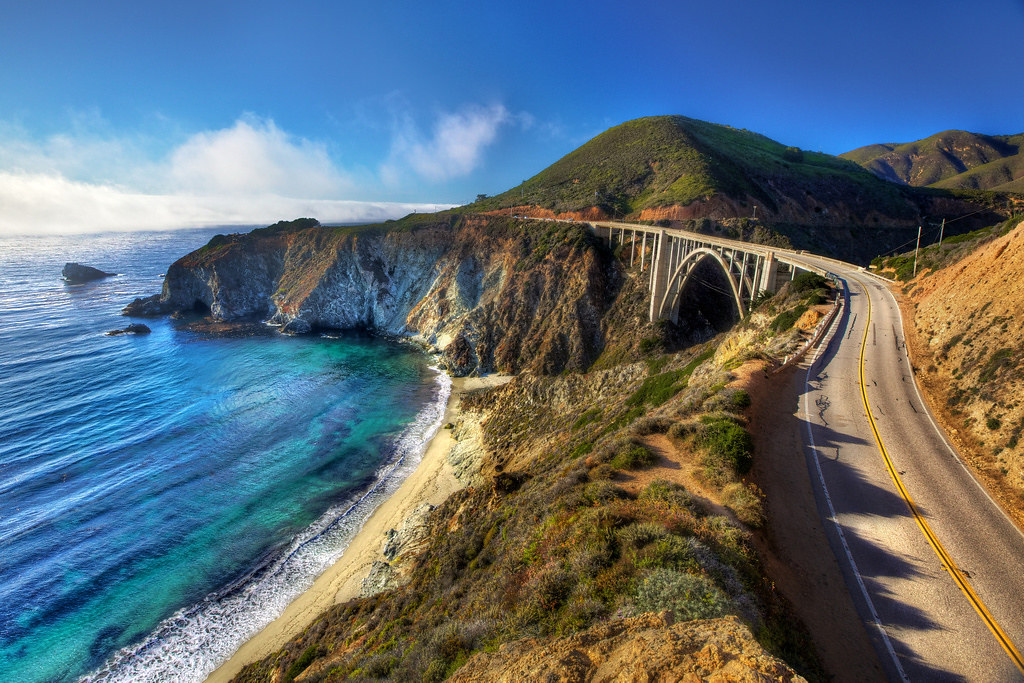
9. Big Sur Highway Pull-Offs, California
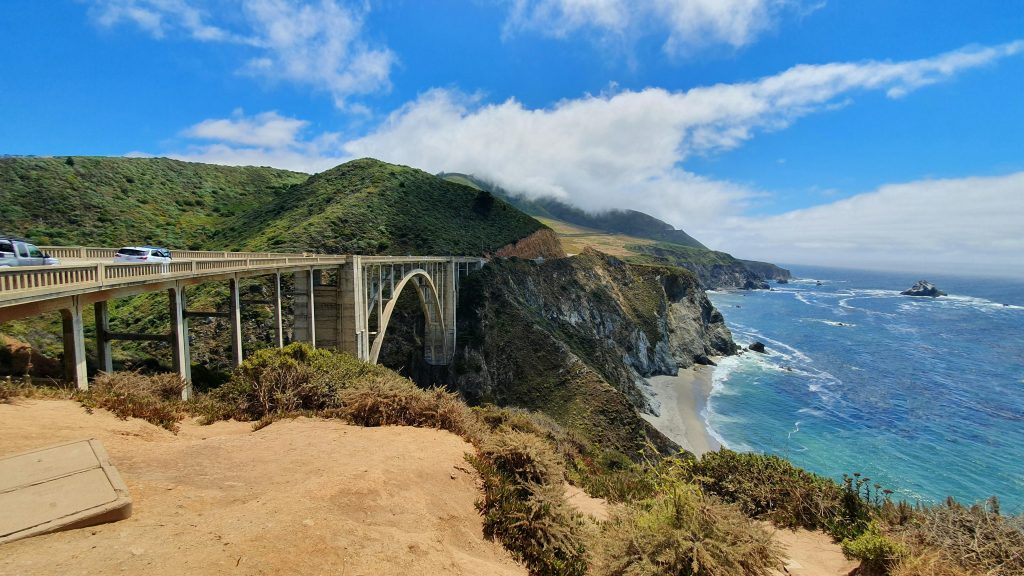
Big Sur’s appeal has never been in doubt. Its problem is that the road network and fragile landscape were never designed for the volume of attention they now receive. Roadside parking, blocked traffic, packed viewpoints, and environmental strain have pushed local patience thin. This is one of the clearest examples of beauty undermined by overuse. The scenery still stuns, but the experience can feel tense and logistically messy, especially when emergency access and habitat damage become part of the conversation.
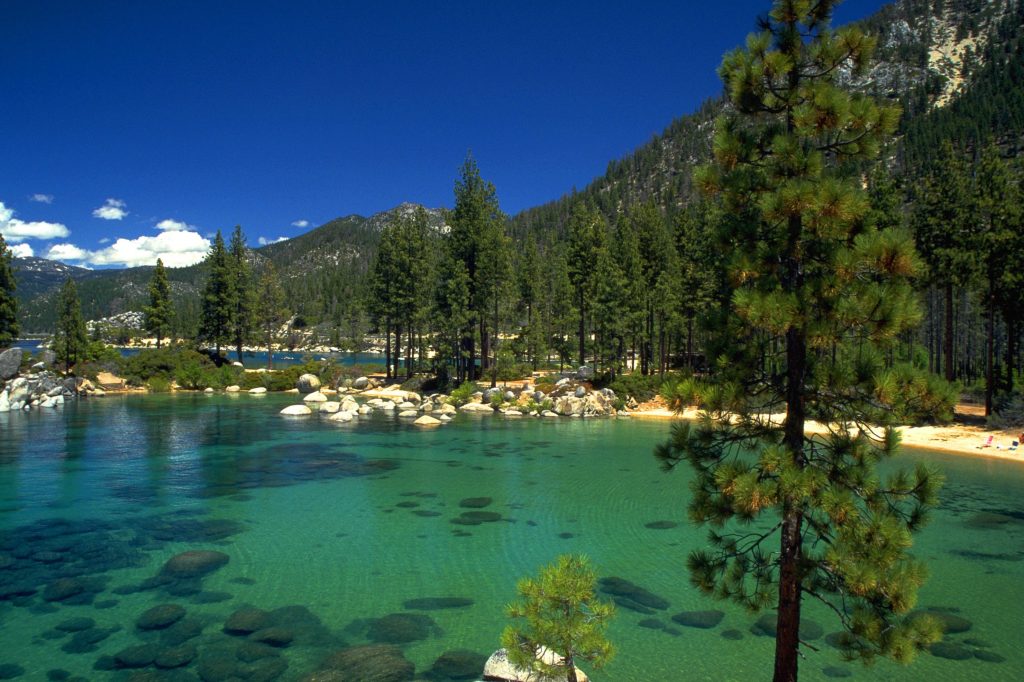
10. Lake Tahoe Shoreline Hotspots, California and Nevada
Lake Tahoe still looks like a postcard, yet many residents describe peak-season tourism as a quality-of-life problem rather than a shared benefit. Weekend gridlock, crowded beaches, pressure on local services, and housing strain linked to short-term rentals have changed the mood around its most popular access points. Environmental wear has added to that concern, with locals pointing to litter, shoreline pressure, and infrastructure that struggles to keep pace.
The lake remains beautiful, but beauty alone does not preserve the feeling people once associated with it. The common thread is not that these places became unimportant. It is that fame intensified every pressure point: crowding, cost, inconvenience, and the gap between marketing and reality. For travelers, that shift has changed what “worth visiting” means. Increasingly, the most satisfying trips come from looking beyond the most photographed corner and paying attention to the places locals still use, protect, and recognize as their own.

