
Some performances outlive the films that contained them. A shaky script, a tonal mess, or an overworked franchise entry can fade from memory, but one actor’s timing, control, or sheer commitment keeps resurfacing.
That pattern shows up often in movies featuring LGBTQ+ performers who brought far more precision and personality than the material could support. In several cases, the actor did not just improve a weak film. He gave it a reason to be discussed at all.
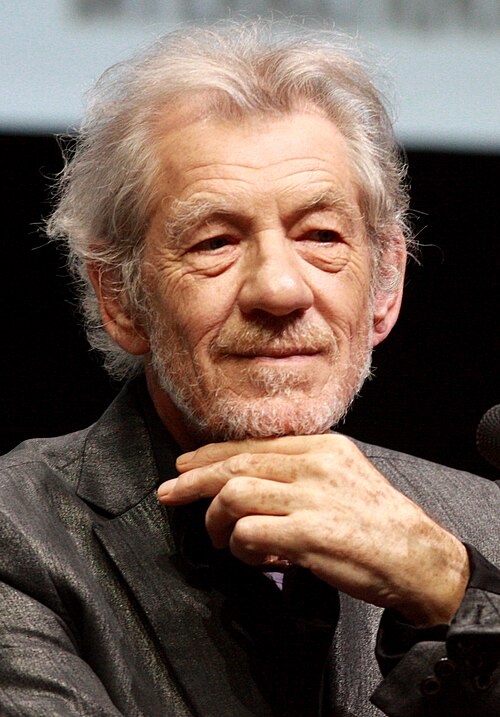
1. Ian McKellen in Cats
Ian McKellen had only limited room to maneuver inside 2019’s much-criticized musical adaptation, yet his scenes still landed with a sense of old-school theatrical conviction. While the film became widely associated with its otherwise “meh” movies saved by performances conversation that movie fans love to have, McKellen’s work stood apart for a different reason: he seemed to be playing an actual character inside a production often overwhelmed by digital spectacle. That contrast gave his brief appearance unusual weight.
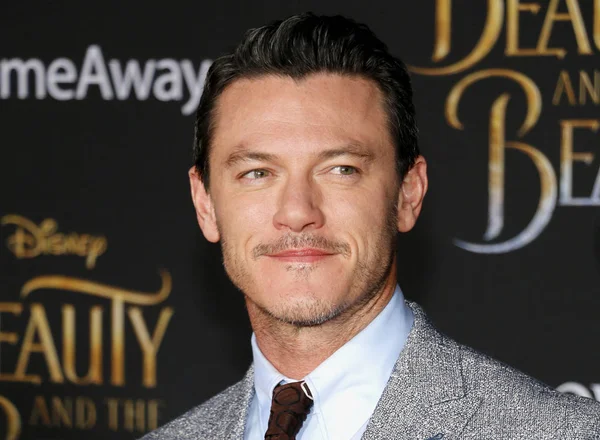
2. Luke Evans in Dracula Untold
Luke Evans approached the title role as a tragic figure instead of a generic franchise launchpad. The movie pushed toward origin-story bombast, but Evans kept pulling it back toward something more human, giving the character fear, burden, and resolve even when the screenplay favored setup over substance. His performance made the film feel more emotionally coherent than it really was.
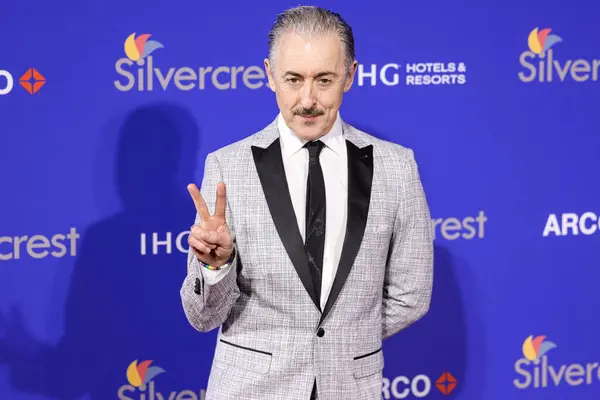
3. Alan Cumming in Son of the Mask
Alan Cumming understood the assignment in a way the sequel itself never fully did. Playing Loki with elastic energy and gleeful camp, he leaned into the cartoon logic instead of fighting it. In a film often remembered as one of the rougher studio comedies of its era, Cumming’s performance remains the part people single out because he treated absurdity like a serious craft problem to solve.
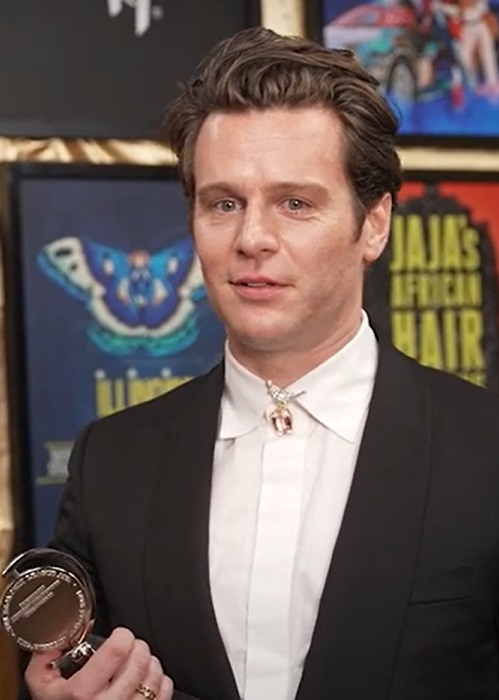
4. Jonathan Groff in The Matrix Resurrections
Franchise revivals rarely survive on concept alone. Jonathan Groff’s version of Agent Smith worked because he avoided imitation and built a fresh rhythm for the character, mixing polished menace with a slick, modern smugness. Even viewers split on the movie’s self-aware approach tended to notice how alive Groff felt within it. His scenes brought a spark the broader film struggled to sustain.
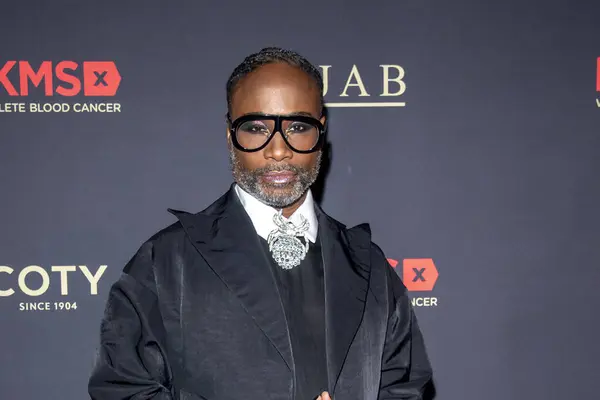
5. Billy Porter in Cinderella
In the 2021 adaptation, Billy Porter arrived with a fully formed screen presence the movie could not consistently match. As the Fabulous Godmother, he delivered style, vocal confidence, and a sharper sense of identity than the surrounding film ever settled on for itself. Porter did not just elevate individual moments. He clarified the tone every time he appeared.
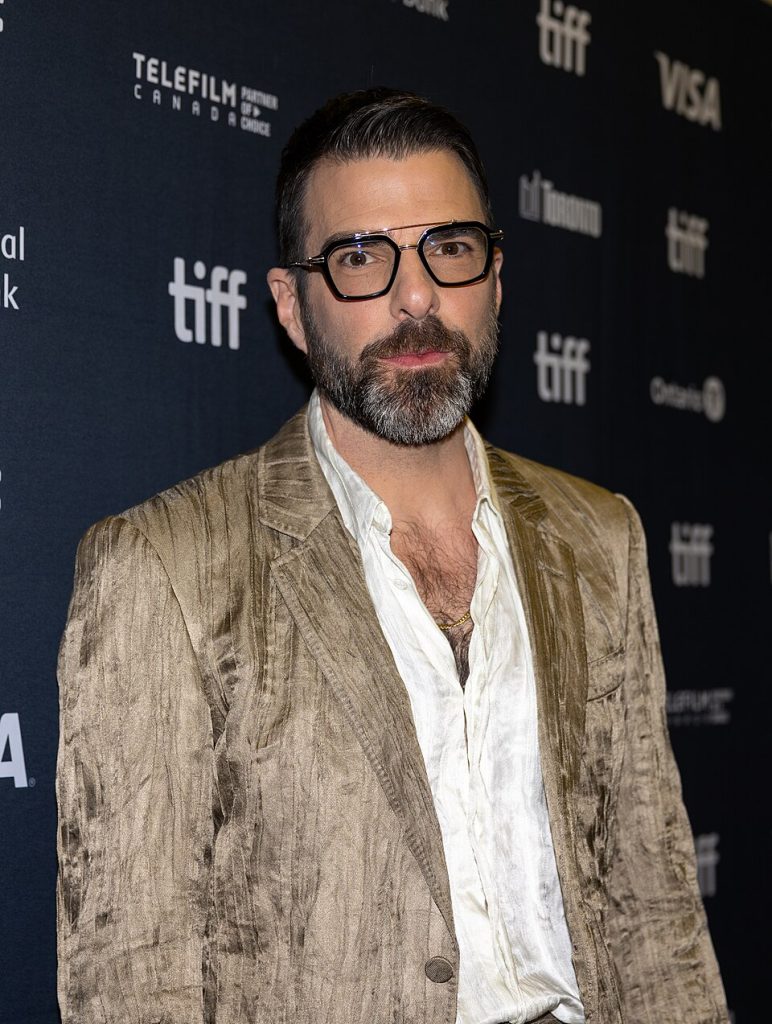
6. Zachary Quinto in Hitman: Agent 47
Video game adaptations often lean on speed, editing, and plot mechanics. Zachary Quinto gave Hitman: Agent 47 something sturdier: a villain with focus. He played intelligence rather than noise, which helped his scenes cut through the movie’s confusion. The effect matched a broader truth often noted in discussions of great acting in otherwise awful films: one precise performance can expose how thin the rest of the movie really is.
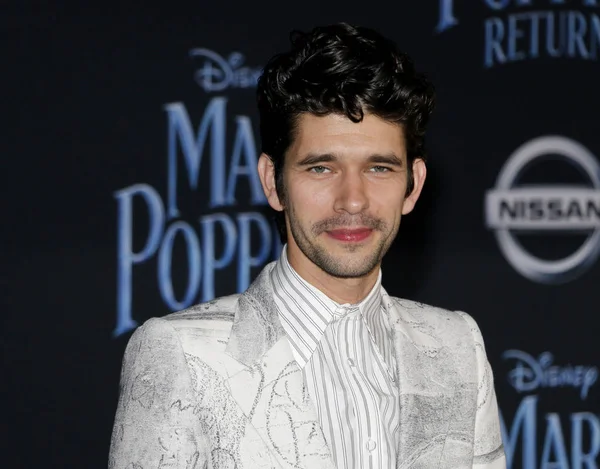
7. Ben Whishaw in In the Heart of the Sea
Ben Whishaw had the difficult task of adding introspection to a survival drama built for scale. As Herman Melville, he supplied the film with a reflective center, using stillness and careful line delivery to make the storytelling framework feel purposeful. The larger production often chased size and momentum, but Whishaw brought texture, making the film feel more literary and haunted than its blockbuster shell suggested.
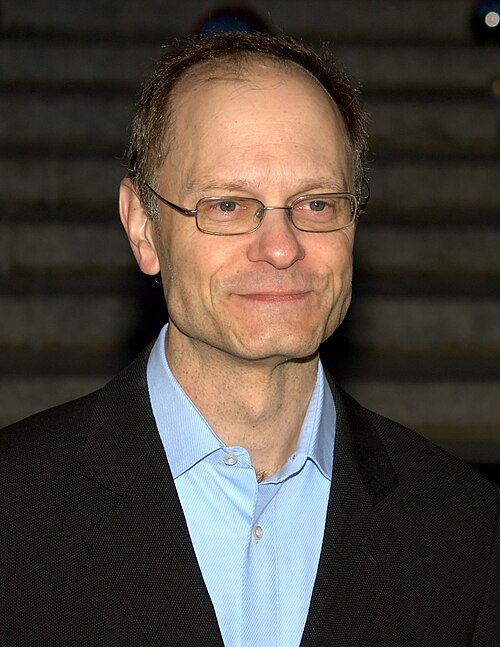
8. David Hyde Pierce in The Perfect Host
This is the kind of performance that changes the movie’s temperature. David Hyde Pierce moved between charm, instability, wit, and menace with such control that the thriller held together largely on his terms. In conversations about underrated movie performances, this kind of shape-shifting work often endures because it asks an actor to carry both tone and tension at once. Pierce did exactly that.
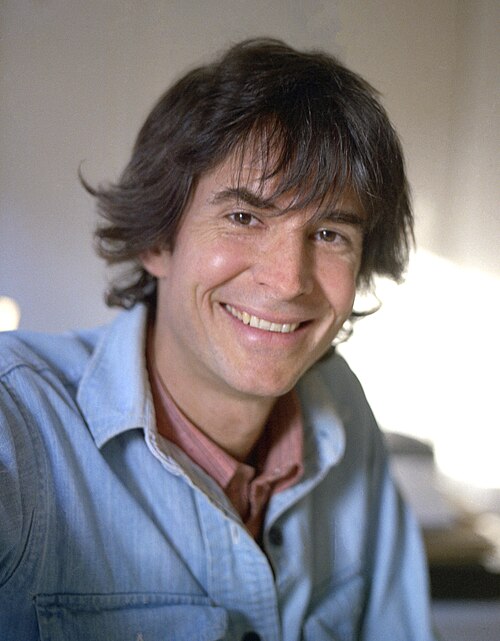
9. Anthony Perkins in Psycho IV: The Beginning
Anthony Perkins returned to Norman Bates without reducing the character to self-parody. That alone gave the made-for-television sequel a gravity it otherwise lacked. He played Norman as damaged, lucid, frightened, and strangely sympathetic all at once, preserving the psychological ache at the core of the role. The result was far richer than the project’s reputation suggests.

10. BD Wong in Jurassic World Dominion
By the time Jurassic World Dominion reached its emotional turns, BD Wong had already done the work of making Dr. Henry Wu feel like a person instead of a plot device. He brought regret and exhaustion to a film crowded with competing storylines, and that emotional clarity mattered. In a blockbuster criticized for bloat, Wong’s restraint gave one of its few grounded through-lines.
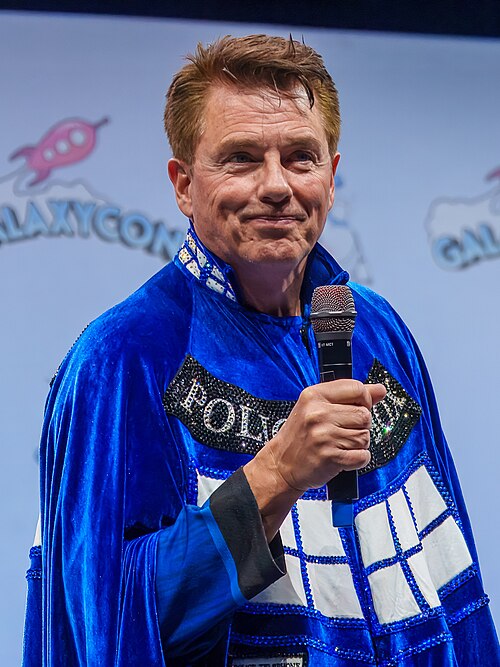
11. John Barrowman in Shark Attack 3: Megalodon
Some actors save a movie by deepening it. John Barrowman saved this one by committing to its pulp logic so completely that it crossed into cult entertainment. He played the material straight enough to anchor it, but with enough charisma that the absurdity became part of the appeal. That balancing act turned a disposable creature feature into something people still bring up years later.
What links these performances is not awards attention or prestige. It is the ability to create shape, tone, and emotional credibility when the larger production cannot quite do it for itself. That kind of screen work tends to last. A messy movie may lose its grip quickly, but one sharply delivered performance can keep the entire thing in circulation.

