
For decades, openly gay actors were told to narrow themselves: be witty but not romantic, visible but not too visible, successful but never too honest. That formula did not hold.
The performers below changed what audiences expect from leading men, prestige drama, sitcom royalty, Broadway powerhouses, and public advocacy. Some pushed forward by taking up space in major franchises. Others altered the culture by speaking plainly about identity when the industry still treated that honesty as a liability.
1. Ian McKellen
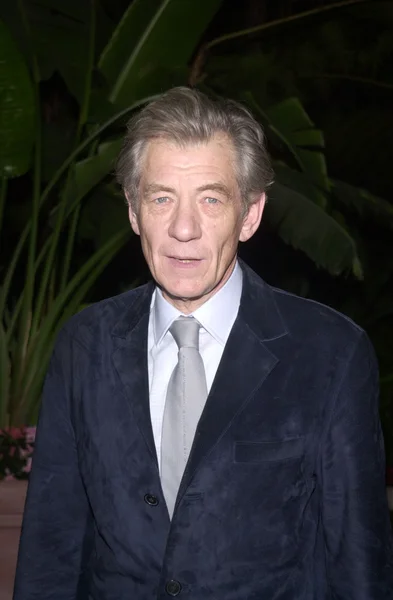
Ian McKellen occupies a rare place in entertainment history: classical titan, blockbuster star, and activist with institutional reach. Long before fantasy franchises turned him into a household name, he had already built an elite stage reputation. His later work in “The Lord of the Rings” and “X-Men” made him globally recognizable, proving an openly gay actor could command enormous mainstream affection without softening who he was.
His influence extended well beyond casting. McKellen helped co-found the UK charity Stonewall, linking fame to organized advocacy in a way that many later stars would follow.
2. Rock Hudson
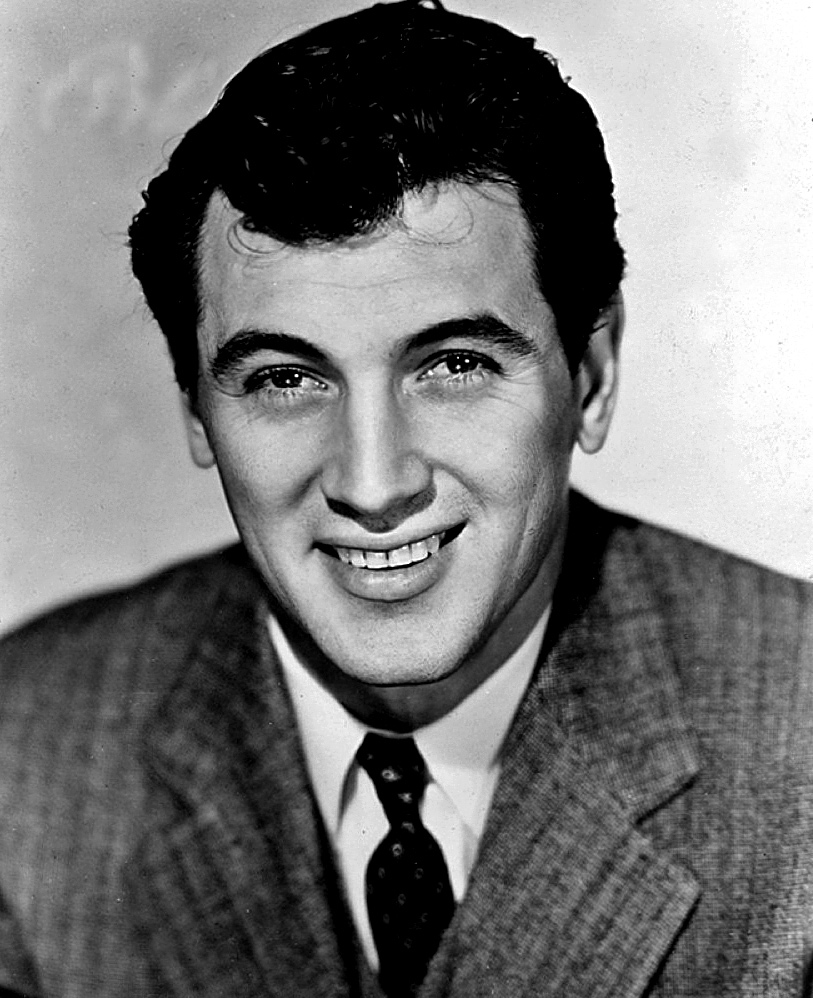
Rock Hudson remains one of the clearest examples of how old Hollywood built and controlled masculinity. He was sold as the ideal leading man in films like “Giant” and “Pillow Talk,” while his private life was tightly managed by the studio system. That split between image and reality became part of his legacy.
When his illness became public, the conversation around HIV/AIDS changed dramatically. His 1985 death pushed a stigmatized crisis into public view and forced entertainment media to confront what it had long ignored. Hudson’s story still marks a turning point in how celebrity, privacy, and public health collided.
3. Neil Patrick Harris
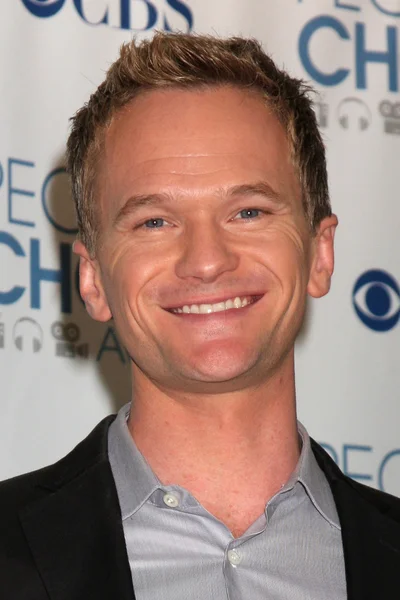
Neil Patrick Harris helped normalize something television had long resisted: the openly gay multi-hyphenate as mainstream host, sitcom anchor, stage lead, and family man in public view. After early fame on “Doogie Howser, M.D.,” he reinvented himself with “How I Met Your Mother,” then moved fluidly between Broadway and awards-show hosting.
That versatility mattered. It widened the category of what an openly gay male star could look like in American entertainment, especially on network television, where image management once carried enormous weight.
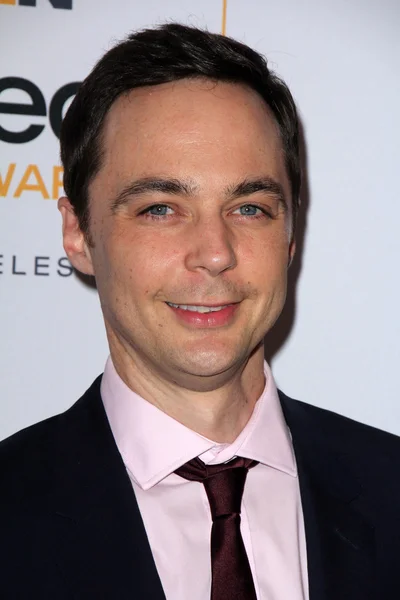
4. Jim Parsons
Jim Parsons became one of the defining sitcom faces of his era through “The Big Bang Theory,” collecting multiple Emmy wins and becoming inseparable from one of television’s biggest comedies. Yet his influence reaches further than ratings and awards.
His work on “The Normal Heart,” a drama rooted in the AIDS crisis and the activism associated with Larry Kramer, helped carry queer history to wider audiences. That bridge between mass-market comedy and serious LGBTQ+ storytelling gave his career unusual cultural range.
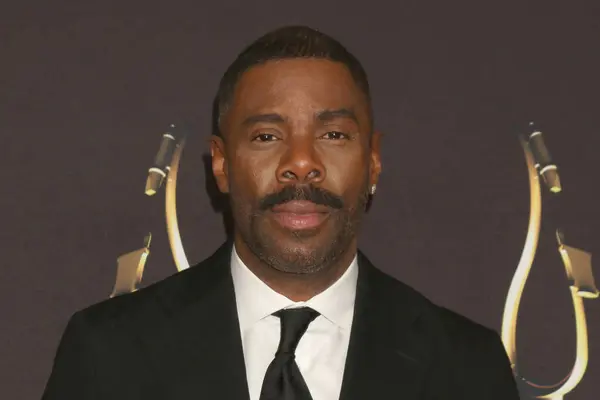
5. Colman Domingo
Colman Domingo represents a newer model of influence: actor, writer, director, and producer, all at once. His performance in “Rustin” placed him at the center of a film about Bayard Rustin, the openly gay strategist widely recognized as a key organizer of the March on Washington. That role connected contemporary stardom with a figure whose place in history had too often been minimized.
Domingo’s rise also matters because it expands who gets to define prestige. His career centers Black and queer histories without reducing them to side narratives, and his off-screen creative control makes that impact even sharper.
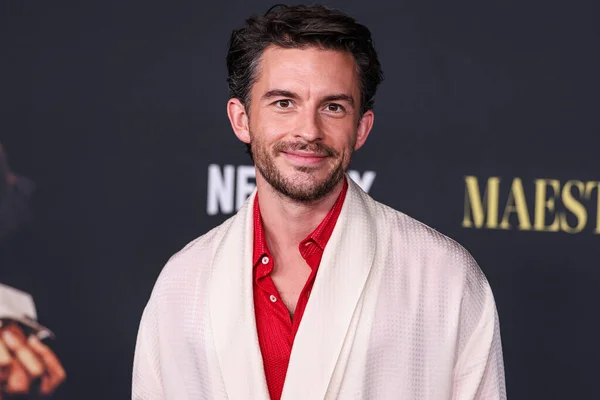
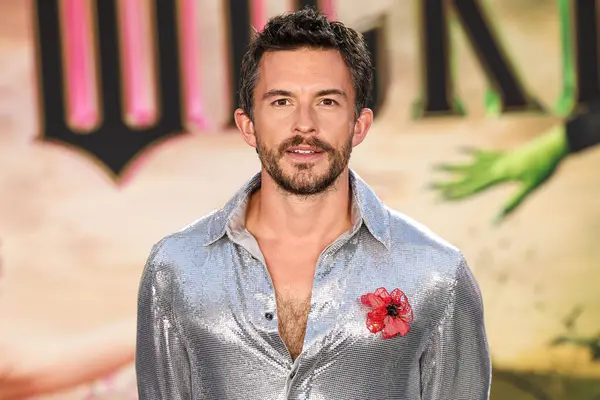
6. Jonathan Bailey
Jonathan Bailey arrived at a moment when audiences had begun to question old assumptions about who gets cast as a romantic lead. “Bridgerton” gave him global visibility, but his stage work had already established him as a serious performer. Together, those worlds gave Bailey unusual authority in a business still wrestling with authenticity and expectation.
His prominence lands in the middle of a broader industry debate over queer roles and queer actors, a conversation that has only intensified in recent years, including in discussions about authentic queer stories on screen.
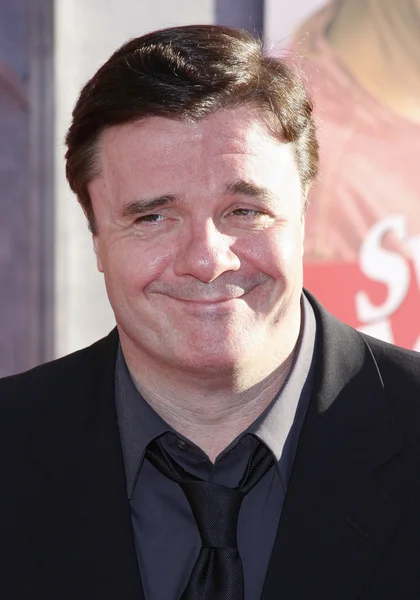
7. Nathan Lane
Nathan Lane brought a distinctly theatrical force into mainstream comedy without losing any of his edge. “The Birdcage” remains one of the most culturally durable studio comedies centered on queer life, and Lane’s stage career, especially “The Producers,” confirmed his command across mediums.
He helped make flamboyance, precision, and comic intelligence feel central rather than marginal. That visibility mattered for audiences who had long seen queer-coded brilliance rewarded only at a safe distance.
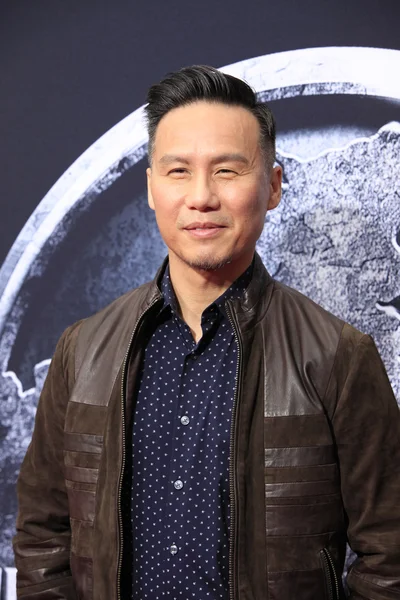
8. BD Wong
BD Wong’s significance lies partly in consistency. He moved from a Tony-winning breakthrough in “M. Butterfly” to durable television visibility and franchise work in “Jurassic Park,” all while remaining openly gay in an industry that has rarely offered equal pathways to Asian American performers.
His public writing and interviews around family also broadened the conversation around LGBTQ+ parenthood. In a business obsessed with novelty, Wong’s long career quietly demonstrated durability as its own form of influence.
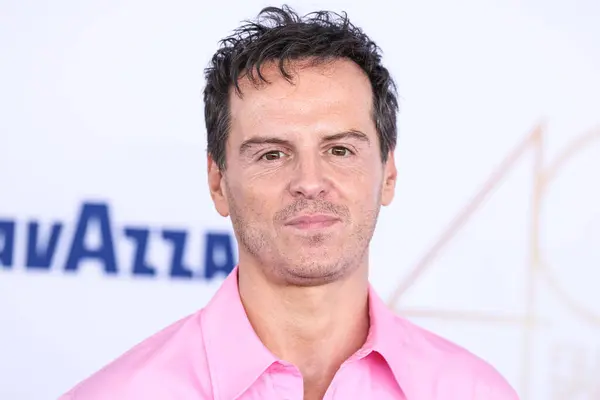
9. Andrew Scott
Andrew Scott has built a career on emotional precision rather than obvious star packaging. From “Sherlock” to “Fleabag” to “All of Us Strangers,” he has become a reference point for performances that are intimate, searching, and difficult to flatten into type.
That matters because queer actors have often been asked to simplify themselves for broad appeal. Scott’s career moved in the opposite direction, showing that complexity itself can be the draw.
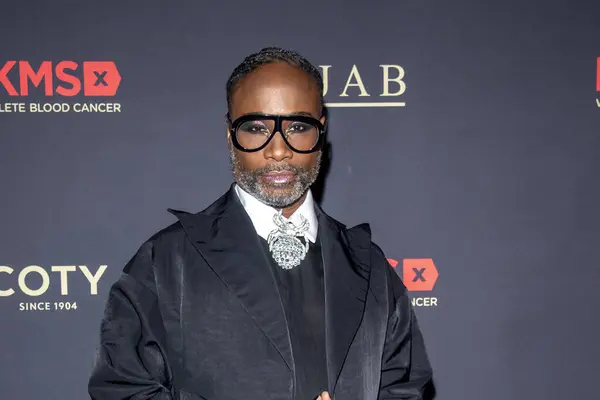
10. Billy Porter
Billy Porter turned visibility into an art form and then into an argument for cultural change. His work in “Kinky Boots” and “Pose” made him one of the few performers to claim major honors across stage and television, while his public image pushed conversations about gender expression into spaces that once preferred silence.
He belongs to a larger line of LGBTQ+ public figures who moved representation beyond performance alone, insisting that style, speech, and presence all carry political and cultural weight. His awards record is itself a statement: Tony and Emmy-winning success did not require shrinking his identity.
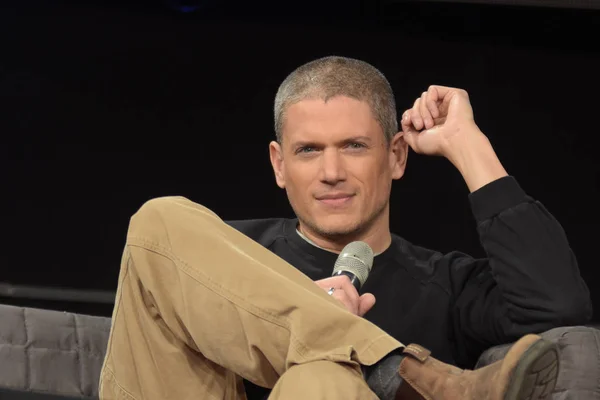
11. Wentworth Miller
Wentworth Miller’s impact comes from refusal as much as performance. After becoming internationally famous through “Prison Break,” he spoke openly about mental health, representation, and the terms under which he wanted to work. In later years, he publicly stepped away from playing straight roles, reframing career choice as a matter of integrity rather than market strategy.
That stance resonated because it answered an old Hollywood expectation with a modern boundary. Visibility, in his case, did not mean accepting every role that preserved celebrity.
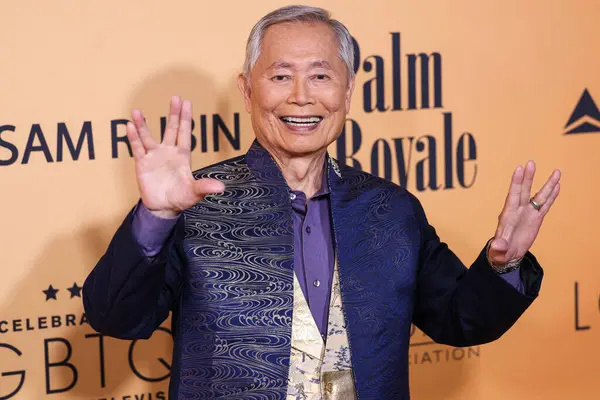
12. George Takei
George Takei transformed recognition from “Star Trek” into something far larger than nostalgia. He became a public educator on civil liberties, LGBTQ+ equality, and the historical memory of Japanese American incarceration during World War II. His stage project “Allegiance” deepened that work by bringing personal and national history together.
He also developed one of the broadest digital followings of any elder statesman in entertainment, proving that influence is not limited to current casting heat. It can also come from clarity, endurance, and the ability to connect history to the present in a voice audiences trust.
Taken together, these careers show that influence is not one thing. It can look like blockbuster authority, comic brilliance, public candor, historical recovery, or the decision to reject old compromises. Hollywood changed because actors like these made the old limits look smaller than the talent standing in front of them.

