
Hollywood casting can turn a movie into an instant classic or leave it fighting the story around it. When a role feels visibly mismatched, the problem rarely stays contained to one performance. It can swallow the reviews, dominate interviews, and become the only thing viewers remember.
That pattern shows up again and again in films that were supposed to launch franchises, revive icons, or honor beloved real people. In several cases, the issue was not a lack of talent. It was a bad fit, a credibility gap, or a decision that clashed with audience expectations in ways the movie could not overcome.
1. Emma Stone in Aloha
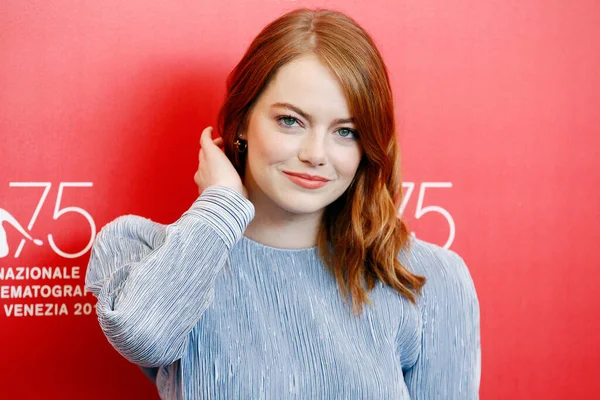
Emma Stone’s casting as Allison Ng became one of the clearest modern examples of whitewashing backlash. The character was written as being part Chinese and part Hawaiian, and the decision drew immediate criticism from Asian American groups and many viewers who saw the choice as a broader industry problem rather than an isolated mistake.
The fallout reached beyond the movie itself. Director Cameron Crowe later apologized, and Stone later said the controversy became a real education in Hollywood’s history of exclusion. The film’s weak reception and poor commercial run made the casting debate impossible to separate from its legacy.
2. Scarlett Johansson in Ghost in the Shell
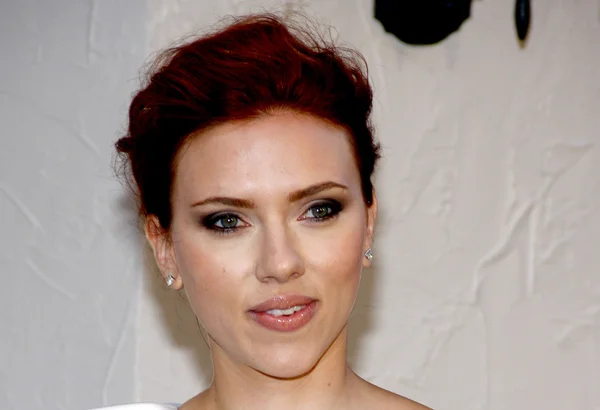
The live-action version of the Japanese franchise arrived carrying years of fan expectation and then ran straight into resistance over Johansson’s lead role. For many viewers, casting a white star in a property so strongly tied to Japanese identity felt like a creative shortcut designed to ease international marketing rather than preserve the source material.
The studio itself later acknowledged the casting controversy impacted domestic box office. That turned the film into something larger than a remake that underperformed. It became a case study in how representation debates can define a release before audiences even weigh the final product.
3. Zoe Saldaña in Nina
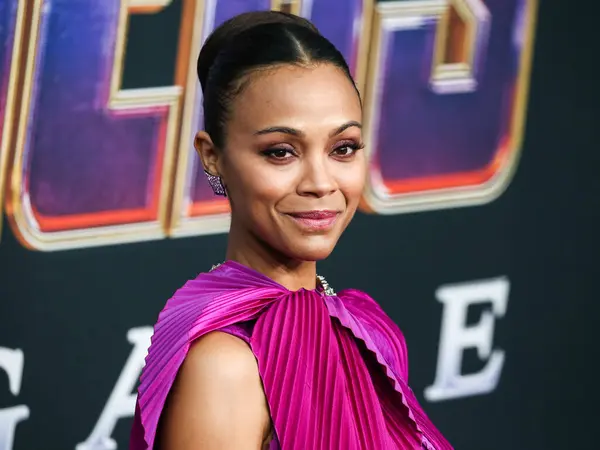
Biopics ask audiences to believe not just in a performance but in stewardship. That became the central issue with Zoe Saldaña as Nina Simone, especially after the production used prosthetics and skin-darkening makeup to push her appearance closer to the singer and activist.
The objections were immediate and sustained. Critics, viewers, and Simone’s estate all challenged the casting as fundamentally inauthentic. Saldaña later said a dark-skinned Black actress should have played Simone, and the film never recovered from the sense that the wrong decision had been made before the cameras even rolled.
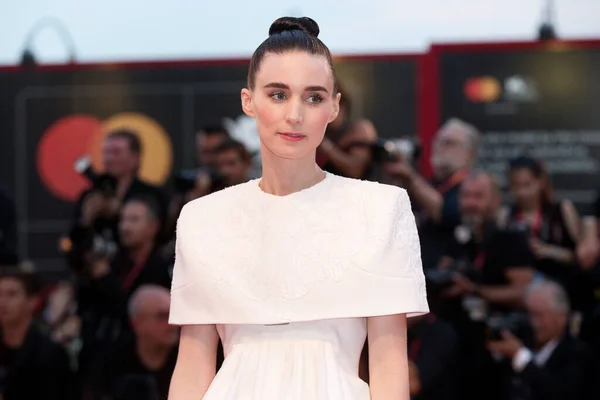
4. Rooney Mara in Pan
Rooney Mara’s turn as Tiger Lily landed badly because the role carried longstanding associations with Native identity, and audiences were no longer willing to shrug off that kind of substitution. An online petition drew thousands of signatures, turning the reaction into a very public rebuke.
Mara later expressed regret, and the film itself collapsed with critics and moviegoers. The casting did not just create bad headlines; it reinforced the sense that the production misunderstood its own material.

5. Sofia Coppola in The Godfather Part III
This one remains a defining example of how off-screen circumstances can bleed into on-screen perception. Sofia Coppola stepped into the film after Winona Ryder dropped out, but the late change did not soften the response. Reviewers fixated on her inexperience, her delivery, and the unavoidable nepotism conversation surrounding her father’s role as director.
The result was harsh and lasting. In a film that needed emotional precision to close a legendary trilogy, many viewers felt the performance weakened the final impact. Coppola would later build an acclaimed directing career, but that did little to erase how central the backlash became to the movie’s reputation.
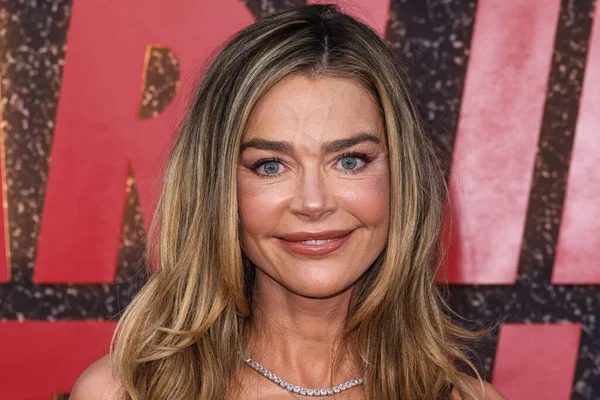
6. Denise Richards in The World Is Not Enough
Bond movies have always asked audiences to accept heightened reality, but Richards as nuclear physicist Christmas Jones stretched that bargain too far for many critics. The issue was not simply glamour. It was that the writing, styling, and performance never sold the intellectual authority the role demanded.
The part became an enduring punchline inside a major franchise. Even decades later, it is still cited as one of the Bond series’ least convincing casting choices, proof that a blockbuster can survive excess more easily than it survives disbelief.
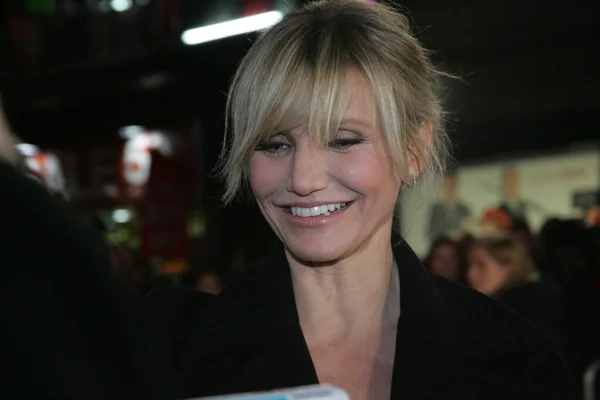
7. Cameron Diaz in Gangs of New York
Martin Scorsese’s historical epic had towering performances and immense atmosphere, which only made Diaz seem more exposed. Her accent drew repeated criticism, and many reviews argued that her contemporary screen energy clashed with the film’s grim 19th-century world.
What made the mismatch stand out was the company around her. Against Daniel Day-Lewis and Leonardo DiCaprio, the performance felt lighter and less rooted, creating one of those rare cases where a single role becomes the asterisk in an otherwise admired production.
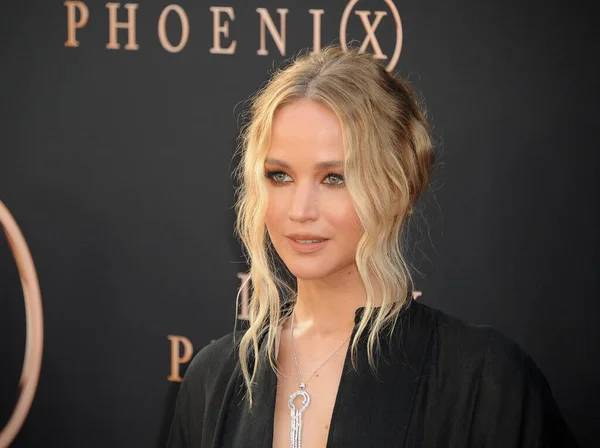
8. Jennifer Lawrence in Joy
Jennifer Lawrence received major awards attention for playing inventor Joy Mangano, but the age question never really disappeared. Critics repeatedly pointed to the tension between Lawrence’s youth and a role built around long-term hardship, motherhood, and hard-earned business authority.
That gap mattered because the film depended on accumulated life experience. The performance had energy, but many viewers felt the casting blunted the realism the story needed. It became one of the clearest examples of prestige casting that looked impressive on paper while feeling less persuasive on screen.
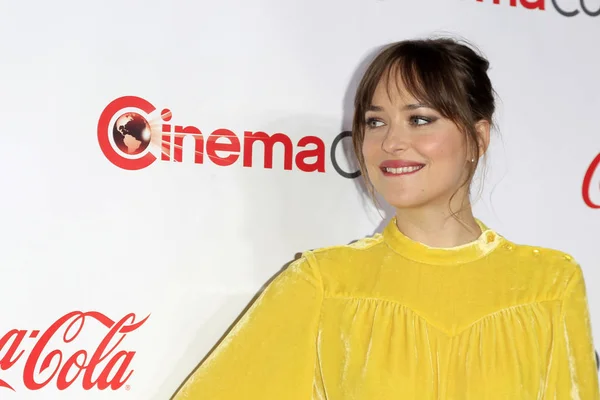
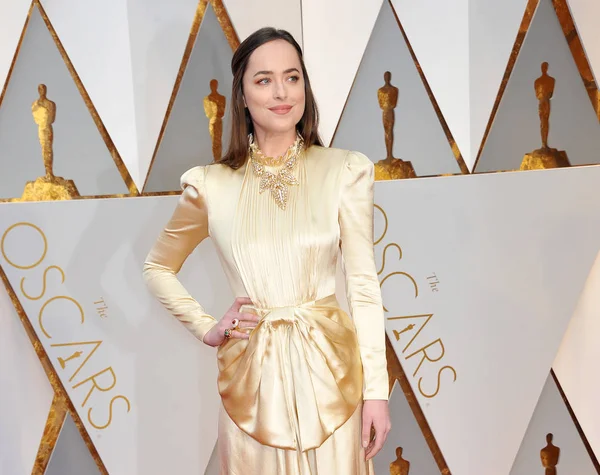
9. Dakota Johnson in Madame Web
Comic book fans already knew Cassandra Webb as a very different figure from the one presented in the film. In print, the character is traditionally older and physically limited, which made this version feel less like adaptation and more like brand repackaging.
Once the movie opened, the criticism widened from fan accuracy to tone, scripting, and performance. The film quickly became an internet meme, and Johnson’s detached press-tour moments only deepened the perception that the project never found a convincing center.

10. Cara Delevingne in Valerian and the City of a Thousand Planets
Luc Besson’s sci-fi spectacle had scale, color, and ambition, but many viewers could not get past the leads. Delevingne and Dane DeHaan were meant to play seasoned intergalactic agents, yet the pair struck critics as too slight and too youthful for the authority their roles required.
The deeper problem was chemistry. Audiences did not buy them as elite partners or romantic counterparts, and when that connection failed, the expensive world-building had little emotional weight to stand on. The movie’s commercial disappointment froze franchise hopes almost immediately.
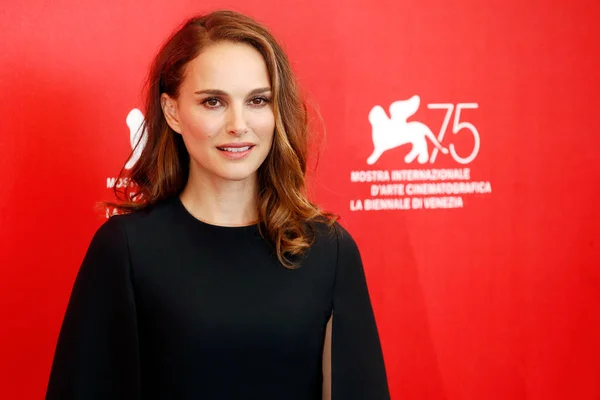
11. Natalie Portman in The Phantom Menace
Portman’s talent was never really the issue. The larger complaint was that Queen Amidala arrived buried under stiff dialogue, ceremonial costuming, and a rigid style that flattened the natural strengths Portman had already shown elsewhere. Critics often described the performance as wooden, though much of that judgment also reflected George Lucas’s highly controlled direction.
Even so, first impressions matter in a franchise of that size. Padmé was supposed to anchor a major political and emotional thread, and the early response was noticeably cooler than expected. The role improved later, but the original casting-and-direction combination never fully escaped scrutiny.

12. Halle Berry in Catwoman
Halle Berry had the charisma to lead a comic-book movie. The problem was that Catwoman barely resembled the version audiences wanted. The film reworked the character, severed key ties to the Batman universe, and wrapped Berry in a project critics saw as inconsistent in tone and heavily stylized. Berry handled the fallout with unusual candor, even showing up to accept her Razzie in person. That moment lasted because it captured the strange truth of the movie: a major star was not sunk by lack of ability, but by a role and concept that never matched her strengths.
Across all of these films, the pattern is strikingly consistent. A casting mistake rarely lives alone. It often exposes larger weaknesses in adaptation, writing, representation, chemistry, or franchise planning. That is why so many of these titles are remembered less for what they tried to do than for the person audiences never fully believed in. In Hollywood, a miscast role does not just miss the mark. It can rewrite the entire conversation around a movie.

