
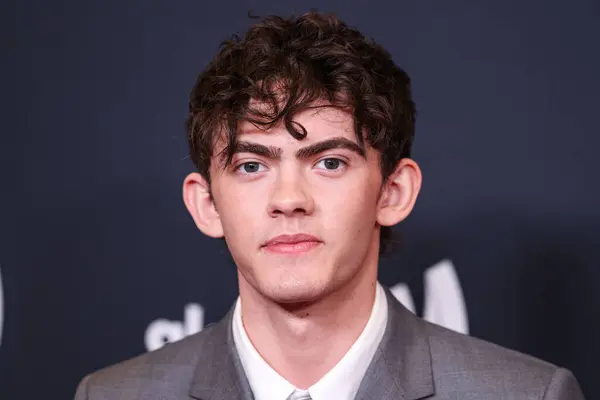
Hollywood has spent years talking about representation as an abstract idea. What stands out now is the number of openly gay actors building careers that are wider, stranger, funnier, and more durable than the old industry stereotypes ever allowed. Some are prestige drama anchors. Some dominate comedy, fantasy, sci-fi, or stage-to-screen crossovers. All of them have already proved they belong in bigger conversations about modern acting careers.
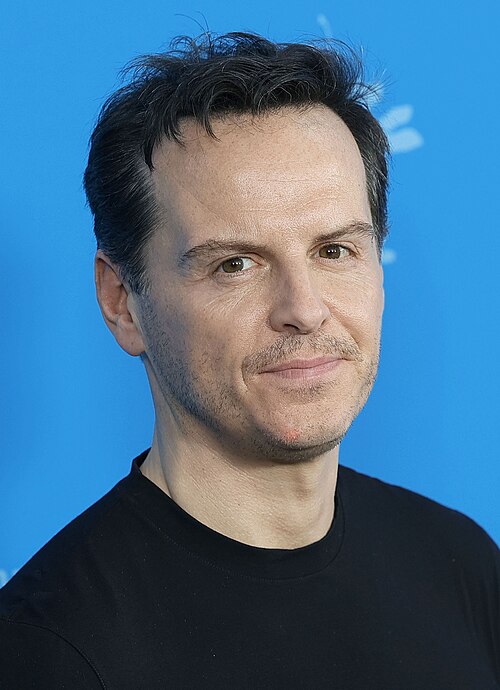
1. Andrew Scott
Andrew Scott has become one of those rare performers who can make intensity look effortless. He brought danger to Moriarty in “Sherlock,” then flipped into disarming intimacy as the priest in “Fleabag,” and his turn in “All of Us Strangers” pushed that emotional precision even further. Scott’s appeal lies in contrast: elegance, volatility, warmth, and unease often arrive in the same scene. That range has made him one of the most closely watched actors working between film, television, and theater.
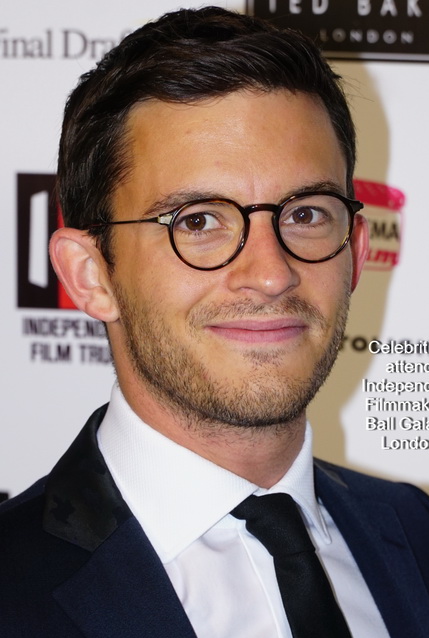
2. Jonathan Bailey
Jonathan Bailey broke into global celebrity through “Bridgerton,” but the bigger story is how quickly he expanded beyond period-romance charm. In “Fellow Travelers,” he moved into more bruising dramatic territory without losing the magnetism that made him a breakout star in the first place. His stage credentials matter too; Bailey won an Olivier Award for “Company,” giving him the kind of theatrical foundation that often sustains long careers. At a moment when mainstream entertainment still debates who gets to lead romantic stories, Bailey already has.
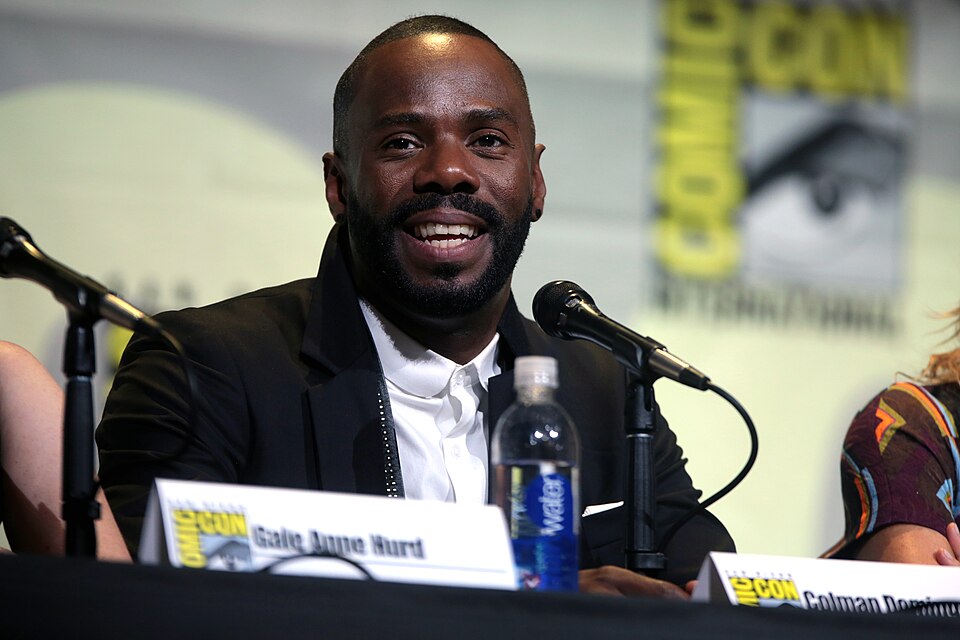
3. Colman Domingo
Colman Domingo’s rise has felt overdue rather than sudden. He has been a commanding presence in theater, television, and film for years, but his performance in “Rustin” turned broader public attention toward what many viewers had already recognized: his screen authority is almost unmatched. The role earned him an Oscar-nominated performance and underscored how naturally he carries historical material without turning it stiff. On “Euphoria,” he found something more intimate and wounded. That combination of gravitas and emotional openness is difficult to fake.
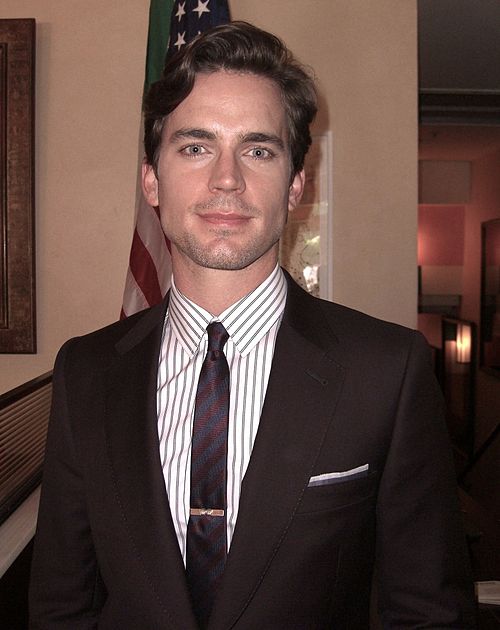
4. Matt Bomer
Matt Bomer has the kind of classic leading-man presence that television once treated as a narrow box, yet his best work keeps slipping out of it. “White Collar” showcased polish and charm, while “The Normal Heart” and “Fellow Travelers” revealed a far heavier dramatic register. Bomer’s career has become a case study in longevity through flexibility. He can sell wit, heartbreak, and old-school glamour without seeming trapped by any of them.
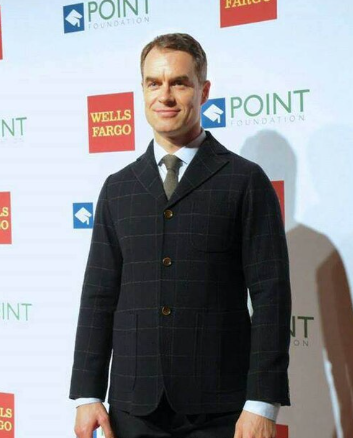
5. Murray Bartlett
Murray Bartlett knows how to make a supporting role feel seismic. His work as Armond in “The White Lotus” earned him an Emmy, and it did more than create a viral performance; it reminded audiences how thrilling a character actor can be when given room to spiral. His guest turn in “The Last of Us” hit a very different note, quieter and devastating. Few actors move between frenzy and tenderness with such control.
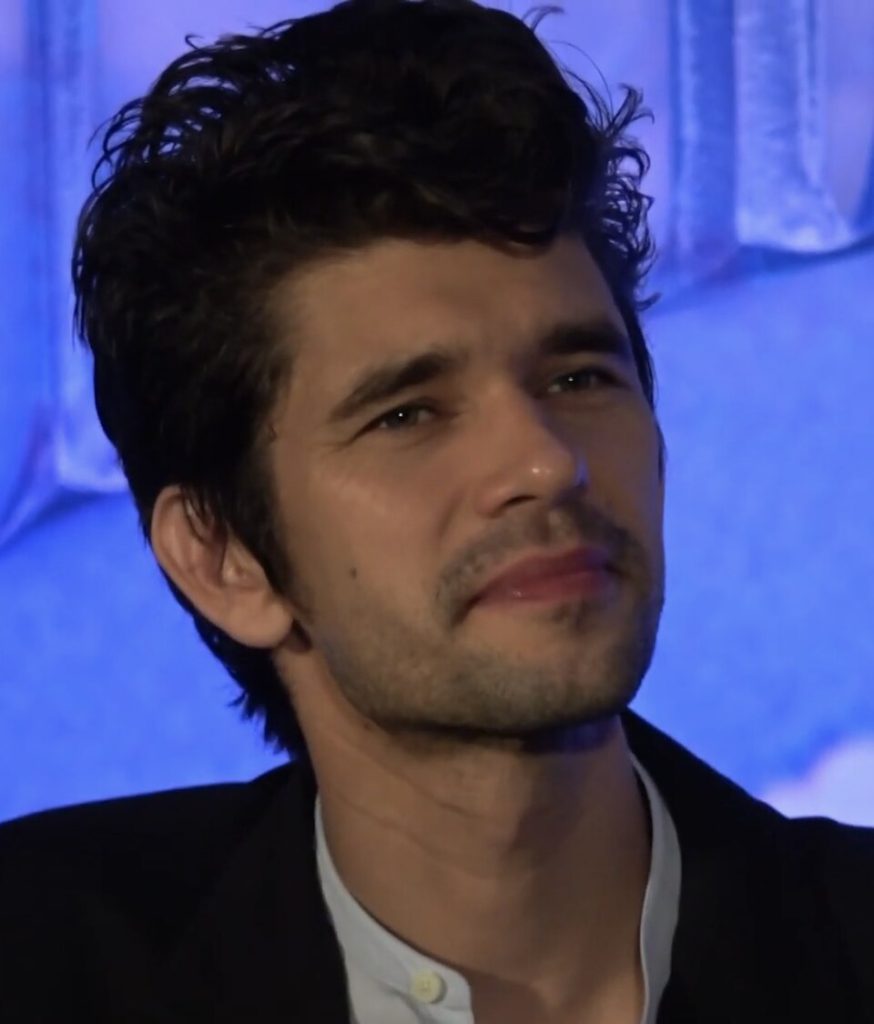
6. Ben Whishaw
Ben Whishaw has built an unusually textured screen identity. Mainstream audiences know him as Q in the Bond films and as the voice of Paddington, but that barely captures his depth. In “A Very English Scandal,” he showed how fragility and fury can coexist in the same performance. Whishaw’s work rarely asks for attention in a loud way. That is partly why it lingers.

7. Bowen Yang
Bowen Yang turned “Saturday Night Live” into a launchpad without flattening his sensibility to fit sketch-comedy tradition. According to The Hollywood Reporter’s 2020 power list, he was identified as the show’s first Chinese American cast member and its third openly gay male cast member, a marker of both visibility and how recent some of these breakthroughs still are. Yang’s performances on “Fire Island” and “Wicked” showed that his comic rhythm works just as well outside live TV. He has become one of the clearest examples of queer comedy with mainstream reach.
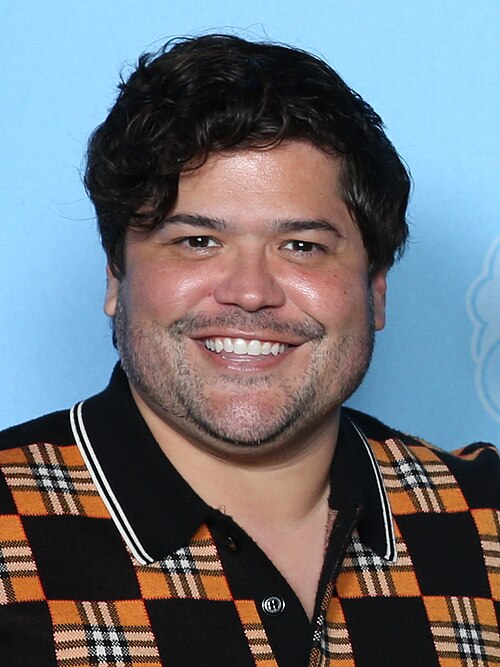
8. Harvey Guillén
Harvey Guillén has done something that remains rarer than it should be in genre entertainment: he made sweetness, eccentricity, and physical comedy feel central rather than secondary. As Guillermo on “What We Do in the Shadows,” he turned a familiar sidekick setup into one of TV’s most rewarding character arcs. His work also carries another layer of industry significance, expanding visibility for Latino performers and for body diversity in fantasy-comedy spaces that have often looked repetitive.
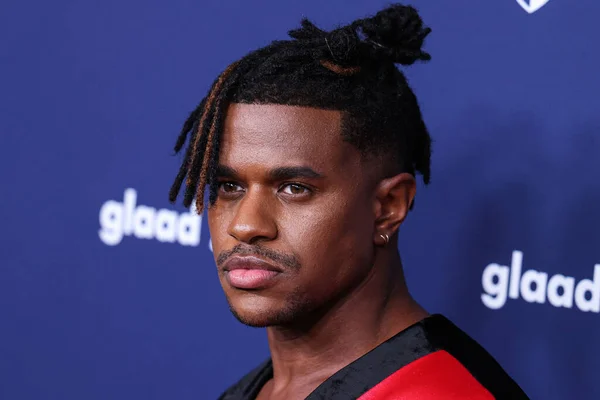
9. Jeremy Pope
Jeremy Pope arrived with the kind of theater momentum that can be difficult to translate onscreen, then translated it anyway. His Broadway ascent included two Tony nominations in the same year, and “The Inspection” confirmed how effectively he can hold a film from the center. Pope’s screen presence is direct but never static; he can project confidence and vulnerability at once. That makes him feel less like a promising newcomer than a star still defining his full range.
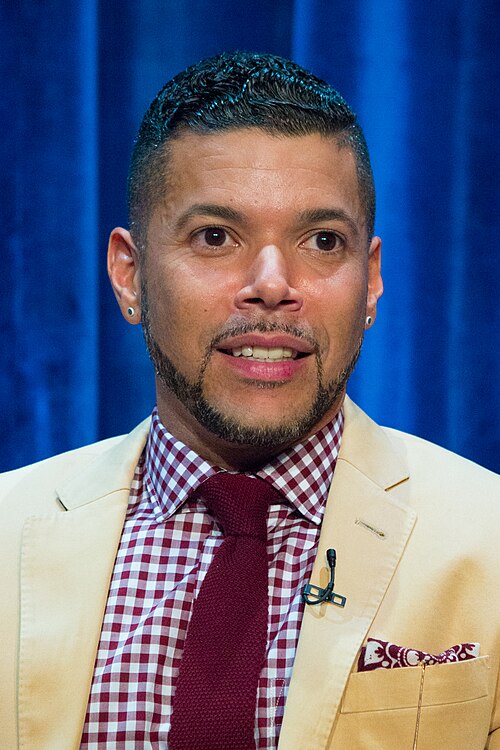
10. Wilson Cruz
Wilson Cruz represents a different kind of importance: longevity with cultural consequence. His work as Rickie Vasquez on “My So-Called Life” remains one of television’s most cited early touchstones for authentic queer youth representation, and even Dan Levy has pointed to Rickie as formative in discussing on-screen visibility in his own comments on representation. Cruz later extended that legacy through “Star Trek: Discovery,” where he and Anthony Rapp became part of the franchise’s first regular gay couple. His career connects eras of TV history that are often discussed separately.
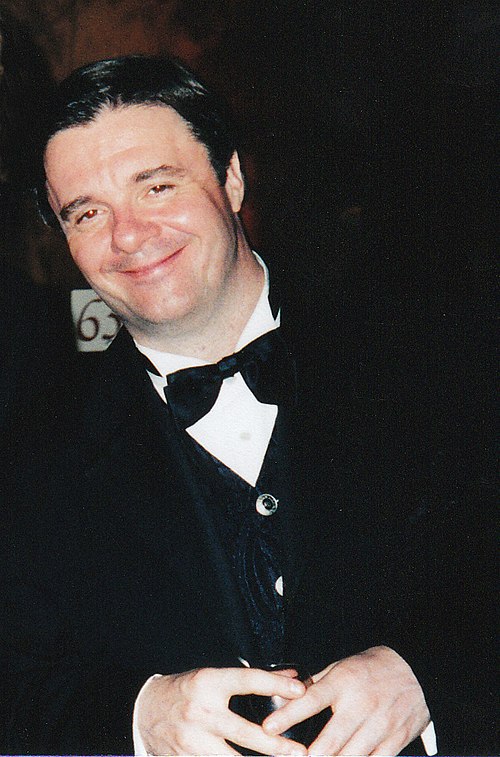
11. Nathan Lane
Nathan Lane is too often treated as an institution first and an active working actor second. That misses the point. His reputation was built through stage brilliance and screen comedy, but recent television work has shown how sharply he still calibrates tone, whether the material leans absurd, melancholy, or cutting. Lane’s importance is not just historical; he remains one of the clearest examples of a performer whose precision can elevate almost any ensemble.
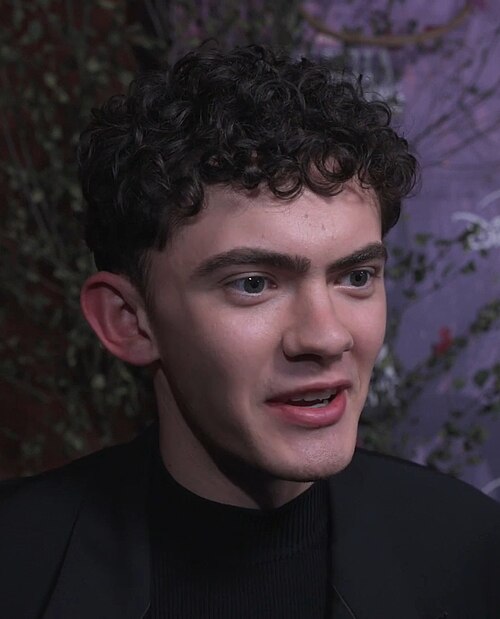
12. Joe Locke
Joe Locke arrived with “Heartstopper,” a series that connected with younger audiences on an enormous scale, and he carried much of its emotional credibility. His appeal is not based on polish alone. Locke makes uncertainty readable, which is one reason viewers responded so intensely to his work. His subsequent move to Broadway in “Sweeney Todd” suggested a career developing in multiple directions at once, rather than settling for the role that made him recognizable.
The larger shift is not simply that more actors are out. It is that openly gay performers are now visible across romance, action, prestige drama, sci-fi, sketch comedy, and major stage work without fitting one approved template. That is what makes this group worth watching. They are not asking Hollywood for room anymore; they are already taking it.

