
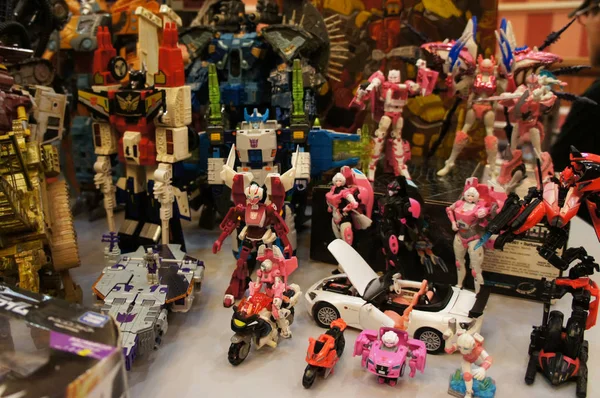
Plenty of 1980s toys were treated like ordinary clutter once childhood moved on. Boxes were flattened, accessories disappeared into carpet fibers, and whole collections were dropped off at yard sales without much thought.
That casual cleanup looks different now. Collectors have spent years pushing demand higher, and specialists note that nostalgia, rarity, and condition are what separate a familiar old toy from one that can command serious attention. As Marsha Dixey of Heritage Auctions put it, “Entertainment or pop culture is the category that is really the most collectible and bringing in the highest values right now.”
1. Transformers
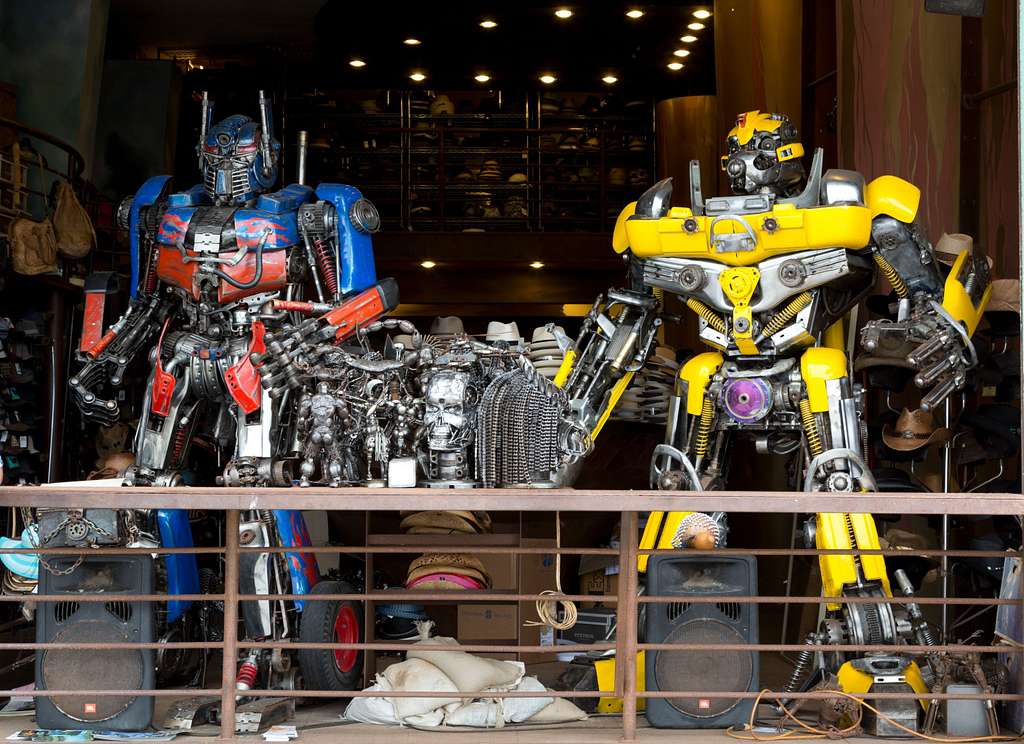
Few toy lines capture the 1980s quite like Transformers. The original Generation 1 figures turned vehicles, gadgets, and aircraft into robots, which made them feel like both action figures and puzzles at once.
That mix still matters in the collector market. Boxed examples attract the most attention, but even loose figures can remain desirable when key parts are intact. Some standout auction sales have gone far beyond ordinary attic-find expectations, especially for sealed versions of flagship characters. The old lesson keeps repeating: the box, inserts, and tiny accessories often matter almost as much as the figure itself.
2. Cabbage Patch Kids
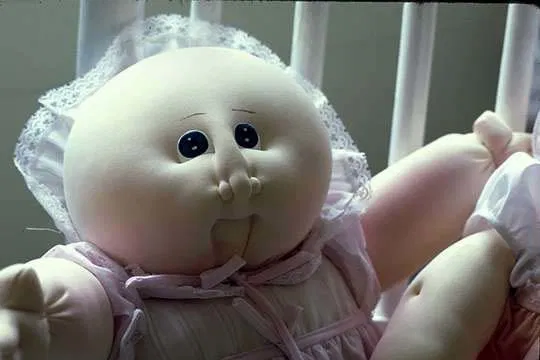
Cabbage Patch Kids were once so common that many families assumed they would never be scarce. They were soft-bodied dolls with adoption-style paperwork, and during the peak years they seemed to be everywhere.
That ubiquity did not stop them from becoming collectible. Condition makes the difference, and mint dolls with original paperwork stand apart from played-with examples. The line also has an unusual historical footprint: the brand has been licensed over 150 times, which shows how deeply it embedded itself in popular culture.
3. My Little Pony
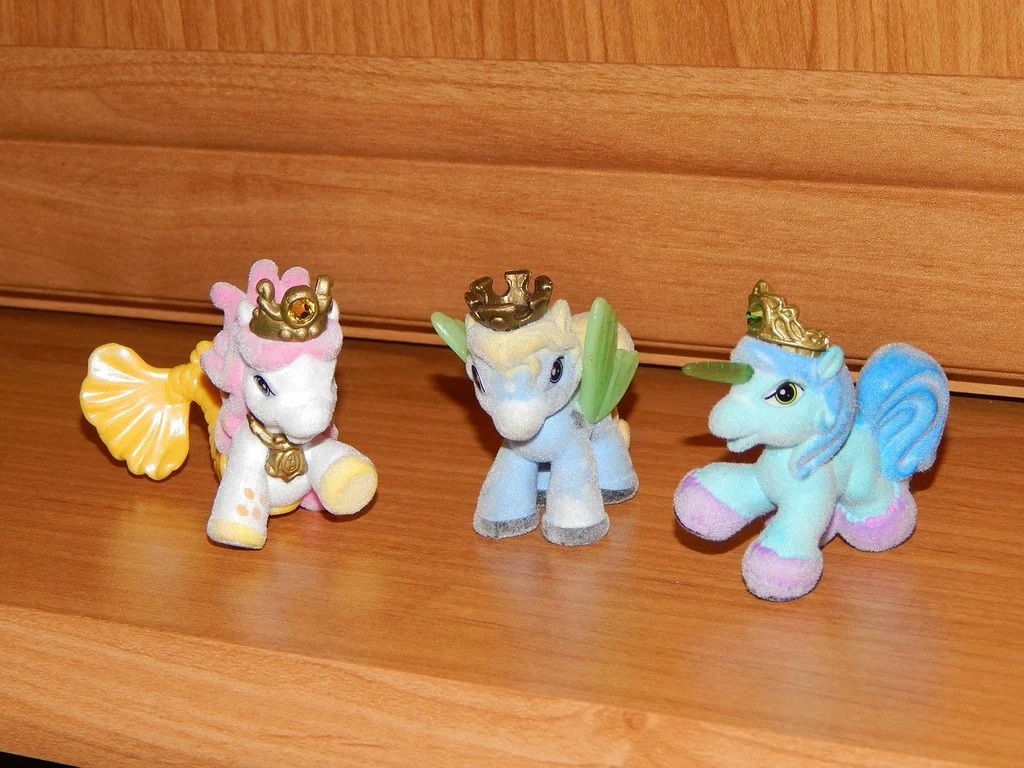
My Little Pony looked like the kind of toy that would always be sentimental and never especially scarce. Bright colors, brushable hair, and a huge number of releases made the line feel built for everyday play rather than long-term collecting.
That assumption aged badly. First-generation ponies now attract dedicated collectors, and the rarer characters have become especially notable. One reason is simple attrition: children actually played with them. Hair was cut, symbols faded, and accessories vanished. With more than 150 million sold during the decade, the brand was a giant hit, but pristine survivors are much harder to find than the sales totals suggest.
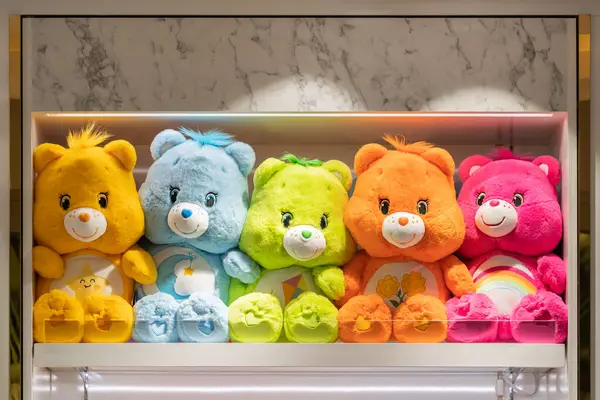
4. Care Bears
Care Bears began as greeting card characters before becoming one of the decade’s defining plush phenomena. That origin story helps explain why they crossed from toy aisles into a broader pop-culture lane so quickly.
Collectors now look closely at early plush versions, especially uncommon characters in strong condition. They may seem too soft and familiar to be valuable, yet early releases did not often survive with tags, bright fur, and clean belly badges. Their appeal is tied to both nostalgia and recognition: these were not obscure toys. They were everywhere, which is exactly why so many people assumed they were disposable.
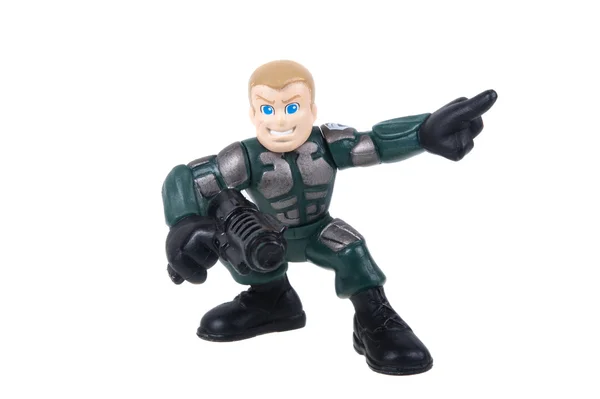
5. G.I. Joe
The 1980s version of G.I. Joe changed the action-figure landscape by shrinking to 3.75 inches and building an entire world of vehicles, bases, and character backstories around that scale. It was not just one toy line; it was a system.
That system is why complete examples can stand out today. File cards were clipped, weapons were lost, and large playsets were rarely stored carefully once kids outgrew them. According to Hasbro’s redesigned 3.75-inch line, the smaller scale opened the door to expansive vehicles and play environments, which also created more pieces for families to misplace. Today, completeness can be the difference between nostalgia and a genuinely collectible item.
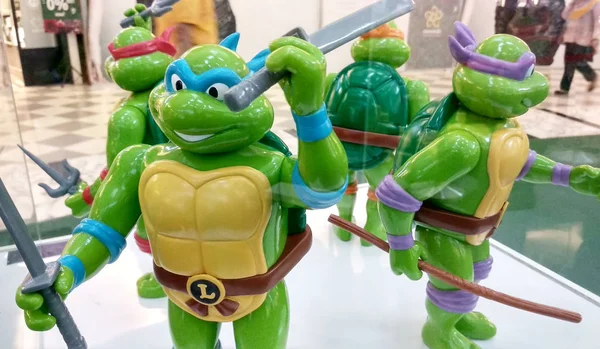
6. Teenage Mutant Ninja Turtles
The Turtles arrived late in the decade but made an immediate impact. Their comic-book origin, animated series, and huge personality differences gave children four characters who felt distinct even when they were standing on the same shelf.
Original late-1980s figures are now watched closely by collectors, especially when card backs are crisp and unpunched. Loose figures still have an audience, but battered paint and missing weapons are common. That pattern shows up across many vintage lines, though TMNT may be one of the clearest examples of how a wildly popular plaything can become hard to find in top condition once decades pass.
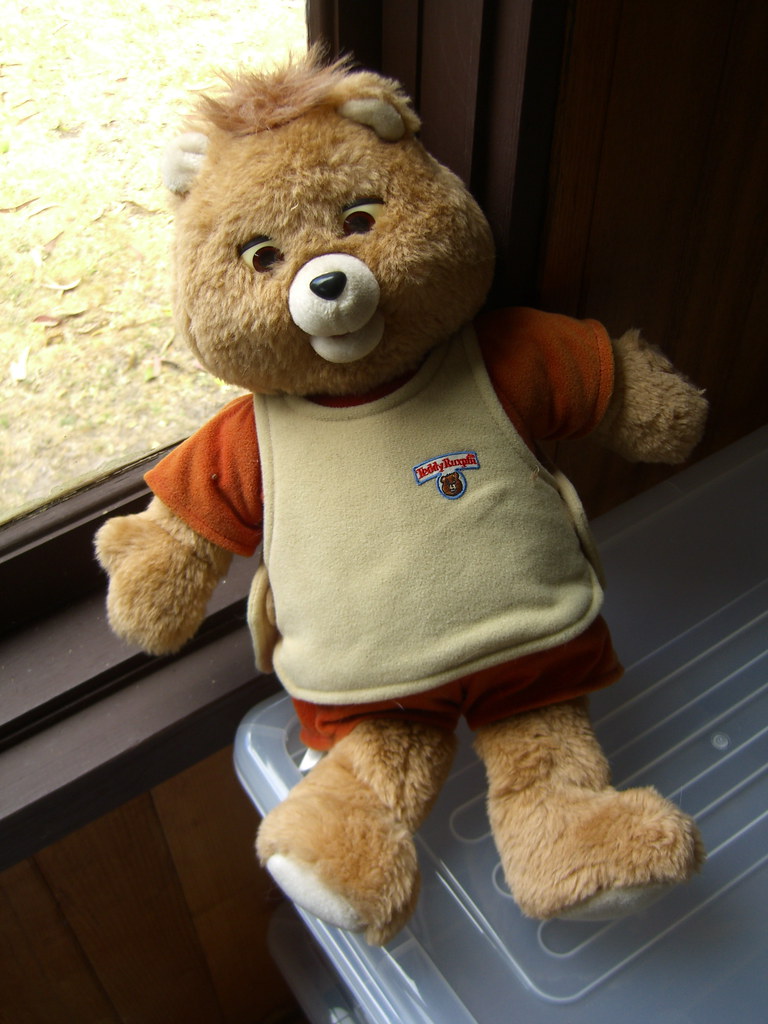
7. Teddy Ruxpin
Teddy Ruxpin was the talking bear that made prerecorded storytelling feel futuristic. The toy used cassette tapes to animate its mouth and eyes, and for many families it was a centerpiece gift rather than a throw-in stocking toy.
Its survival rate has been complicated by electronics, battery compartments, and missing tapes. Working examples with original packaging and paperwork tend to stand apart because so many were heavily used. The bear was also a sales giant: over seven million units sold during its heyday. High sales numbers did not prevent collectible interest; they simply made condition the real separator.
8. Star Wars Action Figures
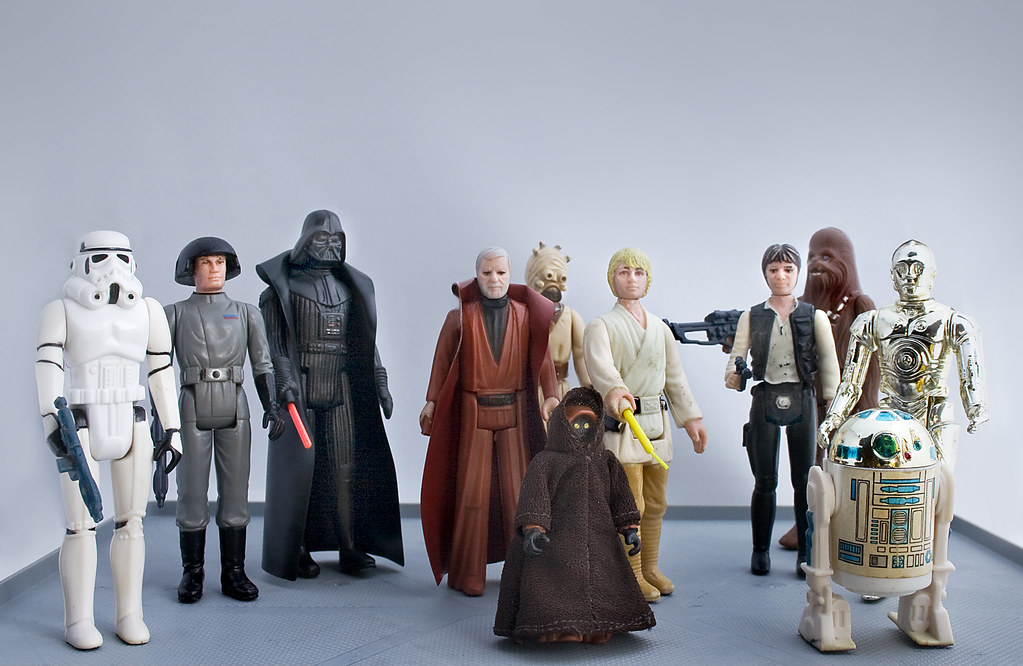
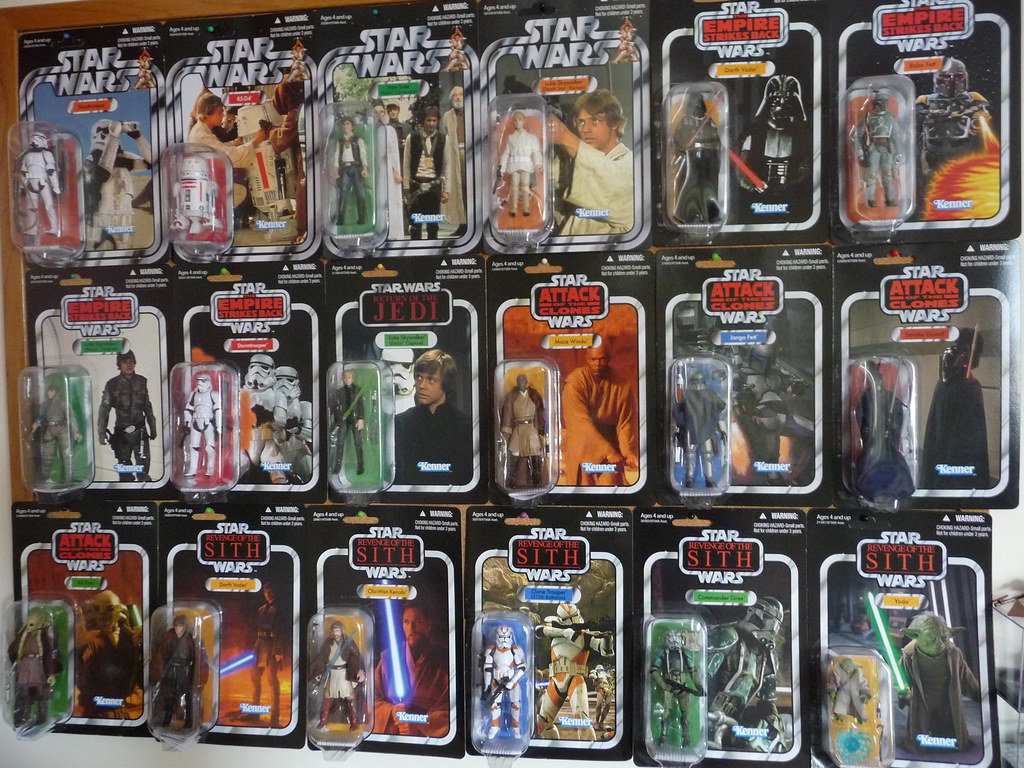
Even though the Star Wars toy boom began in the late 1970s, the line stayed tightly connected to 1980s childhood. Kenner’s compact figures, tiny accessories, and carded packaging defined how many children thought an action figure should look.
Collectors pay close attention to unusual variants and late-release characters. Kayleigh Davies noted that “Early and unusual variants generate the most interest,” pointing to details like the original Jawa with a vinyl cape before it was changed to cloth. That kind of small production difference helps explain why a toy many children tore open in seconds can become so closely studied years later.
The bigger story is not that every old toy became a treasure. It is that millions of ordinary playthings were discarded before anyone recognized how strongly nostalgia, rarity, and survival would shape their second life. For families who kept boxes, paperwork, accessories, and cleaner examples, the 1980s toy chest turned out to hold far more than memories.

