
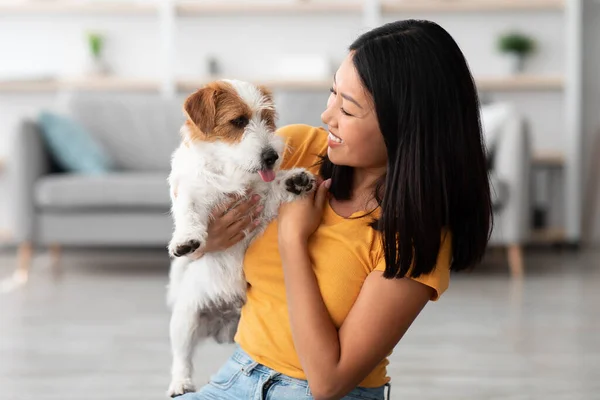
Dogs do not measure devotion by grand gestures. They pay attention to patterns: the pause at the mailbox, the tone used in a busy room, the moment a person notices a quiet nudge instead of waving it off. That is part of why small routines matter so much. Research on dog-human bonding has found that gazing at each other can raise oxytocin in both dogs and people, and behavior experts consistently point to predictability, calm communication, and enrichment as the building blocks of trust.
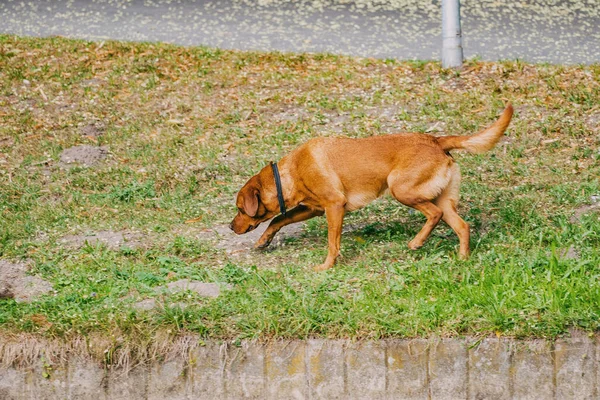
1. Letting a walk become a sniff session
For many dogs, the walk is not mainly about steps. It is about information. A dog’s nose does much of the work of understanding the world, so slowing down long enough to investigate a patch of grass or a trail on the sidewalk can be more satisfying than being hurried from block to block. Enrichment-based trainers often emphasize exploration over speed, including letting your dog sniff on walks. That kind of outing gives many dogs mental work, not just physical exercise, and it can leave them calmer afterward.
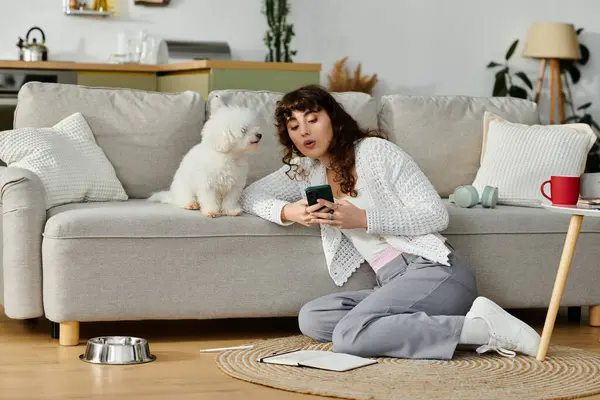
2. Giving full attention, even briefly
A few focused minutes can land better than a long stretch of distracted company. Dogs notice eye contact, body orientation, and whether a person is actually engaged in the game, cuddle, or training moment. Soft eye contact is one of the common signs of attachment, and many bonded dogs actively seek it out. In daily life, that means a short play session, a deliberate petting break, or a calm training moment can carry more emotional weight than multitasking nearby.
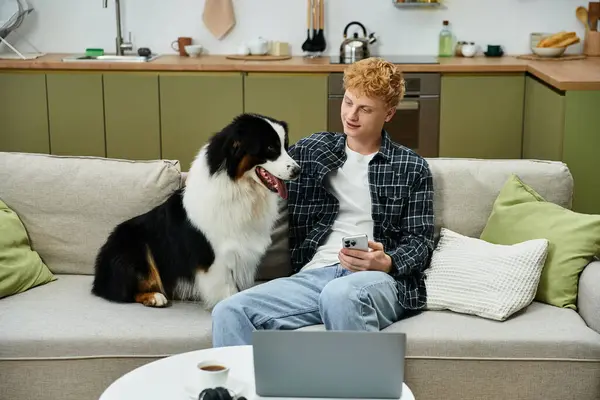
3. Keeping the voice steady and gentle
Dogs are highly tuned to tone. A calm, even voice can lower tension in unfamiliar situations, while abrupt volume changes may create uncertainty, even when no correction is intended. This matters most in ordinary moments: greeting at the door, helping a dog settle after excitement, or guiding them through a noisy environment. A predictable tone becomes part of the dog’s sense of safety.
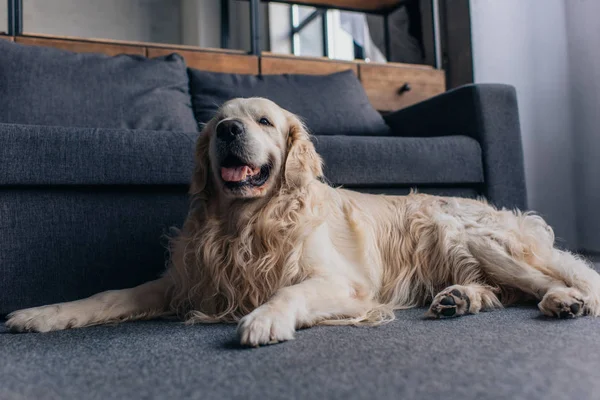
4. Respecting space when the dog asks for it
Not every dog wants touch on demand, and even affectionate dogs can need distance when tired, sore, or overstimulated. Looking away, lip licking, yawning, or turning the body can all be signs that the dog needs a breather. Honoring that signal teaches an important lesson: the person is safe to be around. Trust often grows faster when dogs are allowed to initiate contact instead of having affection pushed on them.
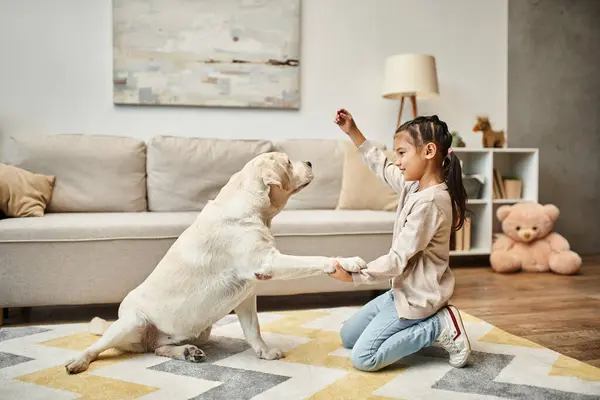
5. Turning food into connection and brain work
Food can do more than fill a bowl. Hand-feeding in calm training sessions can help some dogs focus and build confidence, while puzzle feeding gives them a productive outlet for natural foraging behavior. That extra mental effort matters. Behavior guidance on settling overactive dogs often recommends using puzzle toys for regular meals because it slows eating, occupies the dog, and helps create a smoother transition from activity to rest.
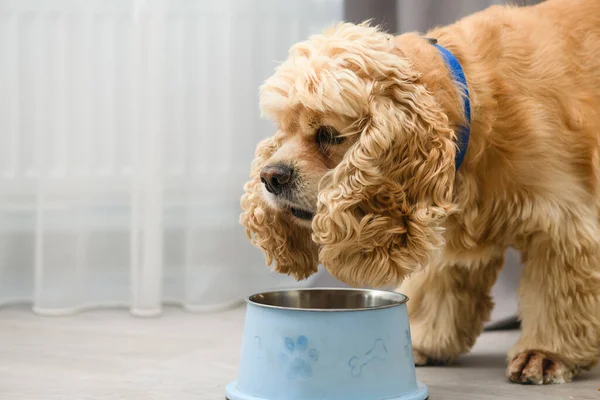
6. Sticking to a routine they can count on
Dogs tend to thrive when meals, walks, rest, and play happen in a familiar rhythm. A schedule does not need military precision, but it does need enough consistency that the dog can predict what comes next. Predictability reduces stress for many dogs. It can also support better rest, steadier house behavior, and smoother training because the day feels less chaotic from the dog’s point of view.
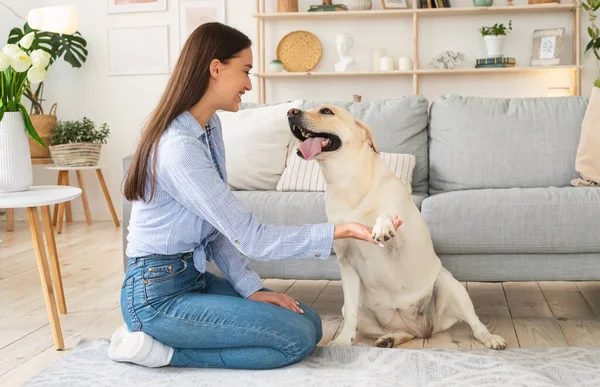
7. Responding to check-ins and closeness
When a dog glances back on a walk, leans against a leg, drops a toy nearby, or shadows a person from room to room, that behavior often reflects connection rather than clinginess. Many attached dogs show it through following their human around the house or leaning into contact. These moments are easy to miss. A quiet word, a touch, or a quick acknowledgment tells the dog the connection goes both ways.
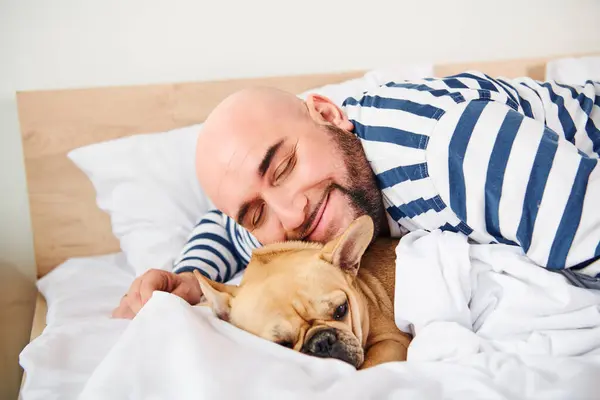
8. Sharing quiet time without asking for anything
Not all bonding has to be active. Resting in the same room, sitting together after a walk, or letting a dog nap nearby can be deeply reassuring, especially for older dogs or dogs that get overwhelmed easily. Sleep and rest also have a social side for dogs. Some strongly bonded dogs choose to stay close when they are most vulnerable, including sleeping next to you or your bed. Quiet companionship can be its own form of security.
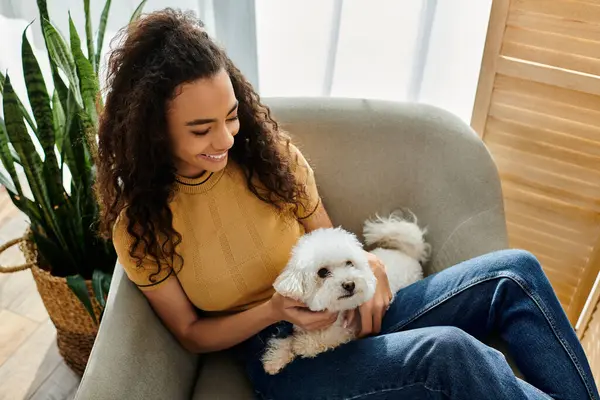
The smallest habits are often the clearest signals. Dogs learn who a person is from repeated details: whether their pace is rushed, whether their signals are noticed, whether calm and comfort show up every day. For many dogs, that is what love looks like in practice: a little more patience, a little more predictability, and a home that feels easy to trust.

