
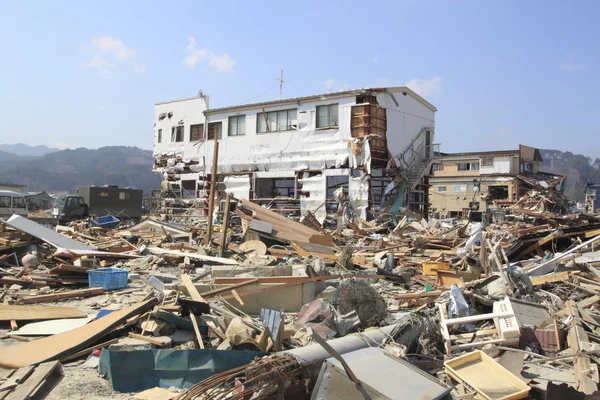
The Pacific Northwest’s most dangerous fault does not advertise itself with daily drama. It sits offshore, mostly silent, storing strain across a vast boundary that runs from Northern California to British Columbia. That quiet is part of what makes Cascadia so unsettling. Scientists cannot predict the exact day of a rupture, but they have identified patterns, records, and physical signals that reveal how a future megathrust earthquake could unfold and why communities keep preparing for it.
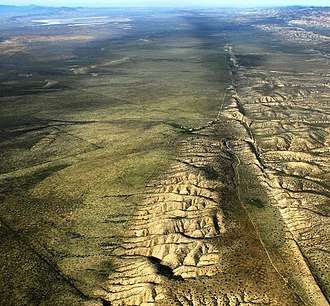
1. A fault line more than 700 miles long
The Cascadia Subduction Zone is not a small local crack in the ground. It is a 700-mile fault stretching along the Pacific margin, where the Juan de Fuca Plate pushes beneath North America. Oregon emergency officials say the zone lies about 70 to 100 miles offshore, close enough to threaten coastal communities with violent shaking and fast-moving tsunami waves.
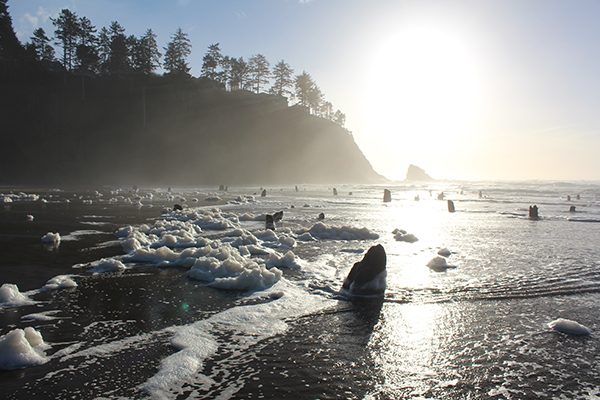
2. A 1700 disaster still leaves evidence today
The last full-scale Cascadia rupture struck on January 26, 1700, and its fingerprints remain remarkably clear. Dead cedar “ghost forests,” drowned marshes, tsunami sands, and Japanese records of an unexplained wave all point to a quake estimated between magnitude 8.7 and 9.2. That history matters because Cascadia is not a theoretical risk; it has already produced one of the largest earthquakes on the continent.
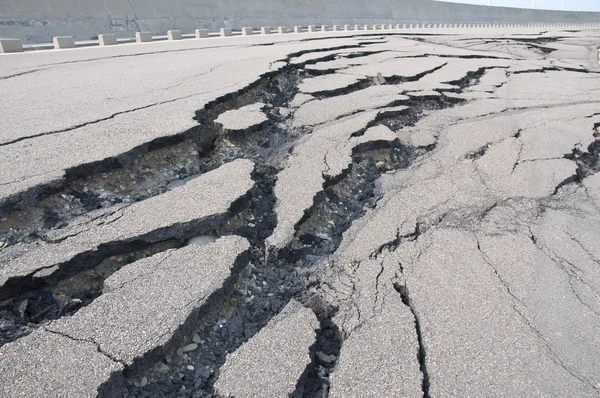
3. The ground can drop before the ocean arrives
One of the least intuitive warning signs is not shaking alone, but sudden land loss. During the 1700 event, parts of the coast dropped by several feet, and newer studies indicate future subsidence could sharply expand flood exposure within minutes. That means some coastal areas could sink just before tsunami water pushes inland, leaving less protection and less time to react.
4. Tsunami escape time may be brutally short
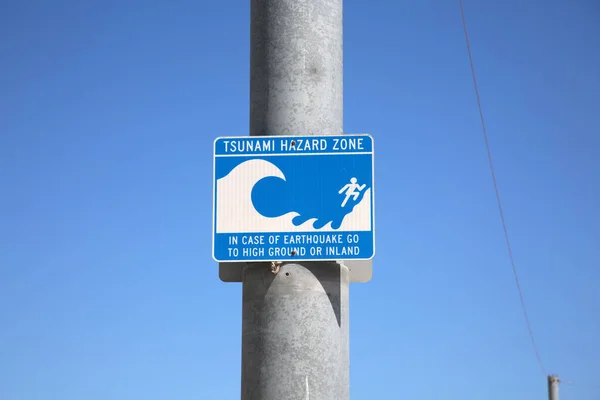
For many shoreline communities, the most urgent clue is location itself. Officials have long warned that a Cascadia rupture could send tsunami waves ashore in as little as 10 to 20 minutes in some places, with wave heights in worst-case models reaching up to 100 feet. Even where newer research suggests impacts may vary by coastline shape and offshore fault structure, the core message has not changed: strong shaking near the coast is the evacuation signal.
5. Slow-slip motion may be one of the fault’s quietest signals
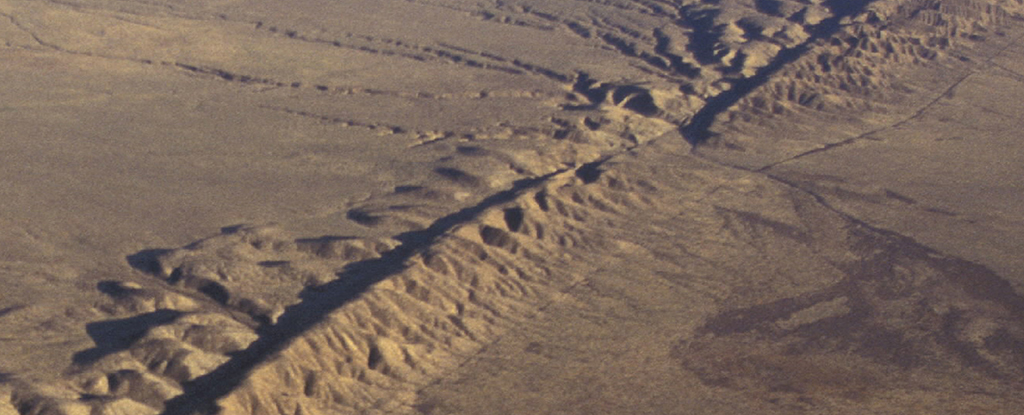
Scientists are paying close attention to “slow-slip” events, which release stress over days or weeks instead of in one sharp jolt. These motions do not feel like ordinary earthquakes, but in some subduction zones they have appeared before major ruptures. Researchers studying Cascadia continue to watch for the kind of slow-slip event that might raise concern without offering certainty, a scientific gray zone that makes public warning decisions especially difficult.
6. Offshore sensors are picking up more than expected
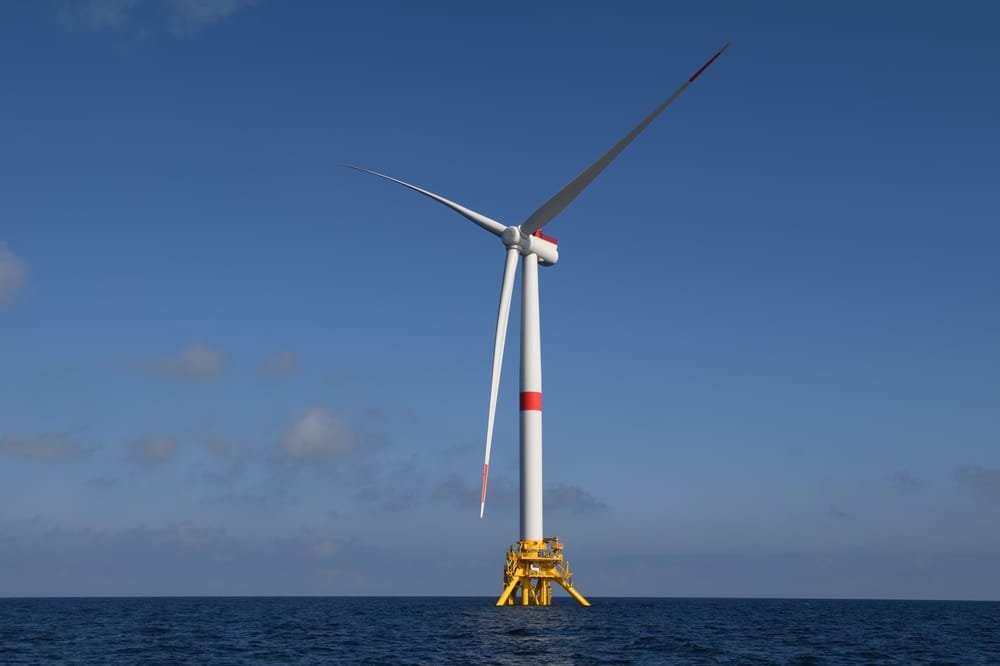
Cascadia once seemed eerily quiet because most instruments were on land. As more sensors moved onto the seafloor, researchers started hearing a different story: tiny offshore quakes, pressure changes, and subtle strain shifts that older networks missed. A recent University of Washington study found the fault is not completely locked, especially in parts of the central margin, where slow motion and fluid movement may influence how future ruptures spread.
7. Cascadia may break in segments, not one simple tear
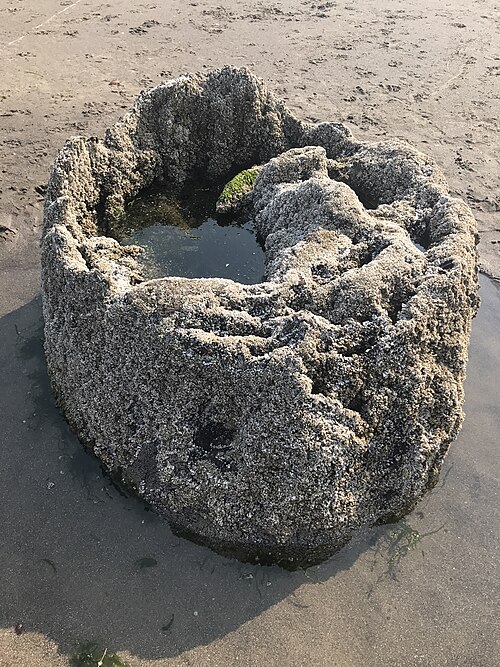
That detail changes how scientists think about danger. New mapping suggests the subduction zone includes at least four distinct segments, and each may behave differently during a major earthquake. A segmented fault does not eliminate risk, but it does mean researchers are now looking more closely at whether some areas can halt, redirect, or intensify rupture as it travels along the plate boundary.
8. Underwater landslides are preserving a longer earthquake record
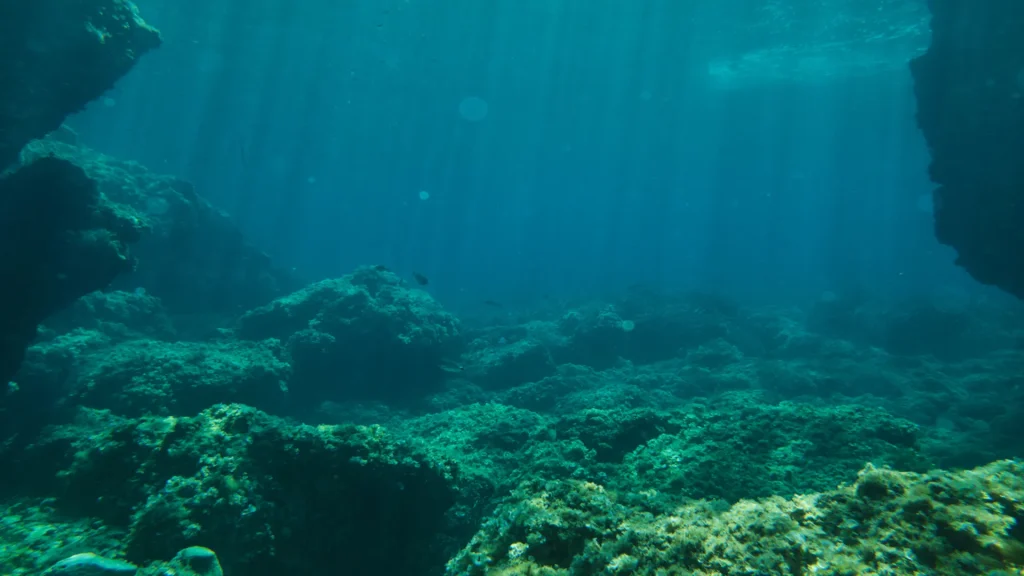
The seafloor itself has become a kind of archive. Marine researchers recently showed that earthquake-triggered underwater landslides leave widespread sediment layers called turbidites, helping build an event-by-event history of ancient Cascadia shaking. That growing record strengthens the case that the region has experienced repeated giant earthquakes over thousands of years, not a one-time outlier.

9. Readiness gaps remain one of the clearest warning signs of all
Hazard science is only part of the story. Emergency planners across the Pacific Northwest continue to warn that many communities would be isolated for days or weeks, and Oregon says residents should prepare to be without services for at least two weeks. That reality makes preparedness a signal in its own right: where evacuation routes, vertical shelters, bridge retrofits, and neighborhood response plans are incomplete, the human consequences rise fast.
Cascadia’s warning signs are not dramatic in the usual sense. They appear in drowned forests, buried sediments, silent strain, odd seafloor pulses, and a coastline built too close to a fault with a long memory. The clearest lesson is that the region’s greatest seismic threat is neither invisible nor fully knowable. Scientists are finding better clues, but the strongest public message remains simple: when the coast shakes hard, move inland or uphill immediately.

