

A peaceful home can change quickly when a dog’s natural rhythm is built around motion, work, and constant engagement. Some breeds were developed to herd, hunt, pull, or run for hours, and that history still shapes how they behave in modern living rooms.
In homes that prize stillness, these dogs often bring something else entirely: pacing, vocalizing, chasing movement, and a relentless need for activity. That does not make them unsuitable companions. It means their energy is rarely optional.
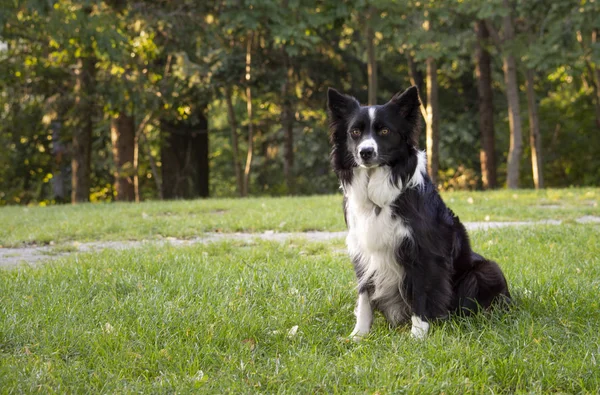
1. Border Collie
The Border Collie is widely recognized for exceptional intelligence, but that sharp mind often arrives with intense daily energy needs. Bred for precision herding, the breed tends to watch movement closely and react to it, which can turn passing shadows, running children, or household commotion into a constant source of stimulation. Without demanding outlets, the breed can become restless indoors. Mental work matters as much as physical exercise, and herding-type games, advanced training, and structured activity are often part of keeping the home more settled. According to at least 60 minutes of physical activity plus additional time for mental enrichment, herding breeds generally need far more than a casual walk.
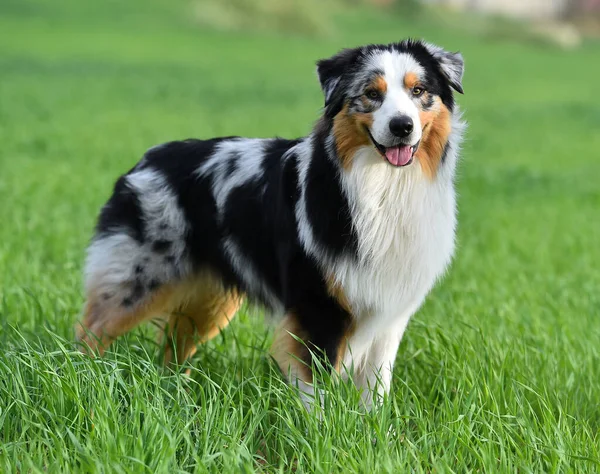
2. Australian Shepherd
The Australian Shepherd often looks polished and adaptable, yet its working background tells the deeper story. This breed was developed to move livestock and stay engaged with people for long stretches, which helps explain why quiet households may find an Aussie constantly in motion. Herding instincts can show up in domestic ways, including circling, following, and attempts to control movement. The English Shepherd Club’s guide to herding dogs notes that many herding breeds show behaviors such as circling the children, shadowing their people, and barking when overstimulated. In a calm home, those habits can feel relentless rather than charming.

3. Siberian Husky
The Siberian Husky carries the legacy of an endurance athlete. Originally bred to pull sleds across long distances, the breed often brings stamina that easily outlasts a household’s appetite for activity. Huskies also tend to be vocal. Rather than simply barking, many howl, chatter, and “talk,” which can break the atmosphere in a home built around quiet routines. Their need for movement, novelty, and outdoor time makes them especially challenging in smaller or low-key environments, where under-exercise often shows up as agitation or escape-focused behavior.
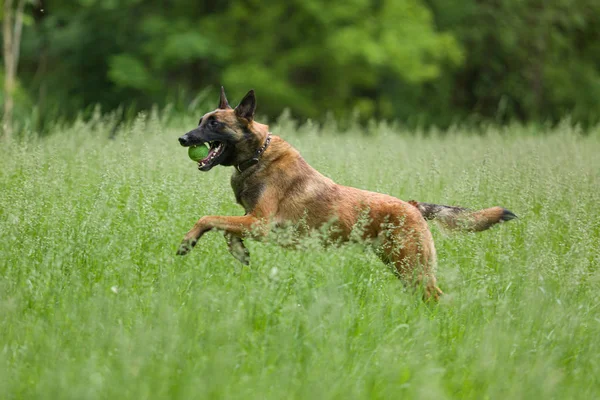
4. Belgian Malinois
The Belgian Malinois is defined by intensity. Known for highly demanding working roles, this breed is less a casual companion than a dog built for mission-driven engagement. In a peaceful household, that intensity can surface as pacing, hypervigilance, and difficulty settling. The problem is not merely excess enthusiasm. It is sustained drive with nowhere productive to go. Homes that run on soft routines and long idle hours often clash with a dog that expects structure, training, and repeated physical challenges.

5. Jack Russell Terrier
Small size does little to soften the impact of a Jack Russell Terrier. This breed was developed for hunting and digging, and it often behaves like a compact engine that never truly powers down. That energy can become noisy and destructive indoors. Digging at carpets, springing onto furniture, and chasing anything that moves are all familiar patterns in under-stimulated terriers. Wisdom Panel notes that terriers such as Jack Russells benefit from 60 minutes of moderate exercise paired with interactive play and problem-solving games, a combination that helps explain why quiet households may struggle when that outlet is missing.
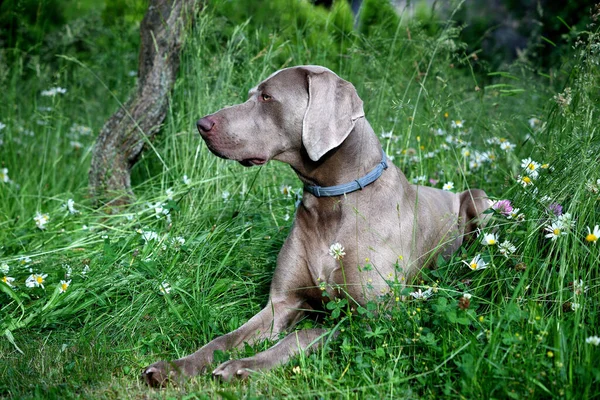
6. Weimaraner
The Weimaraner combines speed, stamina, and a strong attachment to its people. Bred as a hunting dog that worked closely with handlers outdoors for long hours, the breed often struggles with too much confinement and too little action. A calm home can become unsettled when a Weimaraner grows bored or anxious. The breed’s need for fast, sustained exercise is well established, and the American Kennel Club describes the Weimaraner as built for speed and stamina. Indoors, that can translate into repeated demands for engagement, attachment-driven stress, and destructive behavior when routines become too sedentary.
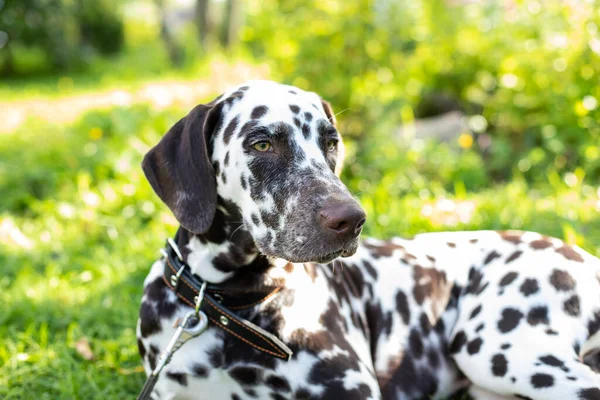
7. Dalmatian
The Dalmatian’s elegant appearance can disguise just how tireless the breed can be. Historically associated with running alongside horse-drawn carriages, Dalmatians developed notable endurance and a need for rhythmic, structured activity. When that need is unmet, a quiet home may experience bursts of frantic movement, attention-seeking behavior, and stubborn resistance to calm routines. This is a breed that often wants participation, not passive companionship, and the mismatch becomes obvious when the household expects long stretches of stillness.
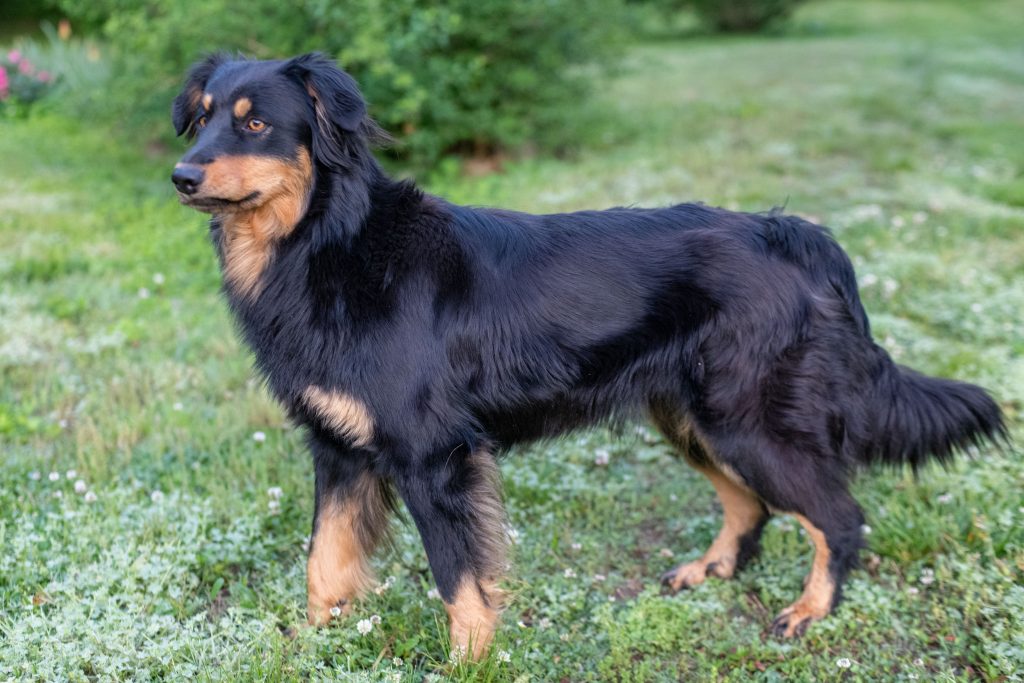
8. English Shepherd
The English Shepherd is deeply shaped by farm work. Its instincts include watching, following, barking, protectiveness, and an almost constant awareness of where people and animals are in space. That can feel intrusive in a serene home. The breed’s tendency to act like a “shadow,” stay close, and monitor activity reflects a working purpose rather than clinginess. The same herding-dog guidance also stresses that a walk is rarely enough exercise for a young healthy English Shepherd, underscoring how easily quiet homes can be overwhelmed when the dog’s mind and body are underused.
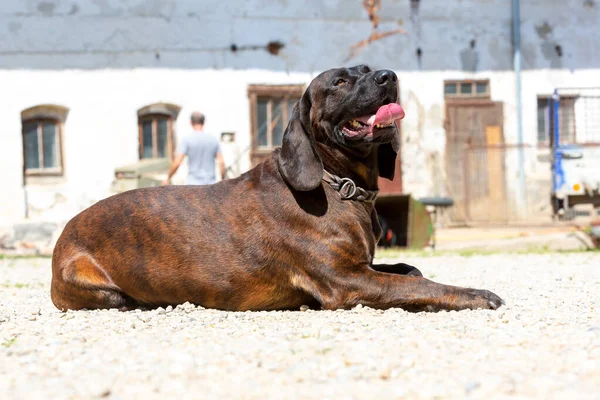
9. German Shorthaired Pointer
The German Shorthaired Pointer was developed for all-day hunting work, and its athleticism shows. This breed often thrives in homes where running, field exercise, or long outdoor excursions are part of the routine. In quieter settings, the Pointer’s enthusiasm can spill into constant movement and repeated bids for action. The breed is social and eager to work with people, but that willingness does not lessen its need for hard exercise. It simply means the dog is likely to recruit the household into its agenda.
Quiet homes are not always low-stress homes for high-drive dogs. Breeds built for herding, pulling, hunting, or endurance often need more than affection and a backyard. They need work, stimulation, and routines that respect what they were designed to do. When energy and environment do not match, the household usually feels it first. The noise, motion, and tension are often less about bad behavior than about a dog living far below its natural level of activity.

