

Diet soda is often treated as the easy swap: the fizz stays, the sugar disappears, and the label looks lighter. But the health picture around regular use has become far less simple.
Research on artificially sweetened drinks does not show one single outcome or a clean cause-and-effect story. What it does show is a pattern of associations across teeth, metabolism, kidney health, the gut, and even long-term cardiovascular concerns, especially when intake becomes a daily habit.

1. Tooth enamel can wear down even without sugar
Diet soda may skip sugar, but it still exposes teeth to acid. That matters because enamel erosion is driven by acidity, not just sweetness. Frequent intake of acidic drinks can gradually wear away the protective outer layer of teeth, leading to sensitivity, dullness, and a rougher tooth surface over time. Some observational data have linked heavy consumption of diet drinks with slightly higher odds of dental erosion, though the evidence is not equally strong across all studies. The practical concern remains straightforward: zero sugar does not mean zero dental impact.
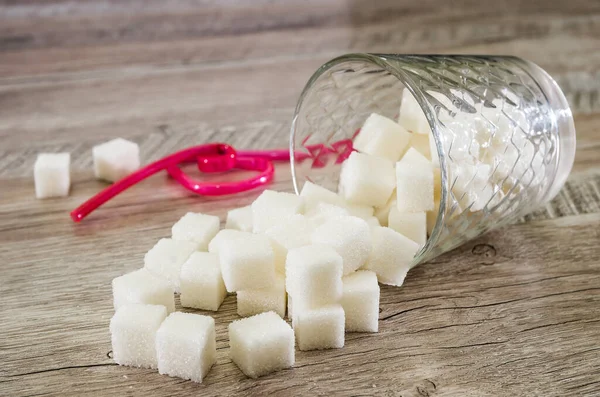
2. Blood sugar control may not improve as much as people expect
Diet soda is commonly used by people trying to cut sugar or support glucose control. Yet several observational studies have linked higher intake of artificially sweetened beverages with type 2 diabetes risk, even after accounting for body weight in some analyses. The explanation is still unsettled. Researchers have examined appetite regulation, insulin response, and changes in the gut microbiome as possible factors. That uncertainty matters because the usual assumption is that replacing sugar with artificial sweeteners automatically removes metabolic concern, and the evidence has not fully supported that idea.

3. Kidney strain has shown up in long-term research
Kidney health is one of the more consequential areas studied in regular diet soda use. In one large cohort, higher risk of end-stage renal disease was observed as intake increased, showing a dose-response pattern rather than a one-off finding. Other long-running studies have also linked multiple daily servings with greater decline in kidney function. This does not prove diet soda alone caused the damage, but it places kidney health on the list of reasons frequent drinkers may want to look more closely at overall beverage habits.

4. Blood pressure and heart risk may still be part of the picture
People often turn to diet soda to avoid the well-known cardiovascular burden of sugary drinks. Even so, some cohort studies have found that regular artificially sweetened beverage intake is associated with a modest rise in hypertension risk and with poorer cardiovascular outcomes in certain groups, including postmenopausal women. That does not mean every can raises blood pressure. It means daily use has repeatedly appeared in research tied to heart and vascular risk, even after scientists tried to account for other health differences between drinkers and non-drinkers.

5. The gut microbiome may respond in uneven ways
The gut is one of the busiest areas of current sweetener research. Reviews of non-nutritive sweeteners have found mixed results, but some human and animal studies suggest that certain sweeteners can alter bacterial diversity, bacterial balance, or related metabolic activity. A 2023 review noted growing evidence that non-nutritive sweeteners can affect the gut microbiota, although the effects vary by sweetener, dose, and study design. That inconsistency is important. Some trials found little change, while others reported shifts in microbial composition or function. The broader concern is not one single bacterium; it is the possibility that routine exposure changes how the gut environment interacts with inflammation, glucose handling, and appetite signals.

6. Aspartame still carries a cancer-related warning label of a different kind
In 2023, possibly carcinogenic to humans became the International Agency for Research on Cancer classification for aspartame. That classification reflected limited evidence, especially around liver cancer, and it did not mean ordinary intake had been proven to cause cancer. At the same time, global and U.S. regulators did not change acceptable intake guidance, and the FDA has said it does not share IARC’s conclusion. The result is a more complicated message than many consumers expected: concern exists, but certainty does not.

7. Bone health questions have not gone away
Diet cola has also been studied in relation to bone mineral density and fracture risk. In large cohorts of women, higher soda intake, including diet versions, has been associated with elevated hip fracture risk. Researchers have examined phosphorus load, dietary displacement of more nutrient-dense drinks, and calcium balance as possible contributors. The mechanism remains unclear, but the pattern is worth noting in older adults, especially postmenopausal women who already face higher fracture risk.

8. Stroke and brain health findings remain concerning, but limited
Some observational studies have linked at least one artificially sweetened drink a day with higher stroke risk, and diet drinks have also appeared in studies of dementia and other neurologic outcomes. But these studies do not prove the drink itself caused the event, and experts have pointed to reverse causation as a real possibility. That means people already at higher cardiometabolic risk may be more likely to choose diet beverages in the first place. Even with that caveat, the recurring appearance of stroke-related signals in long-term data keeps the issue from being dismissed.
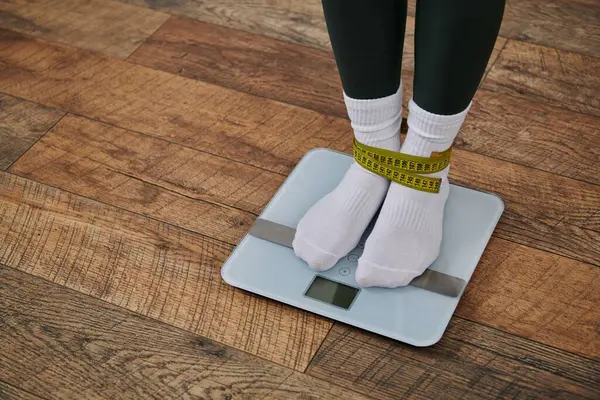
9. Weight management can get more complicated, not less
The strongest marketing message around diet soda has always been calorie control. Yet several observational studies have linked regular intake to larger waistlines, metabolic syndrome, or long-term weight gain. Some researchers have suggested that intensely sweet taste without calories may disrupt appetite cues or maintain cravings for highly sweet foods.
That does not mean diet soda causes weight gain in every person. It does mean the relationship between artificial sweetness and body weight appears more tangled than the label suggests. Viewed together, the research does not support panic, but it also does not support the idea that diet soda is a neutral everyday drink. Many of the findings are associative, some are mixed, and several are still being debated.
What remains consistent is the pattern: regular daily intake shows up in studies of multiple body systems. For people trying to reduce risk across the long term, water, unsweetened tea, or plain sparkling water remain simpler choices.

