
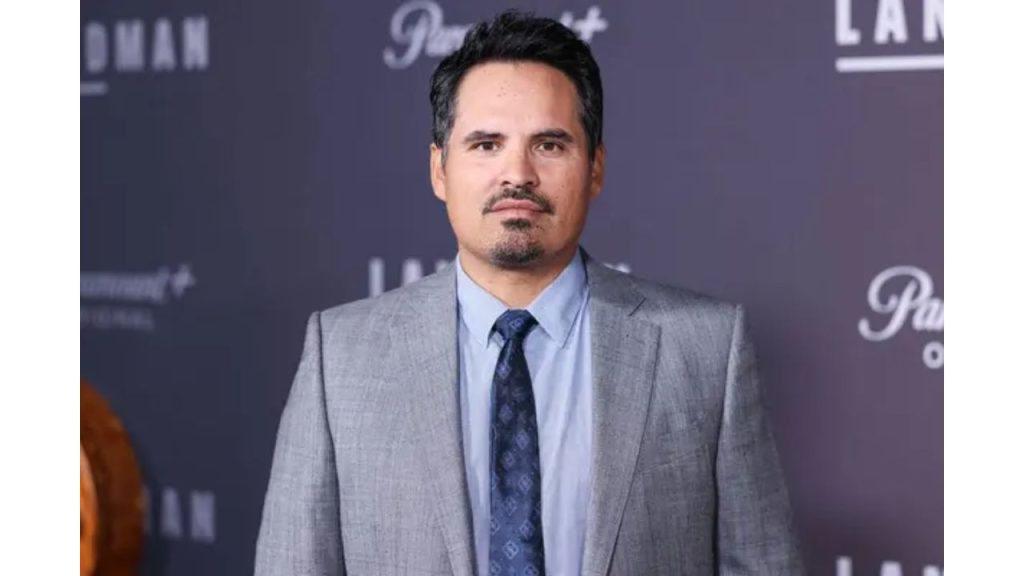
Hollywood still rewards visibility, but not every actor wants a life built around premieres, gossip, and constant public access. A number of Hispanic actors have built major careers while keeping their homes, families, and off-camera routines largely out of reach.
That choice stands out even more in an industry where Latino performers remain under 5% of leading roles and are still often pushed toward narrow stereotypes. For some of these actors, refusing the celebrity machine is not withdrawal. It is a way of protecting craft, family, and control.
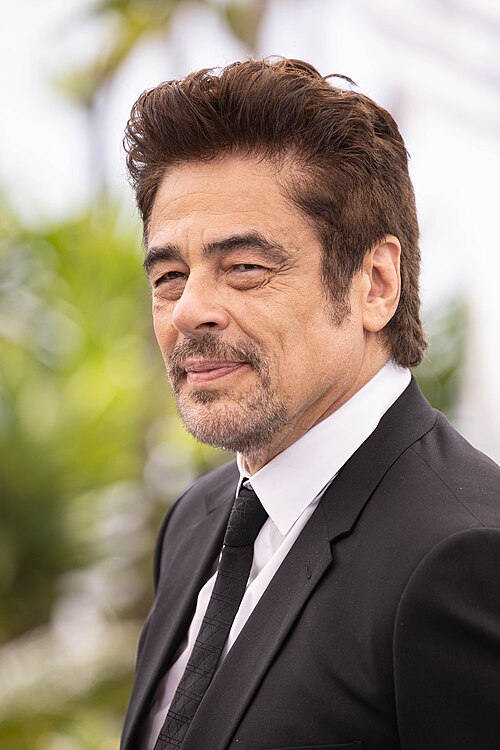
1. Benicio del Toro
Benicio del Toro has spent decades cultivating a screen presence that feels unpredictable and intense, and his off-screen life follows the same pattern. He rarely turns personal interviews into confessional moments, and he has long avoided the kind of overexposure that can make an actor feel too familiar. That distance serves his work. It keeps the focus on the character, not the headlines, and it reinforces the mystery that has become part of his appeal.
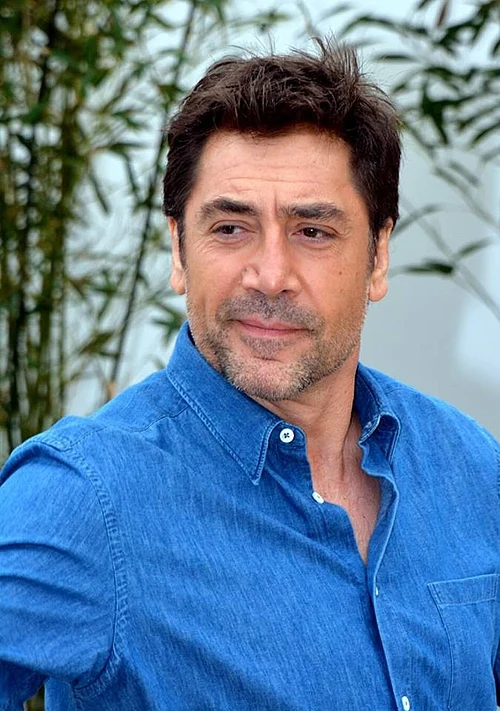
2. Javier Bardem
Javier Bardem has spoken openly about the strain celebrity culture can put on family life, which helps explain why he has often kept his personal world anchored in Spain. He has one of the most recognizable faces in international film, yet his public image remains notably restrained. Rather than turning fame into a lifestyle brand, he has kept it in the category of profession. That separation has made him one of the clearest examples of a global star who never seemed eager to live like one.
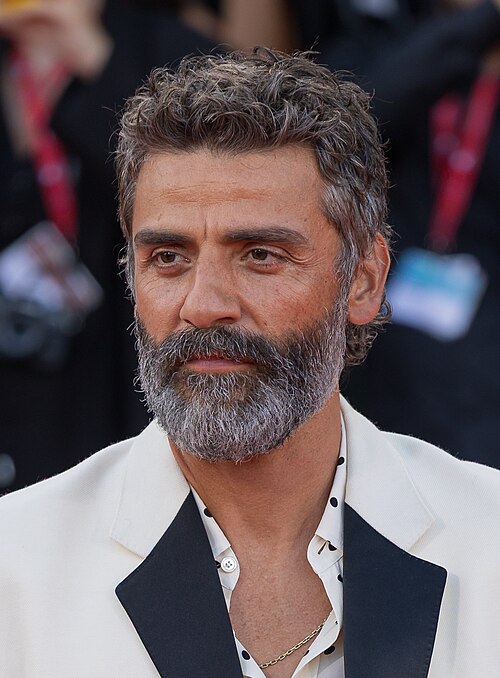
3. Oscar Isaac
Oscar Isaac has moved between franchise fame and smaller creative work without turning himself into a daily public figure. He keeps his marriage and children out of routine press coverage, stays away from the constant churn of online self-promotion, and still maintains a reputation as one of the industry’s most watchable performers. His career suggests that visibility and overexposure are not the same thing. He can headline enormous projects, then disappear back into a more ordinary rhythm in New York.
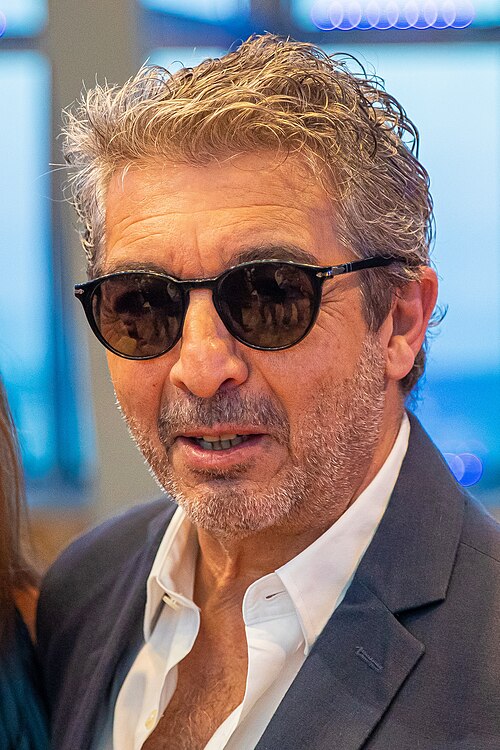
4. Ricardo Darín
Ricardo Darín represents a different kind of refusal. Instead of chasing a full relocation into the American studio system, he remained rooted in Buenos Aires and built an enduring reputation from there. That decision matters because Hollywood still presents itself as the center of success, even while many Latin American stars prove otherwise. Darín’s life and career show that staying close to home, routine, and local identity can be a deliberate success model rather than a fallback. He is often cited as a legend of Argentine cinema, and his staying power comes without the usual celebrity spectacle.
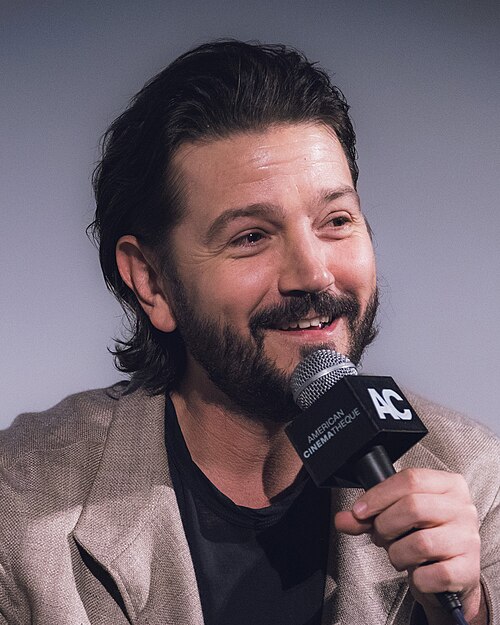
5. Diego Luna
Diego Luna has reached mainstream American audiences, but his priorities have consistently looked larger than personal fame. He is highly protective of his children’s privacy and has used public attention more often for social issues and storytelling than for self-mythology. That approach fits a broader pattern among Latino actors who have had to push back against industry expectations and limiting narratives. Luna’s visibility feels selective, not constant, and that selectiveness gives his public appearances more weight.
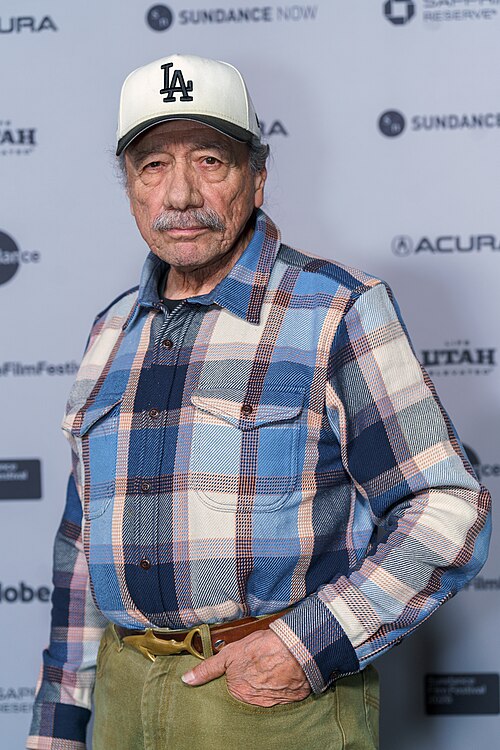
6. Edward James Olmos
Edward James Olmos has long treated fame as a tool rather than a reward. His public life has centered heavily on education, activism, and representation, especially as Latino actors continue to face media patterns in which 71% of surveyed non-Latinos reported seeing Latinos portrayed as criminals or gang members very often or sometimes. In that context, Olmos’s refusal to chase empty celebrity status carries extra meaning. He has spent years attaching his name to work with message and purpose instead of glamour for its own sake.
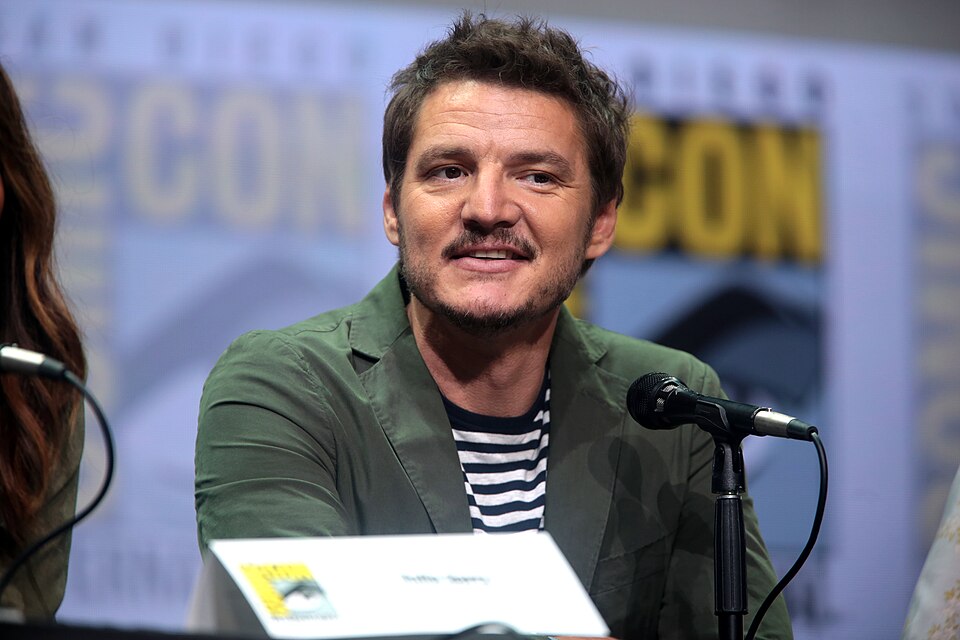
7. Pedro Pascal
Pedro Pascal became a phenomenon later than many of his peers, but the fame surge did not turn him into a chronic oversharer. He has remained careful about what he reveals, even while his popularity has expanded across television, film, and social media culture. His public persona is warm and funny, but his private life stays guarded. That balance has helped him remain relatable without becoming overexposed, which is a harder line to hold once audience fascination becomes global.
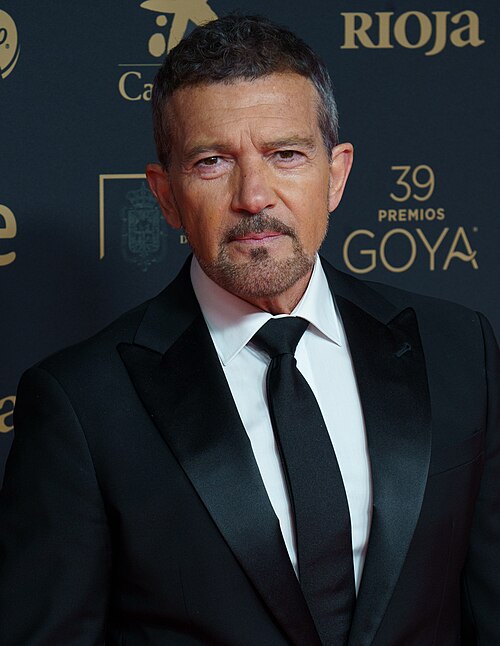
8. Antonio Banderas
Antonio Banderas spent years at the center of international movie stardom, then gradually reshaped his life around work that feels more local and personal. His return to Spain and his investment in theater mark a shift away from the blockbuster treadmill and toward something steadier. It is less a retreat than a recalibration. After decades of visibility, he has shown that stepping back from Hollywood’s pace can also be an artistic decision.
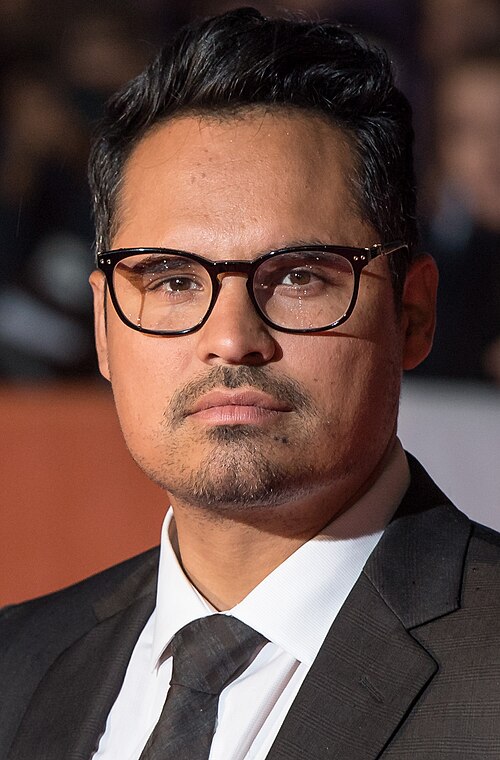
9. Michael Peña
Michael Peña may be one of the clearest examples of a mainstream actor who never turned celebrity into a side career. He has built a wide filmography, stayed closely identified with work rather than gossip, and kept strong boundaries around his personal life. That low-drama profile is notable in a profession that often rewards constant access. His staying power comes from consistency, range, and the absence of spectacle.
What links these actors is not a rejection of success. It is a rejection of the idea that success must include public overexposure, nonstop branding, or surrendering every private detail. For Hispanic actors in particular, that restraint can also read as a form of control in an industry that has often offered too little of it. Their careers show that fame can be useful, but privacy can still be worth protecting.

