
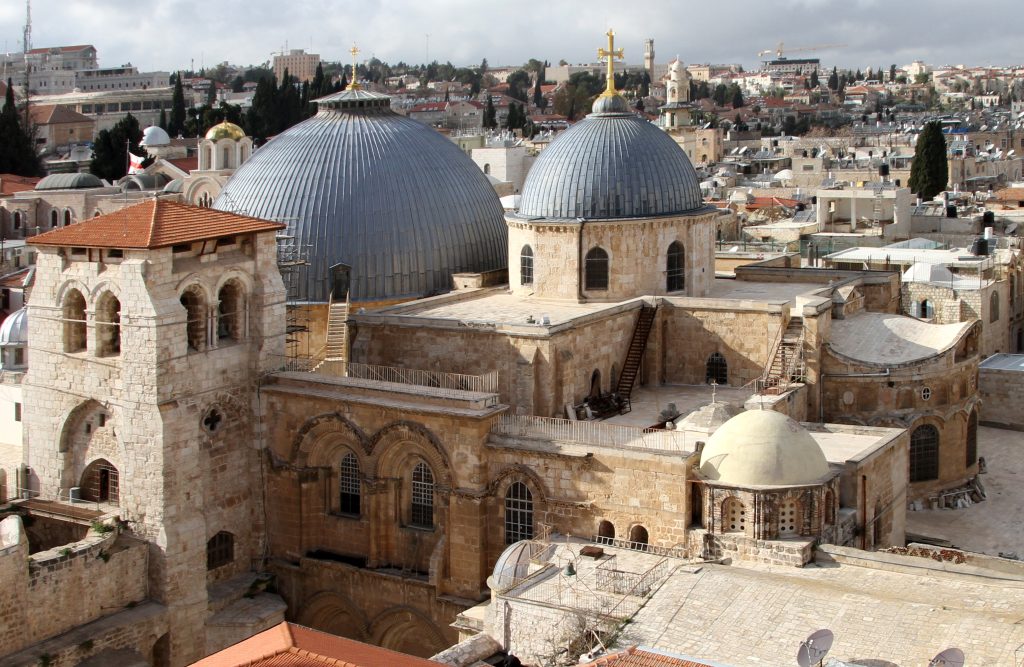
Under one of Christianity’s most visited sanctuaries, the ground has been telling a more complicated story than stone alone could reveal. Excavations beneath Jerusalem’s Church of the Holy Sepulchre have uncovered traces of cultivation, old quarrying, burials, construction layers, and centuries of devotion packed tightly into one site.
The result is not a simple proof claim. It is a layered portrait of how landscape, memory, and worship became inseparable in a place long associated with the burial of Jesus.
1. Ancient olive and grape remains point to a cultivated landscape
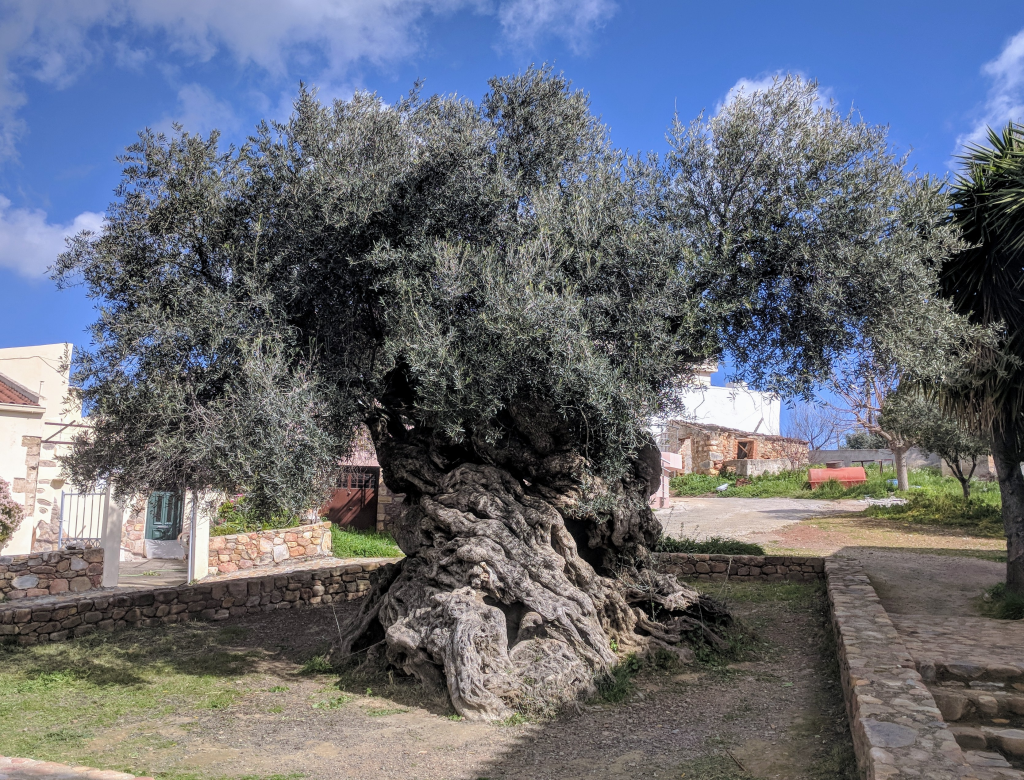
Archaeologists found evidence of olive trees and grapevines beneath the church floor through seeds, pollen, and other plant traces. The material appears to belong to a period before the Roman rebuilding of Jerusalem, and researchers said it reflects an agricultural phase between the site’s use as a quarry and its later funerary role.
That detail matters because it aligns with the Gospel of John’s description of a garden near the tomb. As Prof. Francesca Romana Stasolla explained, “The archaeobotanical findings have been especially interesting for us, in light of what is mentioned in the Gospel of John.” The current evidence comes from olive trees and grapevines identified through archaeobotanical and pollen analysis.
2. The discovery depends on archaeobotany, not dramatic artifacts
The most striking part of the excavation is not a jeweled relic or carved inscription. It is the use of archaeobotany, the study of preserved plant remains, to rebuild an ancient environment from tiny biological traces.
Seeds, pollen, and soil residues can reveal how land was used, what grew there, and how people shaped the terrain. In this case, those clues suggest that the area once held cultivated plots rather than standing only as bare rock or tombs. That kind of evidence does not settle theology, but it does give historians a sharper picture of daily life around the site in the early Roman era.
3. The ground began as a quarry before it became sacred space
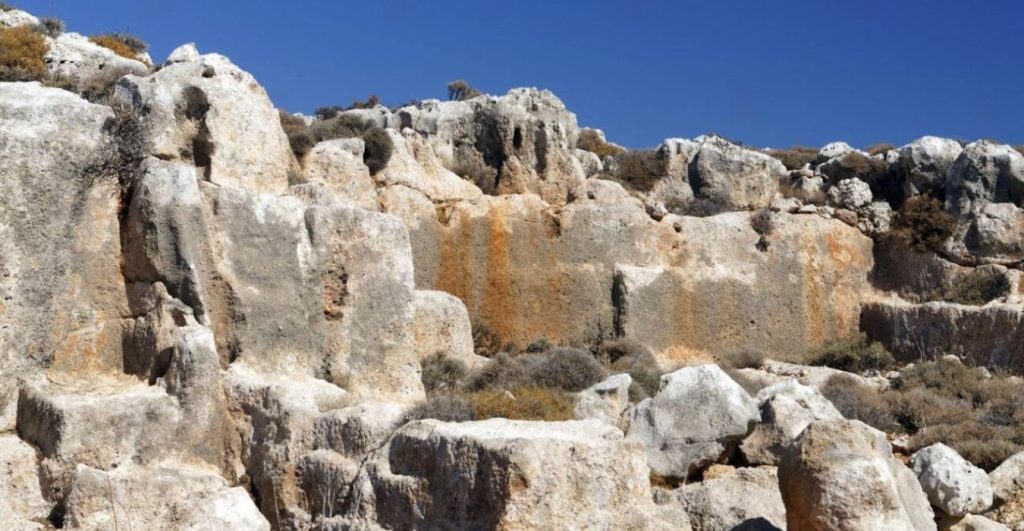
Beneath the church lies an older industrial past. Excavators found that the area was an Iron Age quarry, part of a broader pattern in Jerusalem where stone extraction helped build the city itself.
Stasolla described how the landscape changed over time: “The quarry had to be gradually abandoned and as the stone extraction ended it was used for agricultural areas and tombs.” Pottery, lamps, and everyday objects from artifacts dating all the way back to the Iron Age support that long transition. The site’s religious importance came much later, after ordinary labor, abandonment, and reuse had already reshaped the ground.
4. Tombs were carved into the abandoned rock before the church existed
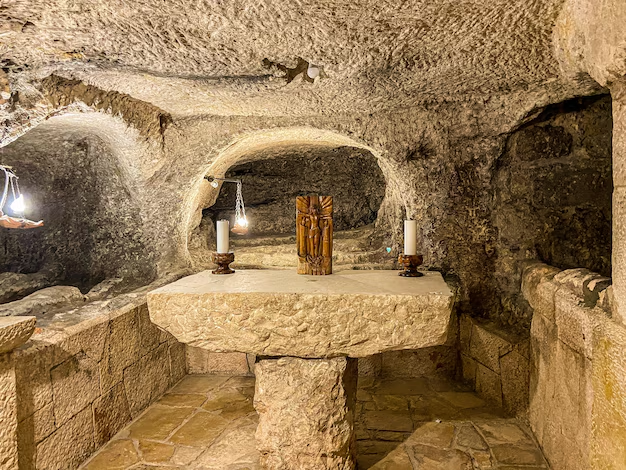
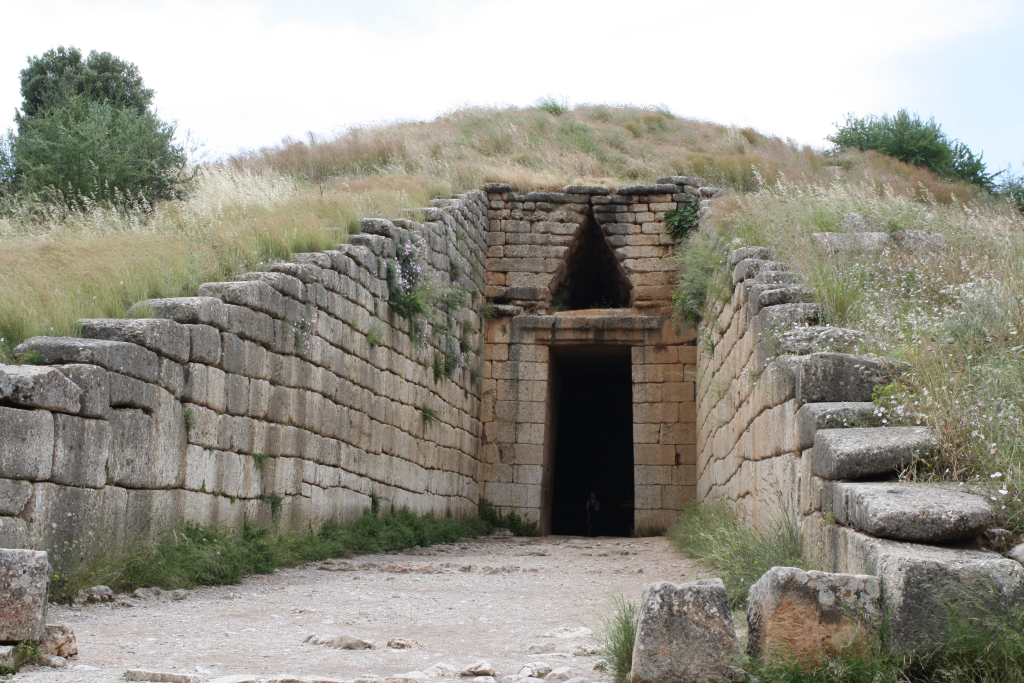
As quarrying faded, the area developed a funerary function. Rock-cut tombs were made at different levels, a detail that helps explain why this zone later fit early Christian memory of a burial place outside the city.
This matters because burial use is part of the historical landscape, not just a later tradition. Researchers say the former quarry had multiple tombs, and Constantine’s builders eventually isolated the tomb venerated as Jesus’ burial place from surrounding burials. That sequence gives the site a more grounded archaeological context than a sacred label alone.
5. The area was outside Jerusalem at the time associated with Jesus
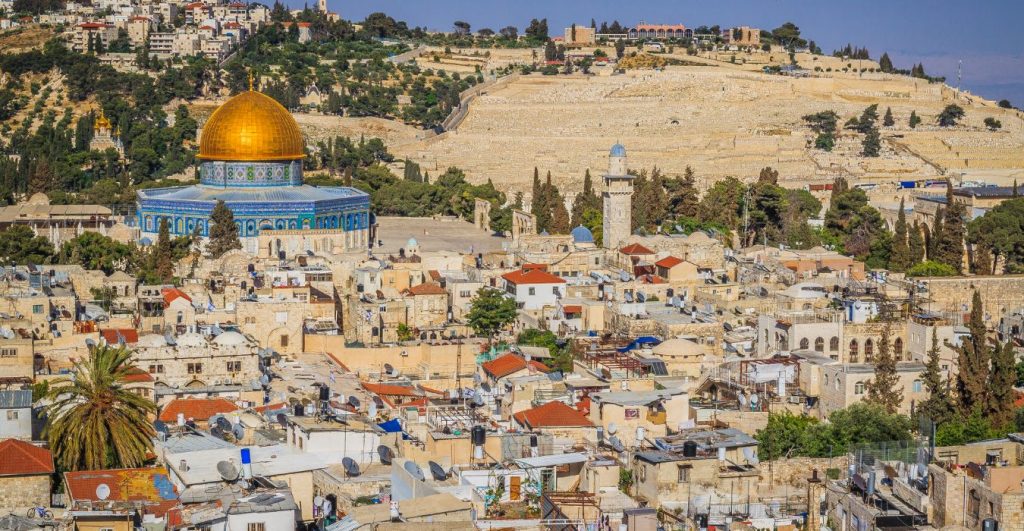
One recurring issue in debates over the Holy Sepulchre is city geography. According to researchers, the area does not appear to have been inside Jerusalem’s urban boundary during the period tied to Jesus, even though it was incorporated later under Roman rule.
That distinction is important because burial grounds were typically outside city walls. Stasolla noted that by Hadrian’s time the zone belonged to the city, but earlier it did not. Reference to Agrippa I building Jerusalem’s third wall helps explain how the landscape’s meaning changed within a few decades.
6. Constantine’s builders left engineering evidence, not just tradition
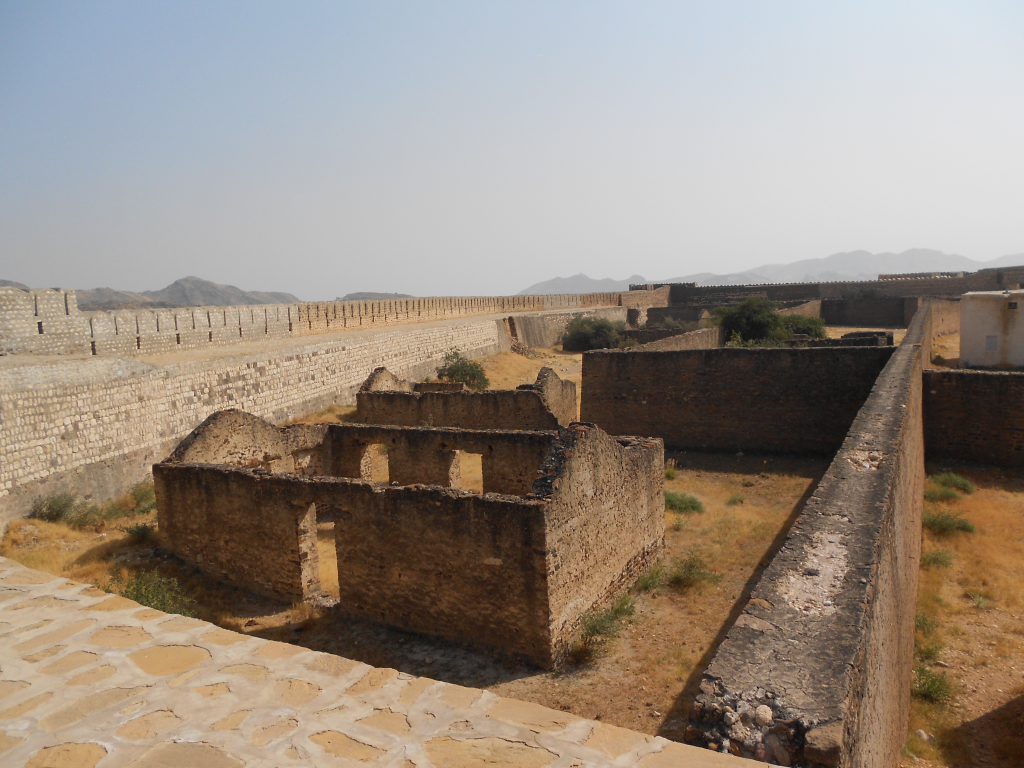
The excavation has also exposed how the first monumental church was physically created in the fourth century. Uneven quarry surfaces had to be filled and stabilized before pavements could be laid, and archaeologists have found porous ceramic-rich fill used for drainage and leveling.
Those construction details matter because they confirm parts of the church’s early building history that were long known mainly from texts. Researchers also uncovered traces linked to the original monumentalization of the tomb area, including a circular marble base beneath the current aedicule and rock layers tied to the quarry used to build the original Constantinian-era church. The site is yielding architecture as well as symbolism.
7. The church standing today is a patchwork of destruction and rebuilding
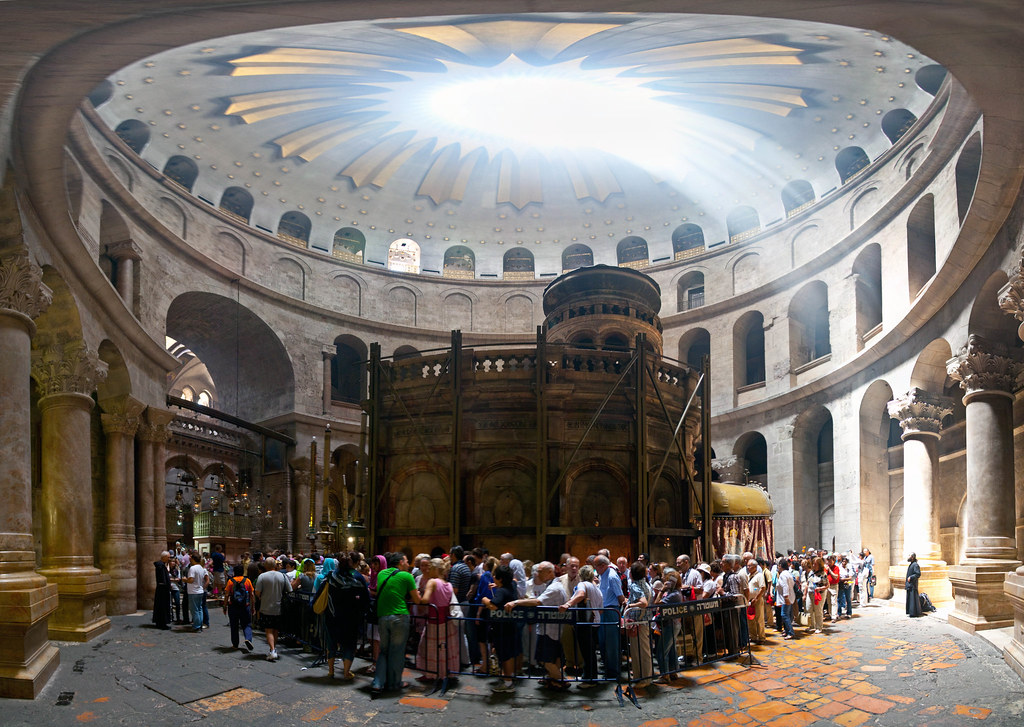
The Holy Sepulchre is often spoken of as a single ancient monument, but the structure now visible is really a composite. Fire, invasions, demolition, repair, and Crusader rebuilding all altered the church over centuries. The current building largely reflects medieval reconstruction, even while it encloses much older remains. That helps explain why work beneath the floor is so significant: the church above belongs to many periods at once, while the layers below preserve a deeper sequence reaching back to quarry, garden, tombs, and the first Christian monumental complex.
8. Digital reconstruction is becoming as important as excavation
Because the site cannot be opened all at once, archaeologists are excavating in sections and rebuilding the whole picture through scans, photography, and database work. Stasolla compared the process to recovering one puzzle piece at a time. The team is compiling excavation records, photogrammetric scans, and physical finds into a larger digital archive. That approach allows a living pilgrimage site to remain accessible while still producing a more complete map of what lies below. In practical terms, the full story of the church is being assembled in the lab as much as in the trench.
The excavation has not erased the line between faith and history. If anything, it has made that boundary clearer while also showing why the two keep meeting at this site. Stasolla’s summary remains the most grounded one: “The real treasure we are revealing is the history of the people who made this site what it is by expressing their faith here.” The newly recovered garden traces add force to an old tradition, but the broader finding is larger than one verse. It is the discovery of how a quarry became a garden, how a garden became a burial ground, and how a burial ground became one of the world’s enduring sacred landscapes.

