
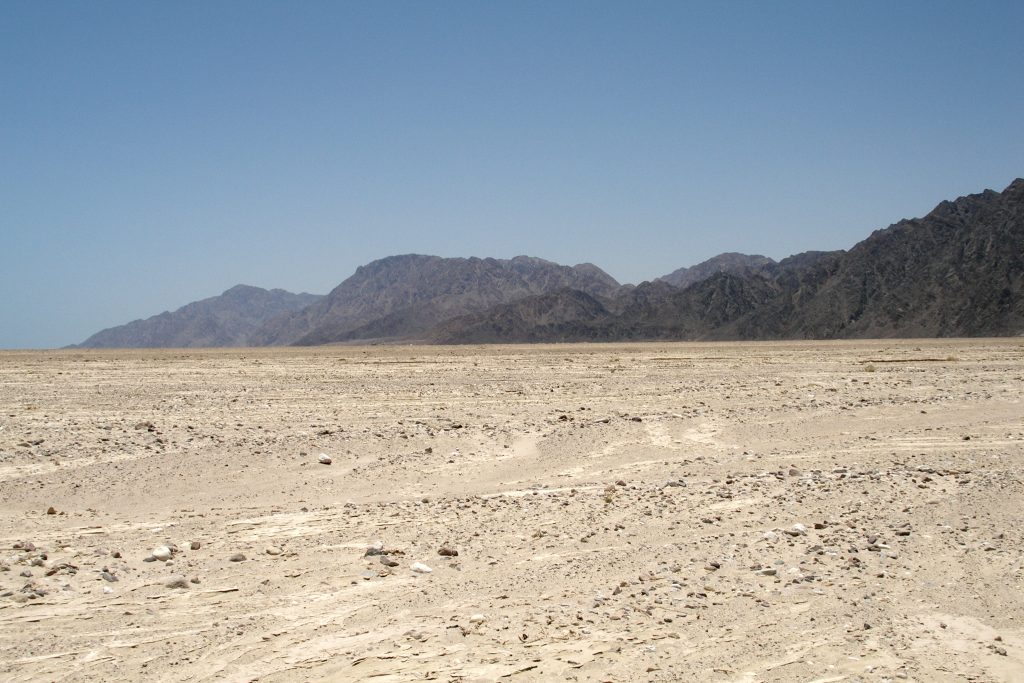
At a turquoise mining complex in Sinai, a small group of inscriptions has carried an unusually large historical burden. Carved by Semitic speakers at Serabit el-Khadim, these texts sit at the crossroads of alphabet history, Egyptian imperial labor, and enduring attempts to connect archaeology with the biblical Exodus.
The site does not offer a simple confirmation story. Instead, it opens a more demanding picture: one in which language, religion, and identity were already entangled in Sinai long before any single origin narrative can comfortably contain them.
1. The site matters because it was both a mine and a sacred landscape
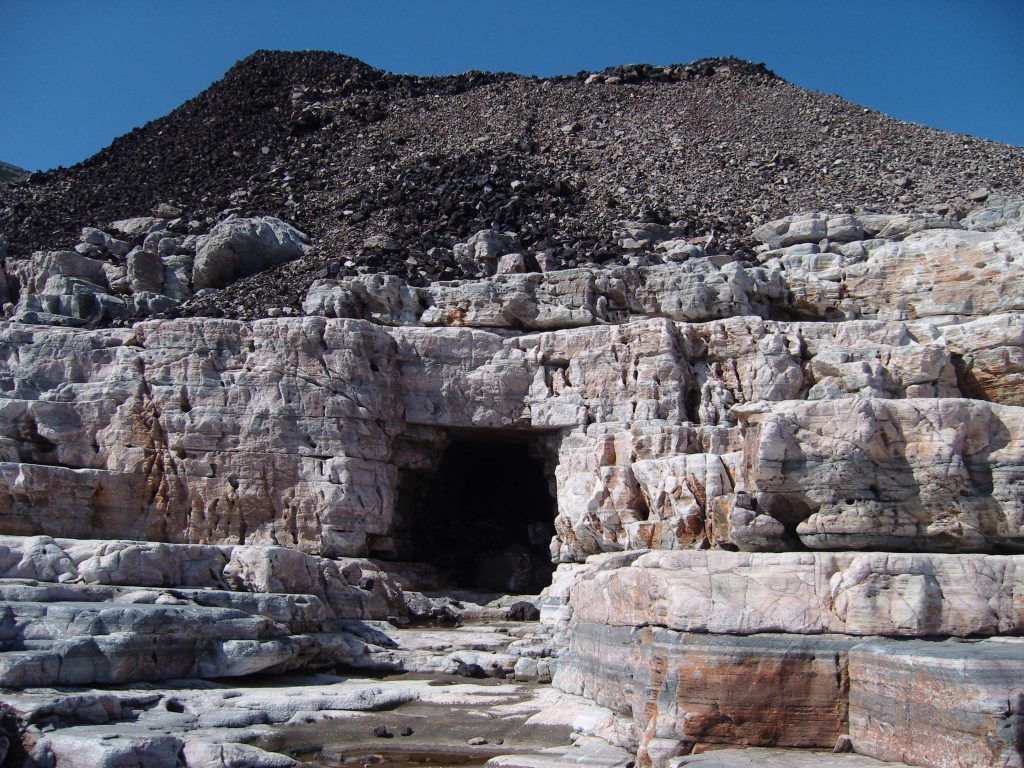
Serabit el-Khadim was not an isolated rock shelter with a few stray marks. It was an ancient Egyptian turquoise mining site that operated for centuries, with a temple to Hathor overlooking the workings. Hathor was known there as the “Lady of the Turquoise,” and the temple expanded over time from a cave sanctuary into a substantial ritual complex. That setting matters because the inscriptions were created in a place where labor, resource extraction, and worship were tightly linked.
2. The inscriptions belong to the earliest age of alphabetic writing
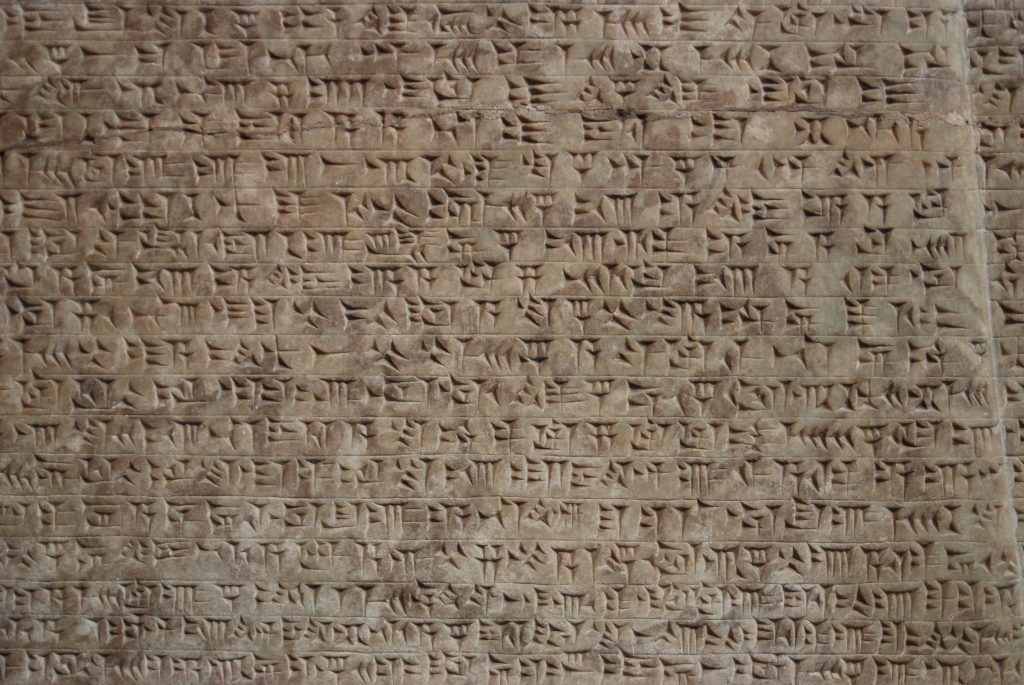
The Serabit texts are part of a corpus of about 30 early alphabetic inscriptions in proto-Sinaitic script. This writing system is widely treated as one of the earliest alphabetic traditions and is connected to the later development of Phoenician and, eventually, Greek and Latin alphabets. The script used signs based on recognizable objects, following an acrophonic principle in which a picture sign stood for a sound. That makes the inscriptions historically important even before any Exodus question enters the discussion.
3. Scholars agree on some letters, but not on many full readings
The letters are not a solved puzzle. Researchers have long identified many signs with reasonable confidence, including forms that later developed into letters associated with A, N, D, M, and R. Yet whole inscriptions remain difficult to read, and scholars do not agree on many complete translations. That uncertainty is central to the debate, because claims about famous names depend not just on seeing familiar signs, but on reading damaged and context-poor texts in a coherent way.
4. One of the clearest signals is the presence of Semitic-speaking workers
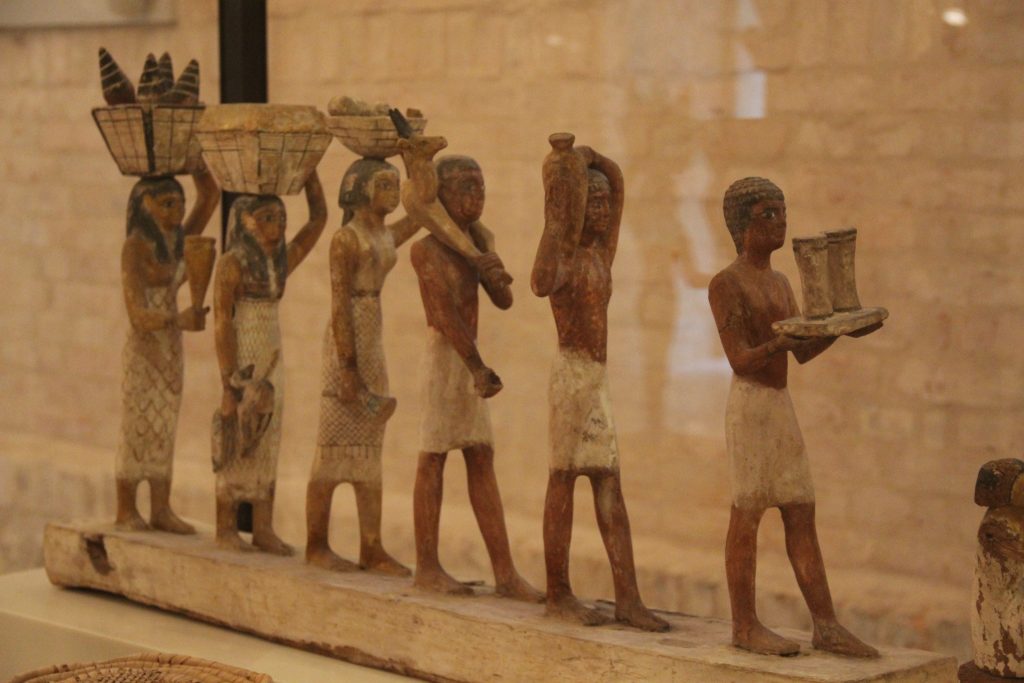
Whatever else the inscriptions say, they strongly indicate that Semitic-speaking people were present at the mines in significant numbers. A frequently occurring word, lb‘lt, is commonly understood as “to Baalat.” Its repetition at an Egyptian mining site suggests a laboring population that carried its own language and devotional habits into a state-run industrial setting. This shifts the conversation away from a lone heroic founder and toward a mixed frontier society in which workers, overseers, and religious traditions met under pressure.
5. The religious picture is mixed rather than neatly biblical
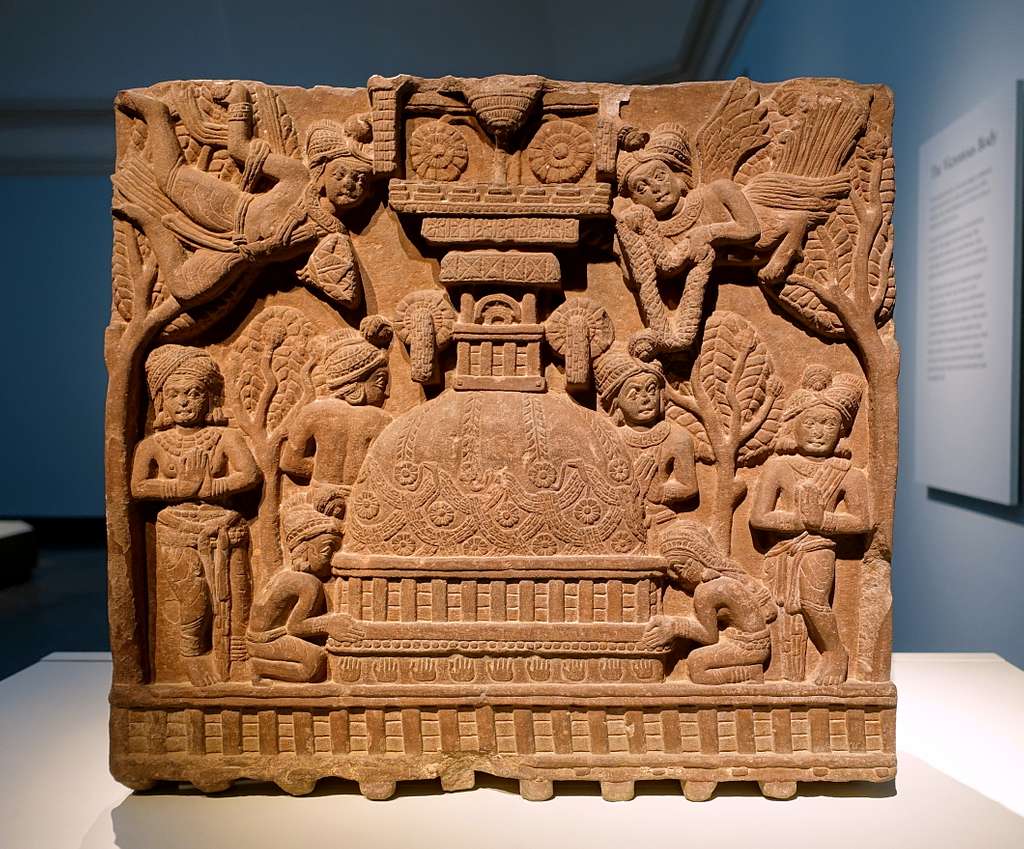
Some inscriptions from Serabit have been read as references to “El,” the principal north Semitic deity, while others are dedicated to Baalat, a Semitic figure many scholars connect with Hathor in this setting. That coexistence complicates any attempt to treat Sinai as the stage for a fully formed, single-strand Israelite faith. The texts point instead to overlapping loyalties and shared sacred space. In that sense, Serabit looks less like the backdrop to a simple origin story and more like evidence for a long religious transition.
6. The recent “Moses” reading has drawn attention because it is dramatic and disputed
A recent interpretation by independent researcher Michael S. Bar-Ron argues that one inscription reads “zot m’Moshe,” meaning “this is from Moses”. He has also proposed other Moses-related readings from inscriptions previously treated as unclear. The claim attracted attention because, if accepted, it would amount to an extra-biblical reference to Moses from around the early second millennium BCE.
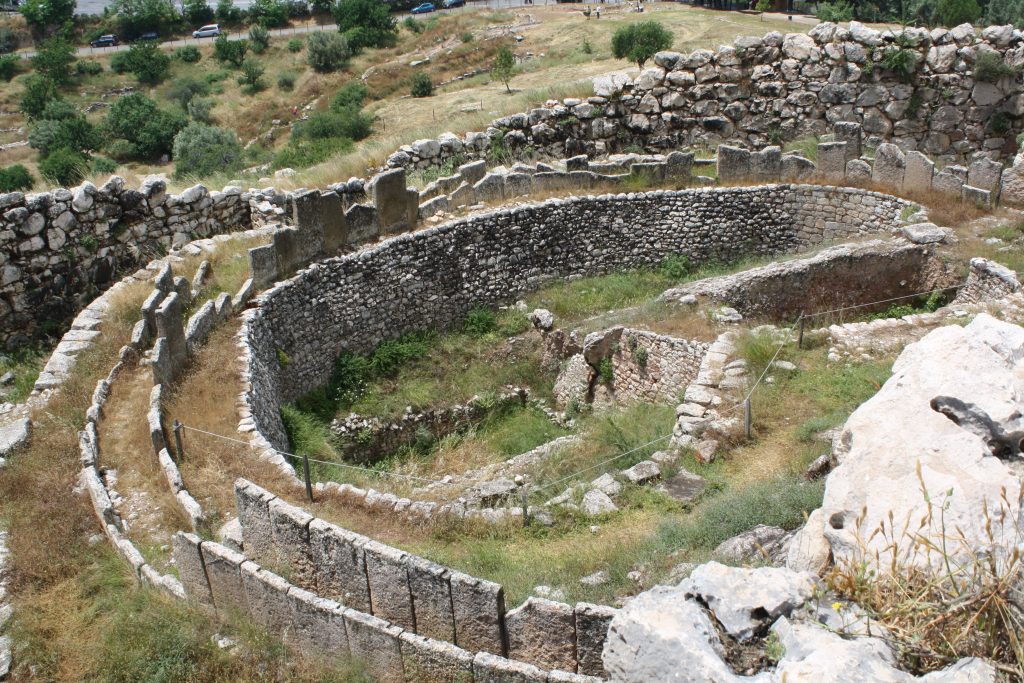
But the proposal remains contested. Egyptologist Thomas Schneider criticized the work as “absolutely devoid of evidence and misleading” and warned that “arbitrary identification of letters can distort history.” The reading has also been noted as not yet peer reviewed, which keeps it in the realm of active debate rather than settled conclusion.
7. The larger value of Serabit does not depend on proving Moses existed
The strongest historical contribution of the site may be broader than any single name. Serabit preserves evidence of Semitic workers inside an Egyptian mining world, using an early alphabet to leave traces of devotion, identity, and social presence. It also suggests that the cultural background behind later biblical memory may have included labor systems, multilingual contact zones, and religious negotiation rather than one clean moment of national emergence.
Even the numbering and cataloging of finds, continued from early twentieth-century expeditions, shows how fragmentary this archive remains: the corpus includes inscriptions such as 345 through 375, scattered across rocks, statuettes, and mining areas. That is why these inscriptions challenge simple Exodus origin stories. They do not reduce the past to a single verdict. Instead, they preserve a denser reality: Sinai as a place of work, worship, writing, and cultural mixture. Whether or not any future reading secures the name Moses, Serabit el-Khadim already shows that the world behind the Exodus tradition was more layered than a straightforward tale of beginnings.

