
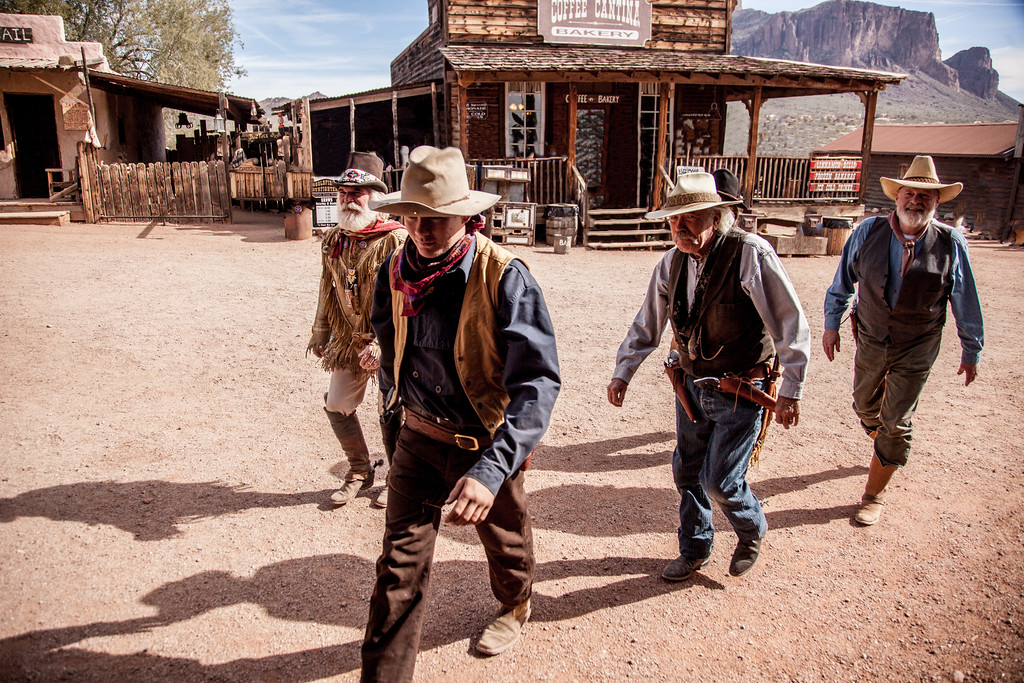
The Wild West survived in popular memory as a place of clean showdowns, quick draws, and morally tidy heroes. That image endured because it was dramatic, portable, and easy to retell.
The historical record points somewhere less theatrical and more unsettling. In many western communities, violence was neither constant nor cinematic, yet it was still severe by nineteenth-century standards, and it often grew from disorder, alcohol, property conflicts, weak institutions, and campaigns of power rather than formal duels in the street.
1. The famous noon showdown was mostly a storytelling device
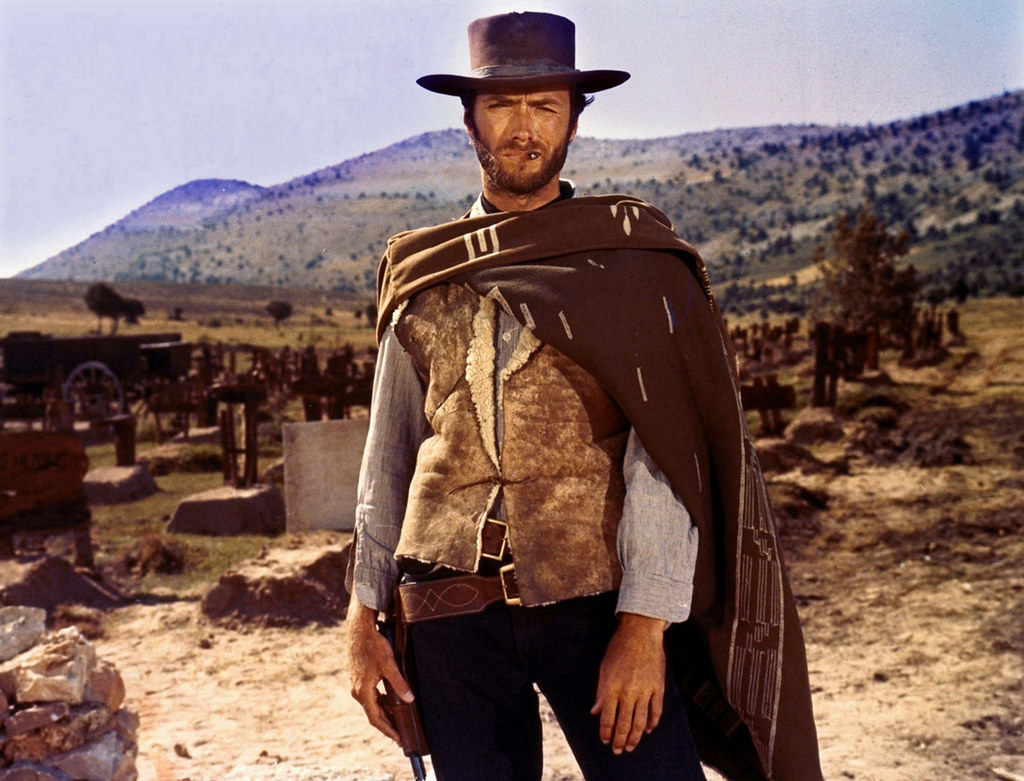
The classic image of two men facing each other in an empty street belonged more to dime novels and later film than to everyday frontier life. Historians of the period have repeatedly noted that western shootings were rarely orderly contests between evenly matched opponents. They were more likely to begin in cramped rooms, outside saloons, during ambushes, or in the middle of ongoing feuds. Even the language shifted over time. Terms such as “gunslinger” gained force in later popular culture, while nineteenth-century figures were more often described as gunmen, shootists, or simply dangerous men. The myth endured because it reduced a tangled social history into one unforgettable pose.
2. Western towns were not murder mills, but their homicide rates were still startlingly high
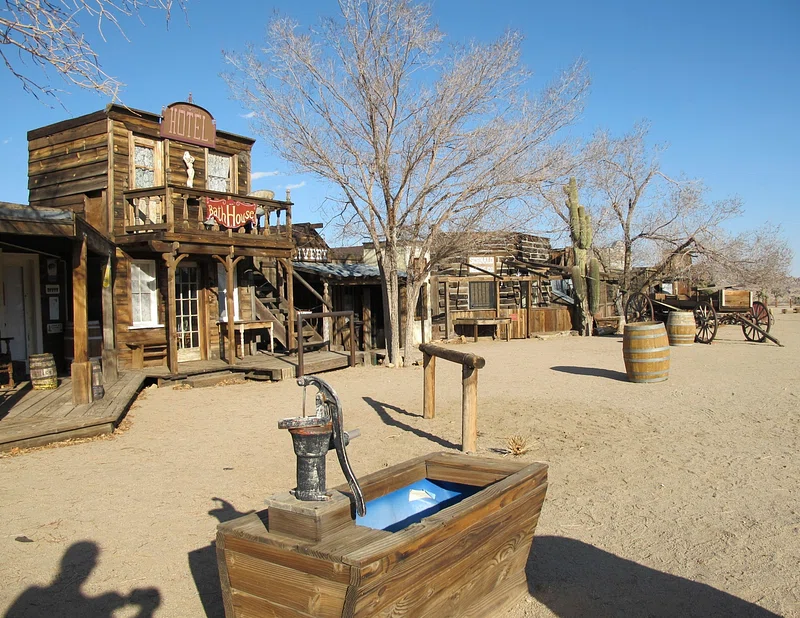
The corrective to frontier mythology is not that the West was peaceful. It is that its violence looked different from the legend. Randolph Roth’s research argues that murder was not a daily ritual in most communities, yet many places were still extraordinarily high by modern standards. The numbers are hard to dismiss. Adults in Dodge City from 1876 to 1885 faced at least a 1 in 61 chance of being murdered over that decade. In San Francisco between 1850 and 1865, the risk was at least 1 in 203. Those figures do not describe a constant parade of duels. They describe a society where lethal danger sat in the background of ordinary life.
3. Much of the bloodshed came from feuds, ambushes, and revenge
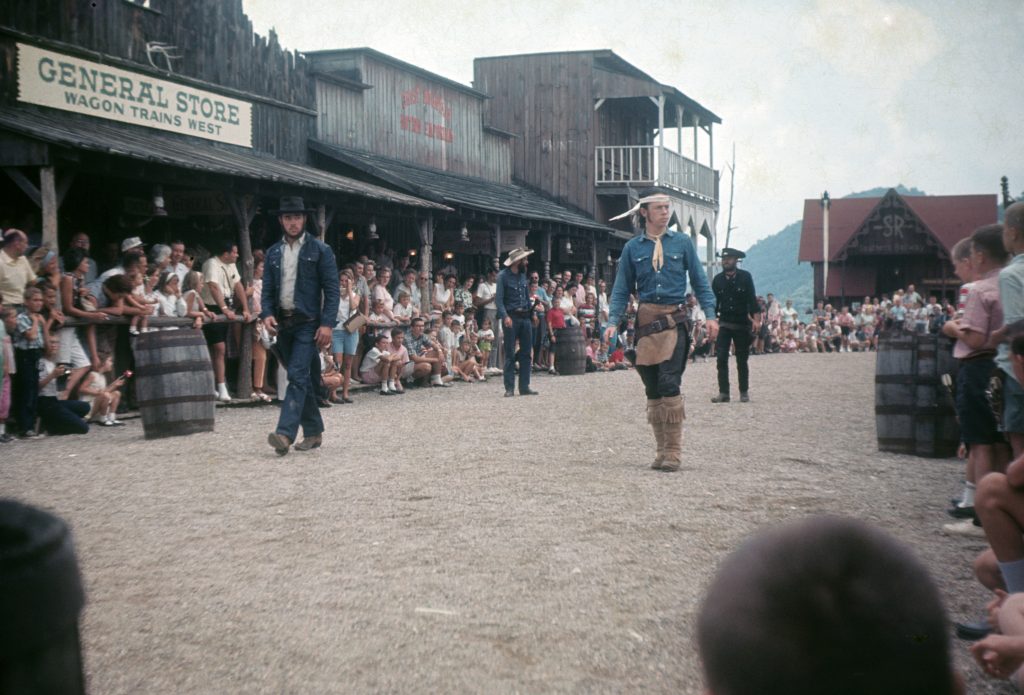
The West’s violence often unfolded as retaliation instead of ritual. Range wars, family disputes, struggles over land and water, and long chains of reprisal were far more common than the stylized face-off. That pattern helps explain why so many well-known episodes expanded beyond a single shootout and kept generating more deaths. The O.K. Corral became legendary as one brief exchange of gunfire, but its meaning lies in the violence around it. The fight itself was followed by legal wrangling, vendettas, ambushes, and further eliminates, turning one famous encounter into a sequence of reprisals. The enduring legend hid that frontier violence was often cumulative, personal, and hard to contain.
4. Gun control existed in the very towns later romanticized as lawless
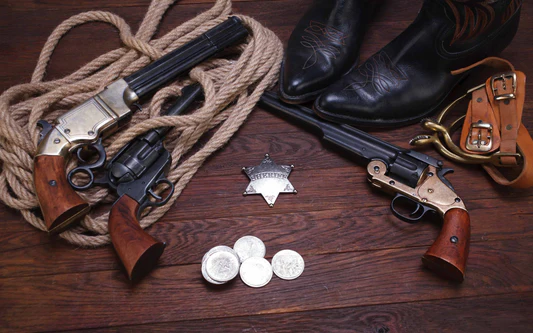
One of the most revealing facts about the frontier is that many towns tried to restrict public weapons. Places celebrated in western folklore, including Dodge City and Tombstone, adopted ordinances against carrying firearms within town limits. Visitors could be required to surrender guns on arrival, a practical acknowledgment that weapons and alcohol were a dangerous mix. That history complicates the myth of the armed frontier individualist. Western communities did not simply admire armed bravado; many actively regulated it. Rules appeared because civic leaders knew that loose gun carrying could turn ordinary conflict into fatal violence.
5. Alcohol and unstable institutions mattered more than quick-draw skill
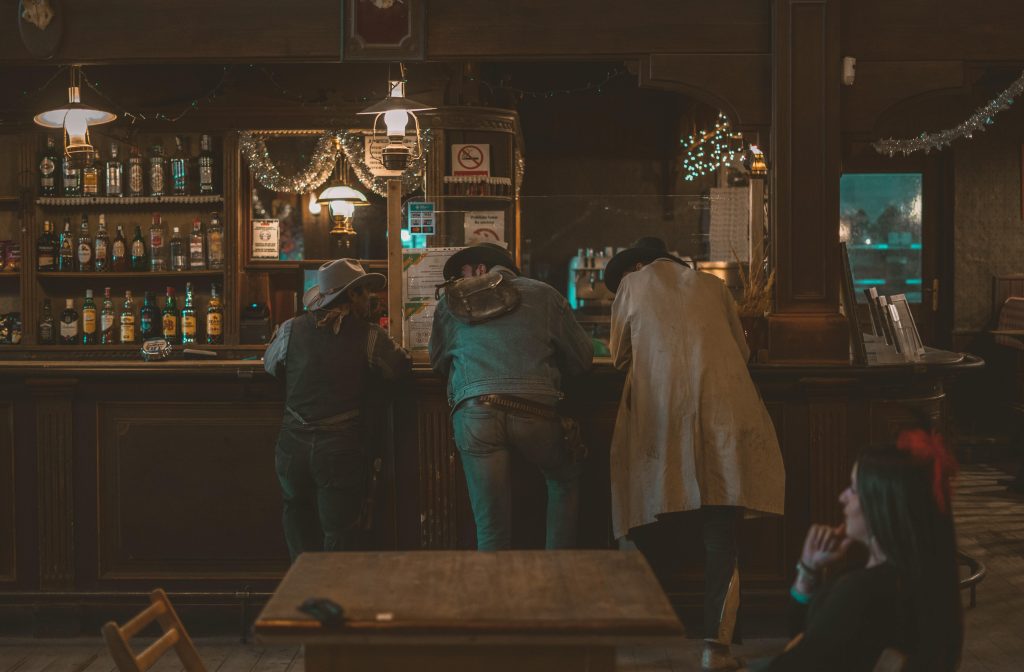
Many eliminates in the West emerged from fragile local systems rather than legendary marksmanship. Saloon arguments, improvised policing, and underdeveloped courts shaped the atmosphere in new settlements. Sheriffs and deputies were not always experienced, and communities often relied on makeshift enforcement before stronger institutions developed in the 1880s. This produced a form of violence that felt both intimate and chaotic. It was less about mastery with a revolver than about the conditions of frontier settlement: isolation, transient populations, uneven authority, and disputes that could escalate before anyone had the means to stop them.
6. The “gunfighter” was often a self-made reputation, not a statistical reality
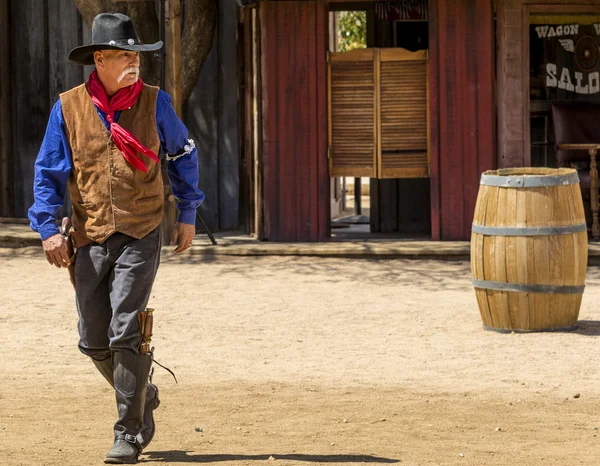
Many celebrated western figures did not eliminate nearly as many men as legend later claimed. Reputations grew through rumor, boosterism, memoir, and journalism. Some men cultivated those stories themselves. Others had their names enlarged by writers eager to supply eastern readers with bold characters and violent settings. That inflation changed public memory. One dramatic encounter could define an entire life, while the more ordinary structures of western violence disappeared from view. A reputation for deadliness became a marketable identity, even when the historical record was thinner than the myth.
7. The West’s most consequential violence was often not between lone men at all
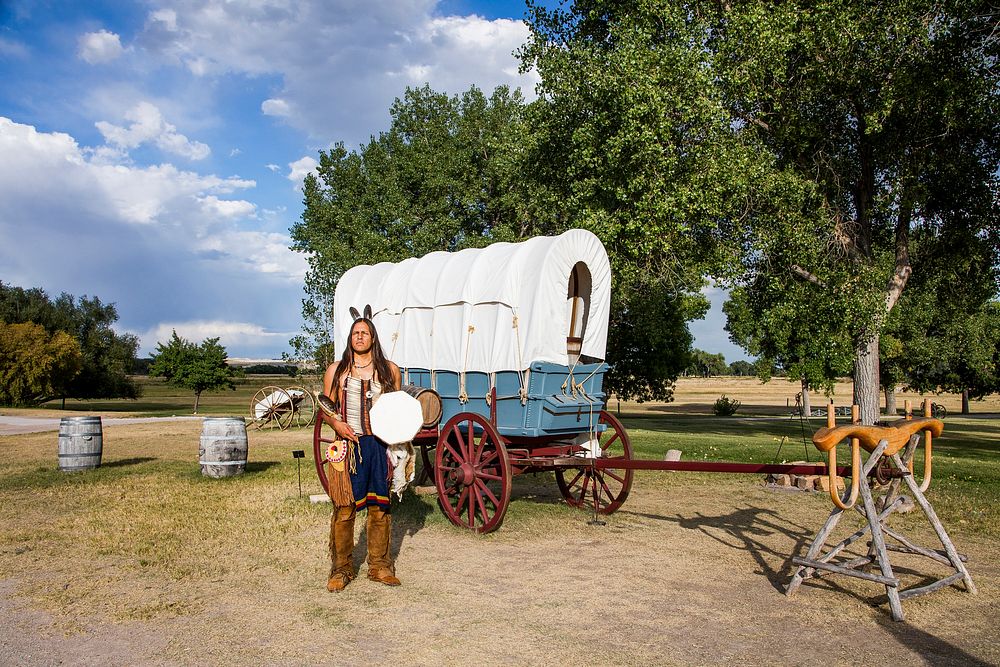
The frontier myth centered on individual conflict, but the largest forces of violence in the West involved expansion, dispossession, and organized power. Popular imagery long reduced the region to cowboys and outlaws, leaving less room for the fact that Native peoples faced sustained coercion as settlers moved west and federal power followed. This was one reason the gunfight myth proved so useful. It narrowed attention to memorable personalities and isolated clashes, making structural violence easier to forget. The result was a past populated by folk heroes instead of a fuller account of how the West was settled and controlled.
8. Real frontier life was dominated by labor, illness, and survival
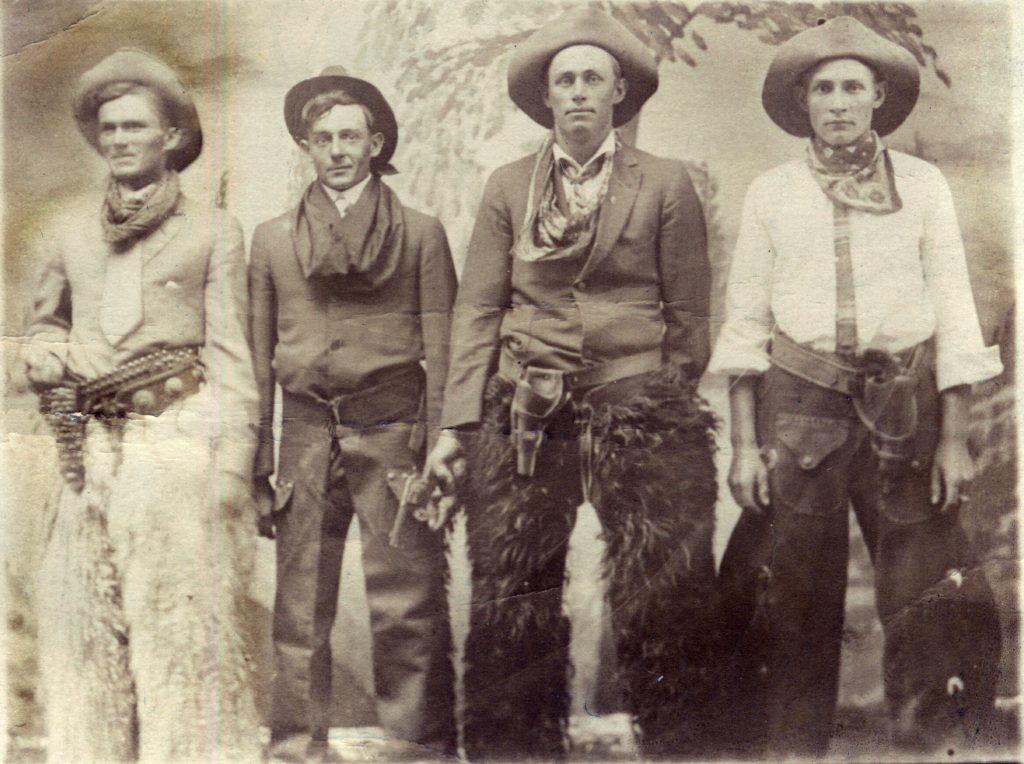
Most western residents were not living inside an action scene. They were farming, ranching, hauling goods, gambling for income, searching for mineral wealth, or trying to survive remote conditions. Firearms were often tools for hunting and protection rather than instruments of theatrical combat. The distance between labor and legend helps explain why the myth became so attractive. Hard, repetitive work and sparse medical care did not travel well as entertainment. Gunfights did.
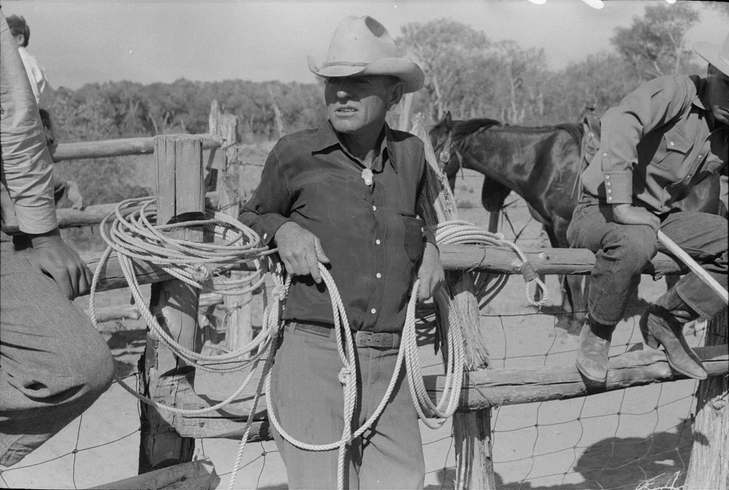
Over time, the myth of the violent showdown overshadowed the daily strain that defined far more lives than any famous outlaw ever did. The frontier gunfight remains one of the most durable American images because it simplifies the past into a duel between recognizable types. Yet the West’s real violence was less elegant and more revealing. It lived in homicide risk, unstable institutions, revenge cycles, public-order laws, and the broader force of conquest. The legend offered a stage. History shows a harsher landscape behind the curtain.

