
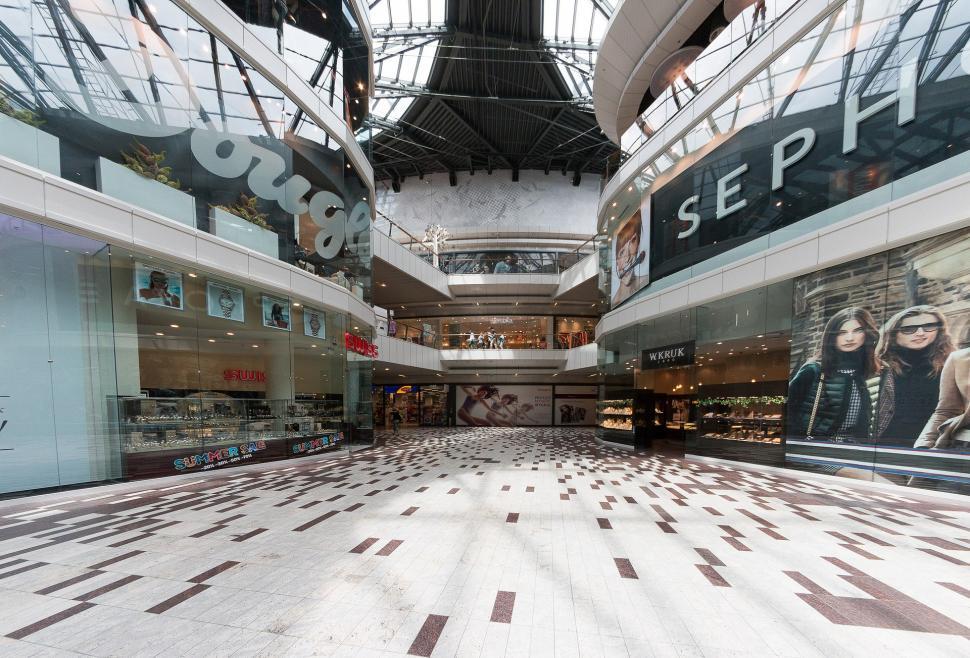
For decades, America’s mall icons were more than stores. They were weekend rituals, teenage meeting spots, birthday supply depots, and places where parents solved a whole list of errands under one roof.
Then the formula stopped working. The collapse of familiar chains was rarely caused by one bad season or one new rival. It came from a mix of debt, digital habits, stale store formats, and malls losing the daily relevance they once had.
1. The mall itself stopped being the center of suburban life
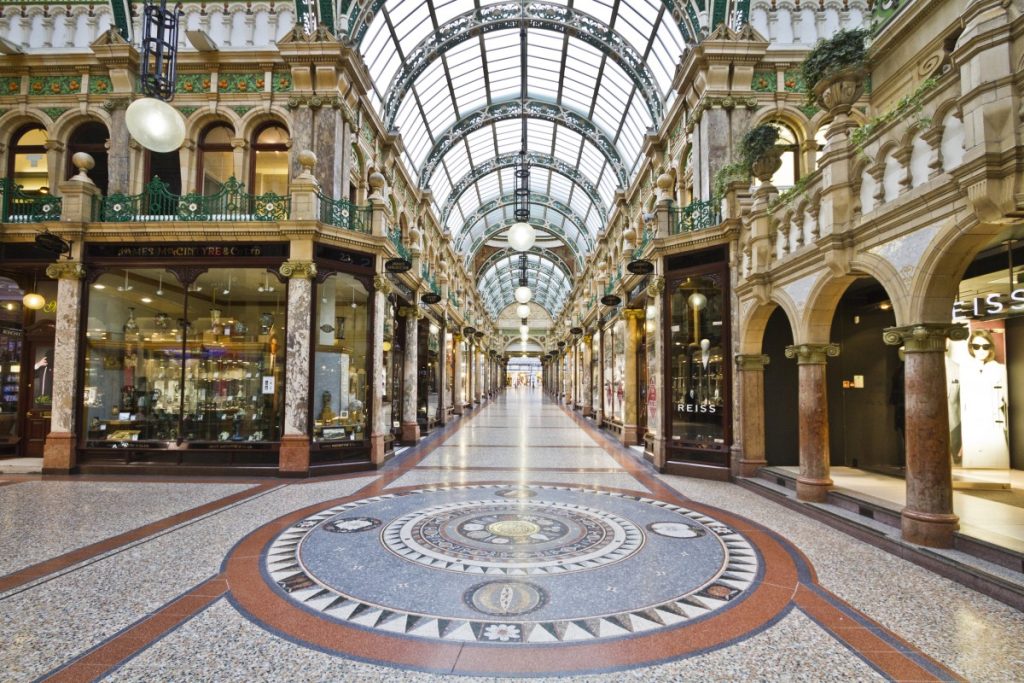
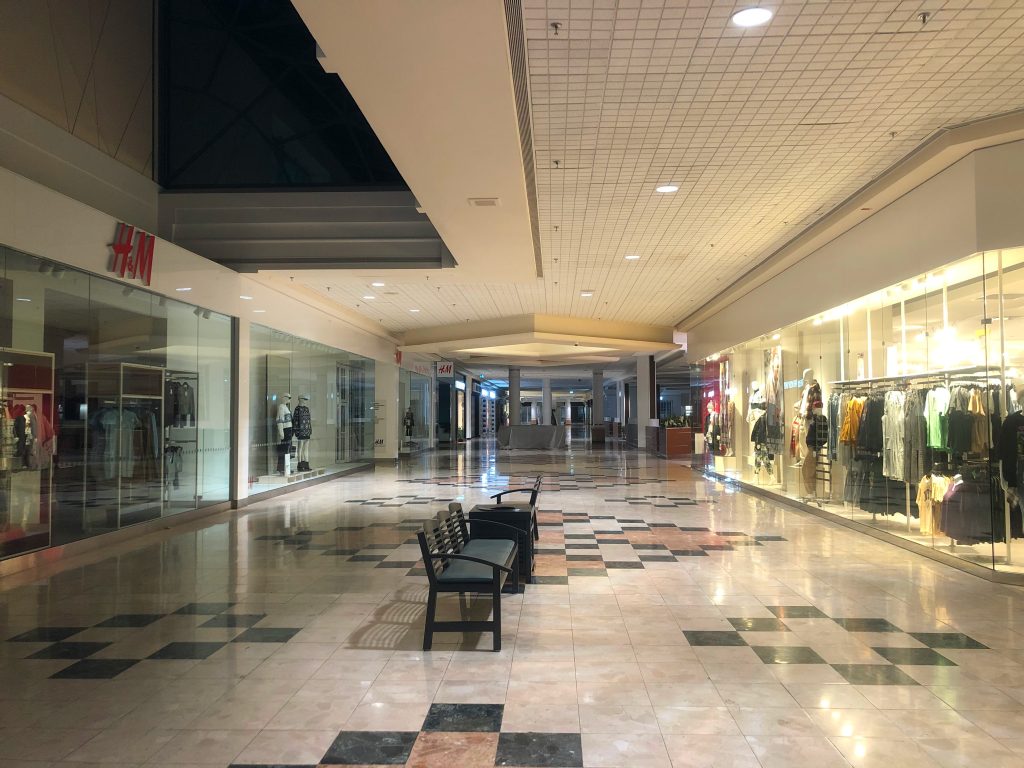
The classic enclosed mall was designed around convenience for an earlier era: big parking lots, long corridors, and department-store anchors that pulled shoppers past dozens of smaller tenants. That model thrived when suburbs were expanding and retail choices were more limited. Over time, the setup became less flexible and less connected to how people actually moved through communities. Retail analysts have argued that the US simply built too much mall space, with more than 1,200 shopping malls developed after the earliest examples took off. Once neighborhoods shifted, traffic patterns changed, and consumer routines moved elsewhere, many malls were left with huge footprints and shrinking relevance.

2. Online shopping changed what counted as “easy”
Mall chains were built around physical access. E-commerce changed the definition of convenience entirely. Instead of driving, parking, walking, and browsing, shoppers could compare products in seconds and have them delivered without leaving home. That shift hit routine purchases first, then spread outward. A 2025 consumer snapshot cited in mall reporting found that 45% of US consumers preferred shopping online, with 71% pointing to convenience. That matters because many mall stores depended on repeat, ordinary purchases rather than occasional nostalgia visits. Once those basics moved online, foot traffic became harder to sustain.
3. Anchor stores weakened, and the rest of the mall felt it
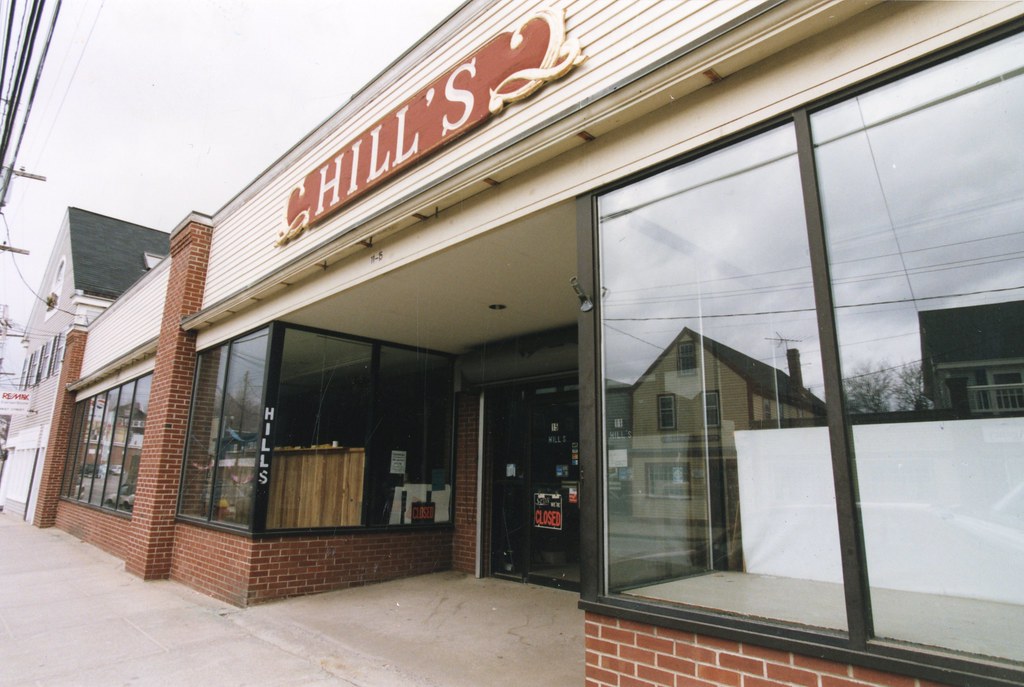
The old mall economy depended on giant anchors doing the heavy lifting. Department stores negotiated favorable terms because they were the magnets. Smaller retailers benefited from the traffic those stores created. When major anchors began closing locations, the damage spread far beyond one storefront. Empty anchor boxes made malls feel less active, reduced pass-through traffic, and made it harder for neighboring tenants to justify staying. The result was a chain reaction: fewer shoppers, more vacancies, and a weaker reason for anyone to make the trip.
4. Too many legacy chains clung to business models customers had already outgrown
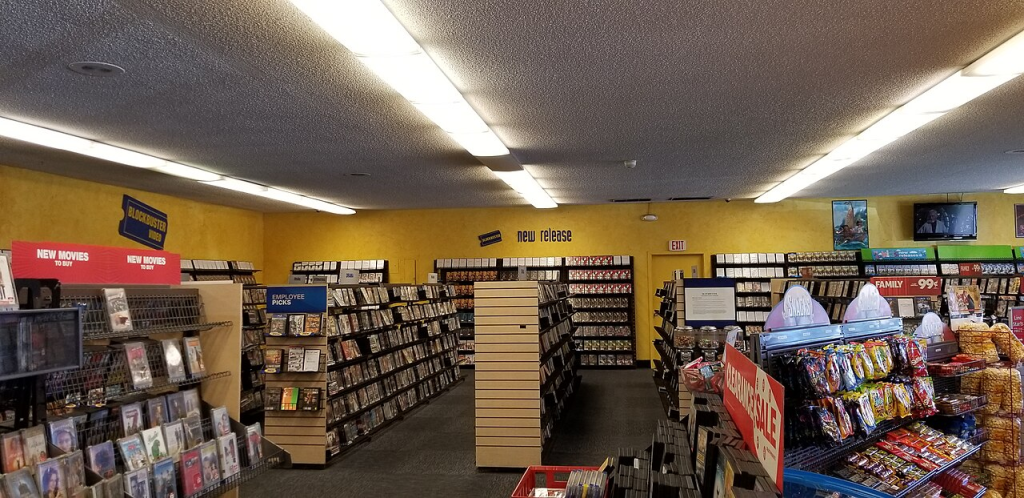
Some of the most famous mall-era brands were still operating as if dominance guaranteed loyalty. It did not. Blockbuster became the clearest example. It had scale, name recognition, and thousands of locations, but its model was tied to habits customers increasingly disliked. By 2000, late fees brought in $800 million for Blockbuster. They also created resentment. Netflix offered a subscription model that removed that friction and fit changing behavior. Blockbuster’s stores, once its biggest advantage, turned into a slower and more expensive system to maintain as consumer expectations changed.

5. Debt quietly drained the chains that looked stable from the outside
Not every retail collapse began on the sales floor. Some started in the balance sheet. Private-equity deals and leveraged buyouts loaded major chains with obligations that left little room to modernize stores, improve websites, or absorb a downturn. Party City is a strong example. NPR reported that in 2012, the chain was bought by private equity in a deal funded with massive debt. While sales held up, that pressure was manageable. Once competition intensified and costs rose, the debt became a constraint. Toys R Us faced a similar burden after a $7.5 billion leveraged buyout, leaving less flexibility to reinvent the business.
6. The stores stopped giving people a reason to show up in person
Physical retail still works when it offers something screens cannot: try-on, discovery, service, atmosphere, or entertainment. Many mall icons lost that edge. They remained big, recognizable, and familiar, but not compelling. Wharton experts described Toys R Us as oversized, crowded, and poorly merchandised, with weak customer service and little reinvention. Party City held on longer because balloons, costumes, and decorations still had an in-person pull. But even there, the store trip became less essential once rivals offered enough convenience and shoppers became more willing to plan online.
7. Specialty chains were squeezed by bigger rivals from all sides
Mall icons once dominated narrow categories. That was the advantage. It later became the vulnerability. Big-box retailers and online marketplaces could sell toys, party goods, movies, or accessories alongside groceries, household essentials, and everything else. That meant shoppers no longer needed a dedicated trip. A toy could be added to a Target run. Party supplies could be bundled into an Amazon order. A movie night no longer required a stop at Blockbuster at all. Category killers were built to own one mission; modern retail rewarded stores that could fit into a broader, faster routine.
8. Cultural nostalgia did not translate into a sustainable business
Americans often remember these stores vividly because they were attached to milestones: first jobs, birthday parties, Friday-night rentals, back-to-school weekends, and holiday traditions. That emotional value was real. It just was not enough. Retail history shows that affection can keep a brand talked about long after it stops fitting modern habits. Familiar logos and memories created cultural staying power, but they could not solve weak digital strategy, excess square footage, or rising operating pressure.
Nostalgia made the losses feel personal; it did not make the economics work. What killed the mall icons Americans grew up with was not a single villain. It was a slow collision between outdated formats and a new consumer rhythm. The survivors have generally moved toward something the old icons often resisted: smaller footprints, stronger digital integration, and a clearer reason to visit. The stores that vanished were not only beaten by the internet. Many were trapped by the systems that once made them feel unbeatable.

