

California drivers entered 2026 with a cluster of rule changes that reach far beyond the usual reminder to renew registration and watch the speed limit. The updates affect roadside stops, camera enforcement, parking penalties, off-road riding and even how a car sale can be canceled. Some laws are aimed squarely at safety. Others tighten accountability or reduce the fallout from fines and misleading paperwork. Together, they change what daily driving looks like in small but consequential ways.
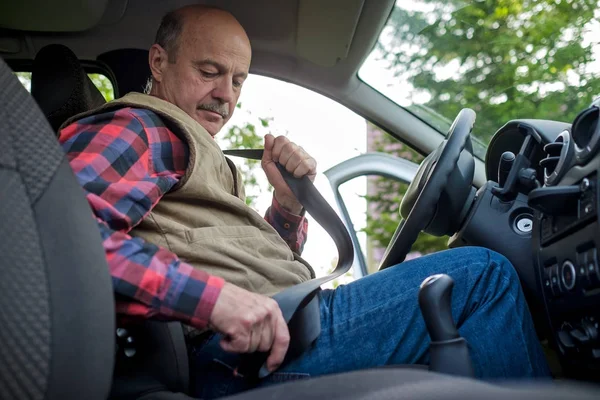
1. Roadside hazard lights now trigger the move over rule
Drivers are no longer expected to slow down or change lanes only for police cars, ambulances or official highway vehicles. Under AB 390, the requirement now extends to stationary vehicles showing flashing hazard lights or other warning devices such as cones and flares.
That means a stranded driver on the shoulder now receives the same basic buffer that emergency crews have long depended on. If a lane change cannot be made safely, motorists must reduce speed. The practical effect is simple: the shoulder is treated as a danger zone more often, and drivers who keep full speed beside a stopped vehicle face greater exposure to a citation.

2. Red light cameras can ticket the vehicle owner, not the driver
Local governments now have broader authority to use automated traffic enforcement systems for red light violations. The citation follows the registered vehicle rather than requiring identification of the person behind the wheel. This shifts red light enforcement into a civil-penalty model. The courts’ public summary notes that the violations will not trigger DMV license suspension or revocation. New installations also come with a mandatory 60-day warning period before penalties begin, which gives cities a short runway but gives drivers little reason to assume the cameras are idle after that.

3. License plate covers and obstruction devices face a harder crackdown
Tinted covers, flipping devices and similar products designed to interfere with plate visibility are under tighter scrutiny. California now treats the manufacture of such devices as an infraction carrying a fine of up to $1,000 per item, according to the DMV’s 2026 law roundup.
The law targets products linked to toll evasion, camera avoidance and plate-reading interference. Even for drivers who never bought a gadget marketed as covert, the broader message is that anything making a plate harder for the eye or electronics to read has become a riskier choice.
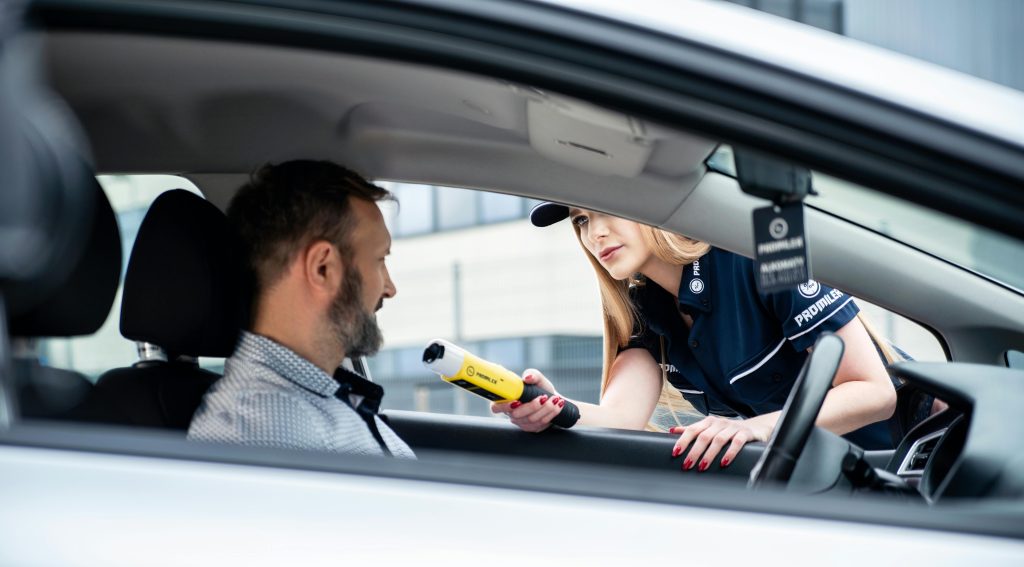
4. DUI-related ignition interlock rules are staying in place for years
The statewide ignition interlock device program did not sunset at the end of 2025. It was extended through January 2033, keeping the breath activated start blocking requirement in force for specified DUI offenders. This matters because the device requirement remains tied to restricted driving privileges. A person who installs an interlock can apply for a restricted license, which keeps the technology at the center of California’s DUI enforcement model rather than treating it as a short-term pilot.

5. Intoxicated vehicular manslaughter now brings longer probation
For convictions involving vehicular manslaughter or gross vehicular manslaughter while intoxicated, probation terms rise from two years to between three and five years. The change gives courts a longer window to monitor compliance with conditions tied to impaired-driving convictions.
It is one of the clearest signs that California is extending supervision, not just punishment. A longer probation period can affect travel, reporting obligations, treatment compliance and the risk of further court consequences if terms are violated.

6. Parking tickets may no longer spiral as quickly for low income drivers
California also added a measure with a very different tone. Local governments are now authorized to reduce or waive parking penalties for people who cannot afford to pay, and they must provide payment plans on request. This change addresses a familiar chain reaction: a ticket goes unpaid, penalties grow, a tow follows, and transportation becomes harder to keep. For workers who rely on a car to reach jobs, school or caregiving responsibilities, that policy shift could matter as much as any headline-grabbing traffic fine.

7. Off-highway electric motorcycles now fall into a clear legal category
Electric off-highway motorcycles, often referred to as eMotos, are now formally classified as off-highway motor vehicles. That classification brings standard OHV rules with it, including helmet use and display of a DMV-issued identification plate or placard.
The update closes a gray area that had allowed these vehicles to outpace the rules around them. They are not street vehicles under this framework, and their legal use is tied to designated trails or private property with permission.
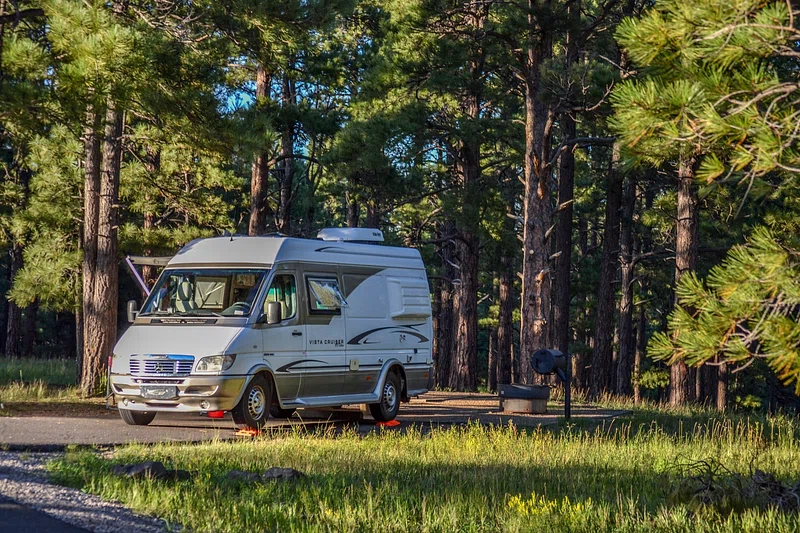
8. Abandoned RV removal gets a limited green light in two counties
Alameda and Los Angeles counties now have authority, through 2030, to remove and dispose of abandoned recreational vehicles valued at $4,000 or less if a public agency verifies they are inoperable before removal. Though this measure is narrower than a statewide parking rule, it directly affects curb space, neighborhood safety complaints and the long term storage of derelict vehicles. Functional RV owners are not the target; inoperability has to be confirmed first.

9. E-bikes need rear visibility equipment at all hours
Electric bicycles now need a red reflector or a solid or flashing rear red light with a built in reflector during all hours of operation. The requirement moves beyond the older habit of treating visibility mainly as a nighttime issue. California also created an educational off-ramp for minors cited for helmet violations, allowing completion of a California Highway Patrol developed online safety program. The combination suggests a broader push to normalize e-bike safety as these bikes become more common in daily transportation.

10. Car buyers get new protection from misleading dealership practices
Beginning October 1, 2026, the California Combating Auto Retail Scams Act prohibits dealers from misrepresenting key parts of a transaction, including a vehicle’s total cost and financing terms. It also requires a three-day right to cancel the purchase or lease of a vehicle under $50,000.
This is not a driving rule in the lane marking sense, but it affects a moment many Californians experience before they ever turn the key. The law places more weight on clear disclosures and gives buyers a brief window to step back from a deal that does not hold up under a second look.
California’s 2026 vehicle laws do not read like a single campaign. They are a collection of small resets in responsibility, visibility, enforcement and fairness. For drivers, the common thread is less room for autopilot. A stopped car on the shoulder, a plate cover, a mailed camera citation or a rushed dealership signature can now carry consequences that feel much more immediate.

