
Famous destinations do not always deliver the experience travelers imagine. In many of the country’s best-known visitor zones, locals describe a pattern that feels familiar: heavy crowds, inflated costs, thin authenticity, and a higher chance of hassles that can turn a day out into cleanup duty.
That does not mean these places have nothing to offer. It means the glossy version often leaves out the part residents know well: where the experience gets stressful, where expectations outrun reality, and where basic caution matters as much as a camera roll.
1. Times Square, New York City
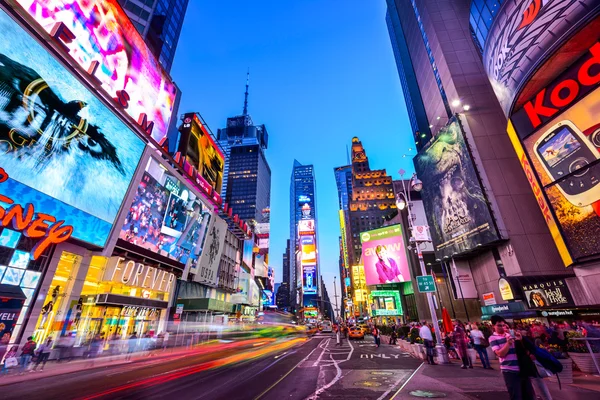
Times Square remains one of the most recognizable crossroads in the country, but local enthusiasm is often hard to find. The district drew 200,000 to 250,000 pedestrians daily in 2024, which helps explain why many New Yorkers treat it as a place to pass through, not linger in. The area is packed with chain dining, oversized screens, and constant foot traffic that can make a short visit feel oddly exhausting.
The crowd density also creates an environment where aggressive tip-seeking and distraction tactics are easier to run. Tourist-heavy zones are common settings for street games, “free” gifts, and wallet-drop ploys described in travel scam guidance from the U.S. Department of State. What looks like the center of the action can end up feeling more like a maze of noise and transactions.
2. Hollywood Boulevard, Los Angeles
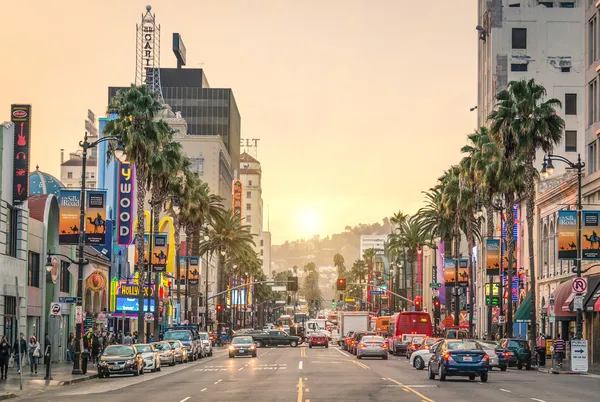
The Walk of Fame sells a fantasy built on movie history, but locals often describe a much rougher street-level reality. Visitors encounter crowds, costume-photo hustles, souvenir stands, and sidewalks that feel less glamorous than advertised. The landmark is famous, but fame does not automatically produce a rewarding afternoon.
The issue is not only disappointment. Parts of Los Angeles require sharper navigation than visitors expect, and locals are especially clear about avoiding nearby high-risk pockets. The city’s Skid Row covers roughly 50 blocks in downtown LA, a reminder that relying on a wandering route in search of “real Hollywood” can go wrong fast.
3. Atlantic City, New Jersey
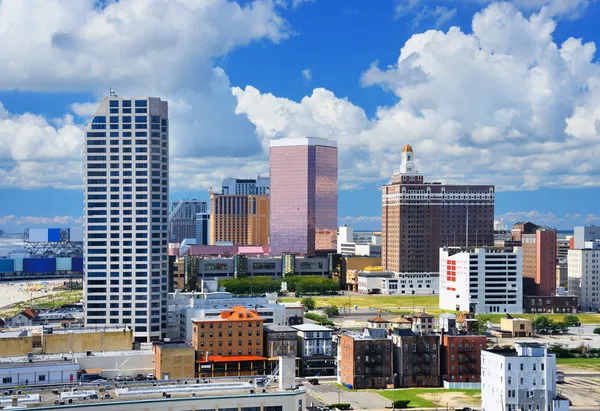
Atlantic City still carries casino-town recognition, yet its reputation now comes with qualifiers. Travelers expecting polished seaside glamour often find aging infrastructure, uneven upkeep, and a boardwalk atmosphere that feels more worn than nostalgic. Some visitors still enjoy the old-school energy, but locals frequently point people to other shore towns for a cleaner and less strained beach trip.
That change in perception matters because a place built around spectacle can feel especially empty when the spectacle fades. In Atlantic City, the disconnect between branding and street experience is the complaint that returns again and again.
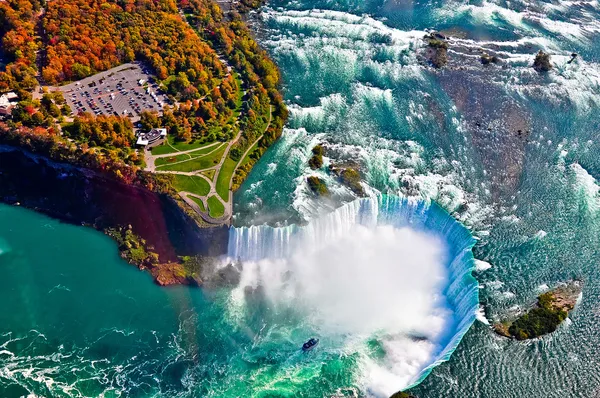
4. Niagara Falls, New York
The falls themselves remain extraordinary. What disappoints many visitors is the assumption that the American side automatically delivers the same immersion they have seen in postcards and travel videos. The surrounding area can feel dated, and the viewing experience is often less dramatic than expected if travelers arrive without a plan. Locals tend to frame the U.S. side as a place for quieter park access and trails rather than a full sensory spectacle. That distinction matters, especially for travelers arriving with a bucket-list image already fixed in mind.
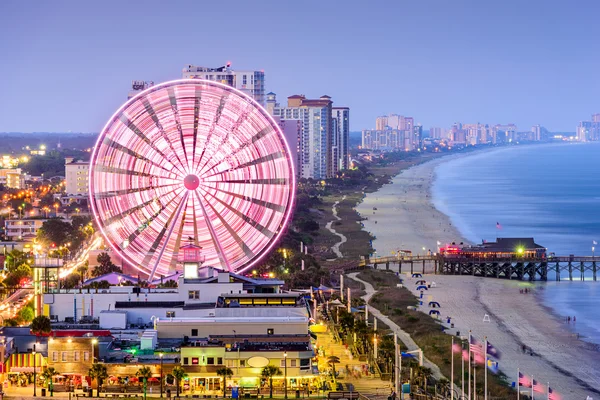
5. Myrtle Beach, South Carolina
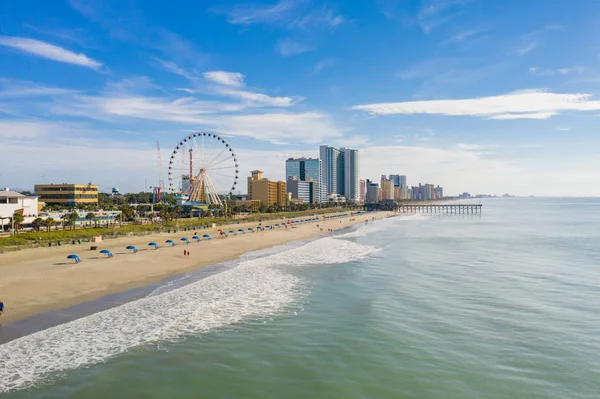
Myrtle Beach still draws enormous family traffic, but popularity has become part of the problem. Peak-season congestion, crowded commercial strips, and periodic water-quality concerns have chipped away at its easygoing beach-town appeal. Instead of a relaxed coast break, the visit can feel like waiting in lines between chain storefronts. Locals often contrast it with quieter South Carolina beach communities where development is more controlled and the shoreline does more of the work.
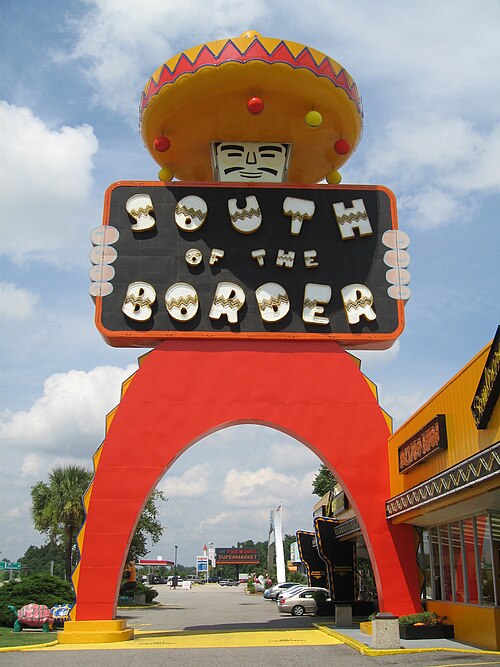
6. South of the Border, South Carolina
This roadside stop built its identity on eccentric Americana, and that identity still pulls in curious drivers from Interstate 95. But locals increasingly describe it as a nostalgia stop rather than a destination. The giant sombrero remains recognizable; the on-the-ground experience is more faded than playful. For travelers, that means expectations do most of the heavy lifting. A brief stretch break may be enough.
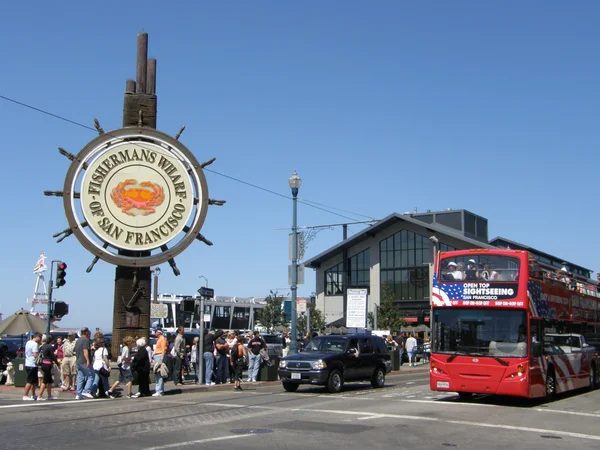
7. Fisherman’s Wharf, San Francisco
Fisherman’s Wharf gets huge traffic for a reason: it is easy, central, and packed with obvious attractions. But locals often argue that convenience has hollowed it out. The district sees about 12 million visitors annually, and the result is a waterfront dominated by crowds, parking stress, and overpriced food that rarely reflects the city at its best. That does not erase the sea lions or bay views. It just means the neighborhood often functions more like a tourist-processing zone than a strong introduction to San Francisco.
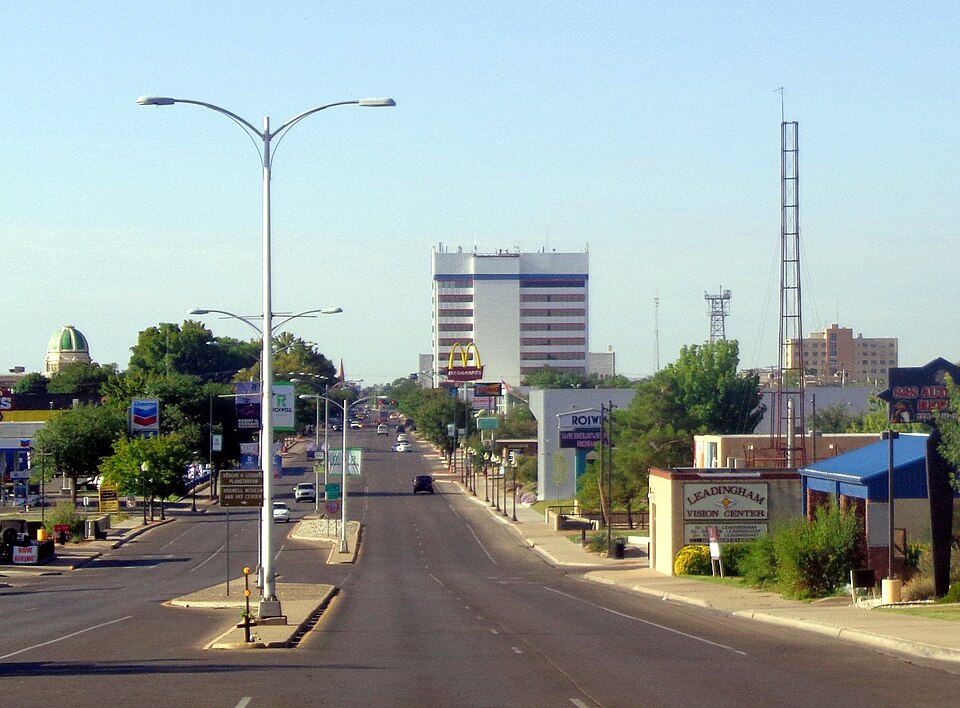
8. Roswell, New Mexico
Roswell’s alien branding is instantly recognizable, but the actual experience is much smaller and kitschier than many first-timers expect. Travelers looking for a deep museum experience or a futuristic attraction often find novelty shops and compact exhibits instead. The town works better as a quirky stop than a full standalone trip. Locals usually treat it that way.
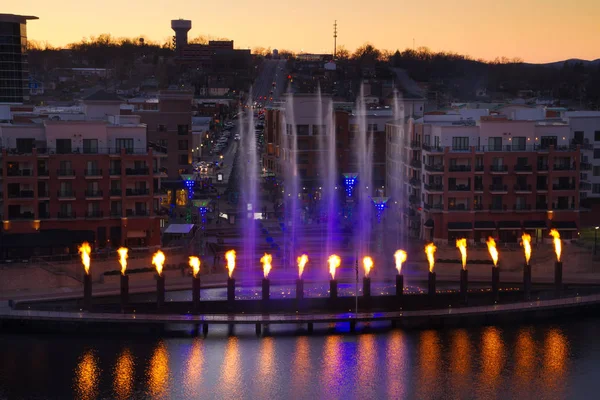
9. Branson, Missouri
Branson continues to appeal to travelers who specifically want live shows and family-oriented entertainment. The local warning is narrower: visitors who arrive expecting broad, modern destination energy may feel stuck in traffic and trapped in a high-cost entertainment loop. Highway backups and aging attractions are recurring complaints. It is less a universally bad destination than one that punishes the wrong expectations.
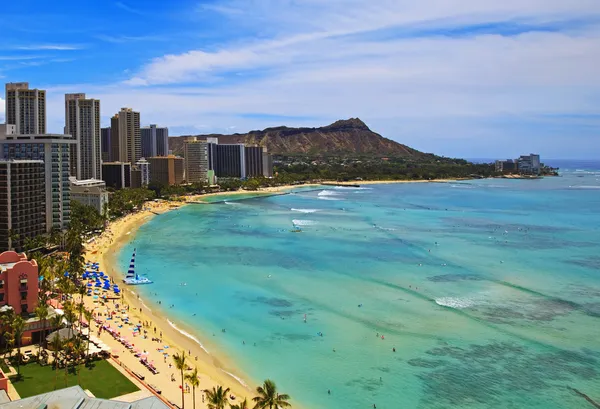
10. Waikiki Beach, Hawaii
Waikiki still photographs beautifully, but locals often describe it as a version of Hawaii filtered through hotel density, retail corridors, and relentless visitor volume. The beach remains famous, yet the experience can feel detached from the slower, more landscape-driven appeal many travelers actually came for.
That tension is what puts Waikiki on so many cautionary lists. The scenery is real. The atmosphere many people picture is harder to find. The pattern across all 10 places is not danger in the dramatic sense. It is friction: crowds, commercial pressure, confusion, and the mismatch between iconic status and everyday reality.
For travelers, the useful lesson is simple. Famous names deserve more research than trust, especially in heavily visited areas where hassle and scams thrive; in 2023, the FTC received more than 55,000 reports of travel fraud. The places locals value most are often the ones a few blocks, a few miles, or a short detour away.

