
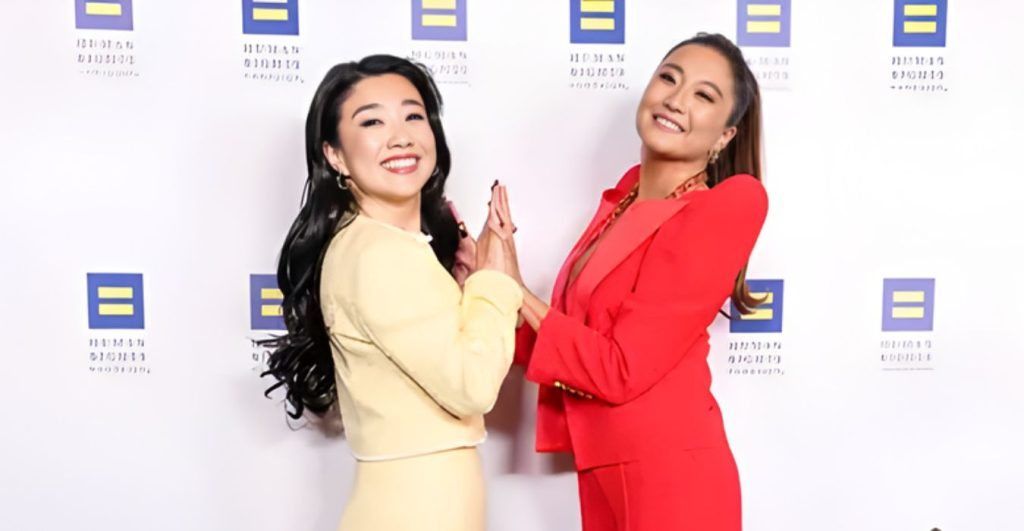
Bad movies have a habit of revealing exactly who can survive bad material. A weak script can flatten a star, but it can also spotlight the performers who keep a scene alive when the plot has already wandered off. That pattern shows up often in films led or elevated by LGBTQ+ actresses whose work remained sharp, strange, funny, or fully committed long after the surrounding movie lost its nerve. Some of these titles were critically dismissed, some were misunderstood on arrival, and some have since found a second life. What lasts is the performance.
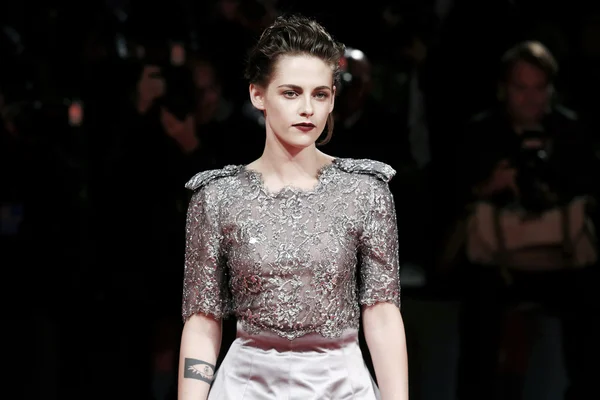
1. Kristen Stewart in Underwater
Claustrophobic genre movies often run on pure momentum, and this one asked Stewart to do most of the heavy lifting with very little character backstory. She turned that limitation into tension. Her performance stayed physical, alert, and emotionally legible even as the film leaned into familiar creature-feature beats.
Stewart has made a career out of doing precise work inside unstable movies, and the same quality shows up elsewhere in her filmography. Her turn in “American Ultra” was also singled out for bringing real texture to material that could have played as disposable.
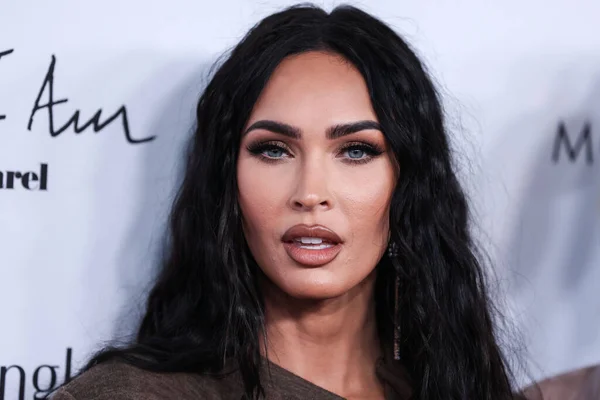
2. Megan Fox in Jennifer’s Body
This is the rare case where the movie’s reputation changed almost as dramatically as the public conversation around the actress at its center. Fox played Jennifer with vanity, menace, boredom, and hunger all braided together, giving the character the kind of shifting interior life that horror-comedy usually only sketches in broad strokes.
The original release was distorted by a marketing campaign that sold it as something much more generic than it was. Over time, the film became a cult object, and Fox’s performance became the main reason people returned to it. Her career had already been shaped by appearing in commercially huge but critically battered projects, including the “Transformers” franchise, which often treated her like set decoration instead of a performer.
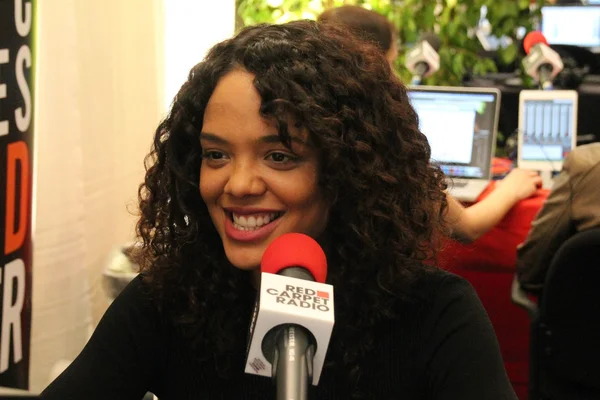
3. Tessa Thompson in Men in Black: International
Franchise revival can be a punishing format: a familiar brand, a thinner script, and constant comparisons to a much stronger original. Thompson still managed to give the movie a pulse. She played the role with confidence and curiosity rather than smugness, which kept the character from feeling like a copy of anyone who came before.
Even when the sequel slid into predictable plotting, she remained its cleanest line of energy. The movie never fully figured out what kind of comeback it wanted to be, but Thompson always seemed to know what scene she was in.
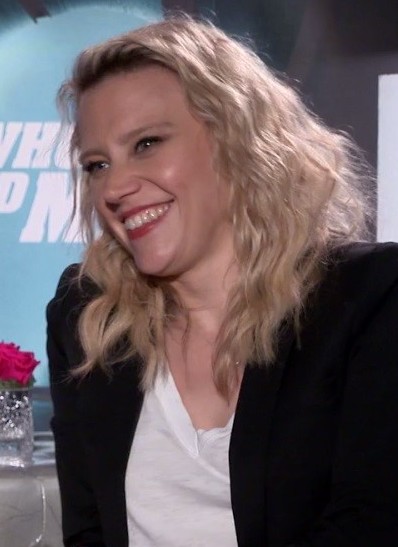
4. Kate McKinnon in Ghostbusters
The reboot arrived under a cloud of argument that had little to do with the actual movie, but McKinnon cut through all of it by behaving like she was in a sharper, weirder comedy than everyone else. Her inventor character felt handmade rather than focus grouped. That mattered. In a film with uneven rhythm and too many stretches of explanatory banter, her physical comedy and off-center line deliveries supplied the only real unpredictability.
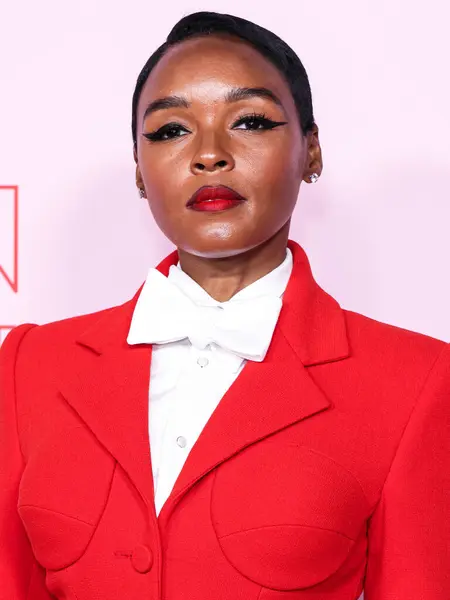
5. Janelle Monáe in Antebellum
Few things expose a film faster than a twist-heavy structure carrying serious thematic weight. Monáe gave the story gravity it did not consistently earn, moving through terror, confusion, pain, and resolve without reducing the character to a symbol. She kept the audience attached to a person when the movie was busy announcing its design. That kind of anchoring performance is difficult in any thriller, but especially in one criticized for its uneven execution and divisive storytelling choices.
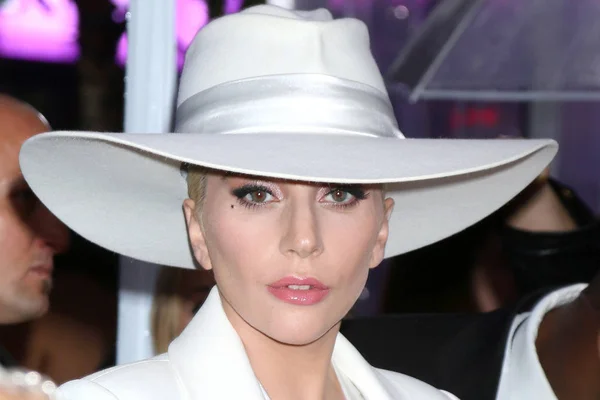
6. Lady Gaga in House of Gucci
This film never settled on one tone for very long. It lunged between melodrama, camp, family saga, and near parody, sometimes within the same scene. Gaga responded by making that instability part of the experience. She played Patrizia Reggiani with such full-bore conviction that the movie’s tonal wobble started to feel almost organized around her. It was not subtle, and it was not meant to be. The performance had force, and the film needed force.
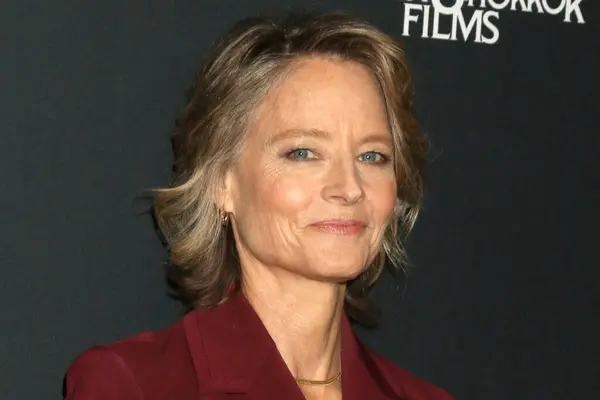
7. Jodie Foster in Hotel Artemis
Movies built around elaborate concepts often mistake premise for depth. Foster did not. She gave the hidden-hospital setup a bruised, lived-in center by playing exhaustion, authority, fear, and routine all at once. Her character seemed to have a full private history even when the screenplay only had time to gesture at one. That sense of unseen life helped the entire movie feel more substantial than it was on the page.
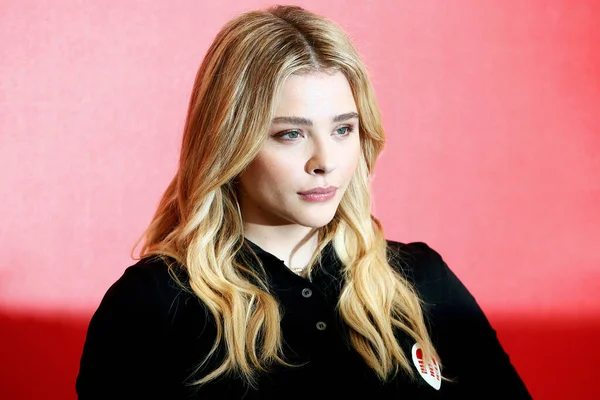
8. Chloë Grace Moretz in The 5th Wave
Young-adult franchise hopefuls once arrived with the same promise every time: a chosen lead, a crumbling world, a future trilogy. Many of them blurred together. Moretz, though, approached the role with a seriousness that made the survival stakes feel immediate rather than prepackaged. The film was broadly seen as a failed franchise launch, and “The 5th Wave” is still one of the titles most often cited when her uneven post-child-star filmography comes up. What remains watchable is her effort to make panic, isolation, and responsibility feel specific.
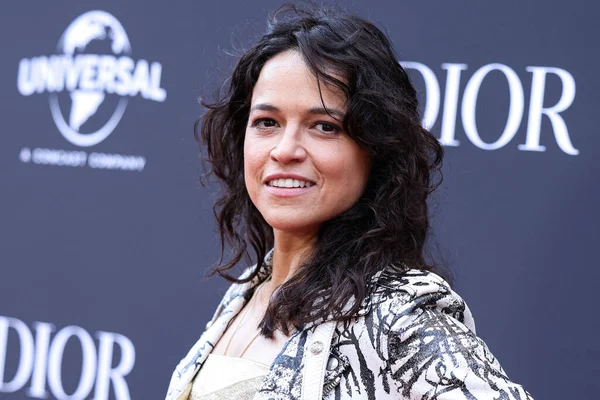
9. Michelle Rodriguez in Resident Evil: Retribution
Plot coherence has never been the main attraction in this franchise, and by this point the series had largely become a delivery system for action sequences and lore overload. Rodriguez understood the assignment better than the screenplay did. She brought muscular conviction to a movie that often treated logic as optional. It helped that she could make even absurd genre business look tactile. In effects-heavy action cinema, that kind of physical credibility matters more than exposition ever will.
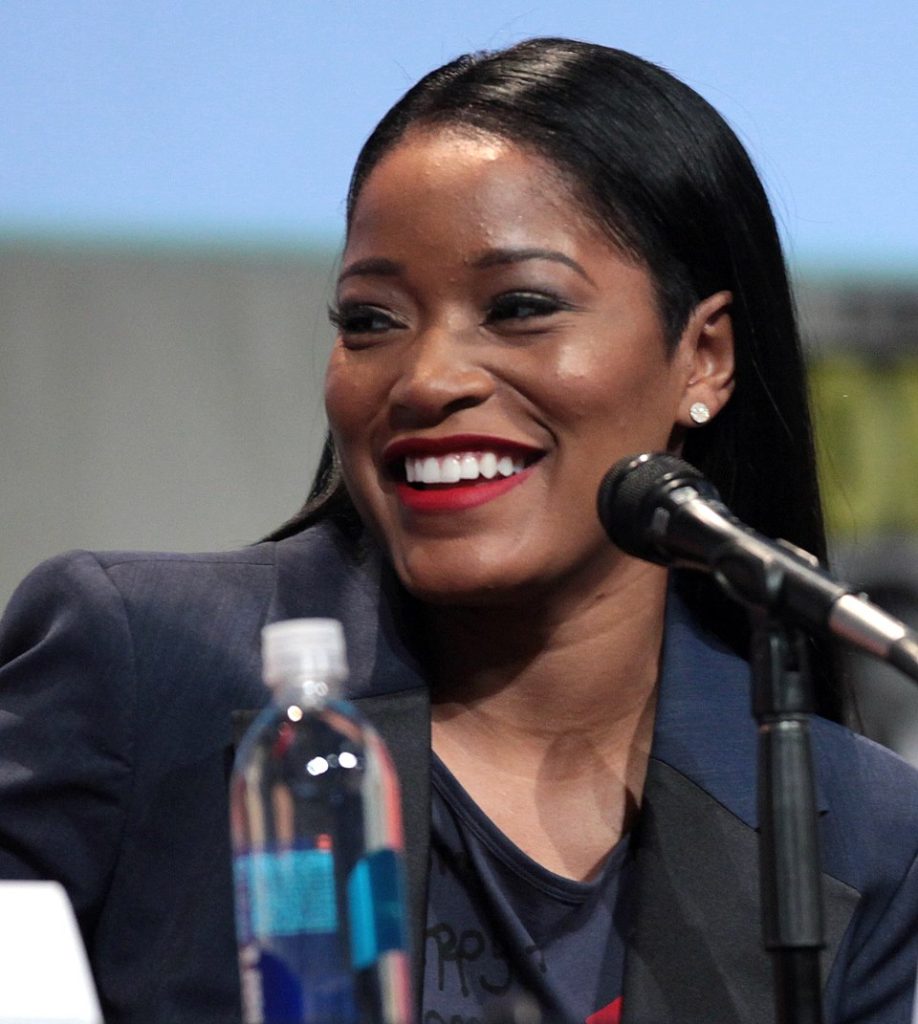
10. Keke Palmer in Alice
Palmer gave the film an emotional directness that the larger production struggled to sustain. The movie attempted to merge exploitation aesthetics, historical trauma, and a revenge framework, which created visible tonal strain. Her performance kept cutting through that strain by staying grounded in the character’s shock, intelligence, and anger. When a film keeps changing registers, the lead has to stabilize it. Palmer did.
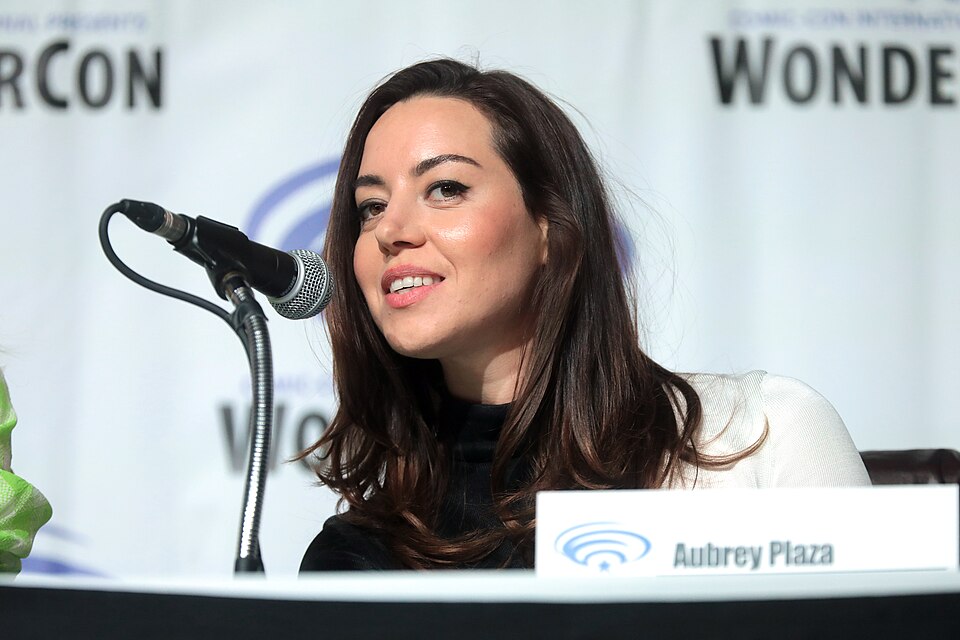
11. Aubrey Plaza in Dirty Grandpa
Crude comedy is usually either brutally funny or just brutal. Plaza found a third lane by making her character’s aggressive weirdness feel intentional, not desperate. Her deadpan timing gave the movie a comic style it otherwise did not have. Scene for scene, she often seemed to be air dropped in from a sharper, more disciplined comedy, which is exactly why she became the part people remembered.
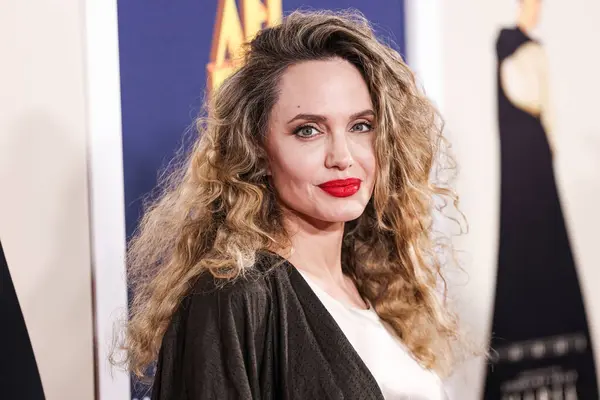
12. Angelina Jolie in Lara Croft: Tomb Raider
Video-game adaptations spent years looking expensive and feeling flimsy, and this was one of the clearest examples. The plot was cluttered, the pacing was erratic, and the movie often seemed more interested in iconography than storytelling. Jolie solved a surprising amount of that by becoming the iconography. She gave Lara Croft wit, coolness, and athletic authority, and in doing so turned a noisy adaptation into a star vehicle. The film was long treated as a high-profile disappointment, but even broader looks at actresses trapped in poor material continue to cite “Lara Croft: Tomb Raider” as a case where the lead far exceeded the movie.
What links these performances is not just talent. It is a particular kind of professional stamina: the ability to create character, tension, humor, or feeling when the film itself is offering only fragments. Some stars need a great movie to shine. These actresses proved they could generate one memorable thing inside a mess. That is its own kind of movie magic, even when the movie does not deserve it.

