
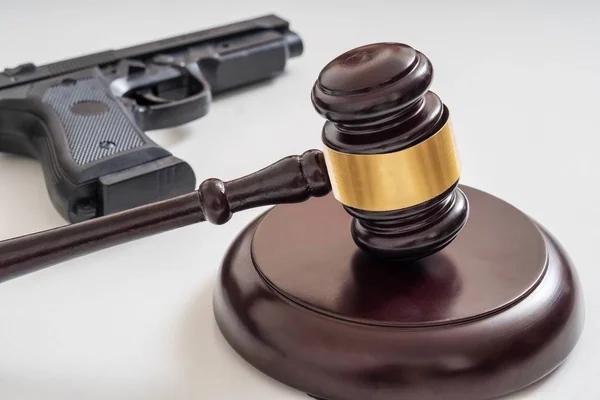
A firearm mistake does not have to involve reckless handling to create serious legal trouble. In many cases, the risk comes from paperwork, travel, storage, or a transfer that seemed informal at the time.
That is why legal compliance has become part of responsible ownership. Federal law bars certain categories of people from possessing firearms, and state rules can add another layer of restrictions on storage, carry, reporting, and transfers.

1. Carrying across state lines without checking local rules
A concealed carry permit that is valid at home may not be recognized after crossing a border. Reciprocity is not universal, and a lawful carrier in one state can face arrest or confiscation in another if the destination has different permit rules, transport requirements, or location bans.
This becomes even more complicated on road trips that pass through multiple jurisdictions in one day. A firearm kept loaded and accessible in a vehicle may be treated differently from one state to the next, so travel plans can create legal exposure before the owner even reaches the final stop.
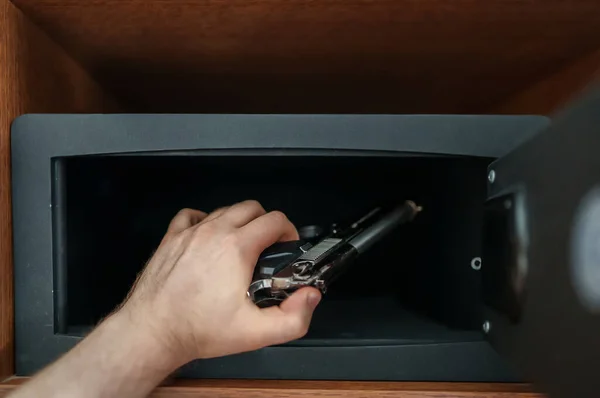
2. Leaving firearms unsecured where minors can access them
Secure storage is not just a best practice. In many parts of the country, it is also a legal requirement. 26 states have adopted secure storage or child access prevention laws, but the details vary widely, including when the law applies and how a state defines a child.
Some laws apply whenever a firearm is not under the owner’s immediate control. Others impose penalties only after a minor gains access or uses the weapon. The age cutoff also shifts from state to state, which means a storage setup that appears compliant in one jurisdiction may fall short in another. Unlocked vehicles, bedside tables, and dresser drawers are recurring trouble spots because they can turn an ordinary lapse into a criminal case if a child gets hold of the gun.
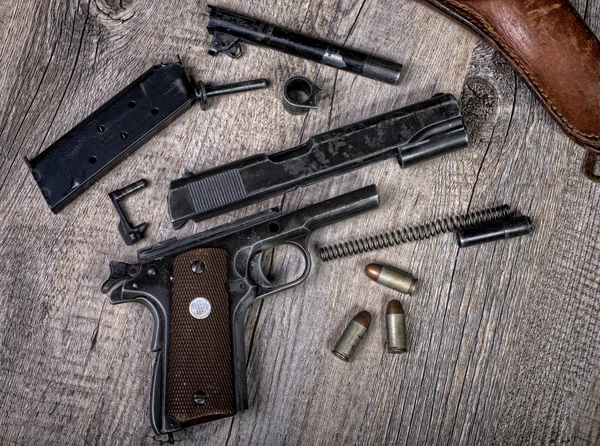
3. Modifying a firearm into a prohibited configuration
Home customization can cross a legal line faster than many owners realize. Federal law restricts possession of certain types of firearms, including machineguns and firearms that are not properly registered under the National Firearms Act.
Shortening barrels, changing operating parts, or adding items that alter how the firearm is classified can create a federal violation. Small do-it-yourself changes may look cosmetic but still affect legal status. Once that happens, ignorance of the rule does not erase the possession issue.

4. Failing to report a lost or stolen firearm quickly
A missing firearm can become a legal problem long after it disappears. Some states require owners to report lost or stolen guns within a set time window, and delaying that report can carry its own penalty.
The practical risk is obvious. If the firearm later appears in a criminal investigation, the owner’s failure to document the loss can intensify scrutiny and complicate any claim that the gun left lawful control earlier.

5. Carrying while impaired by alcohol or drugs
Firearms and impairment are a legally dangerous mix. Many states treat carrying while intoxicated as a standalone offense, and the penalties can include arrest, fines, and permit consequences even when the weapon is never drawn.
Alcohol is not the only issue. Federal law also prohibits possession by a person who is an unlawful user of controlled substances, a category listed among common reasons for denied gun transfers. That means substance-related conduct can affect both carrying decisions and future eligibility.
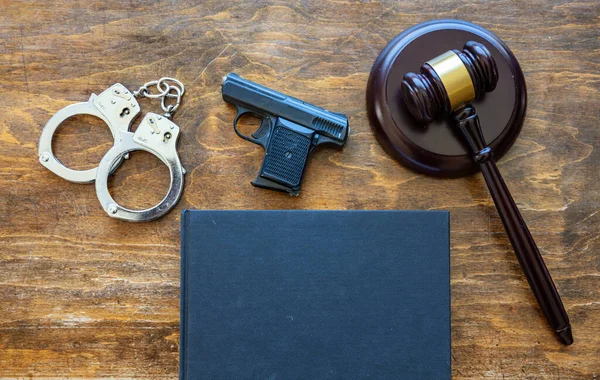
6. Selling, lending, or buying for someone else the wrong way
Private transfers are often treated casually, but the legal stakes are high. Federal law makes it unlawful to sell or otherwise dispose of a firearm to a person who is prohibited from possessing one, and the list of prohibited persons includes people with certain felony convictions, domestic violence restrictions, qualifying mental health adjudications, and other disqualifying statuses.
There is another major hazard here: straw purchasing. Under 18 U.S. Code § 932, knowingly buying a firearm on behalf of someone else to hide the real buyer or help a prohibited person obtain a gun can bring severe criminal penalties. What looks like doing a favor for a friend or relative can instead be treated as a federal offense if the actual recipient was not legally allowed to receive the firearm.

7. Assuming eligibility without understanding prohibited-person rules
Some owners focus heavily on carry laws and overlook the bigger threshold question: whether they are still legally allowed to possess a firearm at all. Federal law identifies several prohibited categories, including people convicted of certain crimes, fugitives, unlawful drug users, people subject to qualifying domestic violence restraining orders, and people convicted of misdemeanor domestic violence offenses.
This area catches people who assume only felony convictions matter. It also catches buyers who answer forms carelessly. On federal purchase paperwork, false statements about criminal history or other disqualifying factors can create a new legal problem separate from the underlying prohibition.

8. Entering gun-free or restricted places by mistake
A carry permit does not open every door. Schools, federal buildings, post offices, some hospitals, and private businesses with posted restrictions can all present location-based bans. Even a locked firearm in a vehicle may be prohibited in some places.
Restricted-place violations often happen during routine errands rather than confrontations. That is what makes them easy to underestimate. A lawful owner can move from compliance to criminal exposure simply by parking, walking in, or failing to notice the rules attached to a particular property.
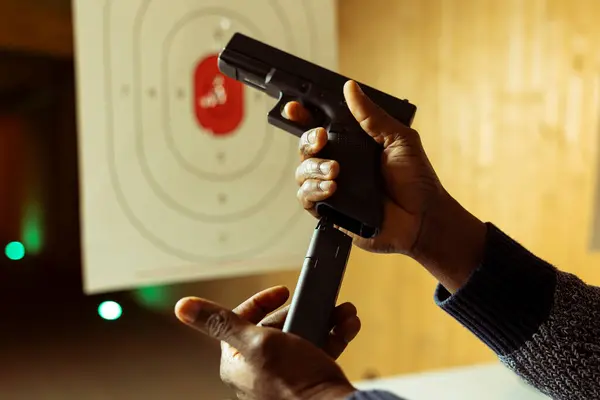
Many firearm cases begin with an ordinary decision that did not feel risky at the time. A road trip, a favor for a friend, a gun left in a vehicle, or a missed reporting deadline can all trigger consequences that extend far beyond a citation. For gun owners, legal awareness now reaches well past safe handling. It includes knowing where a firearm can go, who can receive it, how it must be stored, and whether personal circumstances still allow lawful possession at all.

