
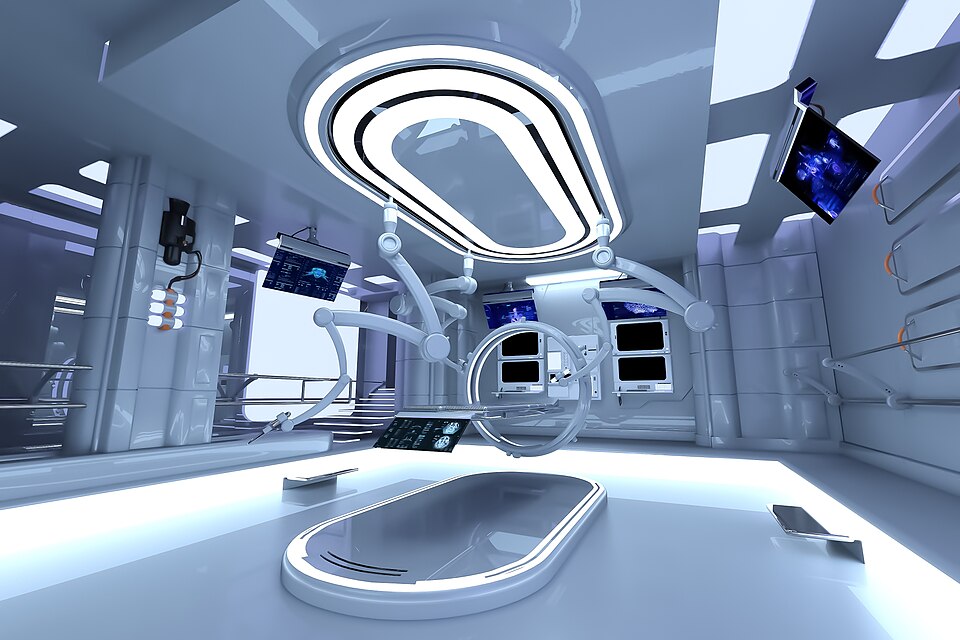
Science fiction has never been just an escape hatch. It has long functioned as a cultural lab, giving people a place to test fears, rehearse possibilities, and attach human consequences to machines that do not yet exist. That is why the genre keeps resurfacing far beyond bookshelves and streaming queues. Devices in pockets, interfaces in cars, debates around AI, and even classroom conversations about ethics all carry traces of stories that imagined them first.
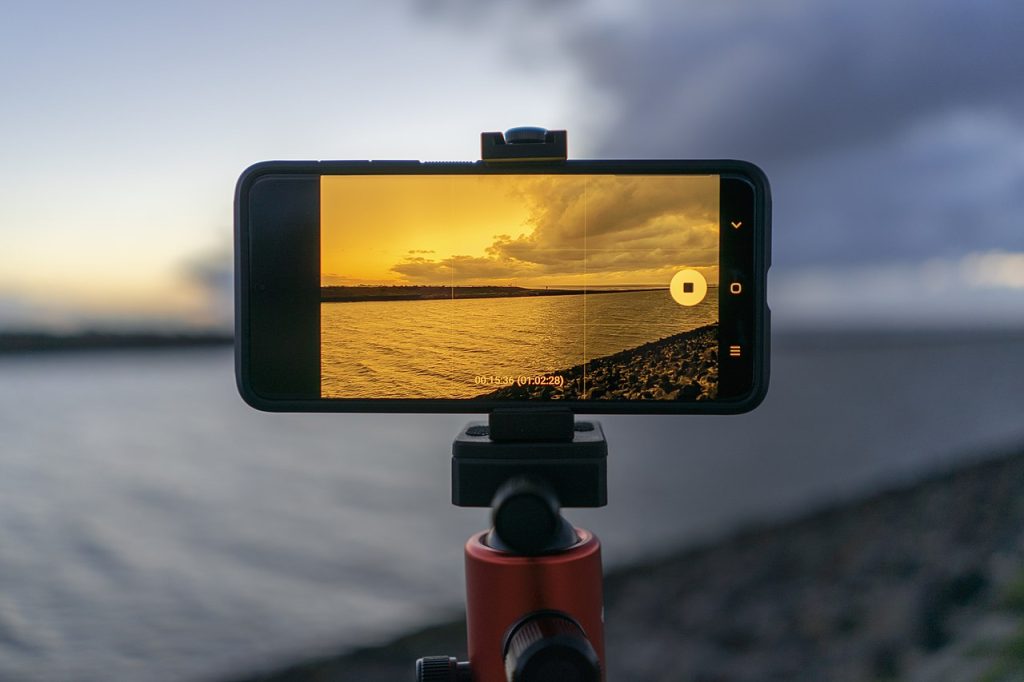
1. Smartphones and wearables arrived looking strangely familiar
One of science fiction’s clearest fingerprints is the shape of everyday communication. The wrist radios of Dick Tracy, the communicators in Star Trek, and portable screens in 2001: A Space Odyssey all previewed the now-routine mix of calls, messaging, navigation, media, and computing in one small device.
The historical record is unusually broad here. Fiction had described mobile phone and smartwatch concepts decades before they became mainstream products. What mattered was not perfect prediction, but repeated normalization. Sci-fi made handheld intelligence feel intuitive before hardware could deliver it. That helped turn once-radical ideas into expectations.

2. Video calls stopped feeling futuristic because fiction rehearsed them first
Screen-to-screen conversation used to signal “the future” in films and television. Now it signals a work meeting, a family check-in, or a doctor’s appointment. Sci-fi helped collapse that distance by presenting visual communication as ordinary behavior rather than a technical miracle.
Stories had imagined videotelephony long before mass adoption, and later pop culture made the behavior look casual. That cultural rehearsal mattered. By the time remote communication became central to work and social life, the visual grammar was already familiar to audiences. The tool felt less invented than remembered.
3. AI debates still borrow their emotional script from fiction
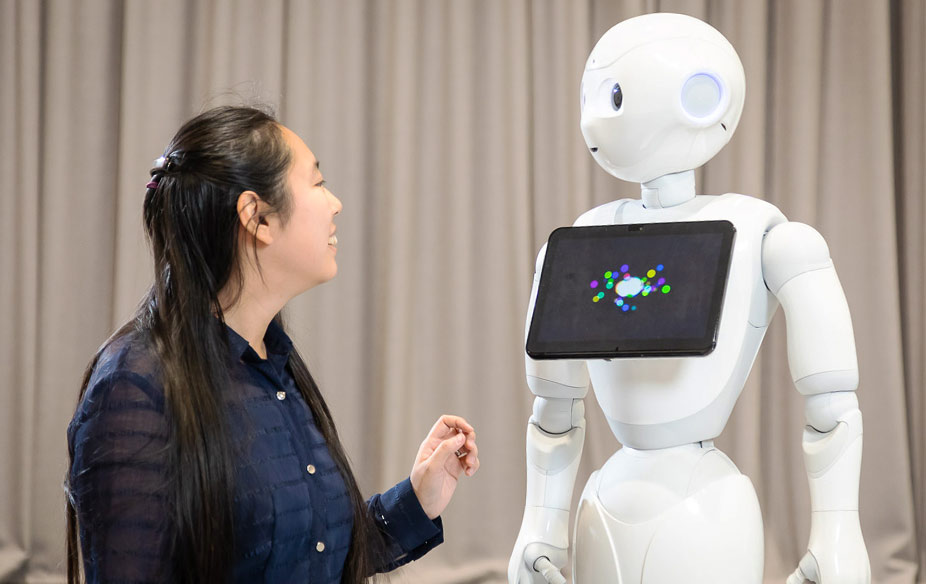
Few sci-fi themes have shaped public feeling more aggressively than artificial intelligence. Friendly helpers, indifferent systems, and dangerous machine minds all appeared long before generative AI entered daily use. That legacy still frames how people talk about automation. HAL 9000, replicants, robot servants, and virtual companions established a split between utopian and dystopian AI that continues to dominate public imagination.
Researchers have noted that fiction appears regularly in computing literature, and a 2019 analysis found science fiction is increasingly cited in human computer interaction research. At the same time, scholars studying AI in fiction argue that robot rebellion stories often distract from more immediate issues such as data control, algorithmic decision-making, and who actually benefits from these systems. In other words, sci-fi did not just predict AI. It gave the public its vocabulary of trust, fear, and expectation.
4. Self-driving cars and talking vehicles were imagined as companions, not just machines
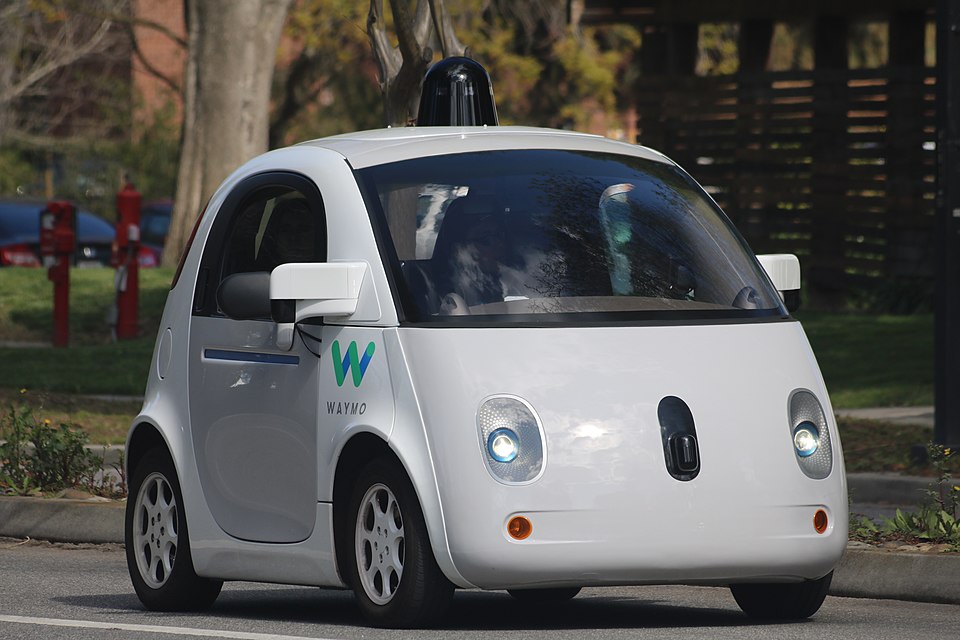
KITT from Knight Rider remains one of sci-fi’s most recognizable transport fantasies because the car was never only a vehicle. It was a personality, an assistant, and a decision-making partner. That framing still echoes in the way modern vehicles are marketed and designed around voice interaction, driver assistance, and autonomous features.
Long before modern road testing, fiction had sketched self-driving cars in speculative stories. The practical reality is less glamorous than television promised, but the cultural expectation remains: people do not just want automation, they want reassurance, guidance, and conversation. Sci-fi helped define the emotional job of the machine.
5. The genre became a quiet design tool inside research and industry
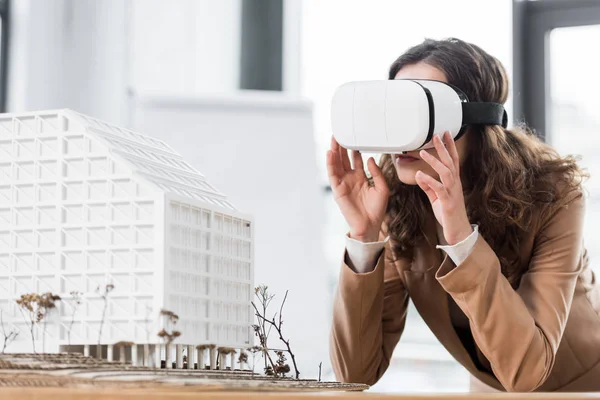
Science fiction now functions as more than inspiration. In some corners of technology, it is used deliberately to stress test concepts before they become products or systems. Researchers studying design practice found that speculative stories help teams think through implantables, body modification, digital afterlife ethics, and new interfaces. That approach is often described as science fiction prototyping. It turns fiction into a structured way to ask not only whether something can be built, but what kind of social life it would create once released into the world.

6. Dystopias changed how people read surveillance and targeted systems
When audiences see personalized ads, dense camera networks, or opaque recommendation systems, many do not interpret them as neutral infrastructure. They read them through science fiction. That reflex comes from a long line of dystopian storytelling. Works like Nineteen Eighty Four, Blade Runner, and cyberpunk fiction trained audiences to notice who watches, who profits, and who gets reduced to data. Reference lists of predicted technologies even connect older fiction to later realities such as personalized advertising and social media like systems. The deeper impact is cultural: sci-fi taught people that convenience and control often arrive together.

7. Classrooms now use sci-fi to teach responsibility, not just imagination
Science fiction has moved into education as a framework for discussing ethics, ecology, identity, and technological change. That is a notable shift from treating the genre as pure entertainment. At Stanford, a 2024 course examined utopias and dystopias as a way for students to discuss the consequences of innovation and their own role in shaping the future. The program described sci-fi as a platform for debating hopes and anxieties around fast-moving technology, with students using fiction to think through responsibility and agency in a changing society.

8. The biggest influence may be cultural, not technical
Sci-fi’s strongest effect is not that it guessed gadgets correctly. It is that it widened the range of what society treats as imaginable. Writers and scholars keep returning to the same point: fiction brainstorms, but it also warns. Some stories invite optimism; others show how tools can be bent by power, exclusion, or carelessness. That is why the genre keeps producing both prototypes and caution signs. It does not hand society a blueprint so much as a set of rehearsals for futures people may want, fear, resist, or revise.
Seen that way, science fiction has already done more than entertain. It shaped the look of devices, the tone of AI debate, the language of design, and the public instinct to ask who technology serves. The future in sci-fi was never only about tomorrow. Much of it was always about how people choose to live now.

