

Death is often discussed in clinical terms, but many families and survivors describe something more layered: moments of unusual clarity, vivid encounters, and a striking sense of calm that does not fit neatly into a chart. Some of these experiences come from people revived after cardiac arrest. Others are reported in hospice rooms during the final stretch of life. They are not identical, and medicine does not treat them as proof of any single explanation, but certain patterns appear again and again.
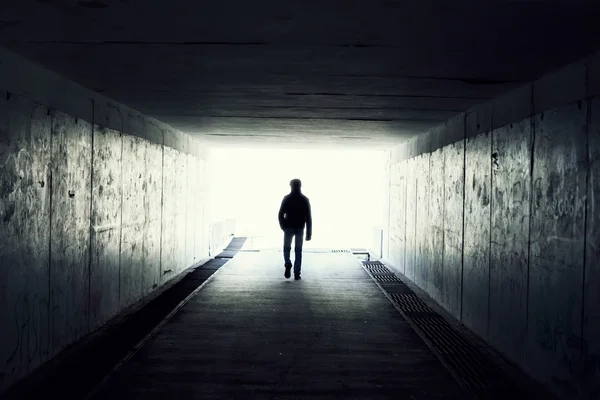
1. A bright presence described as loving, not blinding
One of the most persistent reports is a brilliant light that feels personal rather than harsh. Survivors of near-death episodes often describe it as warm, welcoming, and deeply familiar, sometimes as if it carries understanding without words.
This theme appears across many personal accounts, even when people differ in age, belief, or culture. Researchers continue to debate whether such perceptions reflect brain activity during crisis, but the emotional force of the experience often remains the central feature for the person who lived through it.

2. Watching the room from outside the body
Some people revived after clinical crisis say they perceived their surroundings from above, including efforts to resuscitate them. These out-of-body accounts remain one of the most discussed parts of near-death literature because experiencers often describe concrete details they believe they observed during the event.
Scientific disagreement remains, but the reports are consistent enough to keep the topic active in both medical and public discussion. What stands out in many retellings is not spectacle, but precision: the sense of hovering, watching, and later remembering the room with unusual calm.

3. A life review that feels emotional, not merely visual
People who return from the brink sometimes describe more than a quick flashback. They recount an immersive review of their lives, with relationships and consequences felt all at once.
What gives these reports their weight is the emotional component. The experience is often described as reliving not only personal actions, but also their effect on other people. In many cases, survivors later say this changed how they viewed empathy, regret, and what mattered most in ordinary life.

4. Encounters with dead relatives, close friends, or even pets
Hospice clinicians regularly hear dying patients speak about seeing loved ones who died long ago. In one body of hospice research, about 88% of patients reported at least one experience when they were asked repeatedly over time.
The figures in these visions are often highly specific: a mother, a child, a sibling, a spouse, or a pet. According to hospice physician Christopher Kerr, “These (relationships) often return in very meaningful and comforting ways, which validate the life that was lived and, in turn, lessen the fear of dying.” Families may find the moment unsettling at first, but hospice teams commonly describe these encounters as calming for the patient.

5. A sudden peace that replaces fear or pain
Many accounts emphasize a powerful drop in distress. People describe pain falling away, anxiety loosening, and a sense of wellbeing that seems out of proportion to the medical emergency or physical decline underway.
That calm appears in both near-death survivor narratives and hospice observations. Care teams who work with dying patients often note that what matters most in the moment is not whether others can verify the experience, but whether it brings comfort. In hospice guidance, patients almost always find comfort and calm in these visions.

6. A tunnel, pathway, or sense of being drawn forward
The image of moving through a tunnel remains one of the best-known features of near-death storytelling. Some describe motion toward light. Others speak of a passage, a road, or a travel-like transition rather than a literal tunnel. That travel theme also appears in hospice care. The Hospice Foundation of America notes near-death awareness can include talk of travel, such as packing, leaving, or preparing for a trip. The language differs, but the structure is similar: movement away from ordinary surroundings toward something ahead.

7. A boundary that feels final
Another recurring motif is a limit that should not be crossed. Survivors describe a gate, bridge, river, line, or threshold that carries immediate meaning. They often say they somehow knew that crossing it meant not returning. This kind of scene is memorable because it gives shape to an otherwise wordless experience. The message, when one is described, is usually simple: it is not yet time, or there is a reason to go back.

8. Unexpected lucidity shortly before death
Not every striking end-of-life event is visionary. Some are startling because a person who has been deeply impaired becomes briefly clear, verbal, and engaged. This is often called terminal or paradoxical lucidity.
In one pilot study of healthcare workers, 73% reported ever witnessing paradoxical lucidity. Some events lasted minutes; others lasted hours or days. Another case series in hospice and palliative care described this as a brief return of wakefulness and cognition shortly before death. Families can mistake it for recovery, but clinicians caution that it often occurs very near the end.

9. A burst of brain activity when life is ending
Some of the most intriguing evidence comes from brain monitoring, not bedside storytelling. Research has documented that in certain dying patients, the brain may show surges of high-frequency electrical activity after oxygen drops sharply. That does not settle what people experience, and the studies are small and technically complex. Even so, they challenge the older idea that the dying brain simply falls silent in a straight line. The picture emerging from modern research is less tidy: in at least some cases, the final phase may involve activity linked to perception, integration, and consciousness-related networks.
Taken together, these reports do not produce a single verdict on what death is. They do show that the end of life is often described in richer terms than physical shutdown alone. For families, clinicians, and survivors, the recurring patterns matter because they shape fear, memory, and grief. Whether they are understood as brain-based phenomena, deeply personal experiences, or something that medicine cannot yet define, they continue to leave a lasting mark on the people who witness them.

