
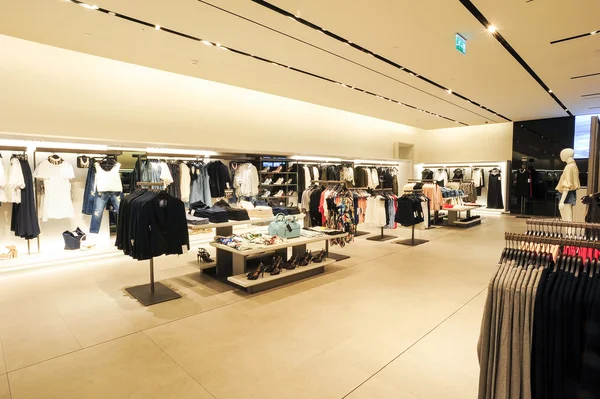
Store closures in 2025 did not come from one failing corner of retail. They stretched across coffee, groceries, apparel, department stores, restaurants, and specialty chains, turning familiar storefronts into a visible sign of how quickly shopping habits and corporate priorities are changing.
The bigger pattern is less about physical retail disappearing and more about companies cutting weaker locations, reducing labor costs, and redirecting money toward stores, formats, and digital systems that look more sustainable. Industry data showed nearly 6,000 closings by the end of June, while analysts continued to note that in-person shopping still remains a large part of consumer behavior.
1. Starbucks
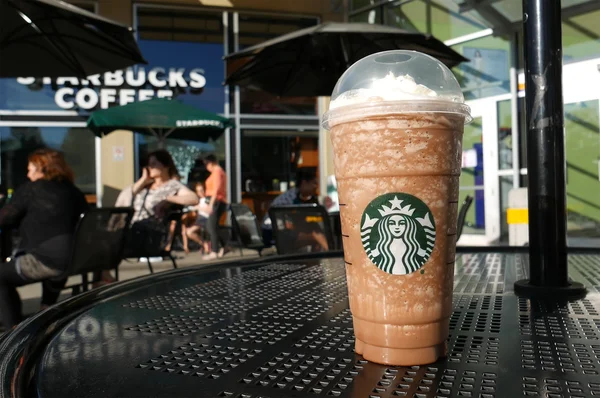
Starbucks made one of the year’s most visible portfolio resets, closing more than 600 locations across North America under its “Back to Starbucks” plan. The company tied the decision to stores where it was “unable to create the physical environment our customers and partners expect” or where it did not “see a path to financial performance.”
The move was not just about closing doors. Starbucks also cut 900 corporate jobs and pushed store “uplifts” with redesigned interiors and digital menu boards, signaling that the company is betting on fewer, better-positioned cafes rather than a larger footprint with uneven performance.
2. Denny’s
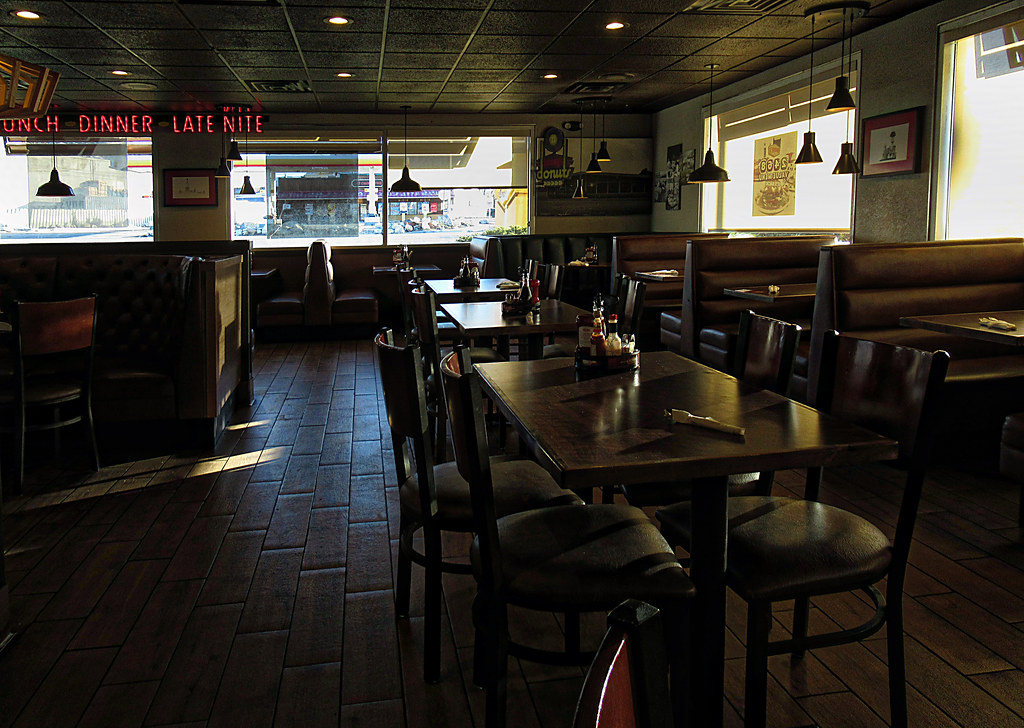
Denny’s continued a narrower but closely watched reduction plan, aiming to close 150 underperforming restaurants by the end of 2025. By early 2025, 88 had already closed the year before, leaving dozens more to go. The company described the process as “surgical and methodical,” framing it as a franchise-health decision rather than a retreat from the market. That distinction matters because Denny’s also pointed to future openings after the pruning phase, making the closures part of a reset instead of a full-scale contraction.
3. Zara parent Inditex
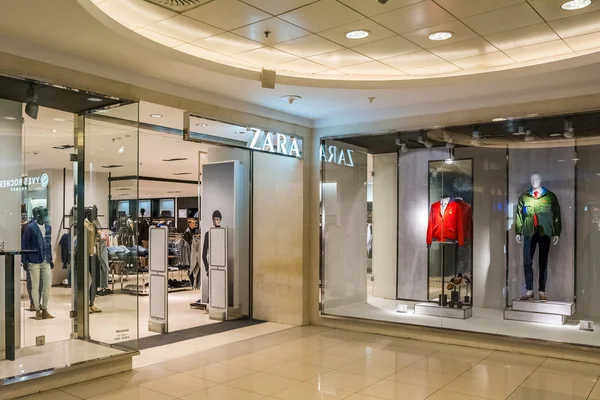
Inditex, the global company behind Zara, Zara Home, and Massimo Dutti, reduced its store count by 132 over a one-year period. The decline included about 60 fewer Zara stores and additional cuts across several sister brands, according to results for the first nine months of 2025. Even so, the company did not abandon brick-and-mortar growth altogether. It continued opening stores in select markets, which made the strategy look more like quality control and location optimization than broad withdrawal.
4. Carter’s
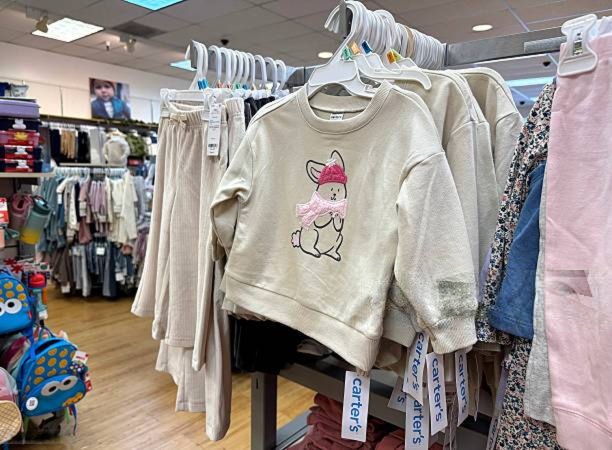
Carter’s announced plans to close 150 stores over three years, with about 100 of those closures falling in fiscal 2025 and 2026. The children’s apparel retailer also said it would reduce its office-based workforce by about 300 positions. Executives linked the pressure to tariffs and margin strain, but the response extended further into the business. Carter’s also moved to simplify decision-making and shrink its product assortment, suggesting the chain saw store closures as one part of a larger operational overhaul.
5. Kroger
Kroger said it plans to close about 60 supermarkets over roughly 18 months, while still opening stores in higher-growth areas. That balance made Kroger stand out from chains simply shrinking for survival. The company’s strategy has centered on efficiency, including AI tools for pricing, fulfillment, and inventory management. Kroger also said it lowered prices on thousands of products, underscoring how store closures can happen alongside efforts to stay competitive on value.

6. GameStop
GameStop remained one of the clearest examples of a chain under pressure from a long-term industry shift. After closing nearly 600 U.S. stores in fiscal 2024, the company said a “significant” number of additional closures would follow in 2025. This was not a routine trimming exercise. GameStop’s challenge sits inside the gaming business itself, where digital downloads and changing buying habits have steadily weakened the role of physical stores.

7. Victoria’s Secret
Victoria’s Secret quietly closed about 30 U.S. stores in 2025, a modest figure compared with some rivals but still meaningful for a brand long associated with mall traffic. The downsizing reflected the continued pressure on legacy apparel retailers that built large physical footprints during a different era of shopping. The brand has increasingly leaned into digital engagement and a tighter store base rather than chasing broad physical expansion.
8. Macy’s
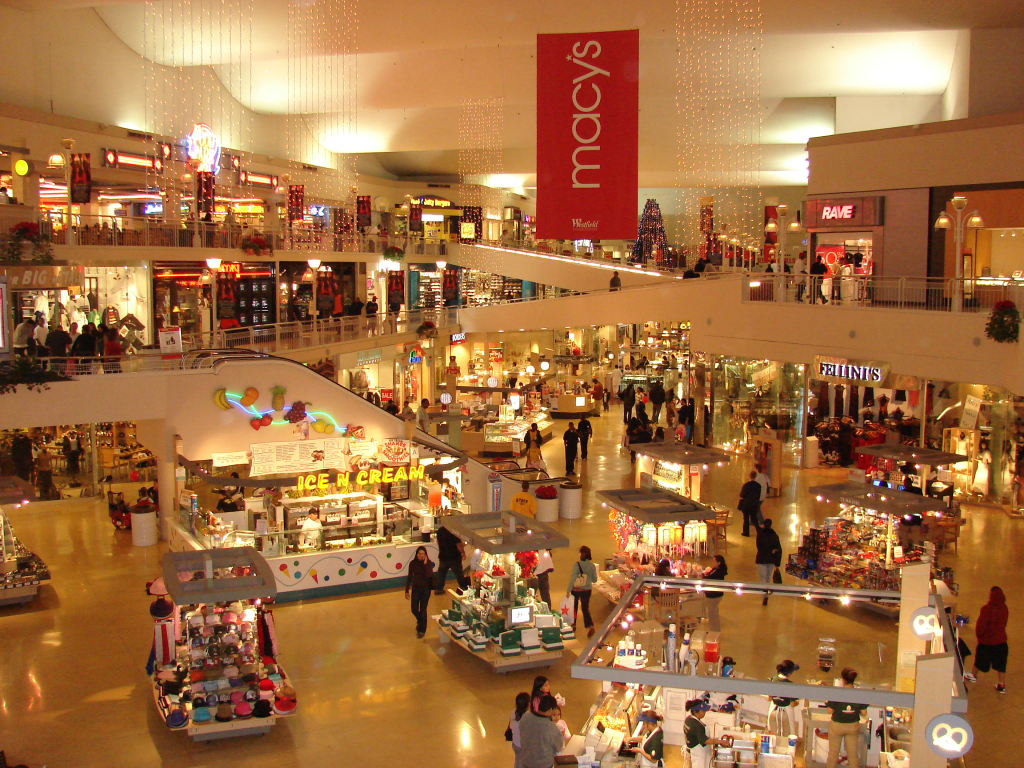
Macy’s kept moving through its multiyear downsizing plan, which calls for closing 150 underproductive stores by 2026. In 2025, the chain continued shutting locations as part of its effort to focus on stronger stores and newer formats.
Mall traffic trends remain a major backdrop here. Macy’s is not only reducing weak locations, but also trying to adapt a department-store model that has faced years of pressure from convenience-driven shopping and more targeted online browsing.
9. Claire’s
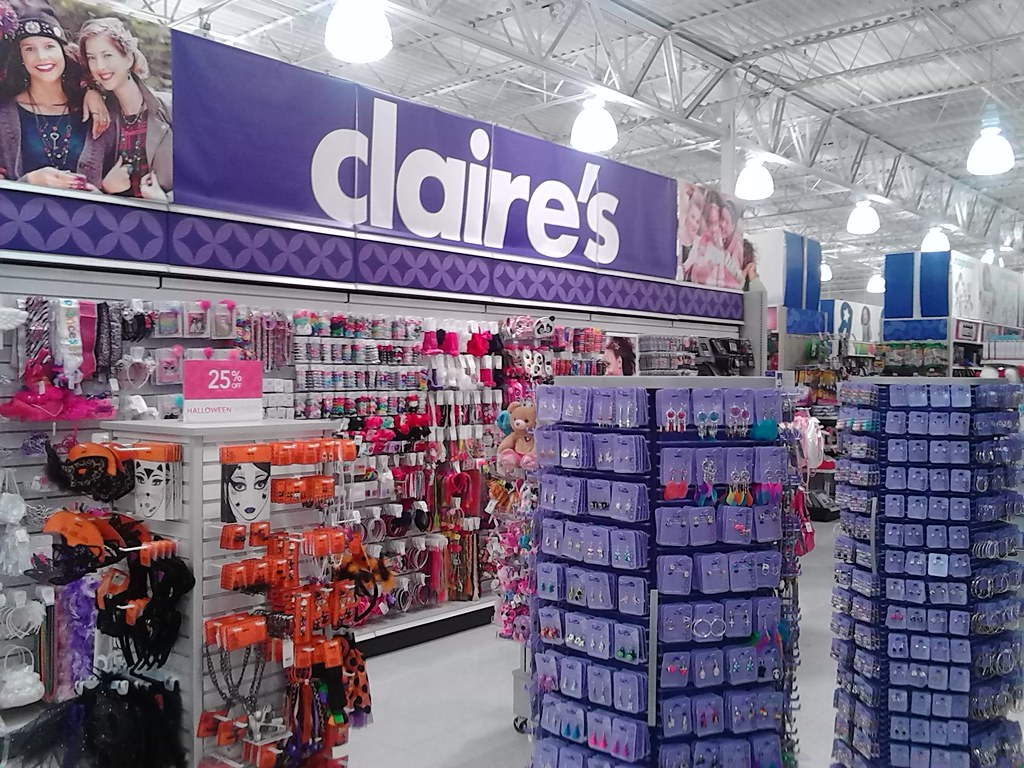
Claire’s combined store closures with another bankruptcy process, making it one of the more fragile names on the list. The accessories chain closed more than 290 stores in 2025 as it worked through lease problems and weak-performing locations. Its struggles highlighted how exposed mall-based specialty chains remain, especially when younger shoppers split spending across online marketplaces, fast-fashion competitors, and social-commerce trends.
The year’s closures pointed to a retail map being redrawn in plain sight. Experts increasingly described the trend as a push toward leaner portfolios, stronger margins, and better use of data rather than a blanket collapse of physical shopping. One retail executive summarized the shift by saying, “America has been over-retailed.”
For shoppers, the practical result is straightforward: fewer familiar locations, more selective store networks, and a growing divide between chains that are refining their footprint and chains still struggling to prove why their physical stores need to exist at all.

