
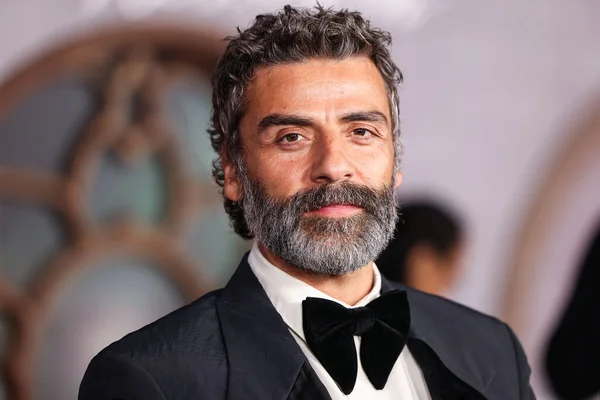
For decades, stage names in entertainment were not always about branding or memorability. For many performers, they were tied to a harsher reality: the belief that a name signaling immigrant roots, Jewish identity, Latino heritage, or Asian ancestry could narrow a career before it even began. That pressure did not belong only to old Hollywood. Across generations, actors and musicians have described the same pattern a birth name treated as an obstacle, and a more “acceptable” version treated as a shortcut to opportunity.

1. Chloe Bennet left “Wang” behind and saw work arrive fast
Born Chloe Wang, the actress has said Hollywood bias was not subtle. After struggling to book roles under her birth surname, she adopted Bennet, taken from her father’s first name. She later said the shift changed her career almost immediately, and her breakout role on Agents of S.H.I.E.L.D. followed soon after.
Her story remains one of the clearest modern examples of how Asian performers could be screened out before an audition even began. What makes it especially striking is how recent it feels. The pressure was not wrapped in old studio language; it was experienced in a contemporary casting system.
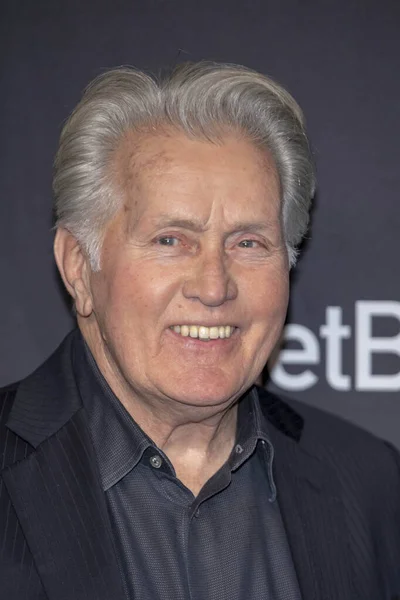
2. Martin Sheen built a career with a name he later regretted
Martin Sheen was born Ramón Antonio Gerardo Estévez, and he adopted a stage name while trying to move past anti-Hispanic prejudice in casting. He never legally changed it, a detail he later emphasized in public interviews, noting that his legal documents still carried Ramón Estévez.
Years later, he described the decision as a regret. That reflection gives his story a second layer: the name change may have opened doors professionally, but it also left a lasting sense of compromise. His children became a public contrast as well, with some using Sheen and others keeping Estévez.
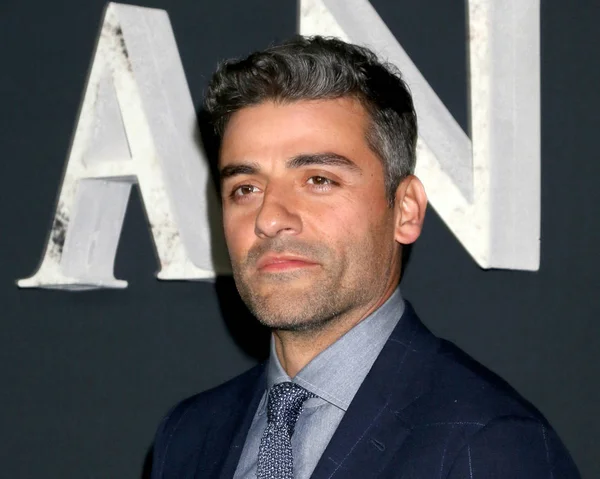
3. Oscar Isaac trimmed his surname to avoid being boxed in
Oscar Isaac was born Oscar Isaac Hernández Estrada. He has spoken about dropping his surnames because he did not want to be pushed toward a narrow set of parts, especially roles built on crime stereotypes. Using his first and middle names gave him more room to audition without casting assumptions arriving first.
That decision helped create one of the more versatile careers in recent film. Rather than becoming known for only one type of ethnic casting, he moved across prestige drama, science fiction, period work, and stage-trained material with unusual range.
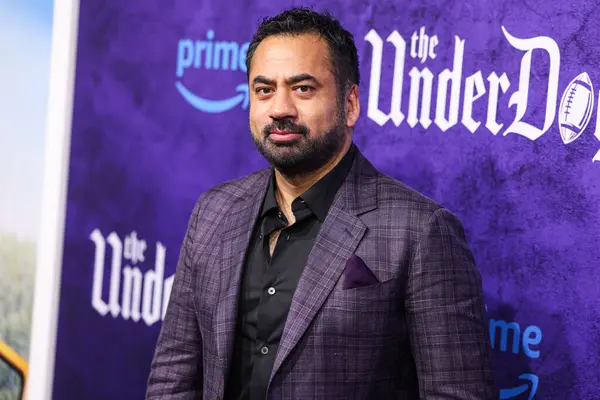
4. Kal Penn tested the bias himself
Kal Penn’s experience reads almost like an experiment. Born Kalpen Suresh Modi, he reportedly sent out résumés using both versions of his name and found that the simplified professional name generated more responses. The result turned a suspicion into something measurable.
That detail gives his story unusual force. It was not just a feeling that one name might play better than another. In his account, the callback gap made the industry’s preference visible in a way performers often only sense privately.

5. James Roday Rodriguez was told his name created a casting problem
Before becoming known from Psych, he worked under James Roday rather than James Rodriguez. He later described hearing direct advice that his surname could make executives nervous about how he would be perceived in roles not written as Latino. In a later interview, he recalled being told, “You might want to give some real consideration to changing your name.” His account of those early auditions also included the blunt message that “your last name is Rodriguez” could keep him from advancing.
He eventually reclaimed his fuller professional identity as James Roday Rodriguez. That return mattered because it reframed the original change not as a clever career move, but as part of a larger industry habit that asked people to mute themselves to fit in.
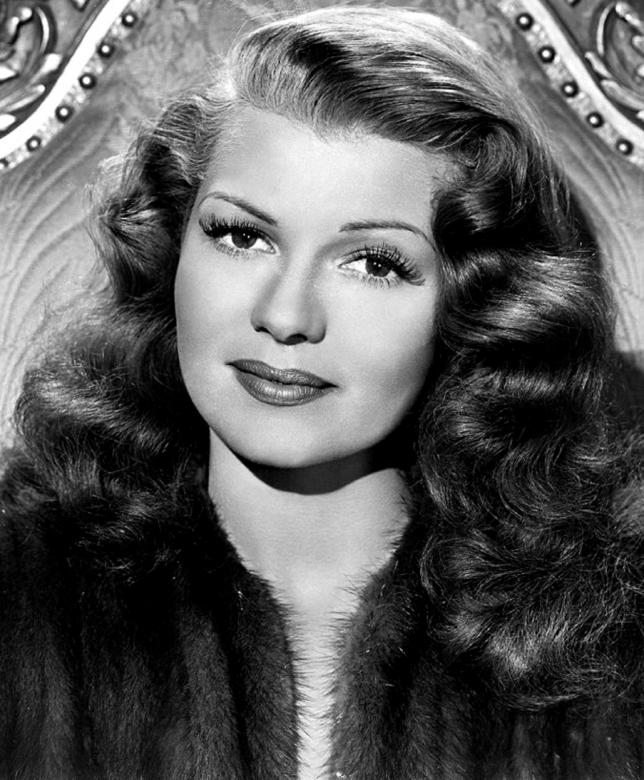
6. Rita Hayworth’s transformation went far beyond a new name
Born Margarita Carmen Cansino, Rita Hayworth became one of the most famous examples of studio-era reinvention. Her Spanish identity was not simply softened. It was actively reworked for mainstream appeal, including her image, her hairline, and the parts she was expected to play.
This was assimilation as a full production strategy. The studios were not only selling glamour; they were standardizing what kind of beauty and identity could be marketed as broadly American. Her superstardom arrived after that transformation, which is part of what makes the story so unsettling in hindsight.
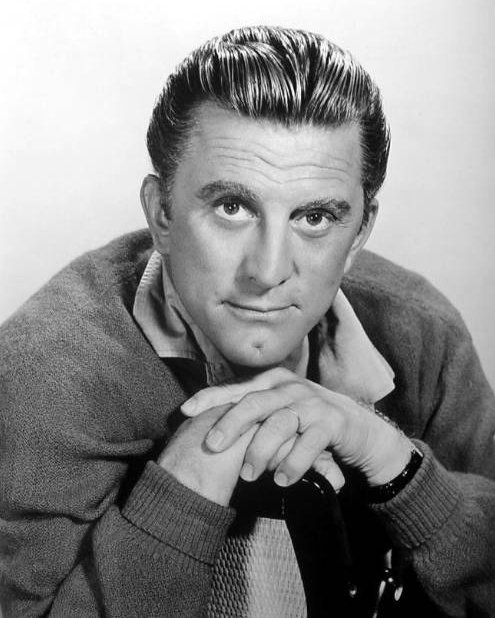
7. Kirk Douglas said his original name felt impossible for Hollywood
Kirk Douglas was born Issur Danielovitch, the son of Russian Jewish immigrants. He later explained that the name felt too difficult and too visibly Jewish for the era he entered. Looking back, he admitted he wished he had kept it, saying, “I wish I had kept it.”
His story fits a wider pattern among Jewish performers in earlier decades, when anglicized names were often treated as basic career equipment. That pattern also reflects a larger American habit beyond Hollywood: many immigrants and their children changed names on their own because it seemed practical for work and social acceptance, not because officials did it for them. The old Ellis Island myth has been widely challenged, with names were not changed at Ellis Island documented by immigration records research. In other words, many of these changes came from social pressure closer to home.
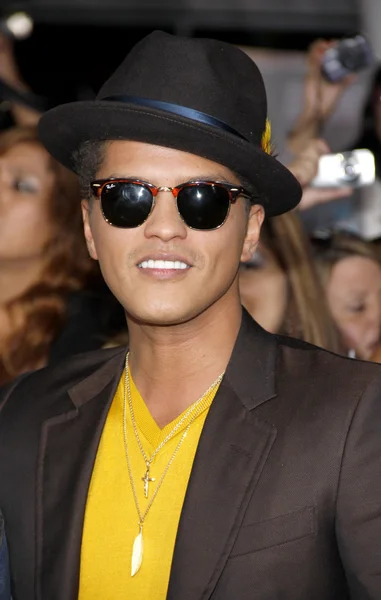
8. Bruno Mars saw “Hernandez” trigger instant assumptions
Born Peter Gene Hernandez, Bruno Mars has said industry figures pushed him toward Spanish-language music because of his last name. In a 2013 interview, he recalled hearing, “Your last name’s Hernandez, maybe you should do this Latin music, this Spanish music.” He instead leaned into a stage name built from a childhood nickname and a larger-than-life persona, with his last name treated as a problem when he arrived in Los Angeles.
That choice let him avoid being marketed into a single lane. His career later became defined by stylistic flexibility, which makes the early pressure to narrow him seem even more revealing.
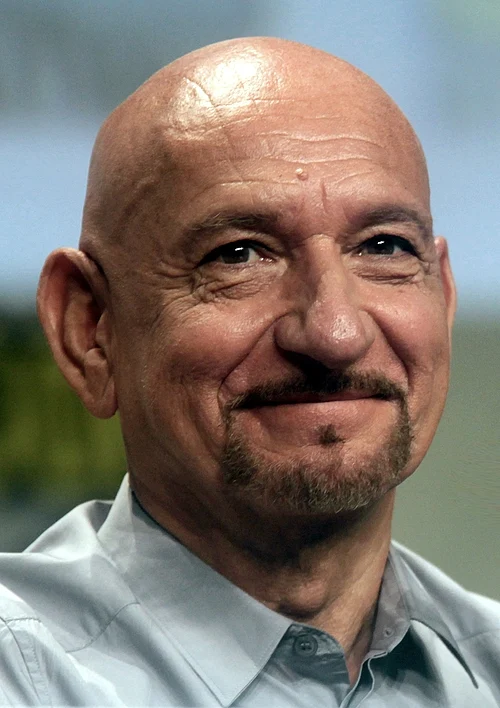
9. Ben Kingsley feared his birth name would limit the roles he could even see
Ben Kingsley was born Krishna Pandit Bhanji. With an Indian father and an English mother, he worried that his name would prevent him from being considered broadly in British and American acting circles. He created a stage name connected to family nicknames, but one that sounded far more familiar to the gatekeepers of the time.
His later success can make the change seem inevitable, but the underlying issue was access. The concern was not whether audiences would love the work after seeing it. The concern was whether a visibly South Asian name would keep him from being invited into the room at all.
These stories are about more than celebrity trivia. They show how often the entertainment business has treated identity as something to edit before talent could be judged. Some stars kept the new name. Some reclaimed the old one. Either way, the pattern is hard to miss: for many performers, the first role they were asked to play was a version of themselves that looked safer on a casting sheet.

