
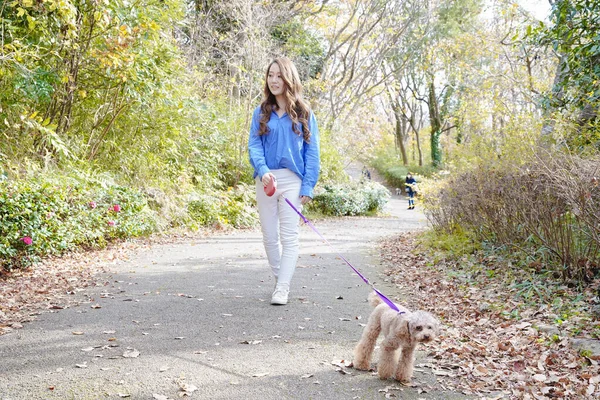
A dog walk can look perfectly ordinary from the outside: leash clipped, route familiar, pace steady. But trust is not built by routine alone. It is shaped by what happens in the small moments between one end of the leash and the other.
Dogs rely on walks for more than exercise and bathroom breaks. They use them to gather information, regulate energy, and read the world through scent. When that experience becomes too rushed, too controlling, or too unpredictable, the relationship can begin to fray in subtle ways.
1. Rushing past every interesting smell
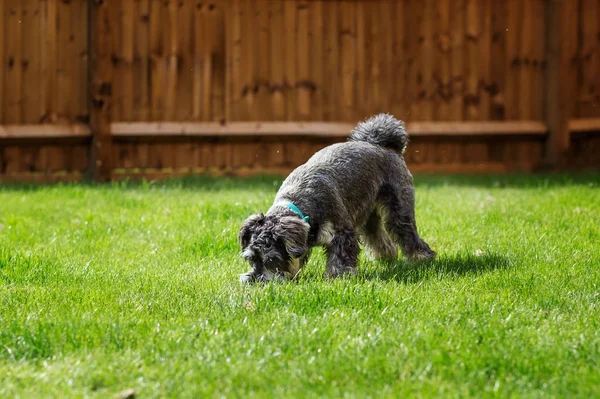
For dogs, sniffing is not a distraction from the walk. It is often the point of the walk. Their brains are built to process scent at a remarkable level, with approximately 40 times more brain volume devoted to decoding smells than humans use for the same task. When a person repeatedly tugs a dog away from every patch of grass, tree base, or hedge, the message is simple: the dog’s way of understanding the world does not matter here. That can create frustration, but it can also chip away at cooperation. Animal Humane Society’s Lauren Fries said, “Giving dogs the opportunity to sniff can be just as enriching as physical exercise and is an important part of providing well-rounded enrichment for your dog.”
2. Treating every walk like a marching drill
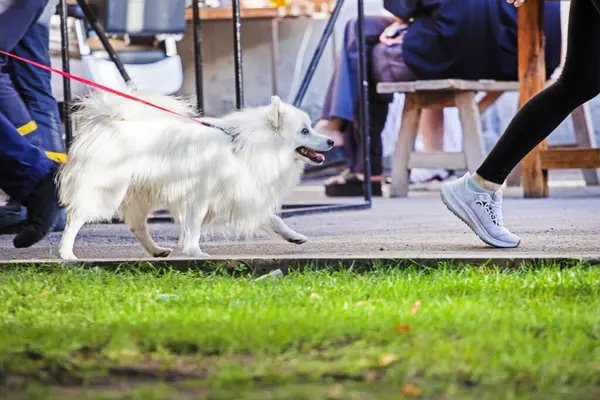
Walks that demand a constant heel, a short leash, and no freedom to explore can become stressful rather than restorative. Dogs need guidance, but they also need room to move, observe, and make small choices. Chewy’s behavior guidance notes that forcing a dog to maintain a strict heel with no opportunity to sniff can turn a recreational outing into something joyless. Trust grows when structure feels fair. It weakens when every outing feels like a prolonged correction session.
3. Correcting leash pulling with force instead of clarity
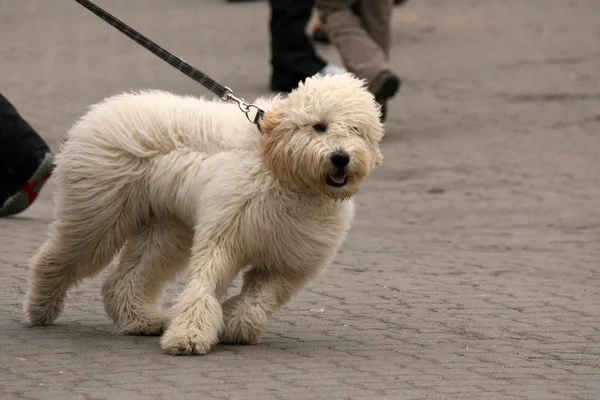
Dogs do not automatically understand why leash tension leads to sudden jerks, collar corrections, or angry reactions. PetMD’s discussion of trust points out that repeated collar correction when a dog pulls during a walk can signal a relationship problem rather than solve one. A dog that learns the leash predicts discomfort may still walk forward, but the emotional tone changes. The walk becomes something to endure. Consistent, calm training and clear reinforcement preserve far more trust than physical punishment ever can.
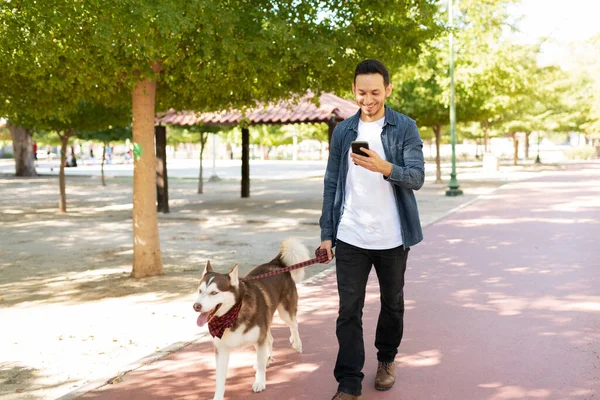
4. Being physically present but mentally elsewhere
Phone-focused walking can quietly damage the shared nature of the outing. A dog may be at the other end of the leash, but not truly with the person holding it. That matters because trust is reinforced through attention: noticing when the dog checks in, slows down, hesitates, or does something well. Walk advice from both PetMD and Chewy emphasizes staying engaged rather than scrolling. A dog who is ignored on walks misses feedback, support, and the sense that the human is participating in the experience too.
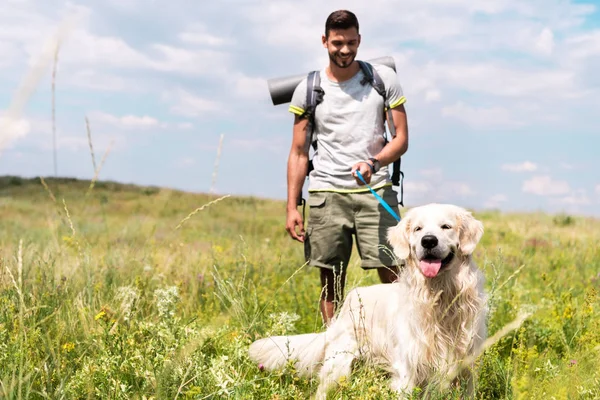
5. Never letting the dog choose anything
Dogs live with very little control over daily life. Meals, doors, schedules, and access are usually decided for them. Walks are one of the few places where small choices can help balance that dependence. PetMD recommends giving dogs autonomy in practical ways, such as letting them choose the path or decide how long they sniff a particular spot. Those moments are not indulgent. They show the dog that communication works and that the human is willing to listen.
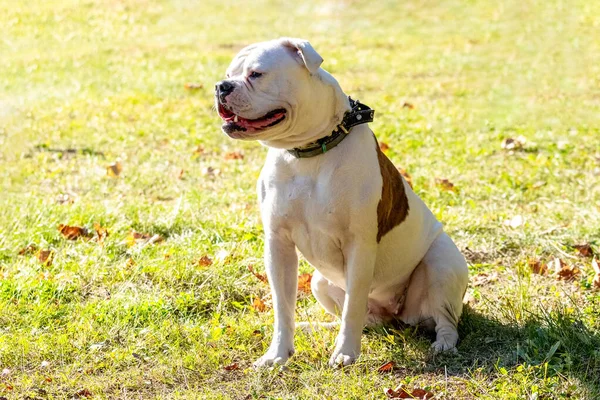
6. Yelling when the dog gets overstimulated
Walks can flood dogs with information: other dogs, moving cars, unfamiliar people, wildlife scent, noise, and changing weather. When a dog hits a threshold and the human responds by shouting, trust can drop quickly. PetMD states plainly that making a habit of yelling at a dog can erode the bond. Dogs do not become more secure because a voice gets louder. They become more uncertain about whether the person beside them is a source of safety.
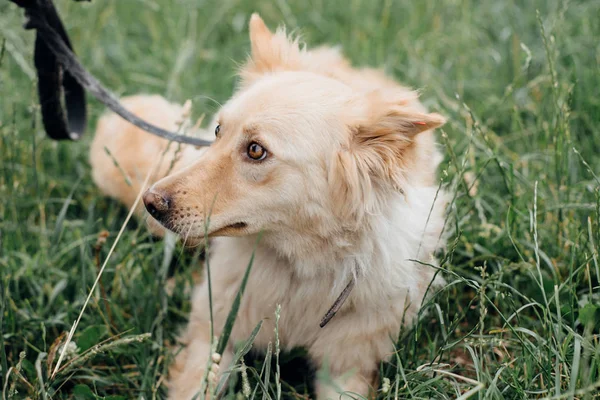
7. Ignoring signs that the dog feels uneasy
A trusting dog often shows soft body language and looks to a familiar person for support. A dog who stiffens, ducks away, slows down, or scans the environment may be asking for help long before barking or lunging begins. When those early signals are missed, the dog learns that discomfort goes unanswered. Over time, that can reduce the tendency to check in and increase the need to handle stress alone. On a walk, trust often looks quiet: a glance back, a softened body, a willingness to keep going because the dog feels understood.
8. Expecting exercise to matter more than enrichment
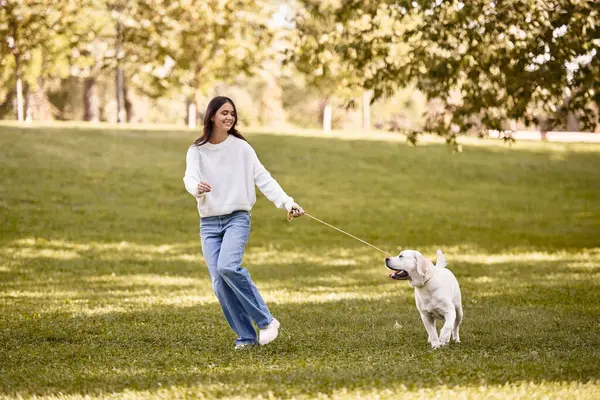
Many people start a walk with two goals in mind: elimination and movement. Those needs matter, but scent work and mental stimulation matter too. PetMD notes that scent walks shift the focus from distance covered to odors logged, and that change can dramatically affect a dog’s well-being. Baypath Humane Society goes further, describing sniffing as a major mental workout and citing the idea that 15 to 20 minutes of sniffing can equal around an hour’s walk.
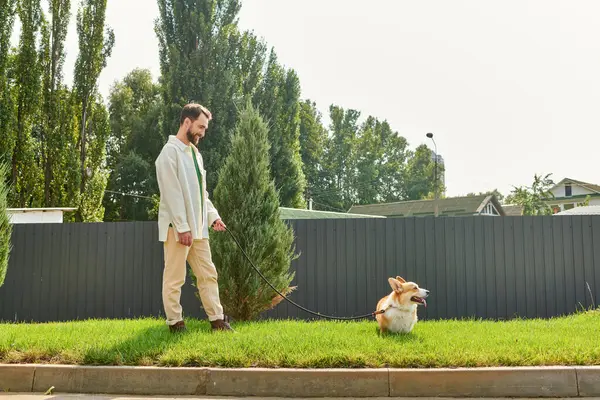
When every outing is measured only by speed or steps, the dog’s actual needs may be left unmet. Trust on walks rarely disappears all at once. It is more often worn down by tiny patterns: hurry here, no there, stop that, move on. None of those moments seem dramatic on their own. But dogs notice patterns. A walk that includes patience, attention, and room to sniff tells a dog that the person holding the leash is not just in charge, but also worth relying on.

