
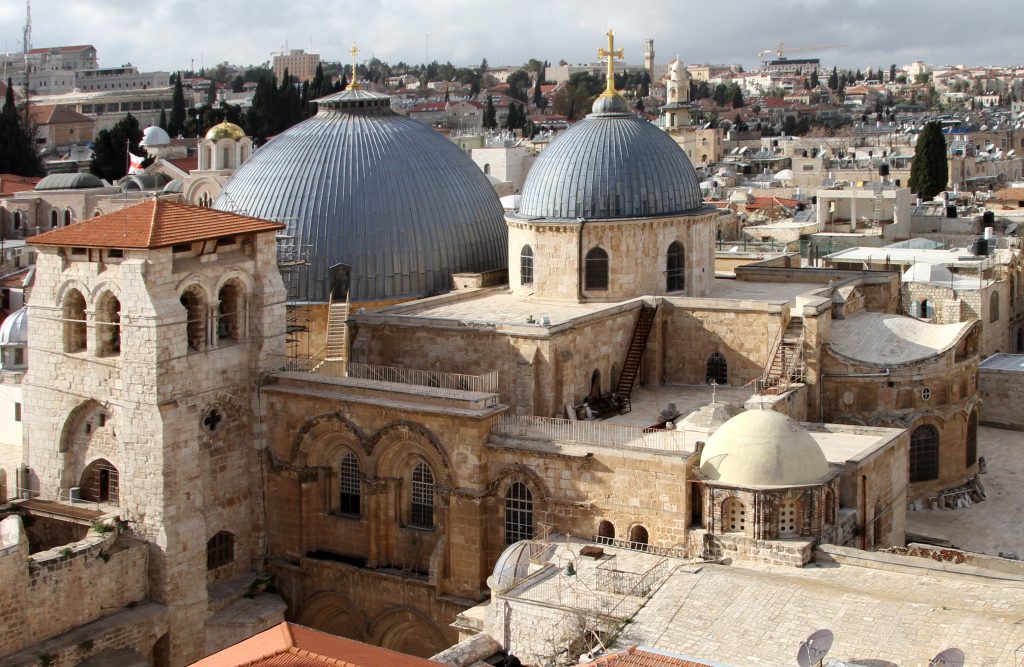
For many readers of the Gospel of John, the garden beside Jesus’ tomb has long lived more as sacred imagery than as recoverable landscape. Excavations beneath Jerusalem’s Church of the Holy Sepulchre are beginning to shift that picture from symbol toward terrain.
Beneath the church floor, archaeologists have identified ancient plant traces, quarry layers, tomb use, and cultivated soil that together suggest a more textured setting than the simplified scenes often imagined in religious art. The result is not a final proof of belief, but a deeper portrait of place.
1. Olive and grape remains point to cultivated ground
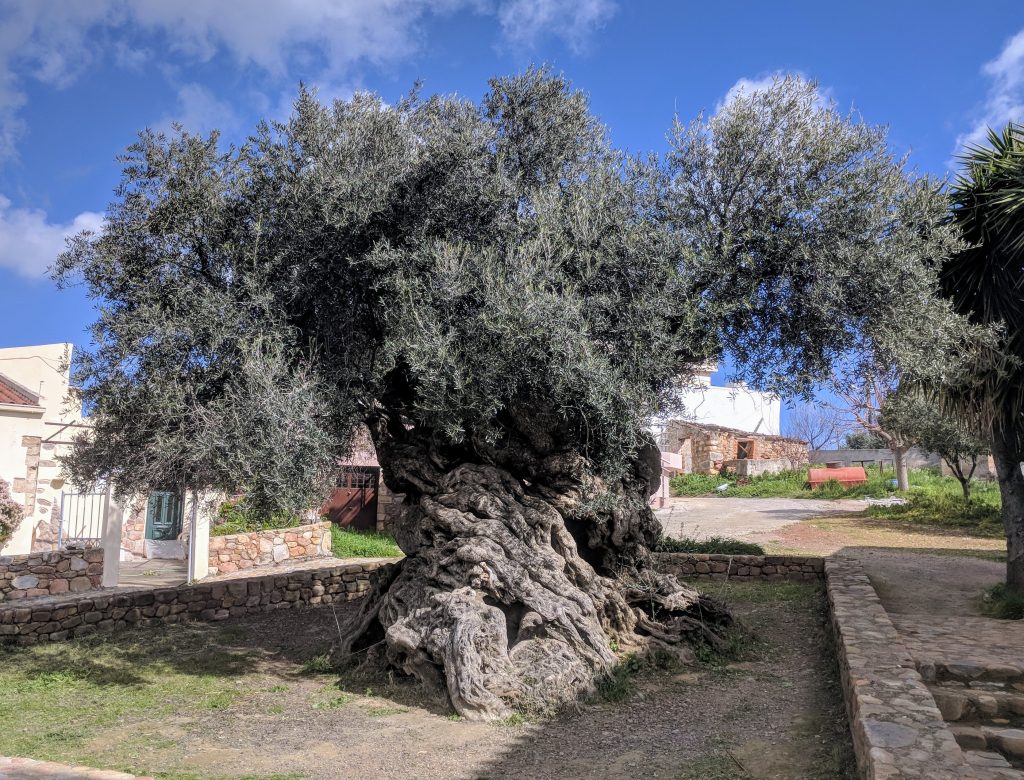
The most arresting finds are the seeds and pollen of olive and grape plants found in layers below the basilica floor. According to excavation reports, the remains were recovered through olive and grape pollen and seeds dating back approximately 2,000 years, giving the discussion a botanical anchor instead of a purely textual one. These are not decorative details. In archaeobotany, plant remains can reveal how land was used, whether an area was wild, cultivated, or altered over time. At the Holy Sepulchre, the evidence suggests managed growth rather than an undefined patch of greenery.
2. The “garden” looks more like working agricultural space
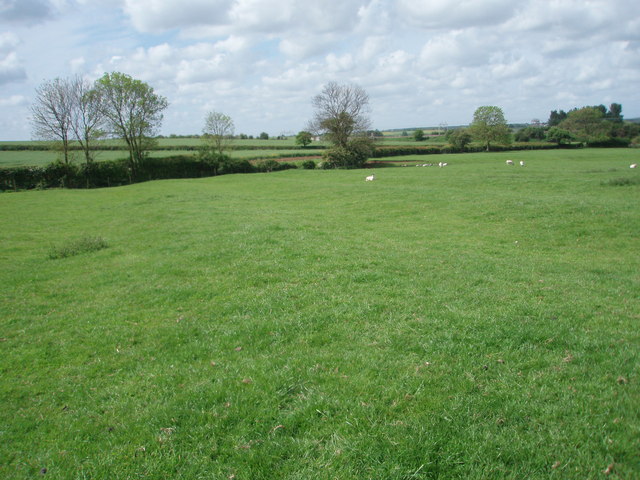
The emerging picture is less like a lush enclosed park and more like a practical cultivated zone on the edge of an ancient city. Reference material describes low walls, soil layers prepared for planting, and agricultural use after quarrying had ended. That matters because it reframes the word garden. In a first-century Jerusalem context, a garden near a tomb may have been a productive landscape of vines, olives, and terraced plots, not an ornamental refuge separated from daily labor.
3. The site had already lived several lives before the church was built
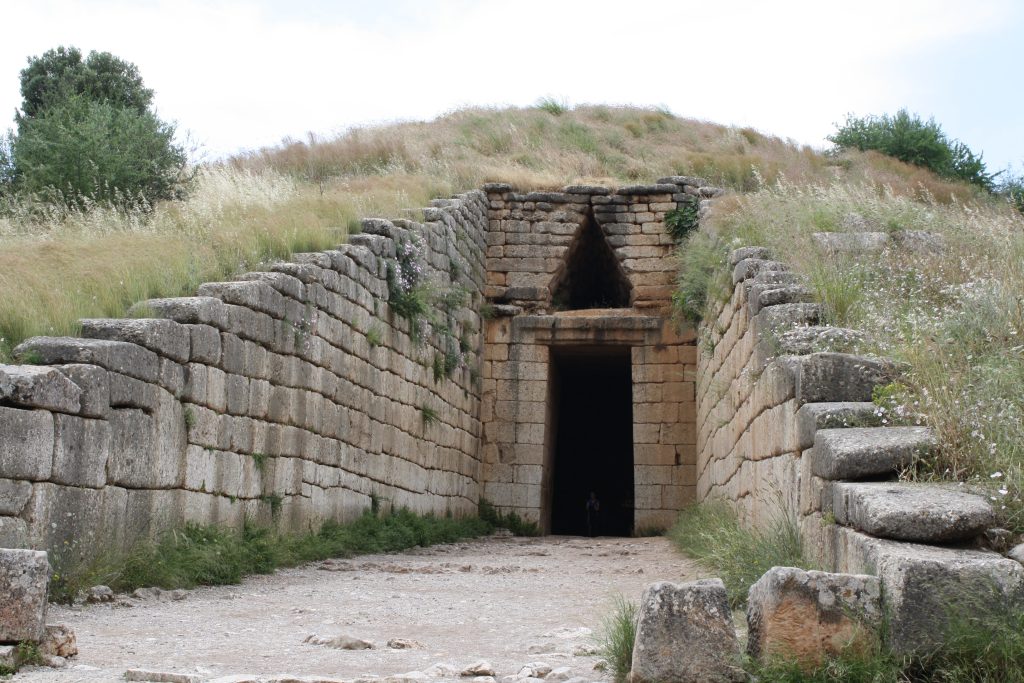
One reason the discoveries are so compelling is that the land beneath the church was never just one thing. Archaeologists describe a sequence that begins with quarrying, then moves into cultivation, and later into burial use. That layered history helps explain why tombs could exist alongside worked ground. It also shows how ancient Jerusalem expanded through adaptation rather than neat planning. Rock was cut out, open areas were repurposed, and the same terrain acquired new meanings over generations. By the time Christian memory fixed on the place, the landscape already carried traces of labor, death, and transition.
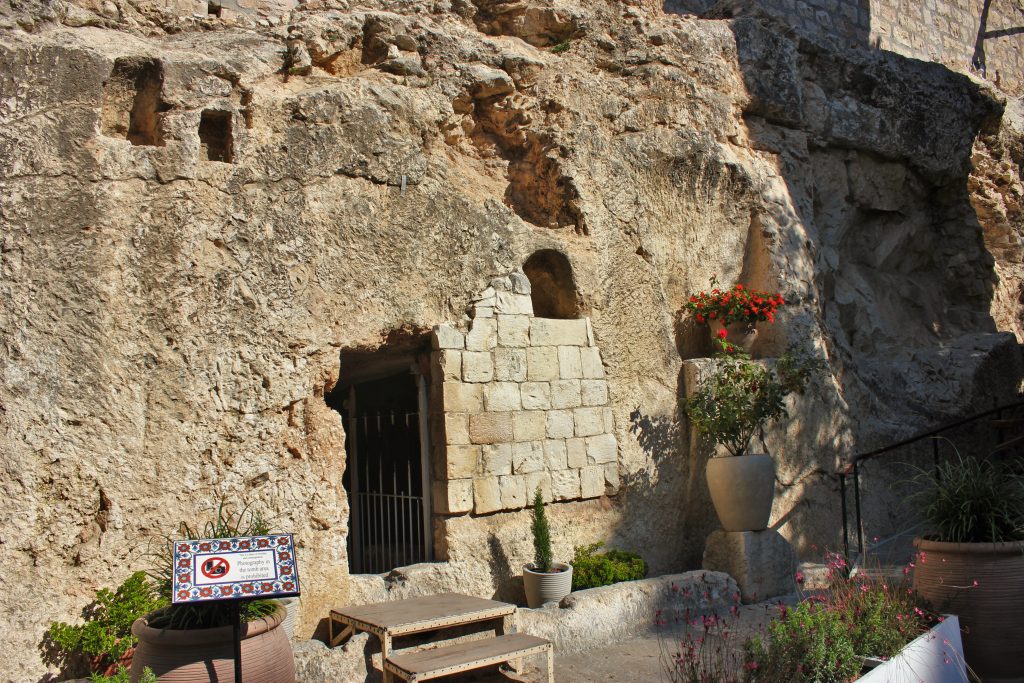
4. John 19:41 is being read as topography, not only theology
The line most often associated with the discovery is John 19:41: “Now in the place where He was crucified there was a garden, and in the garden a new tomb where no one had ever been laid.” The current excavation does not settle every historical question, but it does encourage readers to treat that description as a geographical note as well as a spiritual one. Professor Francesca Romana Stasolla said, “The archaeobotanical findings have been especially interesting for us, in light of what is mentioned in the Gospel of John.” Her comment places the emphasis on correspondence between text and physical setting, not on collapsing archaeology into devotion.
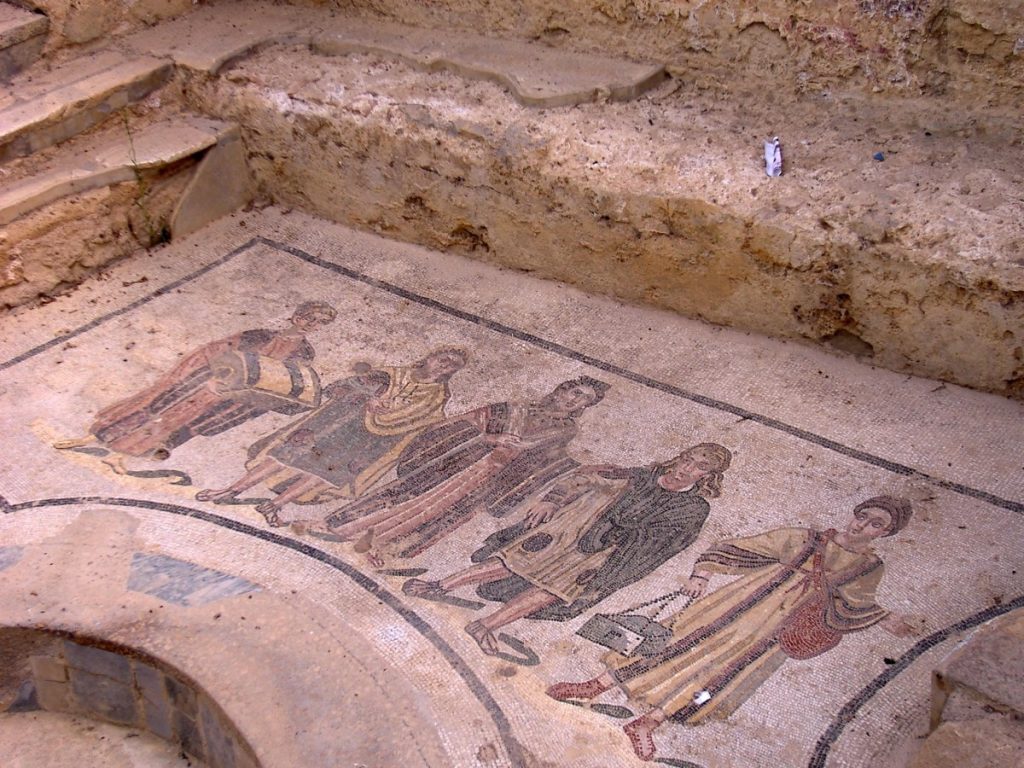
5. The church floor is hiding a rare archaeological archive
The excavation became possible because church authorities approved a major floor restoration. Work agreed in 2019 and begun during the renovation opened access to layers that had been difficult to examine in such a complex, active shrine. The project has been described as the most extensive archaeological excavation at the Church of the Holy Sepulchre in nearly 200 years. That scale gives unusual weight to even small finds, because they are being interpreted within a broader map of the entire site.
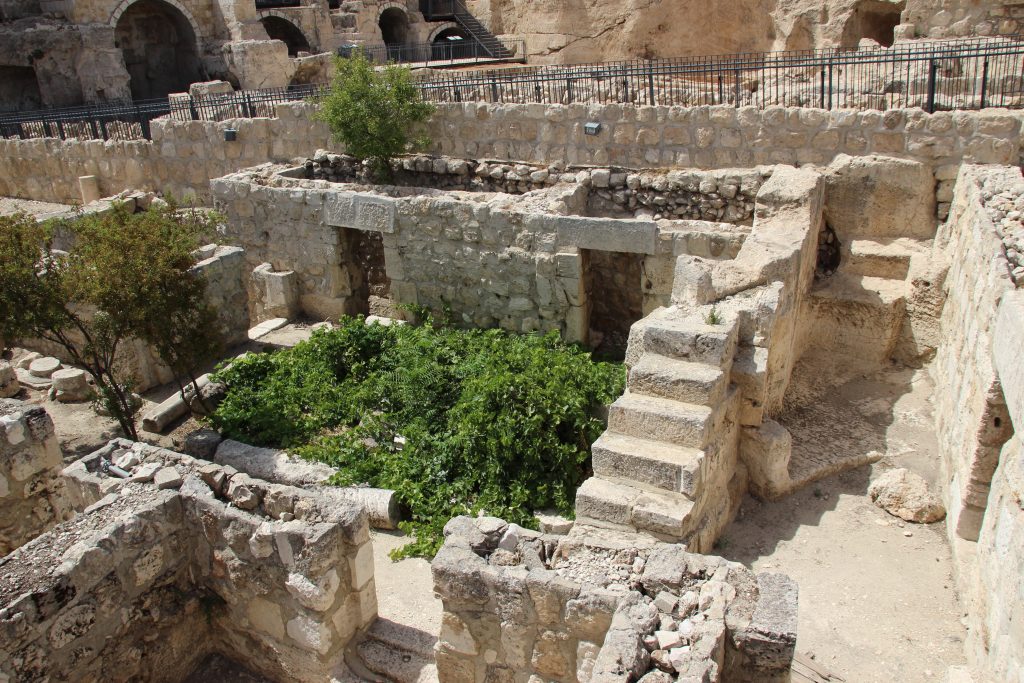
6. Technology is rebuilding what excavation cannot fully expose
Because the church remains open and excavation must proceed in segments, researchers cannot simply uncover the whole area at once. Instead, they are combining physical digging with digital reconstruction. Stasolla explained, “While we have not been able to see the entire church excavated in one glance, new technologies are allowing us to reconstruct the bigger picture in our labs.” Tools such as ground-penetrating radar and 3-D mapping help connect separate trenches into a coherent landscape.
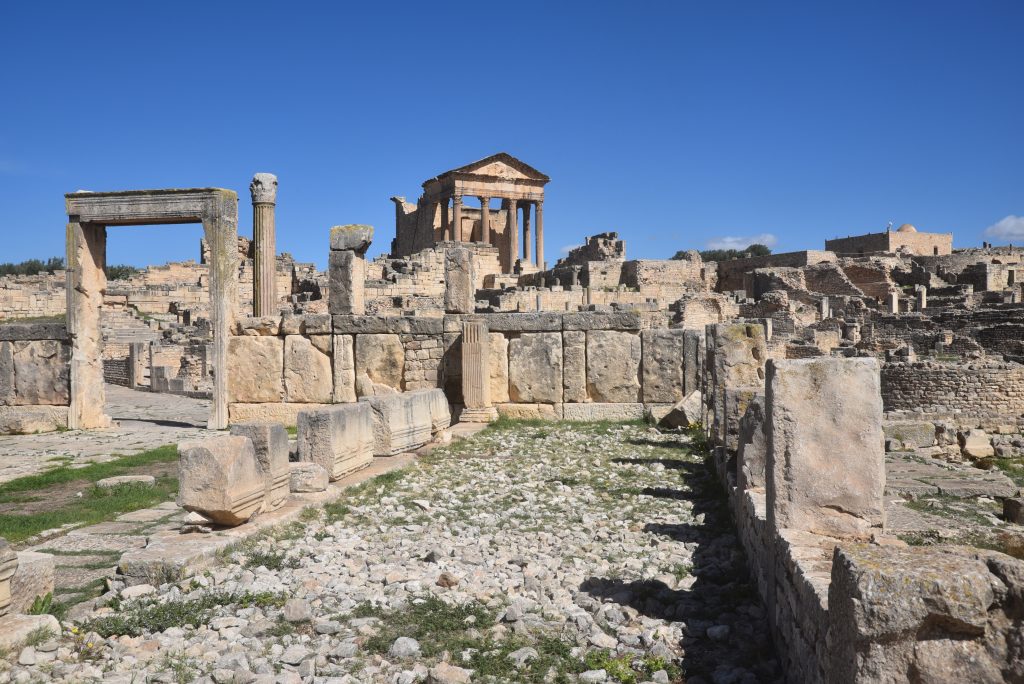
7. The land was likely outside the city in Jesus’ time
Another detail reshaping the mental image is the site’s position relative to ancient Jerusalem. Several references note that the area was probably beyond the city’s settled limits in the first century, before later Roman rebuilding absorbed it into the urban fabric. That edge-of-city setting makes the combination of quarry, cultivation, and tombs easier to understand. Places used for extraction and burial commonly sat outside dense habitation, where land could shift from industrial use to agricultural and funerary purposes.
8. The excavation is about memory as much as material
The discoveries have not ended debate over the exact location of Jesus’ burial, and the excavation team has been careful about that distinction. Stasolla said, “Whether someone believes or not in the historicity of the Holy Sepulchre, the fact that generations of people did is objective.” That statement gives the site a second importance. It is not only a place of possible first-century activity, but also a place where centuries of Christian remembrance shaped architecture, ritual, and preservation.
The garden question therefore touches both ancient land use and the long human habit of returning to sacred ground. The seeds beneath the Holy Sepulchre do not create a cinematic scene. They produce something more demanding: a rougher, truer landscape of stone, cultivation, tombs, and time. In that landscape, the garden beside the tomb appears less like a painted backdrop and more like a lived environment, one that included remains of olive trees and grapevines and still carries the layered memory of Jerusalem beneath its floor.

