

One defining role can make an actress instantly recognizable. It can also become the part that shadows everything that follows. Hollywood careers rarely move in a straight line, and for actresses in particular, breakout fame has often come with an uncomfortable second act: typecasting, vanished momentum, studio misfires, public scrutiny, or a deliberate step away from the machine. The names below became inseparable from one role or one era, even as their careers kept evolving in quieter, stranger, or more selective directions.
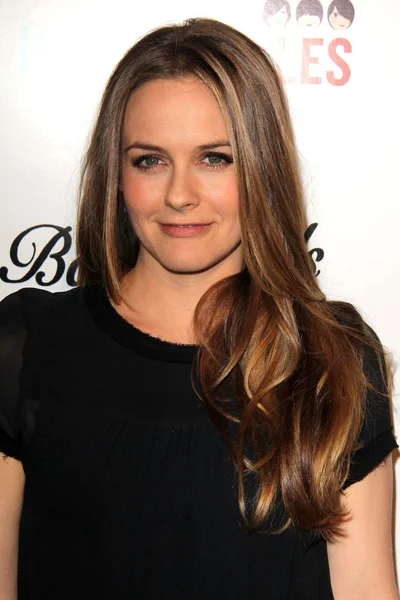
1. Alicia Silverstone
Clueless turned Alicia Silverstone into a cultural landmark of the 1990s. Cher Horowitz was funny, polished, quotable, and everywhere, which gave Silverstone a level of instant visibility that few young actresses ever reach. The problem was not work disappearing altogether. It was that later films never matched the same grip on popular culture, even as she continued acting in movies, television, and theater. A breakout this beloved can become its own comparison trap, with every later project measured against a role the audience never stopped replaying.
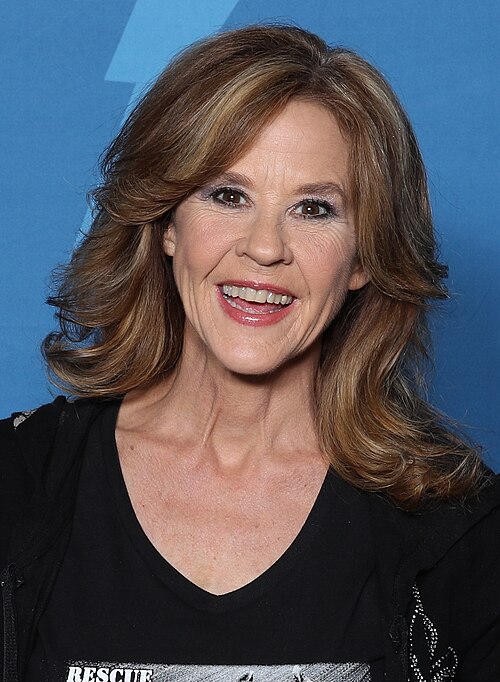
2. Linda Blair
For many performers, a legendary debut would be a dream. For Linda Blair, The Exorcist also became a template Hollywood kept trying to reuse. After becoming central to one of cinema’s most enduring horror touchstones, her later career often circled back to thrillers and genre parts, reinforcing the kind of typecasting that can narrow an actress’s options for years. She remained steadily employed and later became deeply identified with animal welfare work, but mainstream visibility outside the horror lane proved harder to reclaim.
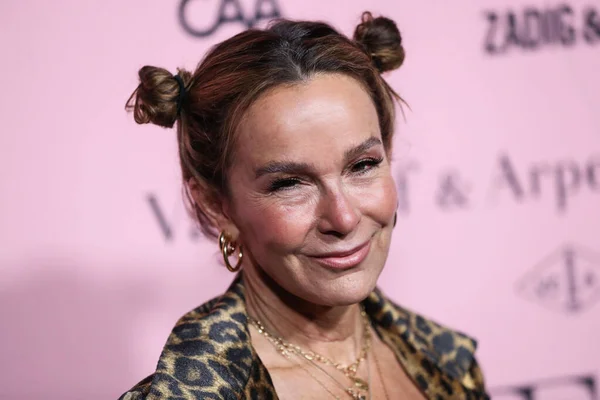
3. Jennifer Grey
Dirty Dancing made Jennifer Grey feel permanently attached to a single moment in movie history. Baby was not just a hit character; she became part of the romantic iconography of the late 1980s. What followed was more complicated. Grey has spoken candidly about how a rhinoplasty altered both her appearance and the public’s recognition of her, writing, “Overnight I [lost] my identity and my career.” The quote remains one of the starkest descriptions of how fragile celebrity can be when an audience feels attached not only to a performance, but also to a face. She continued working in television, film, and later memoir writing, yet the afterimage of Dirty Dancing stayed far larger than the roles that came next.

4. Heather Donahue
The Blair Witch Project made Heather Donahue famous in one of the strangest ways possible: through a phenomenon that blurred performance, marketing, and mass obsession. The film’s success was so outsized that a conventional follow-up career was always going to look smaller by comparison. She acted afterward, but eventually left the profession and moved toward writing and other work outside Hollywood. Her story stands apart because the slowdown was not only about industry indifference. It was also about the limits of sustaining fame that arrives through a once-in-a-generation cultural frenzy.

5. Mischa Barton
The O.C. transformed Mischa Barton into a defining face of early-2000s teen television. Marissa Cooper carried all the ingredients of fast celebrity: glamour, tabloid attention, and a fandom that treated the show as weekly ritual. After leaving the series, Barton kept working across independent films, international productions, television, and stage work, but the projects were far less central to the culture than the role that introduced her. Her career illustrates how teen-drama fame can be enormous yet strangely narrow, especially once the industry starts chasing the next generation of ingénues.

6. Megan Fox
Transformers made Megan Fox globally famous almost overnight, but blockbuster visibility did not guarantee a stable rise. Subsequent films landed unevenly, and public discussion around her career often became entangled with scrutiny that extended beyond the work itself. She stayed active in action films, thrillers, comedies, and television, yet her trajectory became a case study in how quickly a major studio launch can turn complicated. In an industry long criticized for how it handles young actresses, a breakout at that scale can create exposure without much protection.
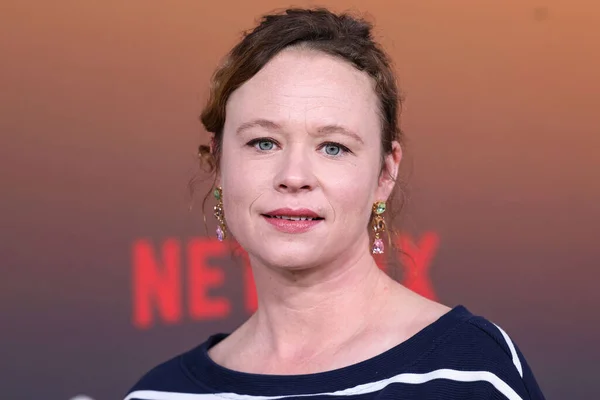
7. Thora Birch
American Beauty brought Thora Birch serious attention at a moment when she seemed poised for a long run of high-profile roles. Instead, the years that followed were marked by independent films, delayed projects, and a release pattern that felt scattered rather than commanding. She never disappeared, but the momentum expected after an acclaimed performance did not fully consolidate into mainstream stardom. That gap between promise and positioning is one of Hollywood’s oldest patterns.

8. Rachael Leigh Cook
She’s All That gave Rachael Leigh Cook one of the most durable teen-movie calling cards of the late 1990s. The film made her a familiar lead, but not necessarily the kind of studio priority that guarantees an A-list runway. Later work leaned toward independent features, voice acting, and television movies, a body of work that was steady rather than loudly celebrated. Her path shows that continuing to work and becoming synonymous with one old hit are not contradictory realities. In Hollywood, they often coexist.
9. Leelee Sobieski
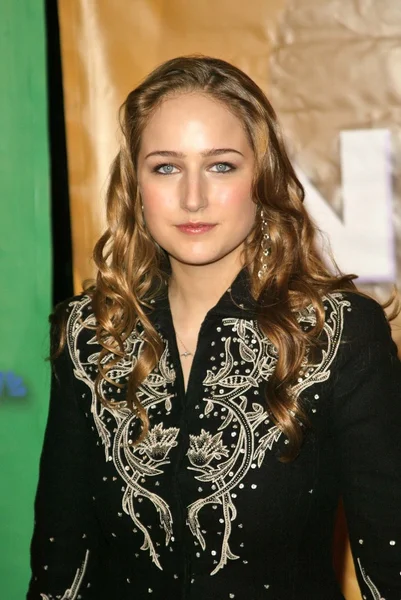
Leelee Sobieski drew early attention in projects such as Eyes Wide Shut and Joan of Arc, and for a time seemed built for a long, visible career. Instead, she gradually reduced her on-screen work and eventually turned toward visual art. Her shift belongs to a broader pattern seen in performers who stop chasing visibility altogether. As many actors have stepped away from the screen, the public often reads absence as failure when it is sometimes simply redirection. In Sobieski’s case, the disappearance from mainstream acting was real, but so was the new creative life that followed.
10. Phoebe Cates
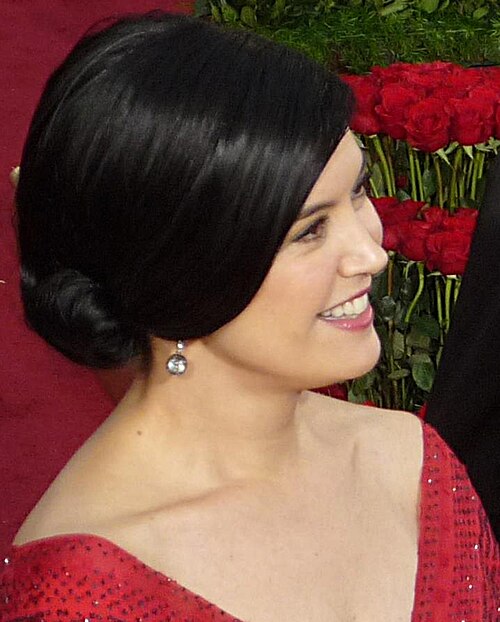
Phoebe Cates became an emblem of 1980s screen fame through films including Fast Times at Ridgemont High and Gremlins. Then she largely stepped back. Rather than pushing to maintain constant visibility, she focused on family and later business, including a boutique in Manhattan. Her career did not collapse in a dramatic public way; it simply receded. That quieter kind of withdrawal can look unusual in an industry that treats nonstop exposure as proof of relevance.
What links these actresses is not a single explanation. Some were boxed in by genre expectations, some were outpaced by changing studio priorities, and some made deliberate exits that left the public clinging even harder to the role that made them famous. Breakout fame still works like a spotlight with a long memory. It can introduce an actress to millions, but it can also freeze her in place long after the cameras move on.

