
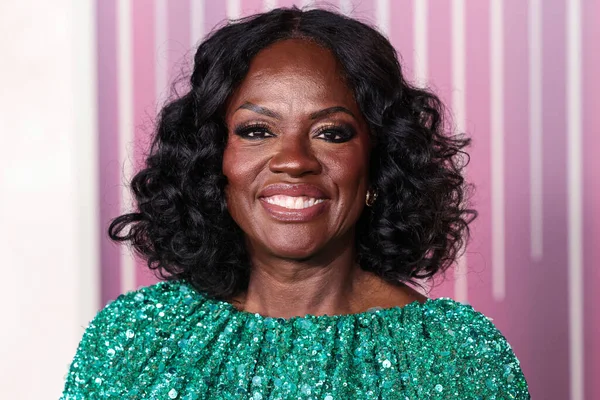
Hollywood has long known what to do with a young leading man. Its imagination has been far less generous with women once they pass the age when romance is supposed to be their main storyline. For Black actresses, that narrowing has often arrived even faster. Yet the more revealing story is not simply that love-interest roles became scarce.
It is how a generation of performers turned that industry habit into something larger: queens, judges, mothers, power brokers, avengers, mentors, and women whose gravity no longer depends on who stands beside them. These actresses did not disappear when the scripts changed. They changed the meaning of center stage.
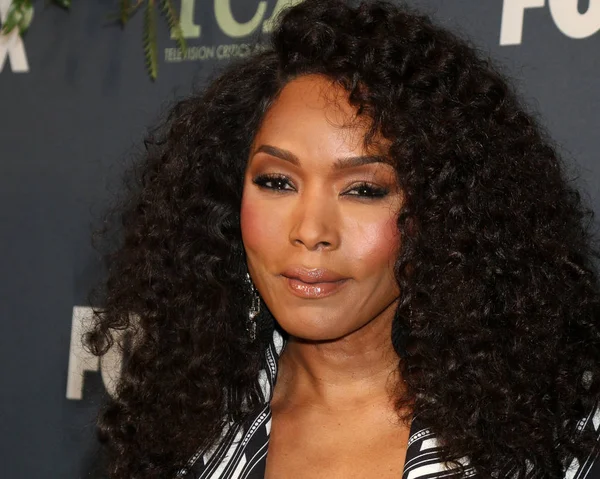
1. Angela Bassett
Angela Bassett first electrified audiences in roles charged with glamour, desire, and force, including her Oscar-nominated turn in What’s Love Got to Do with It. Later, Hollywood increasingly met her presence with crowns, command, and authority. As Queen Ramonda in Black Panther, she became the emotional and political anchor of a global franchise, a shift that said as much about the industry as it did about her range. Her career never shrank. It simply hardened into stature. Bassett’s screen life now often revolves around power, legacy, and survival rather than courtship, turning a familiar Hollywood limitation into a more formidable kind of leading role.
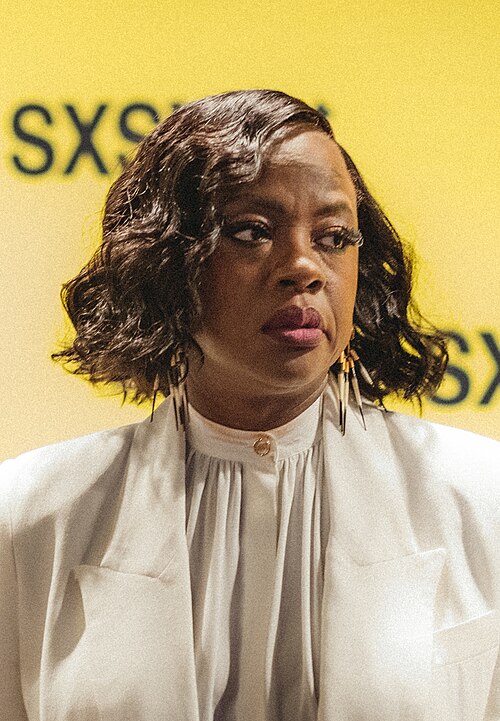
2. Viola Davis
Viola Davis offers one of the clearest examples of what happens when an actress outgrows the industry’s narrowest idea of desirability and becomes undeniable on other terms. Her résumé now sits in rarified air: the Triple Crown of Acting and EGOT. By the time she played Annalise Keating, romance was no longer the headline. Intellect, fury, ambition, and vulnerability were. That pattern continued through Fences, Widows, and The Woman King. Davis has spoken directly about the limits placed on Black actresses and the kinds of “range” often expected of them. Her later career has not been a retreat from desirability but a redefinition of what female centrality can look like on screen.
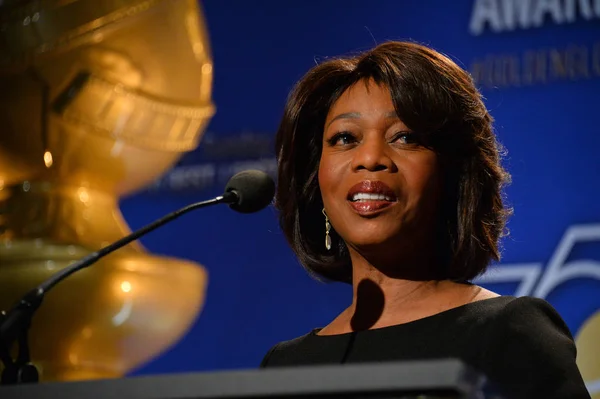
3. Alfre Woodard
Alfre Woodard has spent decades doing what prestige television and serious film increasingly require: becoming the moral weather of a story. Earlier projects like Passion Fish and Love & Basketball showed her within warmer, more close emotional frames. More recent work has cast her as the conscience, strategist, or steel spine of an ensemble. That move reflects a larger industry pattern. Stories about older romance remain strikingly scarce; one survey of films featuring older stars found the field was “few and far between”. Woodard’s longevity exposes that shortage while also proving how much richness Hollywood finds when it finally writes beyond flirtation.
4. Regina King
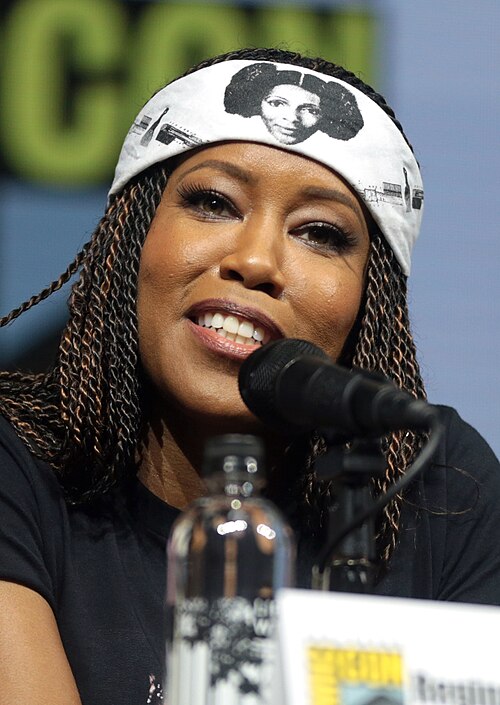
Regina King’s evolution has been especially sleek because it has never felt like surrender. Audiences first met her in youthful, emotionally accessible roles, then watched her move into harder-edged territory where romance became peripheral and command became the point. Southland, Watchmen, and her directing career all pushed her farther from the old framework. What makes King stand out is that she did not merely age out of one category. She seized authorship beyond it. In Hollywood, that kind of transition often matters more than any single role.
5. Taraji P. Henson
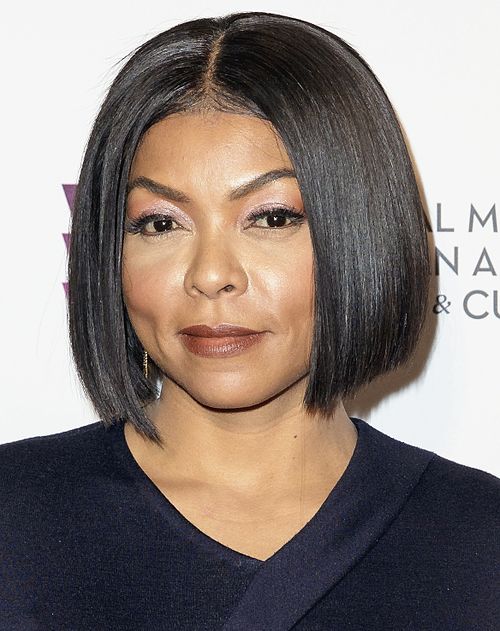
Taraji P. Henson came up through films that often positioned her as the object of desire, the girlfriend, or the woman orbiting male chaos. Then came Cookie Lyon, and the center of gravity changed overnight. Cookie’s appeal was not built on youth or romantic fantasy. It came from swagger, survival, and the thrill of watching a woman run the room. Since then, Henson’s strongest projects have leaned into women of consequence rather than women waiting to be chosen. That shift mirrors a broader correction in screen culture, where audiences have grown increasingly impatient with narrow age-gap casting and with stories that allow older men endless romantic elasticity while women lose visibility after 30. Research cited in a 2025 analysis noted that women’s speaking roles begin to nose-dive post 30, making Henson’s sustained prominence feel even more revealing.
6. Lynn Whitfield
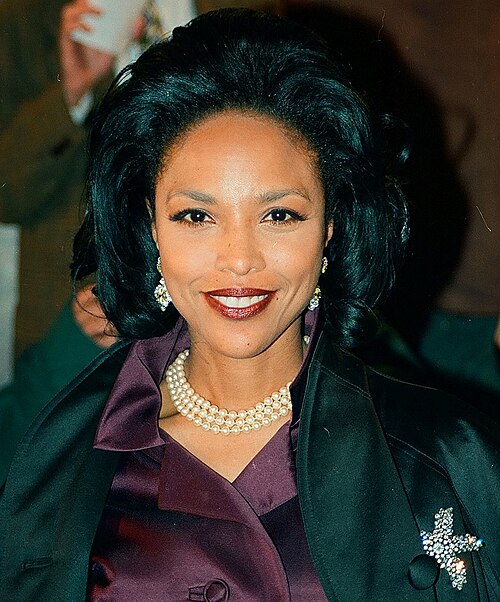
Lynn Whitfield has always had elegance to spare, but her later-career roles discovered something sharper: grandeur with menace. After defining performances in The Josephine Baker Story and Eve’s Bayou, she moved into characters shaped by lineage, family image, and controlled ferocity. On Greenleaf, that energy found a near-perfect home. Whitfield’s mature roles often trade romantic focus for dynastic power. Hollywood may have reduced the love-interest lane, but it handed her a different weapon: the ability to dominate a scene without asking for sympathy.
7. Phylicia Rashad
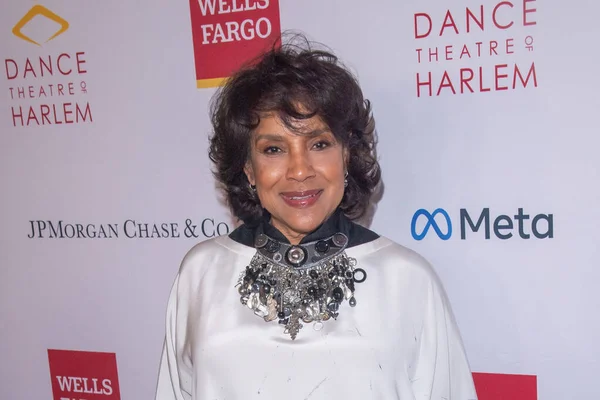
Phylicia Rashad’s screen image once rested on poise so polished it almost disguised how radical it was. As Clair Huxtable, she helped define elegance, and adult partnership for television audiences. Later roles drew increasingly on her authority as mother, mentor, and keeper of family memory. In projects like Creed and For Colored Girls, Rashad became a figure of emotional architecture. The scripts changed, but her importance did not. She remains an actress Hollywood uses when it wants depth to enter the room fully formed.
8. S. Epatha Merkerson
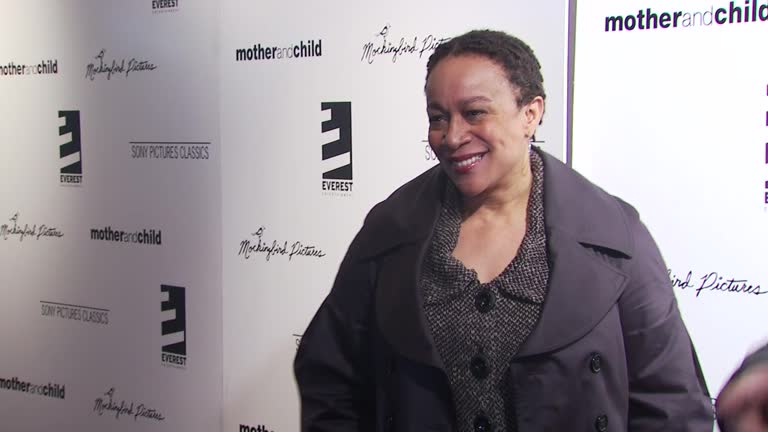
S. Epatha Merkerson followed a path many seasoned Black actresses know well: away from romance and toward institutional power. Her long run as Anita Van Buren on Law & Order fixed her image as a leader under pressure, and later work on Chicago Med extended that quality into another professional sphere. What could have read as typecasting instead became longevity. Merkerson’s screen authority feels earned, not assigned, which is why audiences tend to trust her characters before they speak.
9. Kimberly Elise
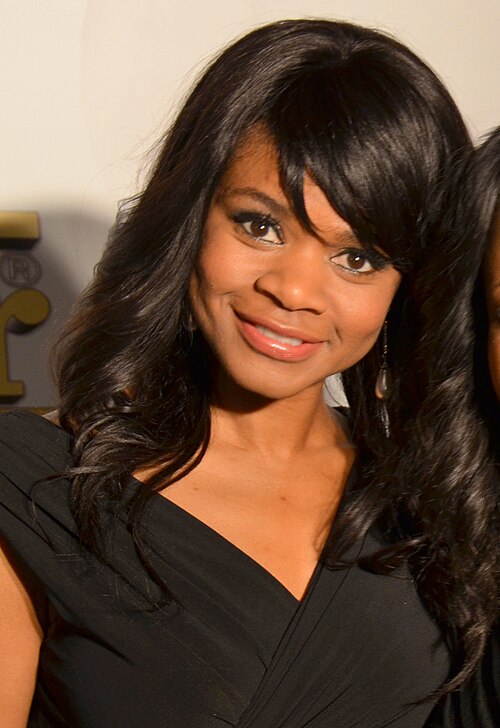
Kimberly Elise brought uncommon emotional intensity to films like Set It Off and Diary of a Mad Black Woman, where vulnerability and romantic pain still had room in the frame. As her career matured, the roles tilted toward mothers, survivors, and elder presences whose interior life mattered more than their appeal to a male lead. That transition can look subtle on paper. On screen, it marks a major shift in how Hollywood sorts women by age. Elise has continued to bring the same seriousness to later roles, even when the industry stopped writing them as overtly romantic.
10. Whoopi Goldberg
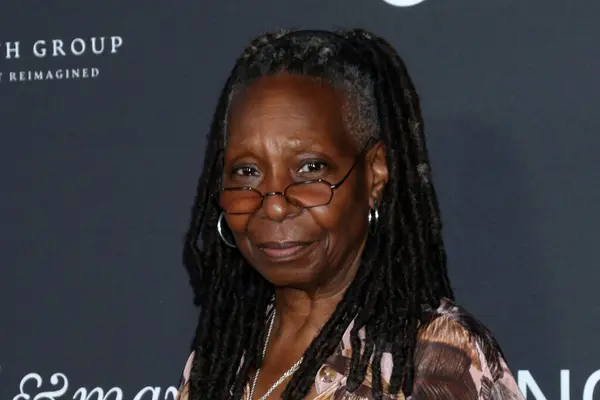
Whoopi Goldberg may be the most singular case on this list because she challenged Hollywood’s romantic template from the beginning. She became a star without fitting the industry’s conventional mold for a leading lady, then built a career on wit, unpredictability, and a style of authority all her own. Even when romance appeared, it was rarely the sole engine of her appeal.
That early refusal made her later transition feel less like an exile than a continuation. From The Color Purple to Ghost to her long public-facing career beyond film, Goldberg expanded the idea of what a Black female star could be before Hollywood was ready to catch up.
The through line here is not decline. It is adaptation under pressure, followed by reinvention. These actresses were handed fewer love-interest scripts, but many of them emerged with something more durable: the ability to define a story through status, intelligence, danger, humor, or history. Hollywood’s romance problem has never been a lack of charismatic women. It has been a lack of imagination. These careers make that impossible to ignore.

