
Celebrity culture has always had a taste for mystery, but social media turned that appetite into a nonstop feedback loop. A rumor, a repost, a half-serious interview line, and suddenly a fringe idea is circulating as entertainment, identity, and personal truth all at once.
That helps explain why conspiracy-adjacent celebrity comments keep landing so loudly. Research has found that people often find conspiracy narratives interesting, exciting, and attention-grabbing, even when the claims themselves are weak or unverified. In entertainment, where public personas already blur performance, belief, provocation, and vulnerability, that mix can become especially combustible.
1. Letitia Wright
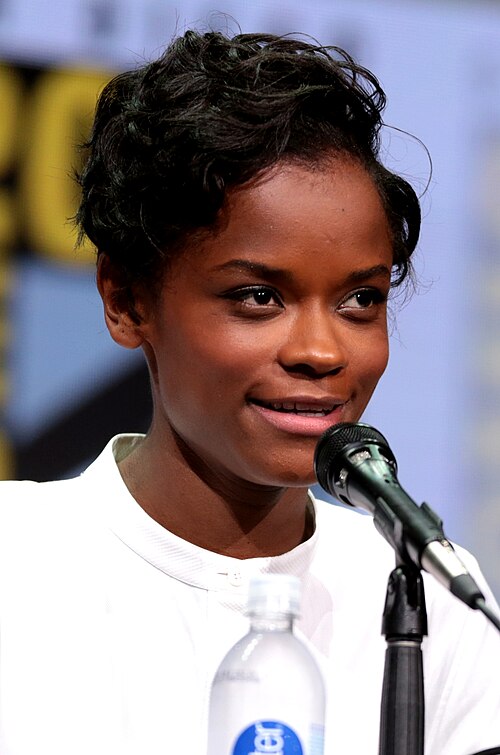
Letitia Wright became a flashpoint after sharing material that questioned COVID-19 vaccines. The backlash was immediate because the issue went far beyond private doubt; it touched public health, influence, and the reach of celebrity platforms. Her posts also drew criticism for echoing skepticism around other scientific topics, which widened the controversy. After defending her right to ask questions, she stepped back from social media for a period. The episode became one of the clearest examples of how a single post can move an actor from fan admiration into a broader culture-war argument.
2. Lisa Bonet
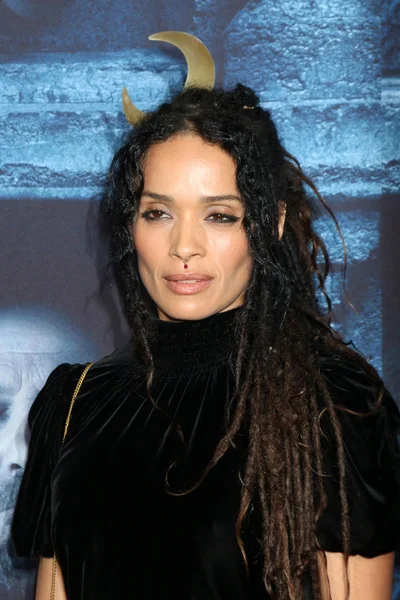
Long before vaccine discourse dominated timelines, Lisa Bonet had already become known for questioning mainstream medical practices. In the 1990s, she publicly voiced concerns about childhood vaccines and long-term health effects, helping place her among the earlier high-profile entertainers associated with vaccine skepticism. Her public image, grounded in natural living and alternative wellness, made those comments feel consistent with her lifestyle rather than like a sudden provocation. That consistency is part of why her remarks endured in public memory.
3. Tiffany Haddish
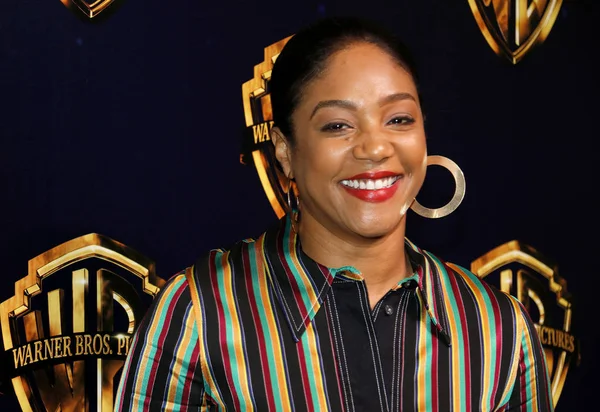
Tiffany Haddish brought a different strain of celebrity conspiracism into view when she discussed cloning in Hollywood. Her remarks about some stars not being the “original” versions of themselves landed in that strange modern zone where humor and belief become difficult to separate. Celebrity replacement theories have circulated online for years, fed by the same culture that kept rumors like Avril Lavigne being replaced by a double alive long after they were debunked. Haddish’s delivery kept the conversation slippery, but it also helped keep the theory in circulation.
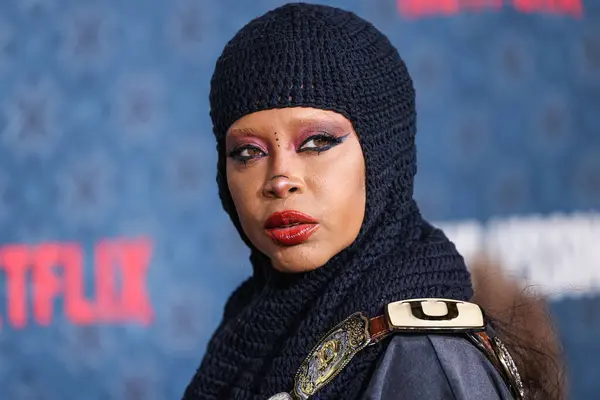
4. Erykah Badu
Erykah Badu’s public persona has long included mysticism, esoteric history, and metaphysical speculation. Her comments about ancient civilizations, hidden knowledge, and extraterrestrial influence fit into a worldview that treats official narratives as incomplete by default. In her case, the appeal is often aesthetic as much as ideological: the mystery is part of the performance. That matters because conspiracy-flavored ideas often travel farther when they feel imaginative rather than overtly combative.
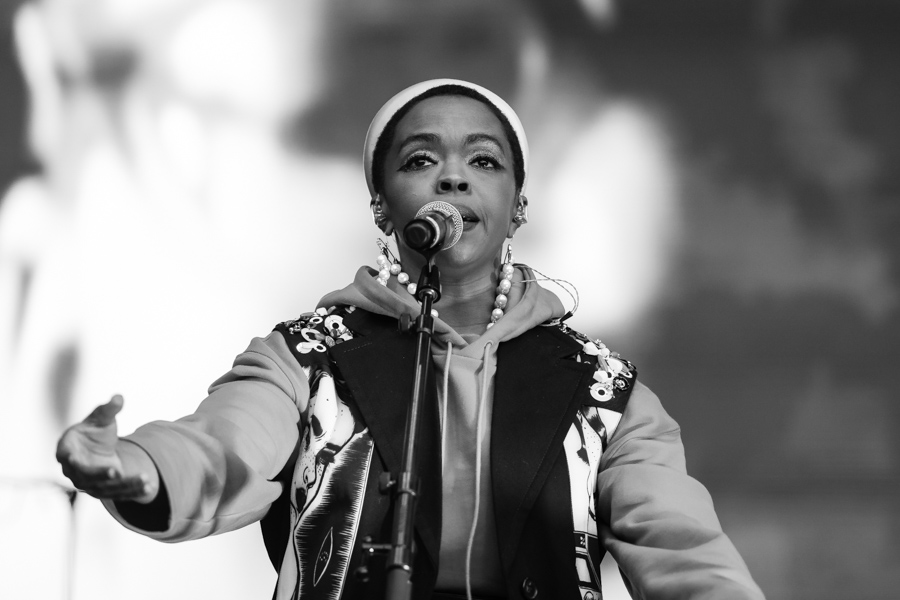
5. Lauryn Hill
Lauryn Hill has spent years describing the entertainment business as manipulative, spiritually corrosive, and structured by hidden agendas. Rather than promoting one viral theory, she has often framed the industry itself as a machine that distorts artists and suppresses truth. That broader suspicion resonates because Hollywood has its own long history of secrecy, gatekeeping, and career sabotage. In Hill’s public language, conspiracy is less a gimmick than a lens.
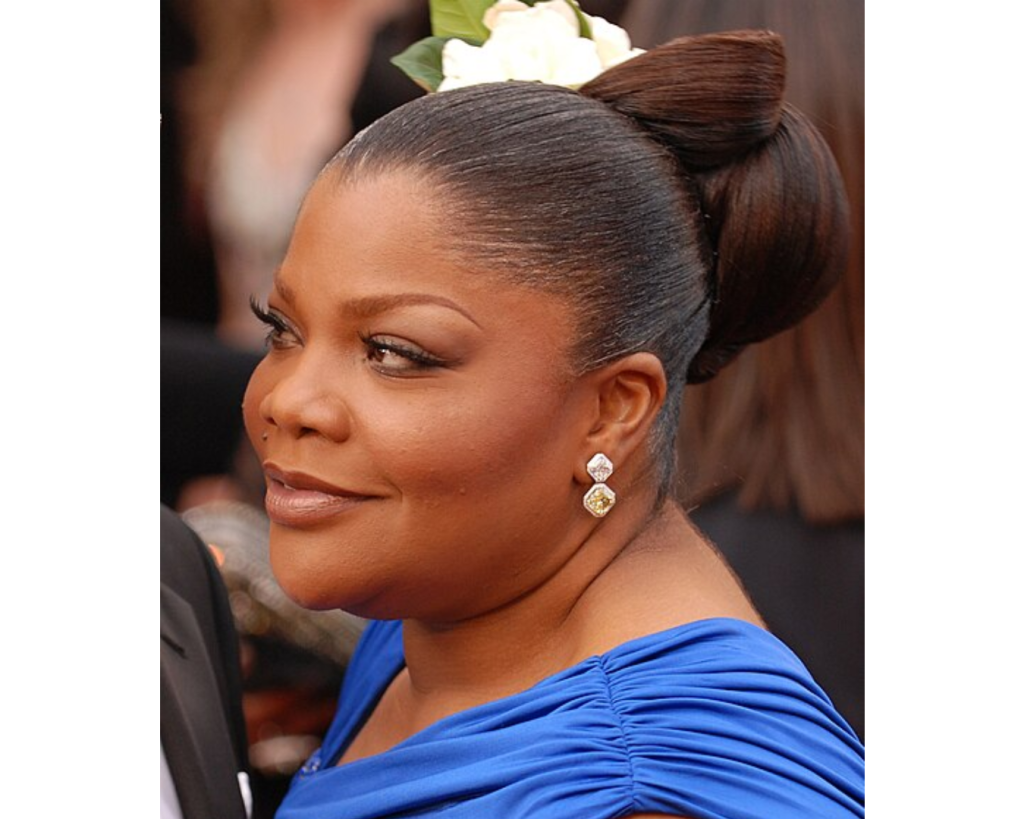
6. Mo’Nique
Mo’Nique’s claims about blackballing in Hollywood occupy a more complicated category. She has argued that powerful figures worked to limit her career after professional disputes, and those claims stirred debate because entertainment history is full of stories about informal punishment and closed-door retaliation. In celebrity culture, conspiracy claims sometimes endure because audiences know institutions do protect themselves. Her comments kept attention on a recurring industry question: when does a personal grievance sound implausible, and when does it describe how power actually works?
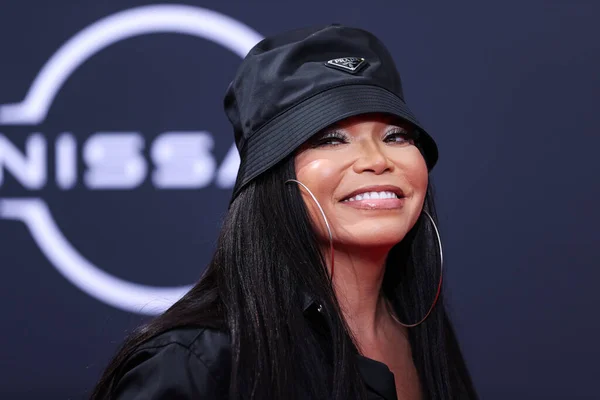
7. Tisha Campbell
Tisha Campbell drew concern and criticism after sharing an account of a suspected trafficking setup at an airport. Her message was framed as a warning, but many observers noted that the details echoed widely repeated urban legends about trafficking tactics. The problem with celebrity amplification is scale. A frightening anecdote can spread faster than context, especially in an online environment where false information often travels farther and more quickly than corrections.
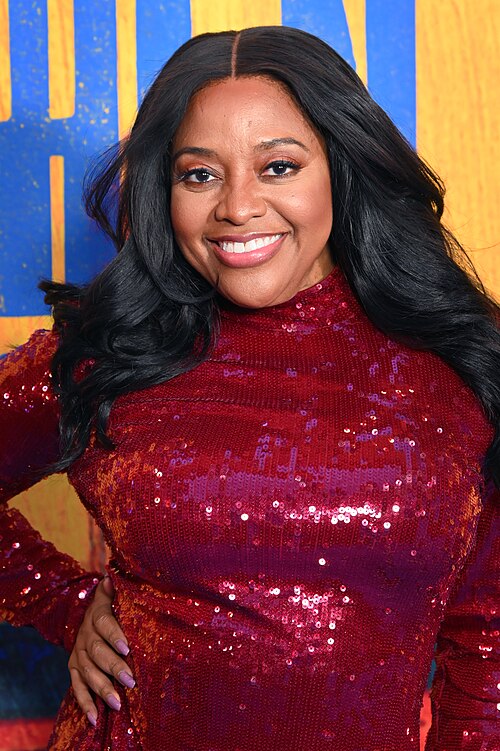
8. Sherri Shepherd
Sherri Shepherd became part of the conspiracy conversation after on-air comments about the shape of the Earth and evolution triggered a wave of disbelief. The remarks were brief, but they stuck because they touched one of the internet’s most durable examples of anti-scientific spectacle: the flat Earth conspiracy theory. Shepherd later folded the moment into her comedic persona, but the clip remains a case study in how quickly one offhand comment can become a defining digital artifact.
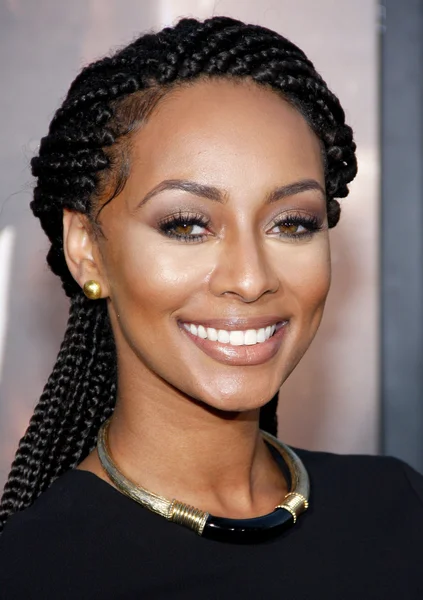
9. Keri Hilson
Keri Hilson faced backlash after posting theories connecting 5G technology to illness during the pandemic era. The claims fit into a period when fear, uncertainty, and distrust were producing viral misinformation at extraordinary speed. Psychological research has linked conspiracy belief not just to anxiety, but also to motives tied to threat, intuition, and social identity, including findings from 170 studies involving over 158,000 participants. Hilson later deleted the posts, but the episode captured how quickly celebrity accounts could mainstream fringe technological fears.
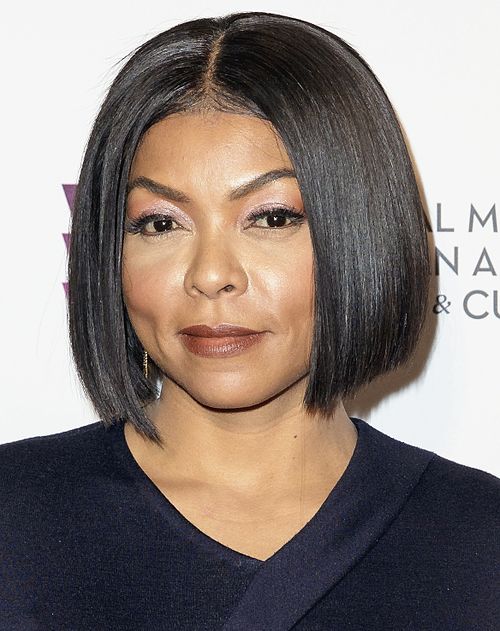
10. Taraji P. Henson
Taraji P. Henson stands apart because her public comments have often focused less on grand hidden plots than on historical mistrust. When she has spoken about skepticism toward medical systems, the context has included real abuses that shaped Black communities’ relationship with healthcare. That distinction matters. Not every challenge to official messaging comes from fantasy; some of it emerges from lived history, collective memory, and a rational awareness that institutions have failed people before.
What connects these women is not one ideology or one kind of claim. Some comments leaned into wellness culture, some into spiritual mystery, some into entertainment gossip, and some into distrust rooted in history. The larger pattern is cultural as much as personal. Celebrity conspiracy talk spreads because it offers drama, insider status, and emotional intensity all at once, while social media gives every vague suspicion an audience ready to decode it. That combination keeps the genre alive, even when the claims themselves do not hold up.

