

Latina and Hispanic actresses have never fit into a single lane. They have carried sitcoms, anchored billion-dollar franchises, earned Oscar nominations, and stepped behind the camera to produce, direct, and expand what gets seen on screen.
That wider impact matters. Even with audience demand, Latino performers and creators remain underrepresented in entertainment, with Latinx actors holding 2.3 percent of top theatrical film acting roles in 2022. The actresses below stand out not just for popularity, but for the way their careers pushed past narrow expectations and opened room for more stories.
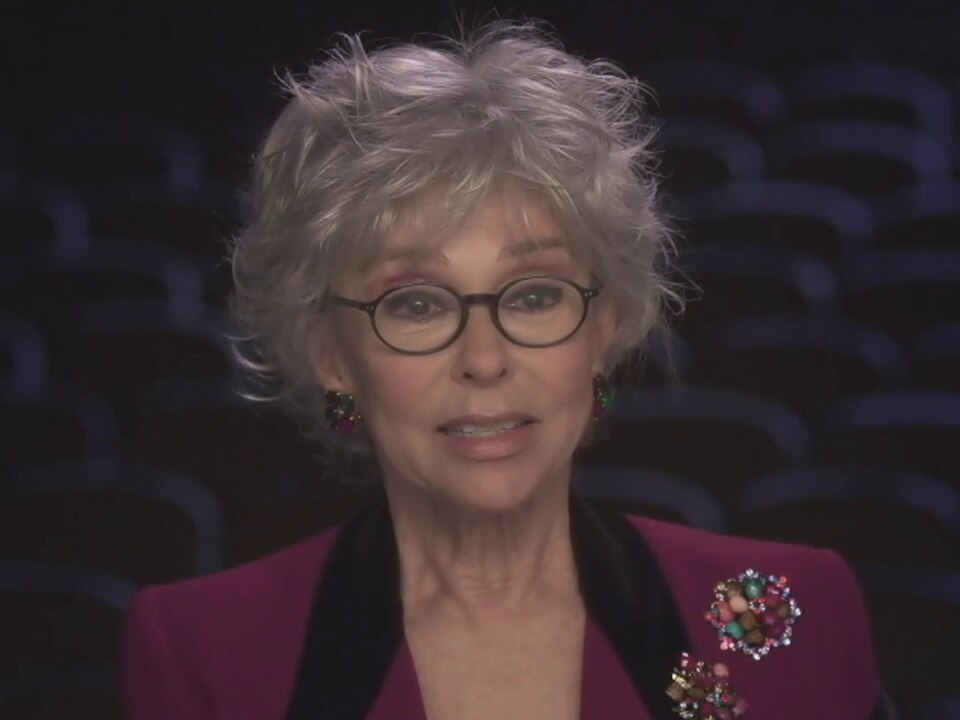
1. Rita Moreno
Rita Moreno remains one of the clearest examples of lasting influence. The Puerto Rican star built a career across film, television, and stage, and her Oscar-winning turn in West Side Story made her part of a very small group of EGOT winners. Her longevity also changed the terms of the conversation around representation, because her career did not stop at one landmark role.
She has spent decades speaking openly about the limits placed on performers of color while continuing to work in new generations of projects. That combination of achievement and endurance made her more than a classic star; it made her a reference point.
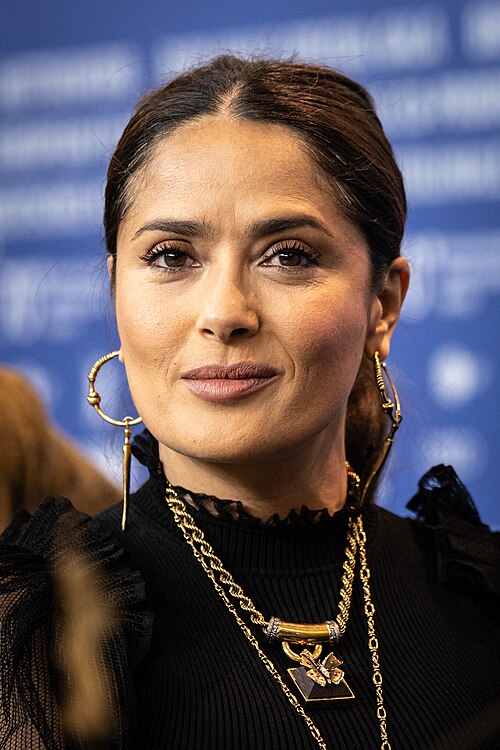
2. Salma Hayek Pinault
Salma Hayek turned a Hollywood breakthrough into a long-running career that moved between acting and producing. Her performance in Frida earned her an Academy Award nomination, and she remains one of the few Mexican actresses to reach that level in the category of Best Actress, a group that also includes Salma Hayek for Frida, Yalitza Aparicio for Roma, and Ana de Armas for Blonde. Her appeal has also come from range. She could be glamorous, comic, dramatic, or action ready without losing her sense of identity, and that made her one of the defining crossover figures of her generation.

3. Penélope Cruz
Penélope Cruz built one of the rare careers that feels equally at home in art-house cinema and mainstream Hollywood. Her work with Pedro Almodóvar gave her an auteur-driven foundation, while films like Vicky Cristina Barcelona brought major awards attention and global visibility.
She became the first Spanish actress to win an Academy Award, a milestone that placed her in a different category from celebrity alone. Cruz’s filmography also helped normalize the idea that an actress could move between languages, industries, and styles without having to choose one identity over the other.
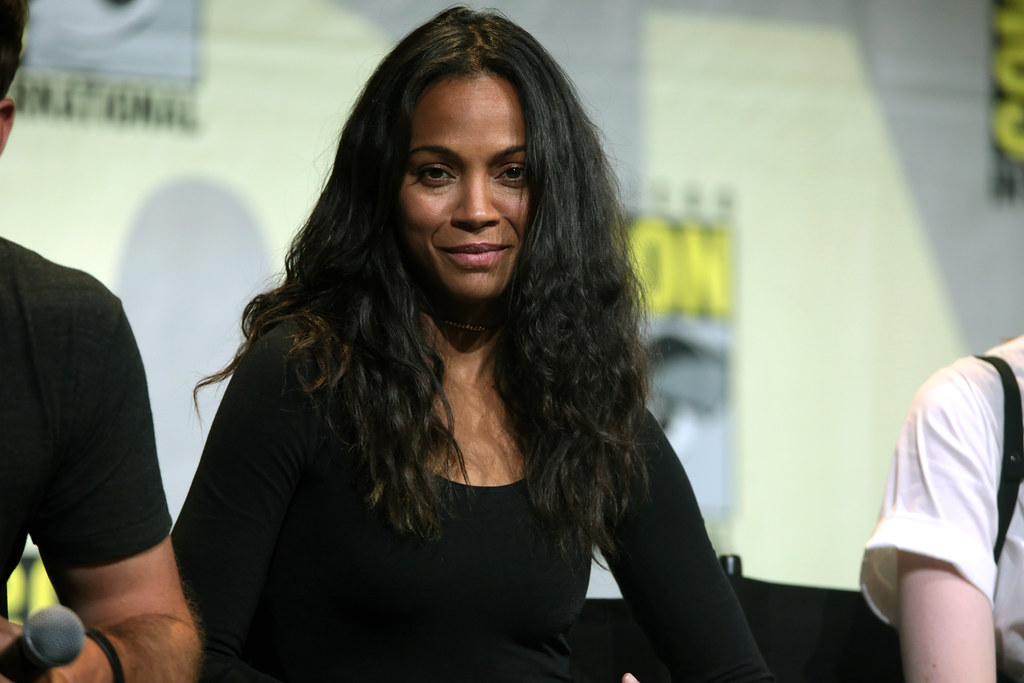
4. Zoe Saldaña
Zoe Saldaña became one of the most recognizable faces in blockbuster cinema through Avatar and Guardians of the Galaxy. That kind of franchise visibility matters because it placed an Afro-Latina actress at the center of some of the biggest film series in the world.
Her career also challenged an old industry habit of confining Latina actresses to a narrow group of roles. Instead of one stereotype, audiences saw a performer who could lead action, science fiction, drama, and motion capture heavy global productions.
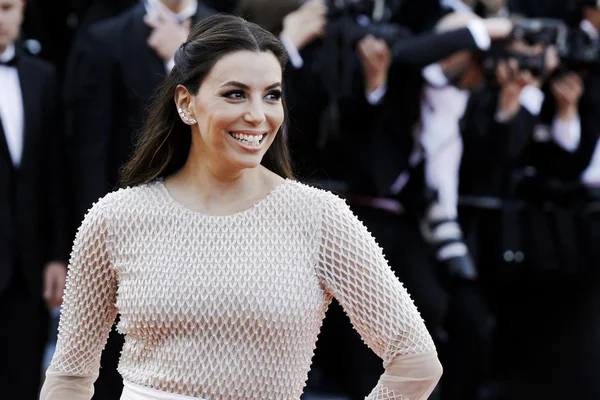
5. Eva Longoria
Eva Longoria’s career expanded far beyond on-screen fame from Desperate Housewives. She became one of the most visible advocates for more Latino decision-makers in entertainment, and her comments on hiring practices have stayed relevant. As she told NPR, “I think they just unconsciously hire who looks like them, the stories that feel most familiar to them. And so it’s about changing those rooms. We are becoming the creators.”
That shift from actress to producer director gave her influence where it often matters most: behind the camera. It also matched a broader pattern in the industry, where many Latina stars have had to build their own opportunities instead of waiting for them.
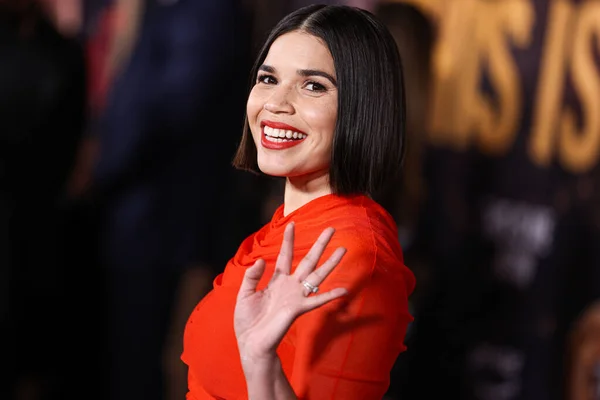
6. America Ferrera
America Ferrera connected with viewers through Ugly Betty, then kept expanding her reach through producing, directing, and ensemble film work. Her Emmy win as a leading actress in a comedy was a major moment, but her off-screen advocacy has been just as significant.
She has repeatedly described how Latino led projects can be treated as expendable, even when audiences respond. That concern aligns with broader research showing Latino talent remains scarce both on screen and in creative leadership, including only 1.1% of the top streaming scripted shows created by Latinos. Ferrera’s career stands out because she has pushed against that pattern while continuing to land mainstream work.
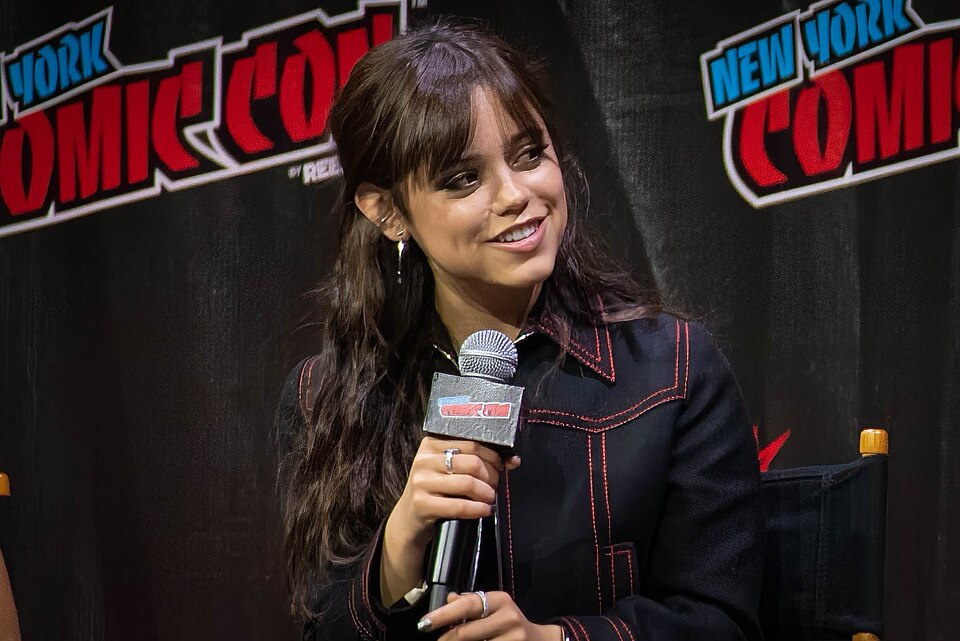
7. Jenna Ortega
Jenna Ortega represents a newer phase of stardom. After early family entertainment roles, she moved into darker material and became a defining face of younger franchise and streaming audiences through Wednesday and the Scream films.
Her rise also says something about visibility in the streaming era. Latino-led and Latino-featured projects often prove they can travel globally when given strong support, and shows with diverse casts continue to outperform expectations with viewers. Ortega’s success has made her one of the clearest examples of that crossover power.
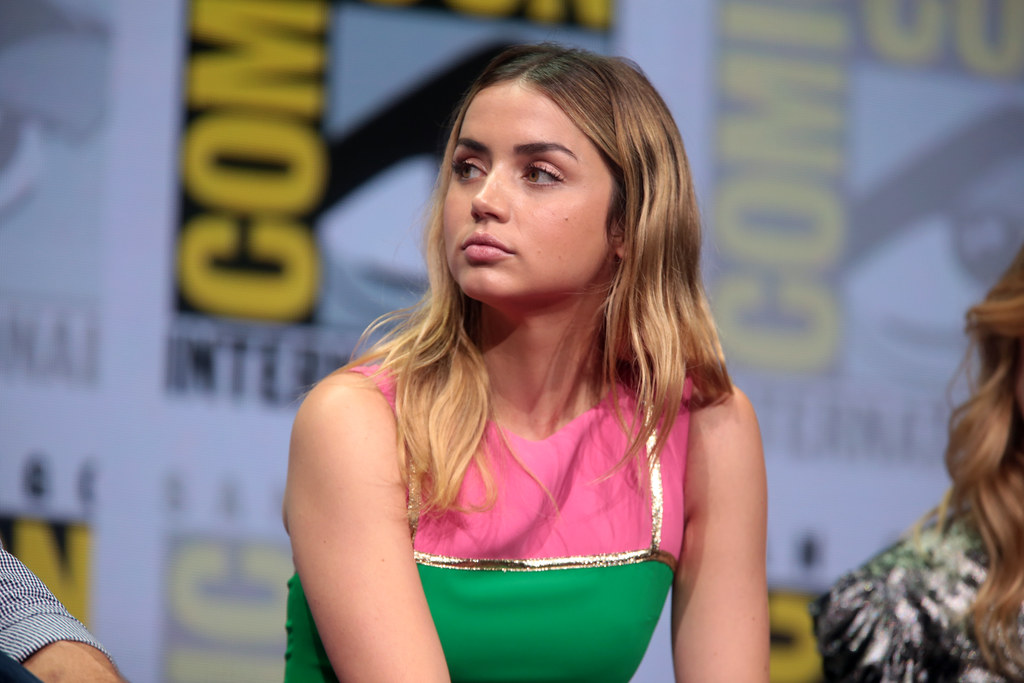
8. Ana de Armas
Ana de Armas made a difficult transition look natural. After beginning in Cuba and Spain, she moved into English language films and quickly became a major presence in thrillers, mysteries, and franchise projects. Her Oscar-nominated performance in Blonde confirmed that her breakthrough was not limited to star appeal. She also reflects a larger industry truth: bilingual and transnational careers are no longer side paths. They are central to how modern film stardom works.

9. Sofía Vergara
Sofía Vergara turned comic timing into mass popularity with Modern Family, where she played one of television’s most memorable characters of the last two decades. Her success on a major network sitcom gave her broad household recognition in a way few Latina actresses have achieved. That visibility later carried into judging roles, producing work, and new screen projects. Vergara’s path showed that mainstream popularity and cultural specificity did not have to be at odds.
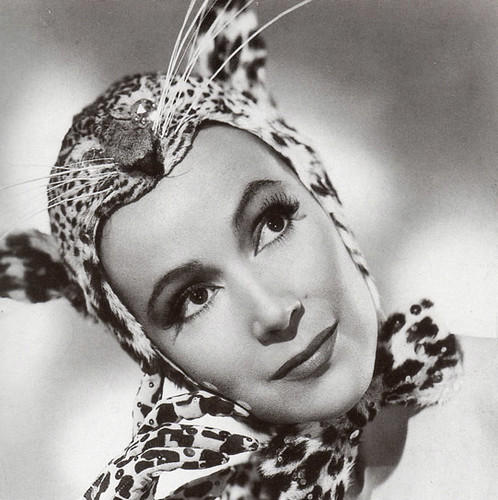
10. Dolores del Río
Any conversation about beloved Hispanic actresses looks incomplete without a glance backward. Dolores del Río is widely remembered as one of Old Hollywood’s foundational Latina stars, with early crossover fame that dates back to the silent era and the studio system. Her presence helped establish that Latina performers belonged in cinema long before the industry made meaningful room for them.
She was part of a much older lineage that included silent-era actresses such as Myrtle Gonzalez, considered the first Latin and Hispanic actress in Hollywood. That history makes modern success stories feel less like isolated breakthroughs and more like continuation.
The list of admired Latina and Hispanic actresses keeps growing because the work has spread across every corner of film and television: prestige drama, broad comedy, genre franchises, and streaming hits. What connects these women is not one style or one background, but the way their careers made Hollywood look larger than it did before. Their popularity is easy to see. Their influence is harder to miss.

