
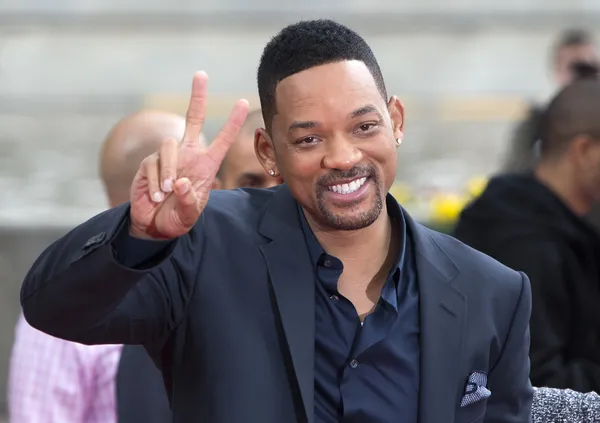
For decades, a performer’s name was treated as part of the audition. In film, television, and music, many stars learned early that a surname, accent mark, or unfamiliar pronunciation could shape how gatekeepers saw them before they ever delivered a line. Some changes were framed as branding. Others were direct responses to bias, typecasting, or pressure to appear more “American.” The stories below show how often identity and opportunity collided in entertainment.
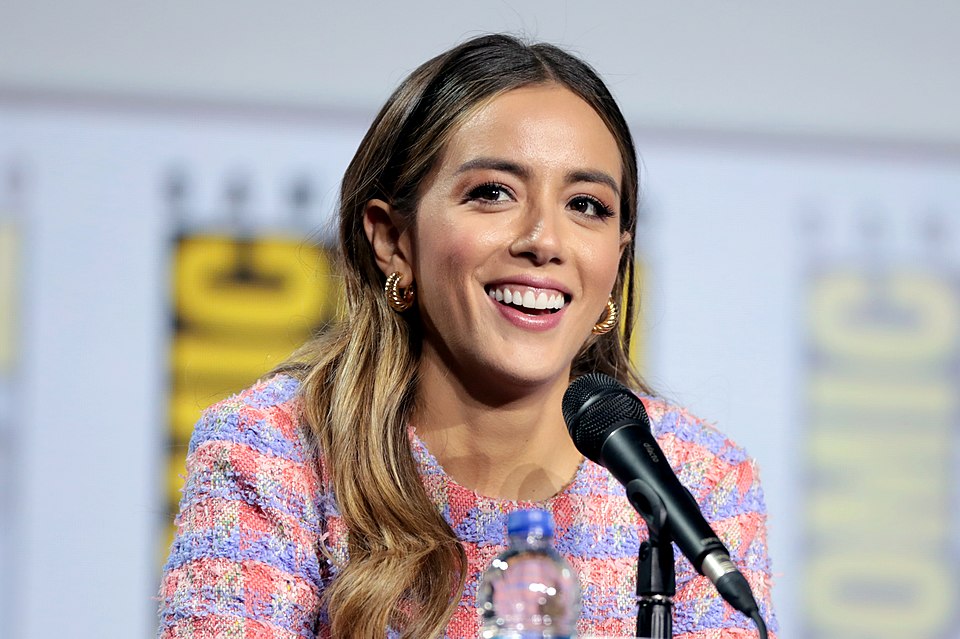
1. Chloe Bennet left “Wang” behind after repeated rejection
Chloe Bennet was born Chloe Wang, the daughter of a Chinese father and a white mother. She has said that using her birth surname made auditions harder, and after switching to Bennet, taken from her father’s first name, her career changed quickly. Her experience remains one of the clearest modern examples of how a name could trigger assumptions before casting directors even met the actor. The impact was not subtle. Bennet later spoke openly about the racism behind the decision, describing an industry where a name could close doors before talent had a chance to matter.
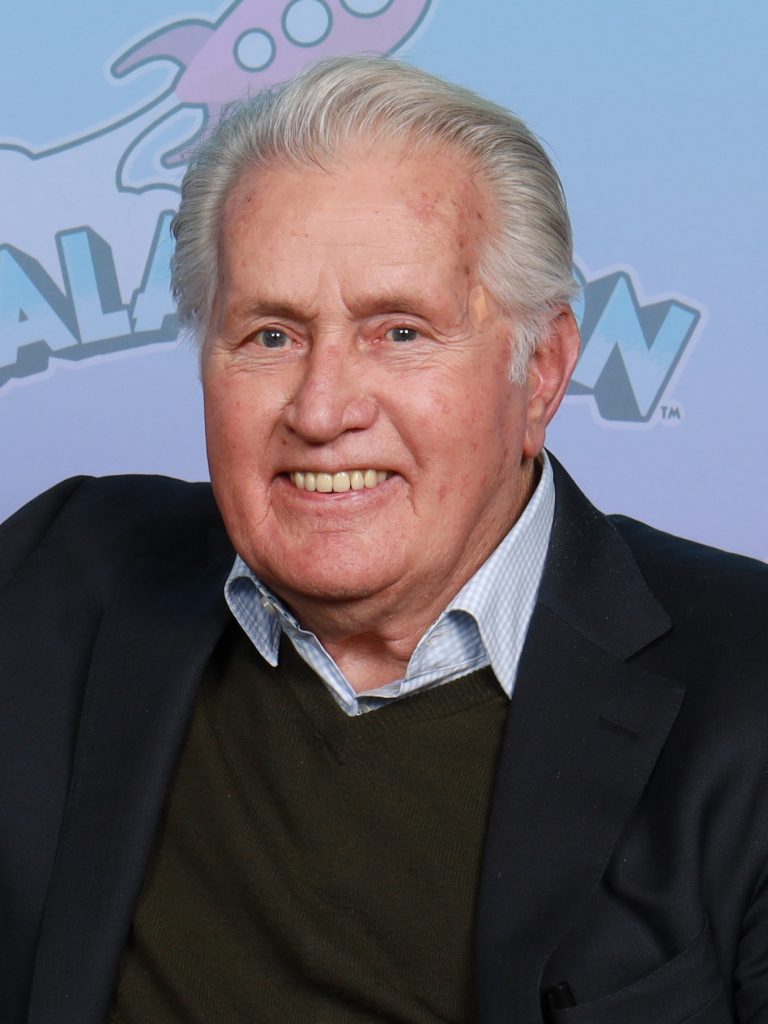
2. Martin Sheen built a career under a name he never legally adopted
Born Ramón Antonio Gerardo Estévez, Martin Sheen changed his professional name while trying to break into an industry that had little space for Hispanic actors. He took “Martin” from a casting director and “Sheen” from Fulton J. Sheen, but he did not legally erase Estévez from his life.
That detail matters. Sheen went on to say he regretted feeling pushed into the choice, and his story is often cited as proof that Hollywood’s naming culture was not just cosmetic. It reflected who was seen as castable and who was not.

3. Oscar Isaac shortened his name to escape stereotype casting
Oscar Isaac Hernández Estrada found that his surname narrowed the kinds of parts he was considered for. According to stereotypical roles like “the gangster”, casting decisions often followed assumptions attached to his full name.
Using Oscar Isaac opened up a wider range of auditions. Instead of being boxed into one ethnic shorthand, he became one of the rare actors able to move easily between indie dramas, Shakespeare, science fiction, and franchise films.
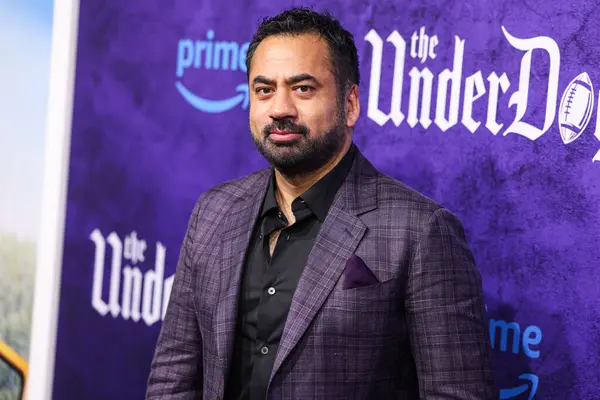
4. Kal Penn tested the bias with two versions of his résumé
Kal Penn’s birth name is Kalpen Suresh Modi. Early in his career, he reportedly sent out résumés under both names and found that the shortened version drew more callbacks. Few celebrity name-change stories come with such a blunt side by side comparison. That experiment turned an industry suspicion into something measurable. It also helps explain why so many performers made similar choices even when they disliked the reasoning behind them.
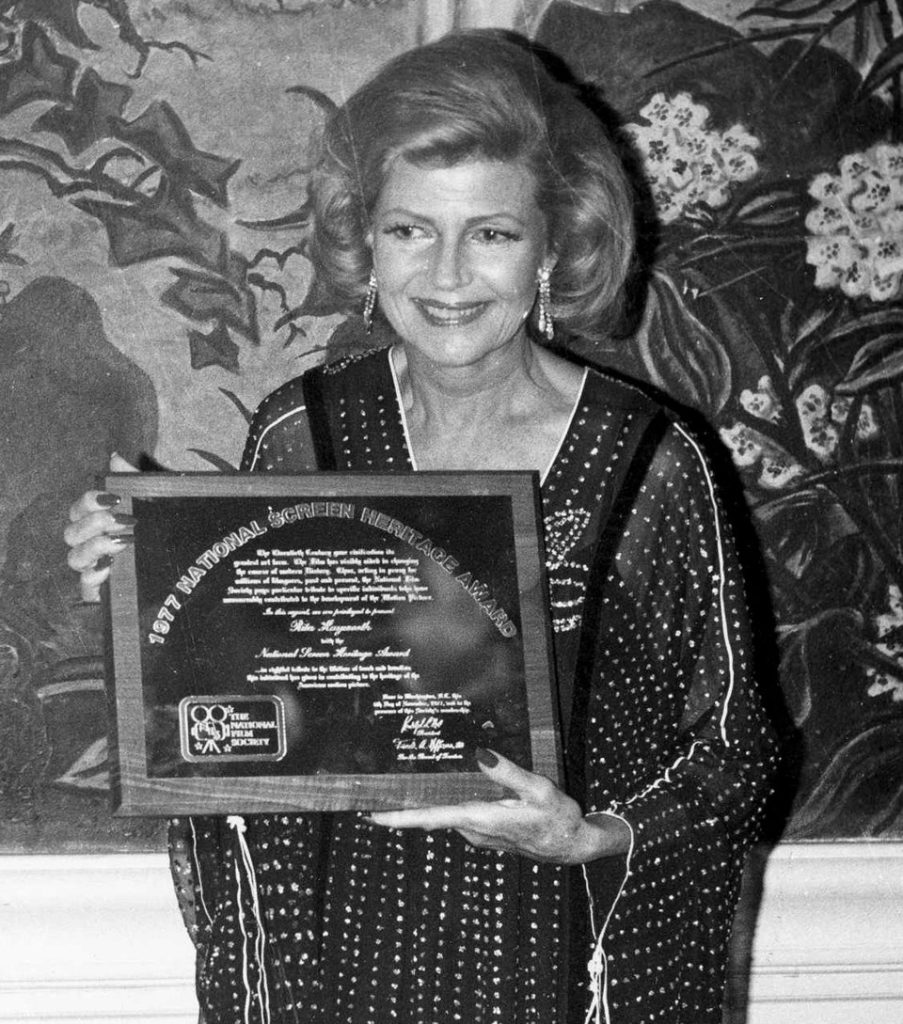
5. Rita Hayworth was remade to seem less “Mediterranean”
Rita Hayworth was born Margarita Carmen Cansino and first worked under Rita Cansino. Her transformation into Rita Hayworth was not just a tweak for the marquee. It was part of a studio-driven reinvention that also altered her appearance, pushing her toward a version of beauty executives believed looked more acceptably American.
As Golden Age Hollywood favored “all-American” names, many stars with Jewish, Italian, Spanish, and Eastern European roots were reshaped to fit the same narrow image. Hayworth’s story remains one of the starkest examples because the change reached far beyond her credits.
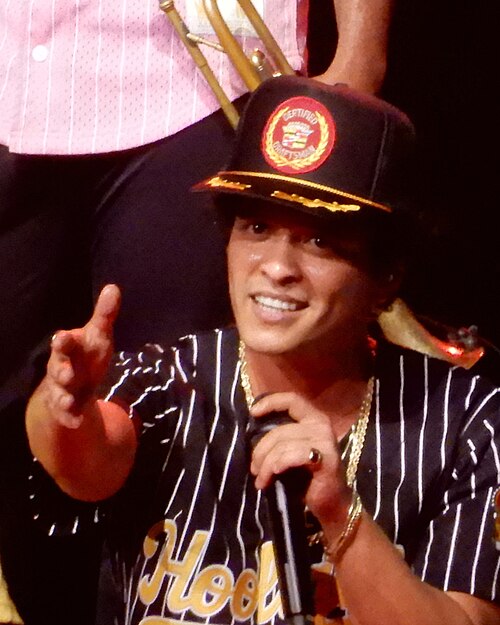
6. Bruno Mars changed course after executives pushed him toward Latin music
Peter Gene Hernandez grew up with the nickname Bruno, but the surname became a problem once he entered the music business. He has said industry figures kept steering him toward Spanish-language or Latin-branded music because of Hernandez.
That pressure led to Bruno Mars, a stage name that let him step outside a single lane. The result was a career defined by pop, funk, R&B, and throwback showmanship instead of the narrow category others tried to assign him.
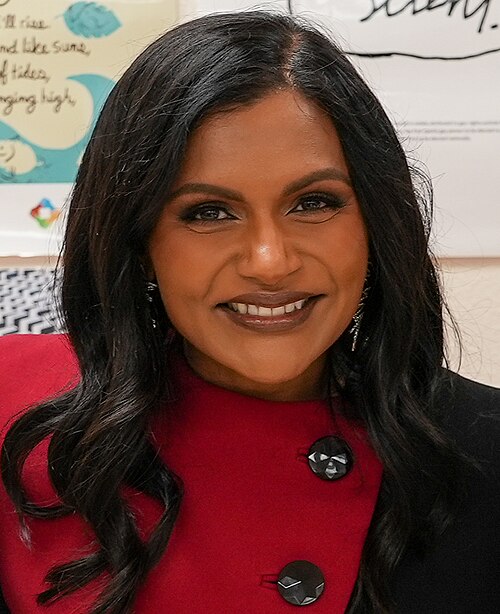
7. Mindy Kaling shortened her surname to avoid becoming the joke
Vera Mindy Chokalingam started trimming her surname while doing stand-up. She explained that comedy club emcees struggled to pronounce it and then turned the mistake into material, shifting attention away from her set before she even began.
With Mindy Kaling, she kept her first and middle name identity intact while removing the obstacle that had become part of the introduction. It was a practical move, but it also showed how often performers were expected to simplify themselves for audience comfort.

8. Paul Wesley was told an easier name would help immediately
Born Paweł Tomasz Wasilewski to Polish parents, Paul Wesley changed his surname with his family’s permission. He later said the shift helped his career right away, reinforcing the long standing industry preference for names that readers and executives considered easy to say. His experience fits a pattern that went well beyond ethnicity alone. Pronunciation itself became a gatekeeping issue, especially for actors trying to land mainstream network and studio work.
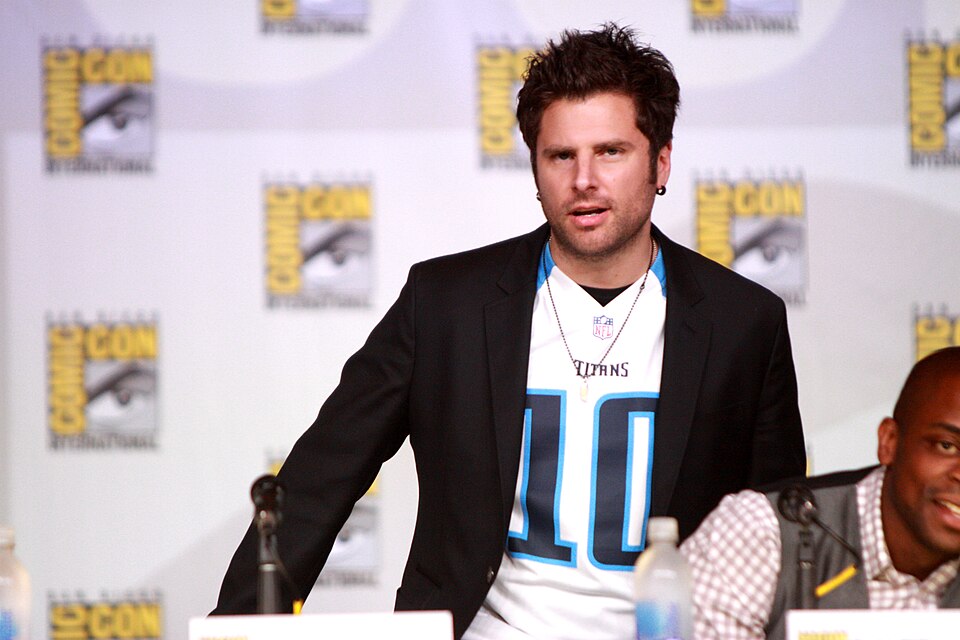
9. James Roday Rodriguez eventually reclaimed what he had dropped
James David Rodriguez spent years working as James Roday after being told his name and appearance created a casting problem. He later described a system in which he was not viewed as Latino enough for some parts, but his surname blocked him from others.
In 2020, he restored Rodriguez professionally and spoke candidly about the decision. He told TV Line, “I sold out my heritage in about 15 seconds to have a shot at being an actor.” His reversal gave the story a second act that many older Hollywood cases never had.
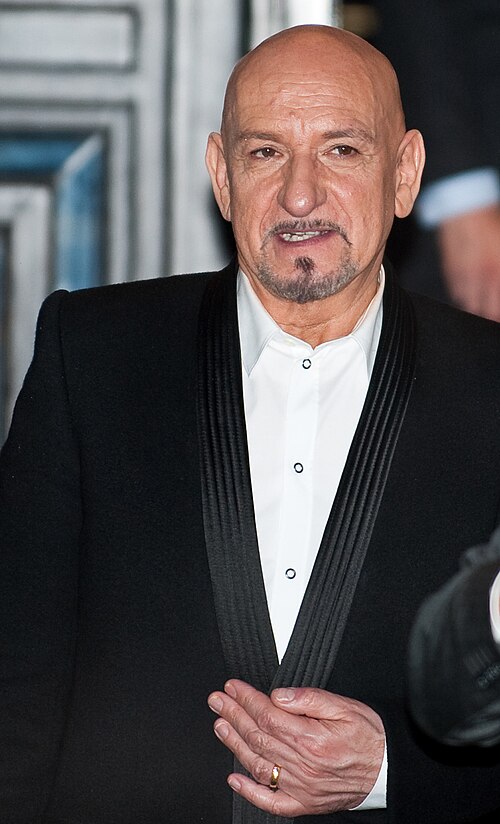
10. Ben Kingsley feared his birth name would limit his future
Ben Kingsley was born Krishna Pandit Bhanji, the son of a Gujarati Indian father and an English mother. He adopted a new professional name because he believed his birth name would restrict the opportunities available to him in British and American acting.
His success later made the change seem seamless, but the reason behind it was familiar: a belief that a less obviously ethnic name would lead to more auditions, broader parts, and fewer assumptions before the work even began. These stories span generations, from studio era reinventions to modern résumé strategy, but they reveal the same pattern. A stage name was often sold as polish, while the real issue was access.
The landscape has changed in visible ways, with more performers keeping or reclaiming their names, and with actors such as Thandiwe Newton publicly reclaiming her real name. Even so, the history behind these choices helps explain why a name in entertainment has rarely been just a name.

