
Hollywood has never moved in a straight line on queer visibility. Careers have been built in private, identities have been disclosed on personal timelines, and some of the industry’s most enduring performers have changed what audiences expect simply by staying visible and working at a high level.
This list gathers actresses whose impact reaches beyond a single role or headline. Some broke ground with awards, some made prestige television feel more inclusive, and some expanded who gets to be centered in mainstream entertainment.
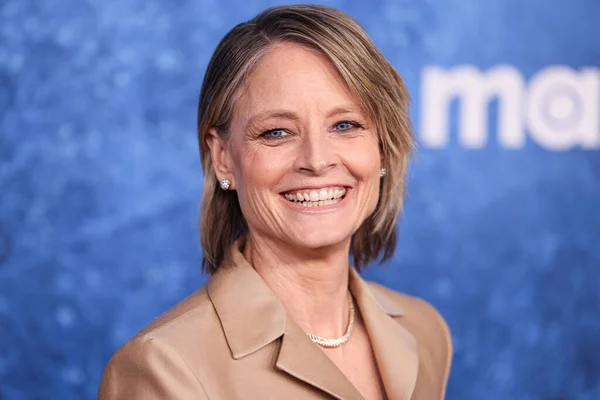
1. Jodie Foster
Jodie Foster’s career spans child stardom, auteur-level acting prestige, and respected work behind the camera. She won Academy Awards for The Accused and The Silence of the Lambs, then built a second chapter as a director with projects including Little Man Tate. Her public image has long carried an unusual mix of privacy and authority, which made her visibility especially influential. That legacy gained a new layer with her 2024 role in “True Detective: Night Country”, a reminder that she remains a major dramatic presence decades after her first breakthroughs.
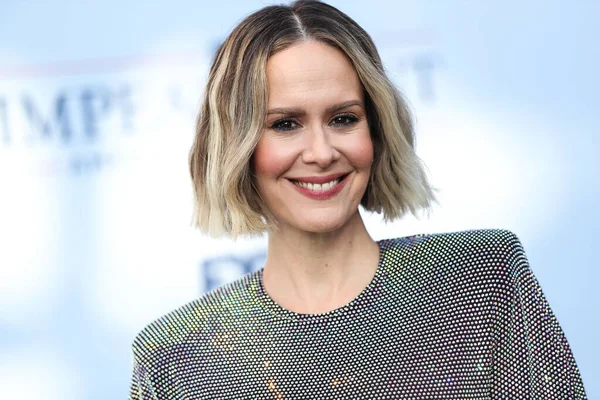
2. Sarah Paulson
Sarah Paulson became one of television’s defining performers by making intensity look effortless. Her Emmy-winning turn as Marcia Clark in The People v. O. J. Simpson: American Crime Story turned a familiar public figure into one of the decade’s most acclaimed performances, while American Horror Story showed how adaptable her screen persona could be. Her film work in Carol, Ocean’s 8, and 12 Years a Slave helped place an openly queer actress inside prestige drama and glossy studio entertainment at the same time. That range is part of why her visibility has mattered.
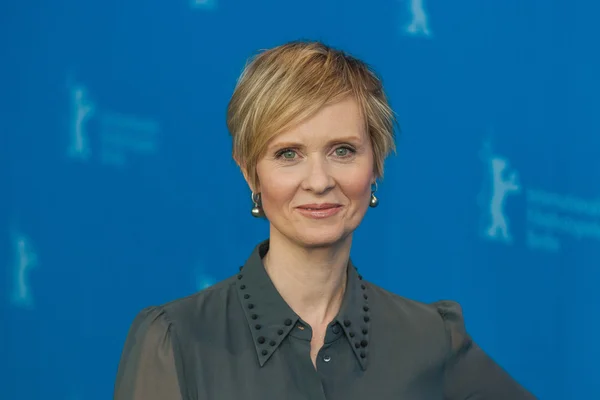
3. Cynthia Nixon
Cynthia Nixon will always be linked to Miranda Hobbes, but her influence stretches well beyond that iconic television series. She built a serious stage career alongside television fame, and reference coverage notes 13 Broadway credits, an unusually deep theater résumé for a star with that level of pop-cultural recognition. Her public life also broadened the conversation around what queer visibility can look like when it is tied to family life, activism, and long-term mainstream success.
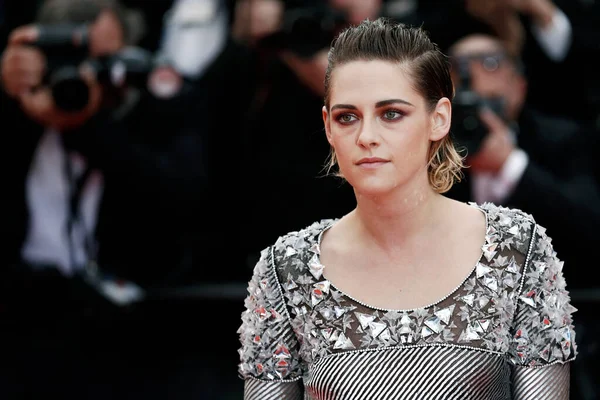
4. Kristen Stewart
Kristen Stewart’s post-Twilight career became a case study in reinvention. Instead of repeating blockbuster formulas, she moved decisively into art-house films, international projects, and riskier character work. That shift led to acclaimed performances in Clouds of Sils Maria and Spencer, where her cool, guarded style became a dramatic asset rather than a limitation. She also became the first American actress to win a César Award, a marker of how fully she crossed from franchise celebrity into serious global film recognition.
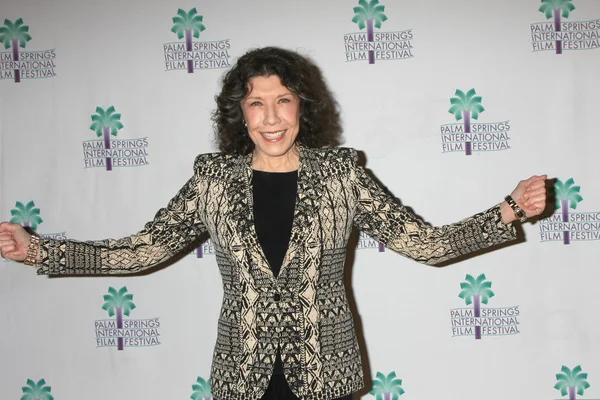
5. Lily Tomlin
Lily Tomlin represents longevity without creative stagnation. After early fame on Rowan & Martin’s Laugh-In, she moved through comedy, film, Broadway, and voice work while keeping a singular comic identity intact. 9 to 5 remains iconic, but later work in Grace and Frankie introduced her to a newer audience through a series centered on aging, reinvention, and long relationships. Her decades-long partnership with writer Jane Wagner became one of entertainment’s most recognizable enduring queer relationships, giving her public life as much cultural weight as her performances.
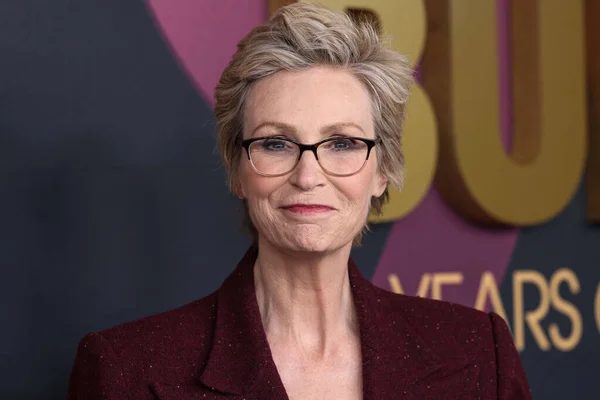
6. Jane Lynch
Few actresses have been as omnipresent, or as reliable, as Jane Lynch. She turned scene-stealing supporting parts into a signature, then made Sue Sylvester on Glee one of television’s most memorable comic performances. The reference material places her at the top of a prolific-career ranking, reflecting how many corners of film, television, and voice acting she has touched. Her staying power matters because it normalized a visibly queer performer as an industry fixture, not a niche exception.
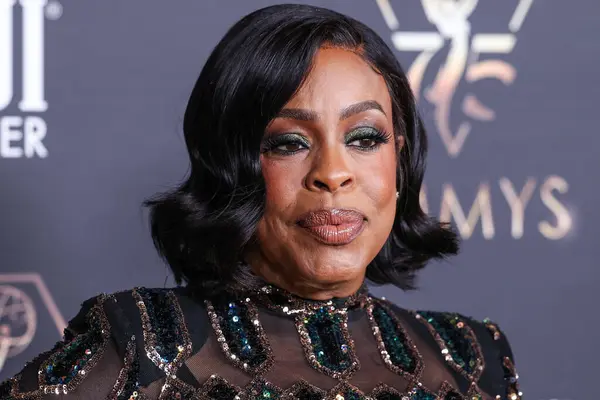
7. Niecy Nash-Betts
Niecy Nash-Betts has one of the more surprising arcs in recent television history. Long associated with broad comedy through Reno 911!, she steadily expanded into emotionally heavier work in When They See Us, Claws, and Dahmer – Monster: The Jeffrey Dahmer Story. Her public marriage announcement in 2020 added a new level of cultural visibility to a career already in transition. She brought glamour, humor, and maturity to that visibility, which made it feel less like a reveal and more like a continuation of a life already fully in motion.
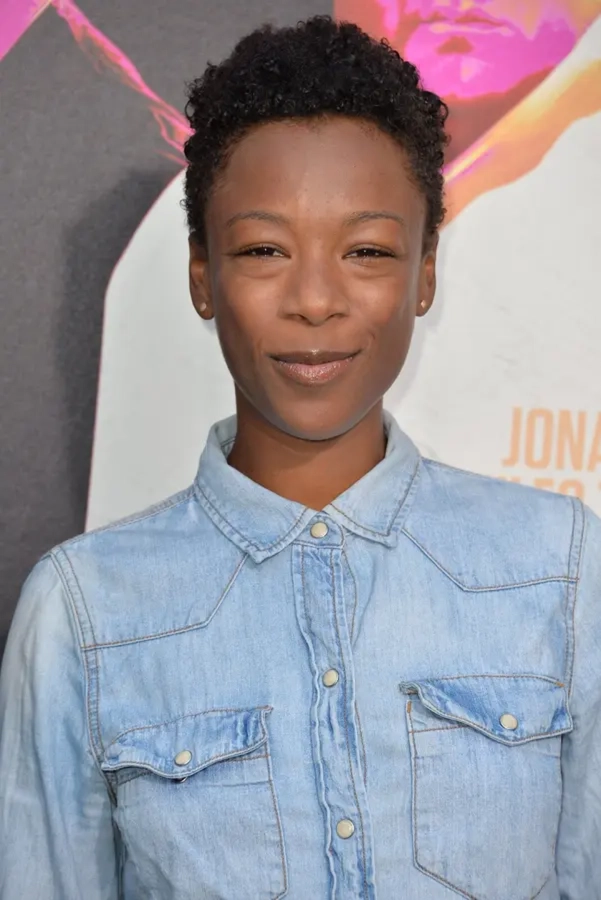
8. Samira Wiley
Samira Wiley became unforgettable to many viewers as Poussey Washington in Orange Is the New Black, a role tied to one of streaming television’s earliest major cultural waves. She later won an Emmy for playing Moira in The Handmaid’s Tale, proving that her impact was not limited to one breakout part. Her presence has also mattered because it expanded representation for queer women of color in prestige television, where layered, emotionally resonant roles have often been in short supply.
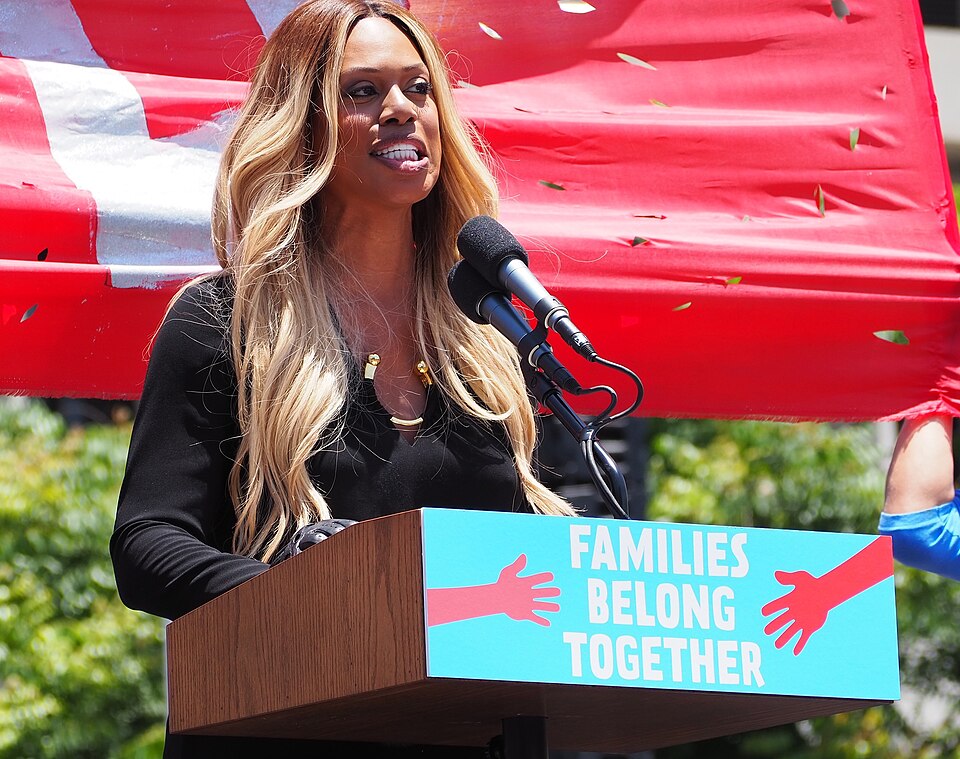
9. Laverne Cox
Laverne Cox changed the scale of the conversation. Her work in Orange Is the New Black brought mainstream attention to trans storytelling, and she became the first openly transgender person nominated for a Primetime Emmy in an acting category. That milestone was not symbolic alone; it altered who audiences and executives could picture in awards-level performance spaces. As an actress, producer, and speaker, she has linked visibility to authorship, insisting that representation is not only about being seen but about shaping how stories are told.
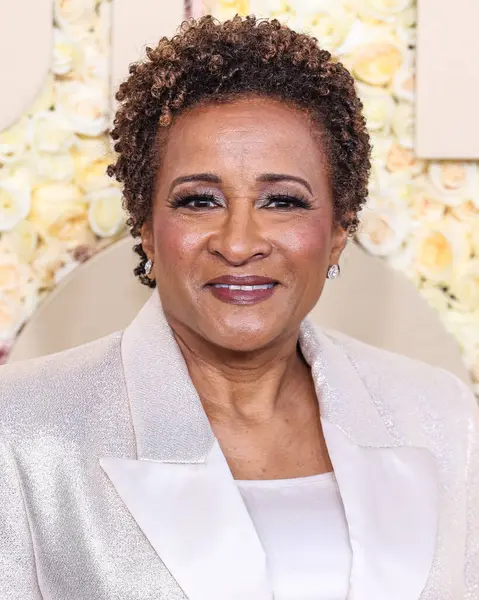
10. Wanda Sykes
Wanda Sykes fused stand-up authority with screen versatility. Whether appearing in sitcoms, animation, or sharp-edged supporting roles, she brought a voice that never felt diluted for mainstream use. Her public coming out in 2008 gave her advocacy work a directness that matched her comedy. That combination of candor and consistency made her one of the clearest examples of a performer whose identity and craft strengthened each other rather than competing for space.
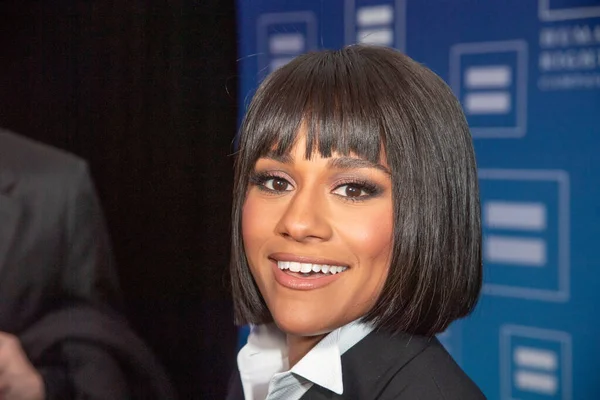
11. Ariana DeBose
Ariana DeBose arrived in film with the kind of momentum that changes industry expectations quickly. Her Oscar-winning performance as Anita in West Side Story gave musical theater talent a major contemporary showcase, and her success carried historical weight as well: she became the first openly queer Afro Latina woman to win an acting Oscar. She represents a newer era of visibility, one where queer identity, stage training, and major award recognition can exist together at the very center of pop culture.
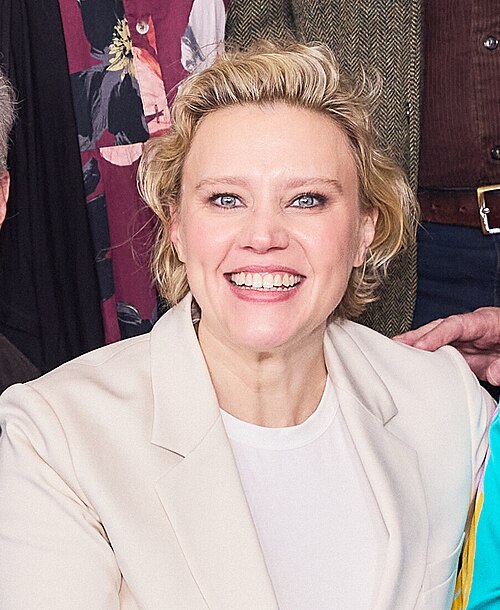
12. Kate McKinnon
Kate McKinnon spent a decade on Saturday Night Live turning precision weirdness into a mainstream comic language. Her celebrity impressions made her famous, but her larger contribution was proving that a distinctly offbeat, openly lesbian comic performer could become one of the most bankable personalities in studio comedy and network television. Film roles in Ghostbusters and Barbie only widened that effect, bringing her comic identity to audiences far beyond late-night TV.
These careers do not all point in the same direction, which is part of their significance. Some actresses built prestige, some built familiarity, and some made visibility itself feel less exceptional by showing up year after year in every corner of the business. Together, they helped move queer women from the margins of Hollywood conversation toward the center of it.

