

Hollywood has long sold a familiar illusion: a lead actress trains hard, steps onto set, and suddenly appears to do everything the audience sees on screen. The reality is usually far more layered. Action scenes, dance-heavy sequences, aerial moves, and precision driving are built through collaboration between actors, stunt doubles, body doubles, coordinators, editors, and visual-effects teams.
That gap between promotion and production is part of how the industry works. Stunt performers are often meant to disappear into the final image, even as their profession follows strict union safety standards and increasingly visible calls for recognition. With the Academy set to recognize stunt design at the 2027 ceremony, the people behind these performances are becoming harder to overlook.
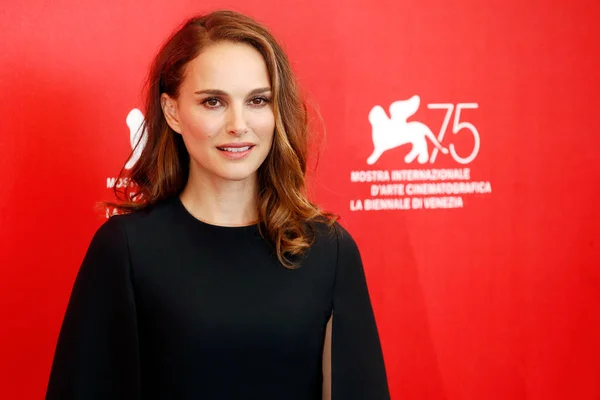
1. Natalie Portman and the “Black Swan” ballet debate
The campaign around “Black Swan” leaned heavily on Natalie Portman’s intense ballet preparation, but the film’s most technically demanding dance passages became a major point of dispute after release. Professional ballerina Sarah Lane said she performed much of the advanced footwork and many full-body shots, while the production defended Portman’s contribution. The controversy turned a behind-the-scenes craft question into a broader conversation about authorship, awards narratives, and face-replacement technology. What looked like a single performance on screen was, in practice, a carefully merged one.
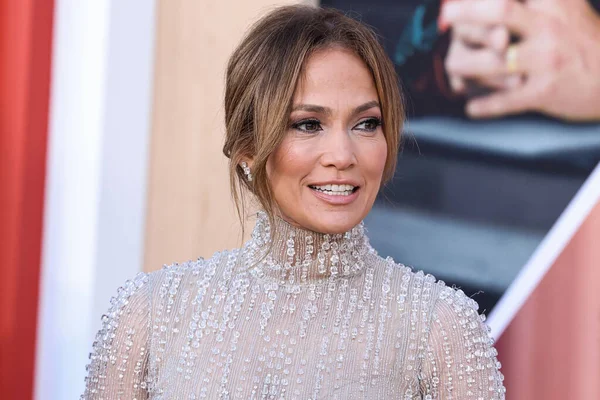
2. Jennifer Lopez and the “Hustlers” pole scenes
Jennifer Lopez’s training for “Hustlers” was widely highlighted because it was visually striking and central to the film’s identity. She did learn pole basics and performed portions of the routine, but the highest-difficulty acrobatic work was handled by a professional with years of specialized skill. That distinction matters because elite pole work is not something a few months of prep can fully duplicate. The movie sold commitment, while the final sequences reflected the work of both the star and an expert double.
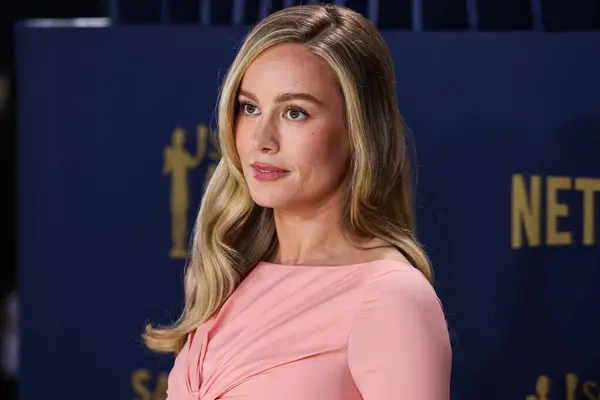
3. Brie Larson and the “Captain Marvel” image machine
Marvel’s publicity pushed Brie Larson’s physical training into the spotlight, including gym footage that suggested an unusually hands-on action performance. The finished film, however, credited stunt doubles Renae Moneymaker and Joanna Bennett, whose work helped deliver the wire stunts, impacts, and larger-scale combat beats. That split between training and execution is common in franchise filmmaking, especially when productions run multiple units at once. In a Hollywood Reporter feature, Evangeline Lilly described a similar setup by saying, “There were four of me in this film,” a line that captures how modern action movies are often assembled from several performers at once.
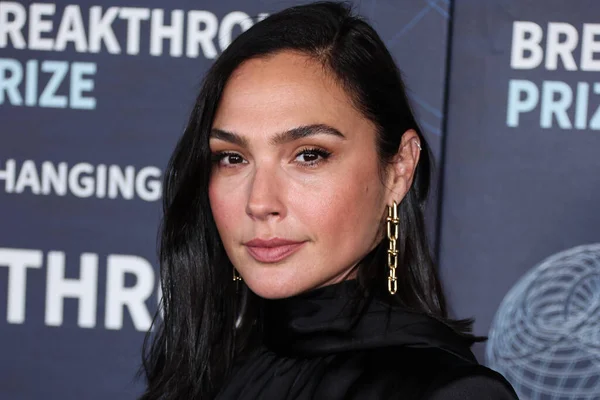
4. Gal Gadot and the unseen labor behind “Wonder Woman” reshoots
Gal Gadot’s pregnancy during reshoots became part of the movie’s public mythology, and that detail understandably drew attention. But pregnancy also meant the production had clear physical limits, which increased reliance on doubles and visual workarounds. The end result preserved the character’s momentum on screen while shifting risk away from the lead. The public story celebrated endurance; the production story depended on planning and backup.
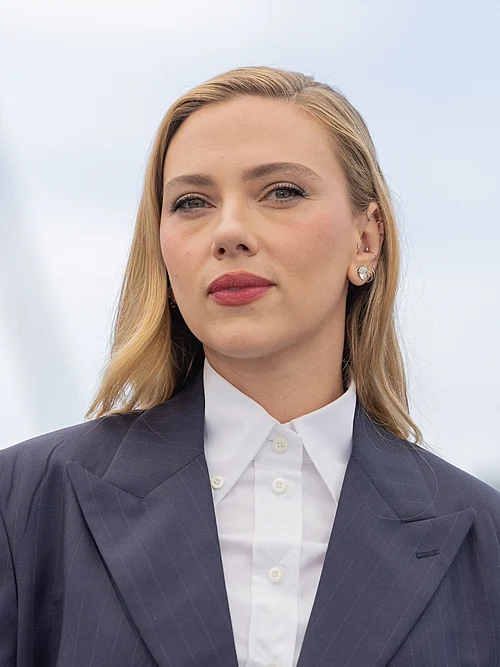
5. Scarlett Johansson and Heidi Moneymaker’s long partnership
Black Widow’s fighting style helped define the Marvel era, but much of that physical identity was built through Scarlett Johansson’s collaboration with stunt performer Heidi Moneymaker. Johansson openly acknowledged that dynamic in a Hollywood Reporter interview, saying, “Do whatever Heidi does. Just listen to whatever she says and she’ll keep me safe.” That quote says more than the usual “did her own stunts” framing ever could. It shows that the strongest action personas are often co-created, not solo achievements.
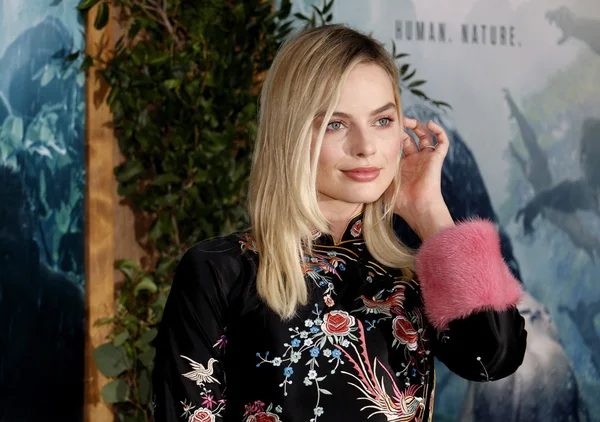
6. Margot Robbie and Harley Quinn’s impact-heavy action
Margot Robbie’s commitment to Harley Quinn was easy to market because the character mixes athleticism, attitude, and physical chaos. She learned choreography and contributed heavily to performance-based moments, but dangerous falls and harsher impacts were left to stunt specialists, including Ingrid Kleinig. That division did not make the performance less real. It showed how productions preserve an actor’s character work while assigning the most punishing movements to someone trained for repeated risk.
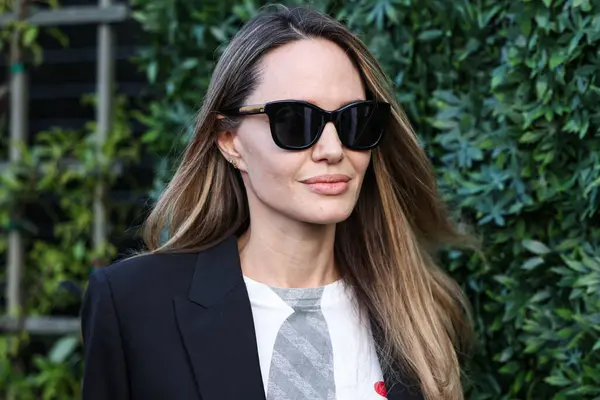
7. Angelina Jolie and the limits of the “does her own stunts” reputation
Angelina Jolie has one of the strongest action-star reputations of her generation, which made the myth especially durable. Even so, films such as “Lara Croft: Tomb Raider” still depended on stunt professionals for the most hazardous jumps and vehicle work. That is less contradiction than standard industry practice. As stunt history has repeatedly shown, stars are insured assets, and the more dangerous the move, the more likely it is to be delegated to a specialist trained in precision, repetition, and recovery.
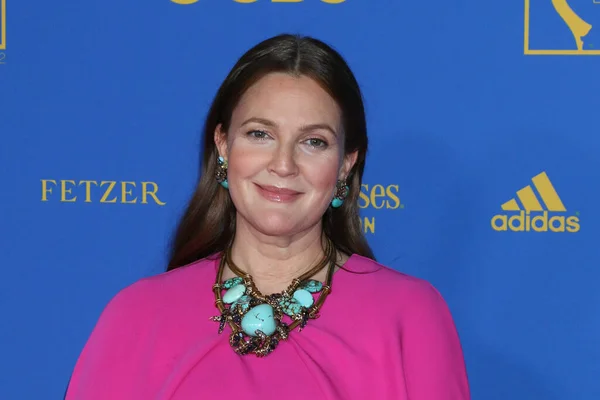
8. Drew Barrymore and the editing tricks of “Charlie’s Angels”
“Charlie’s Angels” sold a fantasy of stars transformed into near-superhuman fighters. Training camps helped the leads look convincing in close-up, but wire work and aerial kicks required stunt performers such as Shauna Duggins. Fast cutting, hair movement, and camera placement helped keep the illusion intact. The movie’s style was part of the disguise, turning seamless substitution into entertainment.
9. Blake Lively and the surfing reality behind “The Shallows”
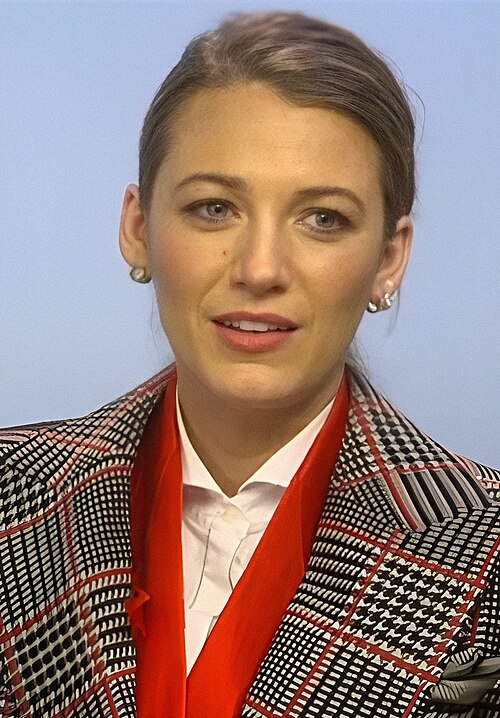
“The Shallows” asked audiences to believe in total isolation: one woman, one surfboard, one escalating threat. But believable surfing in live water depends on actual high-level skill, which is why professional surfer Isabella Nichols handled much of the advanced board work. Lively carried the emotional pressure of the role, while Nichols supplied the ocean performance the premise required. It was less a shortcut than a practical split between acting and sport.
10. Dakota Johnson and the body-double side of “Fifty Shades”
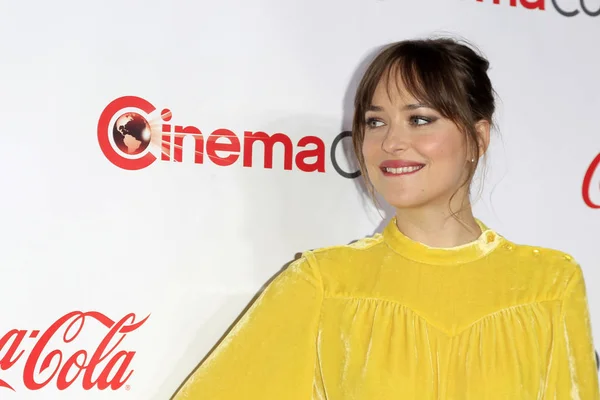
Not every hidden substitute is about explosions or falls. In “Fifty Shades of Grey,” body doubles were used for scenes involving nudity, restraints, and physically awkward positioning. That kind of doubling tends to get less public respect because it is not framed as athletic spectacle, yet it is still part of how star images are managed. Productions use doubles not only for danger, but also for privacy, comfort, time, and shot construction.
11. Karen Gillan and the athletic illusion of “Jumanji”
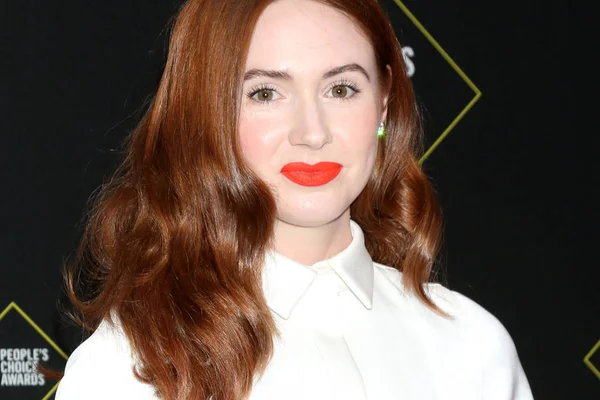
Karen Gillan’s Ruby Roundhouse was sold as a comic-action standout, partly because the role asked for a stylized blend of fighting, flexibility, and game-avatar absurdity. Stunt performers such as Jahnel Curfman and Emily Lopez helped deliver the flips, wire-assisted movement, and more extreme throws. The result looked effortless because it was designed that way. Behind the joke of “dance fighting” was a highly technical action build.
12. Michelle Rodriguez and the franchise myth of “living the action”
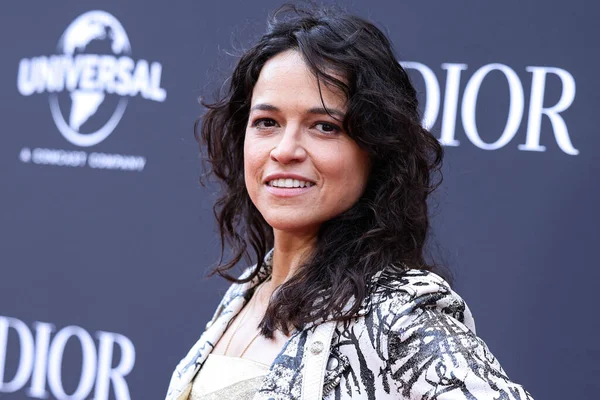
Few series blur actor persona and screen danger as effectively as “Fast & Furious.” Michelle Rodriguez’s tough on-screen identity fits that branding perfectly, but the most exacting driving maneuvers and severe hits still belong to professional stunt teams. That is especially true in productions where one injury can shut down an enormous schedule. The franchise sells authenticity through attitude, while the real precision comes from specialists who make chaos look routine.
The recurring pattern across these films is not deception in the simple sense. It is a publicity habit that highlights preparation by stars while minimizing the invisible labor of doubles, stuntwomen, coordinators, and technical crews. That invisibility is finally getting harder to maintain. As the industry gives stunt design more formal recognition and audiences grow more aware of how screen action is made, the names behind the falls, flips, fights, and full-body transformations no longer look like background details. They look like authors of the performance itself.

